Dynamic Changes in Peripheral Immune Cells During Efgartigimod Treatment in Naive Generalized Myasthenia Gravis
Yaye Wang, Wenjia Zhu, Qing Liu, Xinmei Wen, Nairong Xie, Haoran Liu, Zhangyan Geng, Yuting Jiang, Li Di, Min Wang, Yan Lu, Jianying Duo, Yue Huang, Yu Qian, Qinyao Liu, Congwen Lv, Yuwei Da

TL;DR
This study shows how efgartigimod treatment changes immune cells in myasthenia gravis patients, beyond just reducing IgG levels.
Contribution
The study is the first to report longitudinal immune cell dynamics during efgartigimod treatment in naive gMG patients.
Findings
Efgartigimod treatment leads to significant clinical improvement and IgG reduction in gMG patients.
Neutrophil and leukocyte counts increase during treatment, while T cell subsets show transient decreases.
Plasmablasts and regulatory T cells temporarily increase, suggesting broader immunomodulatory effects.
Abstract
Efgartigimod is a neonatal Fc receptor (FcRn) antagonist that reduces pathogenic IgG and improves clinical symptoms in generalized myasthenia gravis (gMG). However, its immunomodulatory effects on innate and adaptive immune cells beyond IgG depletion are rarely reported. This study aimed to investigate clinical and immunological responses during the initial treatment cycle of efgartigimod in naive acetylcholine receptor antibody‐positive (AChR‐Ab+) gMG patients, with a focus on peripheral immune cell dynamics. We conducted a longitudinal study between October 23, 2023, and December 10, 2024, based on the database of the Clinical Cohort Study of Myasthenia Gravis at Xuanwu Hospital, Capital Medical University. Seventeen naive AChR‐Ab+ gMG patients were enrolled after applying strict inclusion and exclusion criteria and received a four‐dose regimen of efgartigimod. Clinical efficacy was…
Genes, proteins, chemicals, diseases, species, mutations and cell lines named across the full text — each resolved to its canonical identifier and authoritative record.
Click any figure to enlarge with its caption.
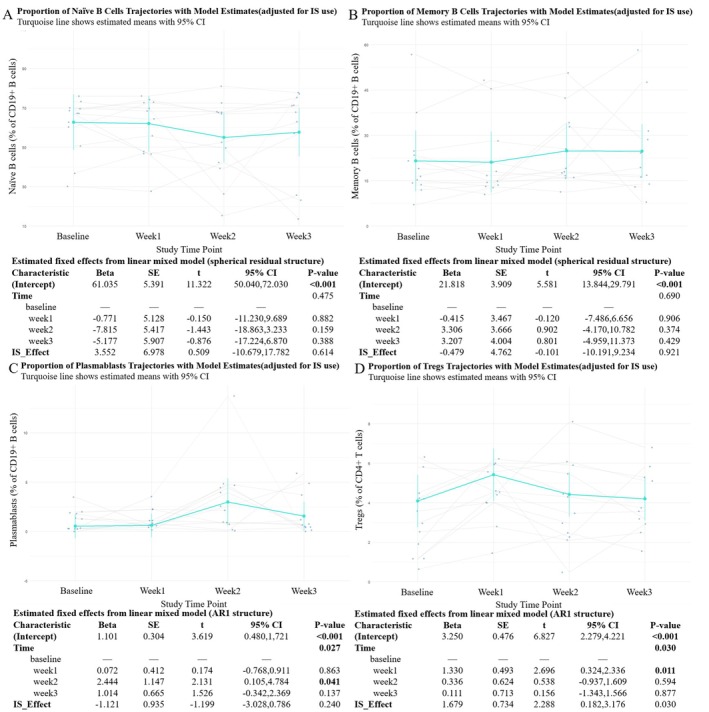 Figure 1
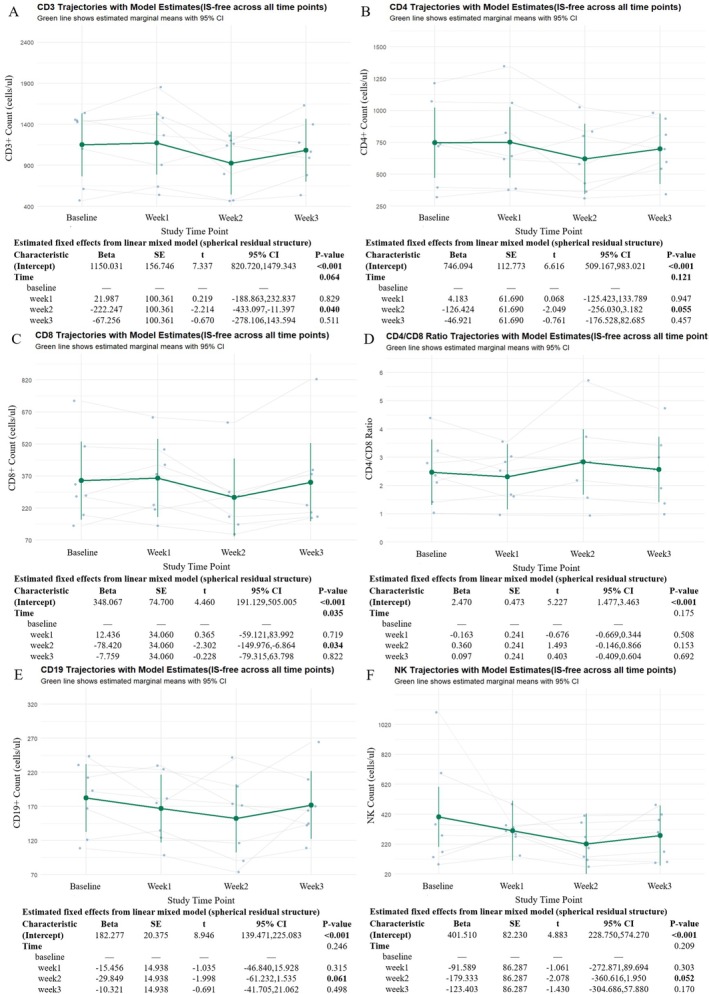 Figure 2
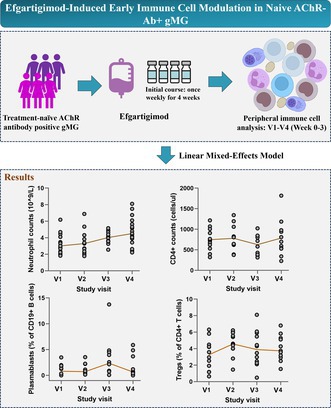 Figure 3
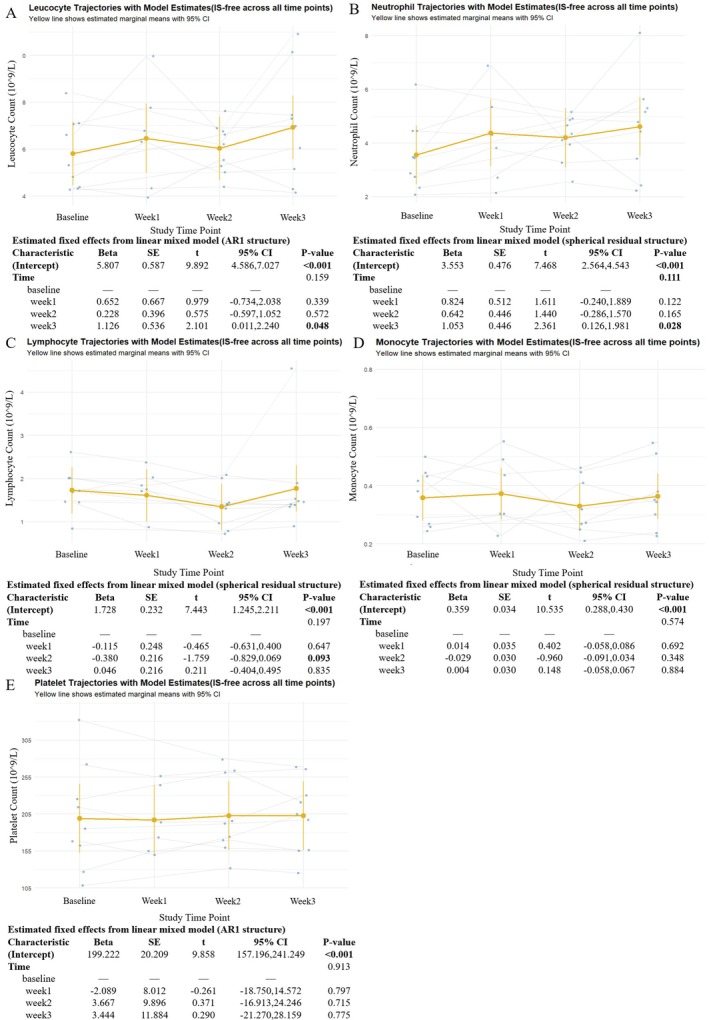 Figure 4
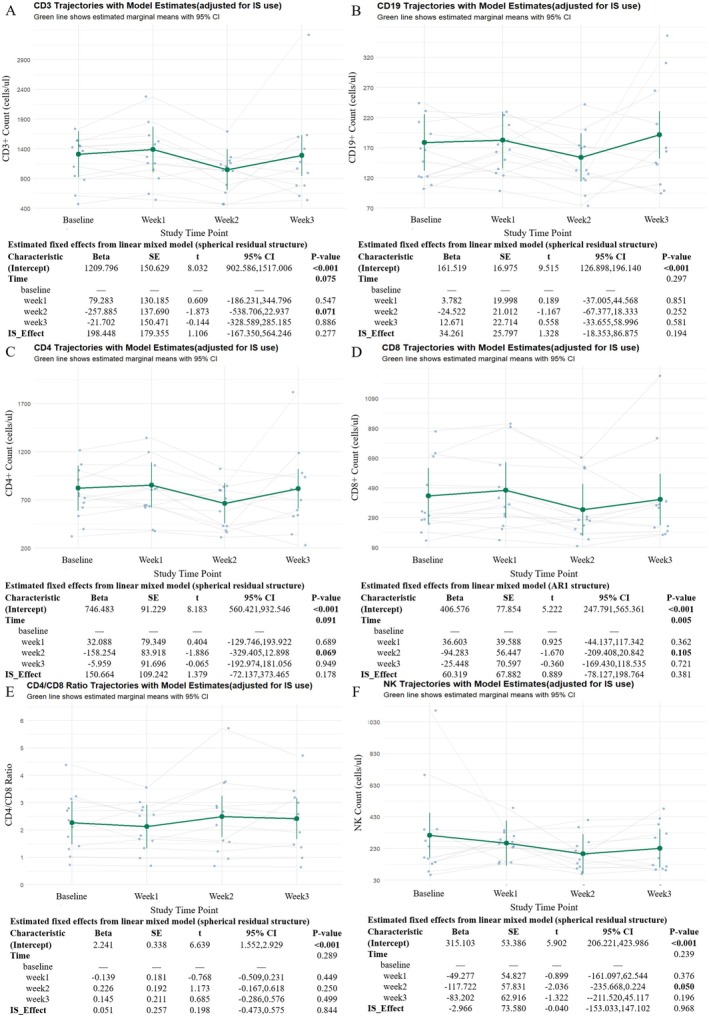 Figure 5
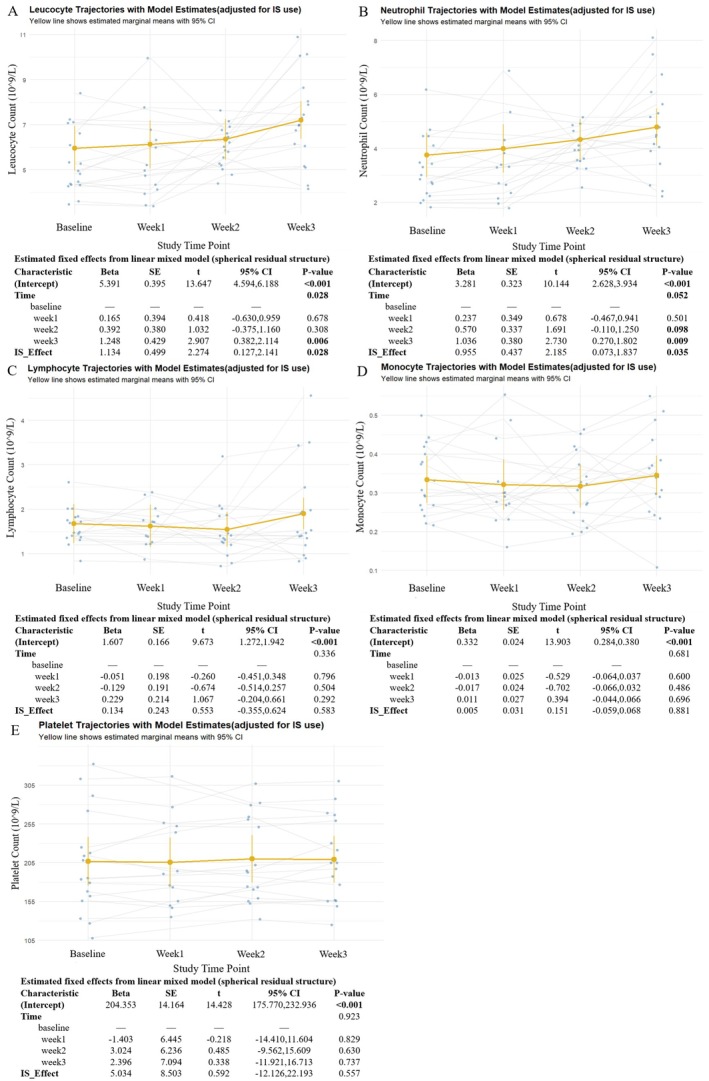 Figure 6
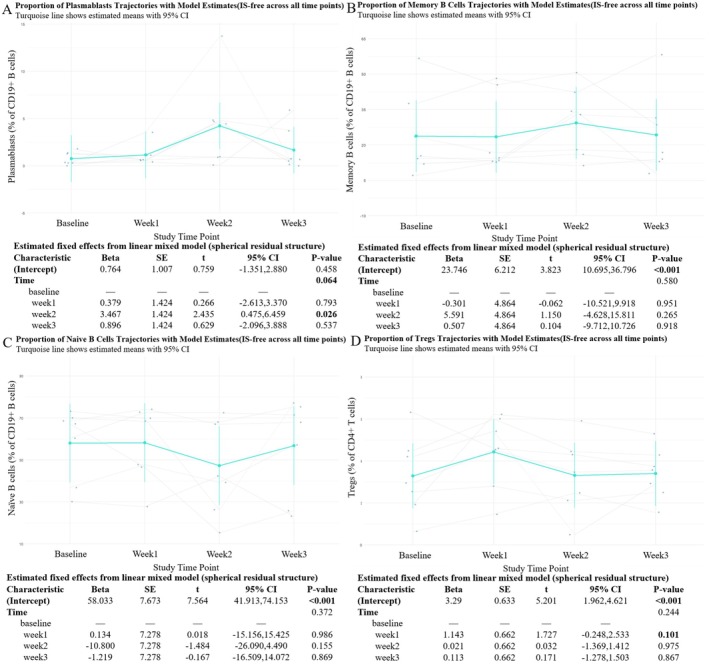 Figure 7
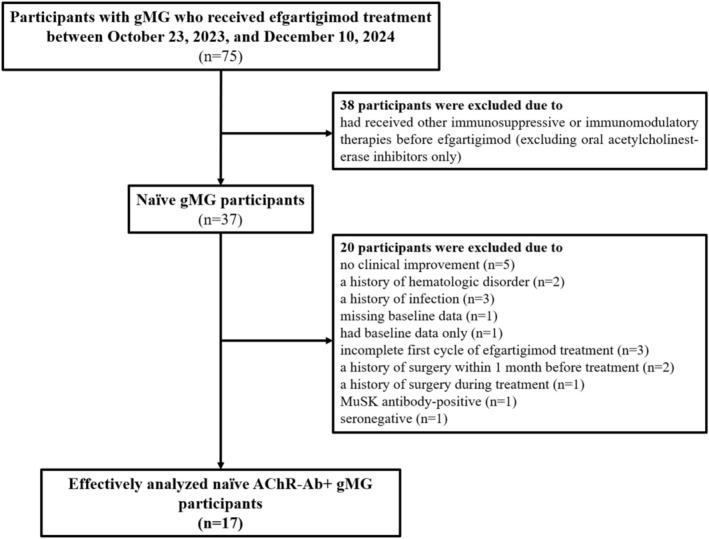 Figure 8
Peer Reviews
No public reviews on file for this paper yet. If you reviewed it on a platform where reviews are public (OpenReview, ICLR, NeurIPS, ICML), you can paste yours below so the community can read it here.
Videos
No videos yet. Explain this paper in a talk, walkthrough, or lecture? Add one.
Taxonomy
TopicsMyasthenia Gravis and Thymoma · Antifungal resistance and susceptibility · Adrenal Hormones and Disorders