GSDMD‐Deficient G‐MDSCs Exert Profoundly Suppressive Activity to Relieve MPTP‐Induced Parkinson's Disease
Qi Wu, Fangzhou Liu, Min Gu, Junjie Wei, Guotao Lu, Li Qian, Xiaobo Li, Weijuan Gong

TL;DR
This study shows that GSDMD-deficient granulocytic MDSCs can suppress neuroinflammation and slow Parkinson's disease progression in mice.
Contribution
The study reveals that GSDMD deficiency enhances immunosuppressive activity of G-MDSCs, offering a novel therapeutic strategy for Parkinson's disease.
Findings
GSDMD-deficient granulocytic MDSCs suppress microglial activation and improve motor function in Parkinson's disease models.
NLRP3/GSDMD activation is reduced in both Parkinson's patients and MPTP-treated mice.
ACT001 treatment increases G-MDSCs in the brain and alleviates Parkinson's disease pathology.
Abstract
Myeloid‐derived suppressor cells (MDSCs) are elevated in Parkinson's disease (PD), but their functional role remains unclear. This study investigated whether GSDMD deficiency enhances the immunosuppressive activity of granulocytic MDSCs (G‐MDSCs) to mitigate PD progression. Flow cytometry and Western blot analyzed G/M‐MDSCs in 37 PD patients and 21 controls. An MPTP‐induced PD mouse model was used to assess GSDMD‐deficient G‐MDSCs through behavioral tests, immunohistochemistry, and adoptive transfer experiments. The NLRP3 inhibitor ACT001 was evaluated for therapeutic potential. PD patients and MPTP‐treated mice showed increased peripheral G‐MDSCs with reduced NLRP3/GSDMD activation. GSDMD knockout mice exhibited attenuated PD symptoms, reversed by MDSCs depletion. Adoptive transfer of GSDMD‐deficient G‐MDSCs suppressed microglial activation and improved motor function. ACT001…
Genes, proteins, chemicals, diseases, species, mutations and cell lines named across the full text — each resolved to its canonical identifier and authoritative record.
Click any figure to enlarge with its caption.
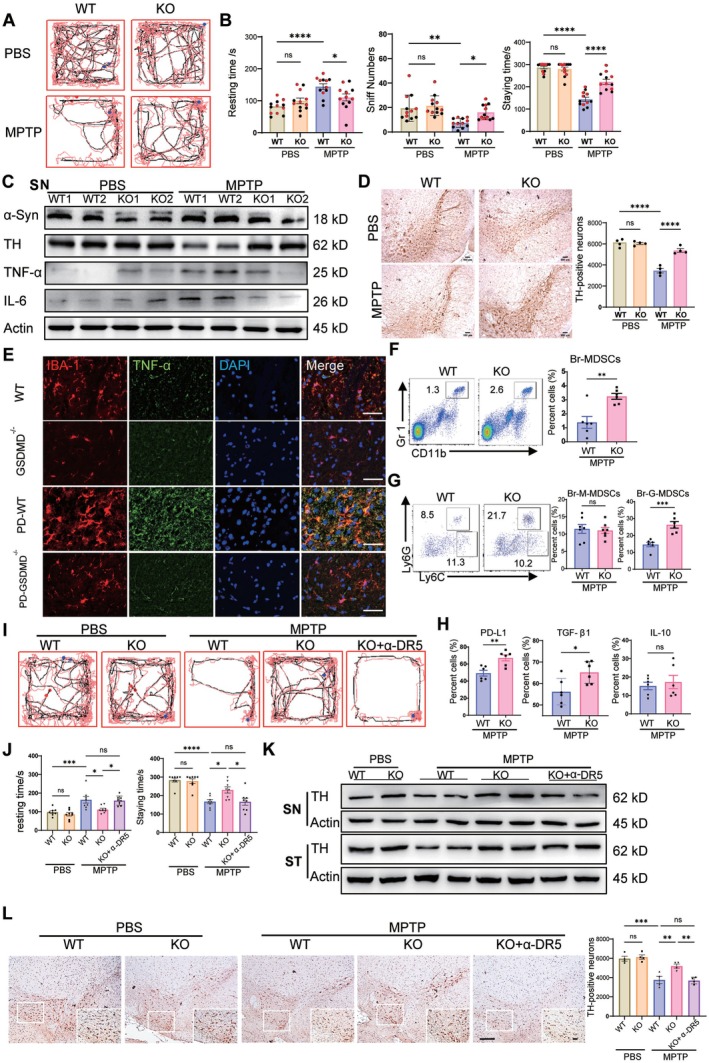 Figure 1
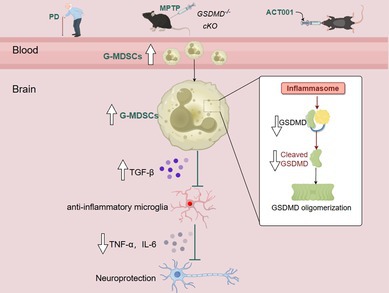 Figure 2
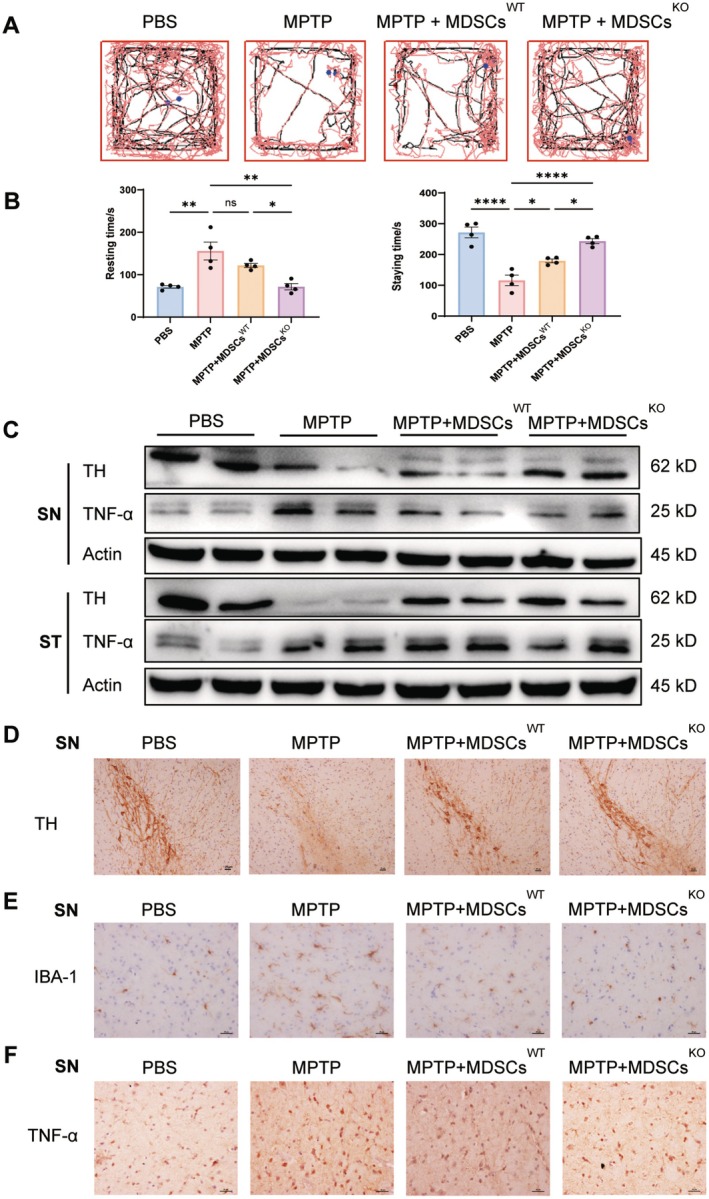 Figure 3
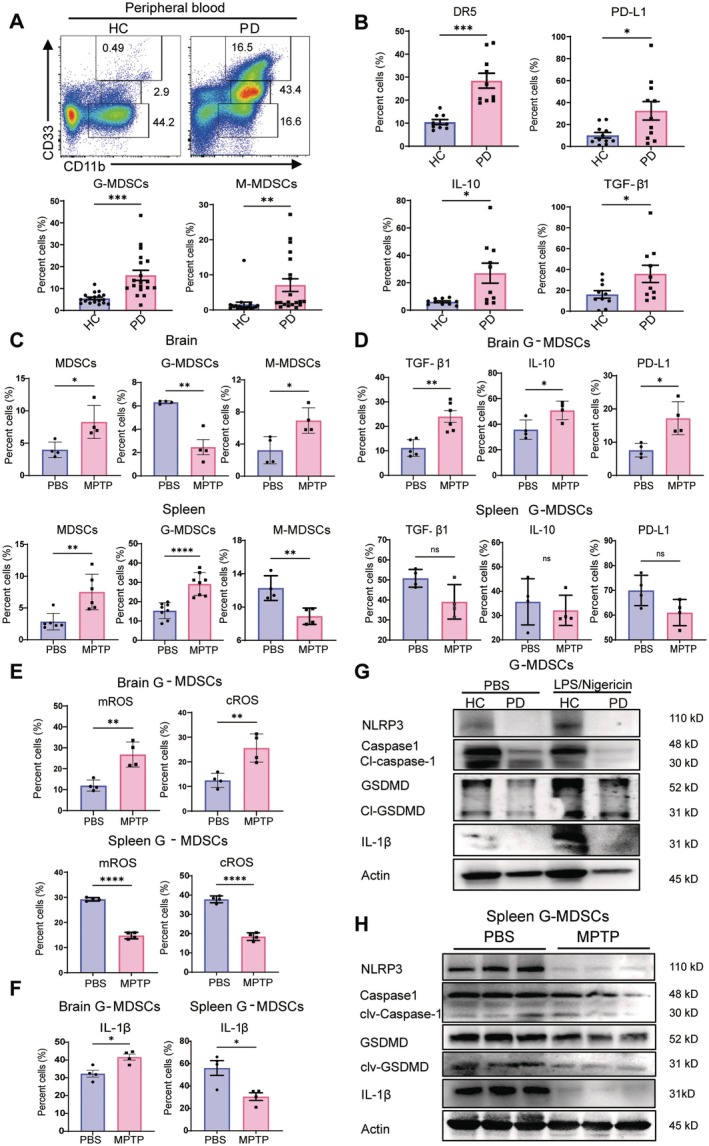 Figure 4
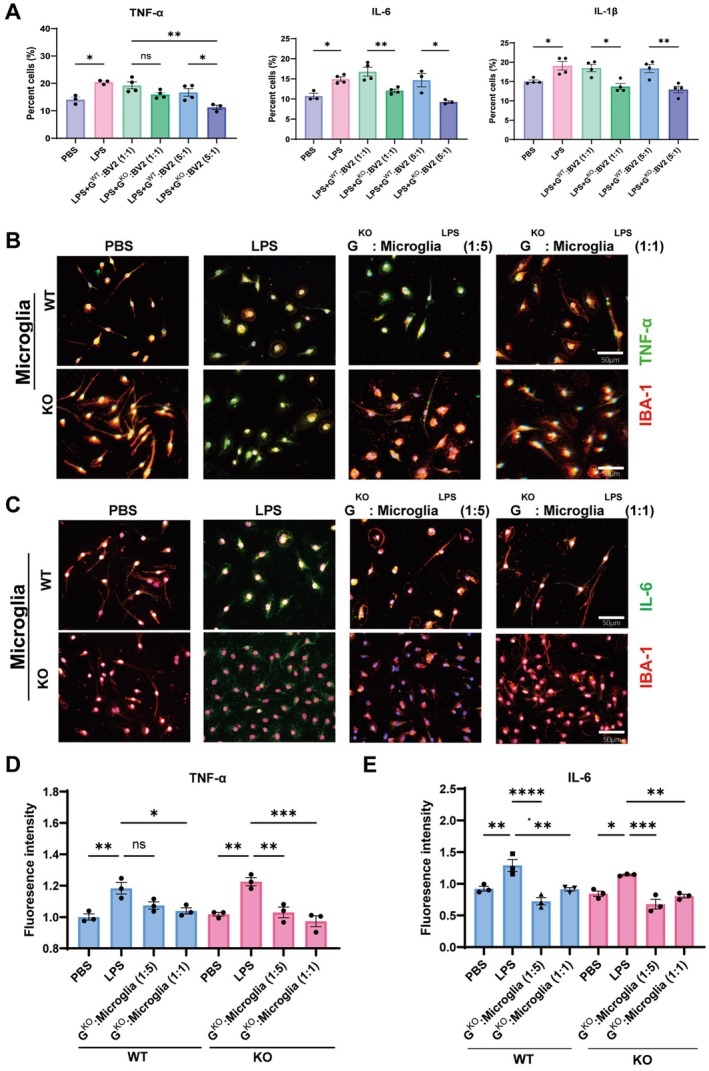 Figure 5
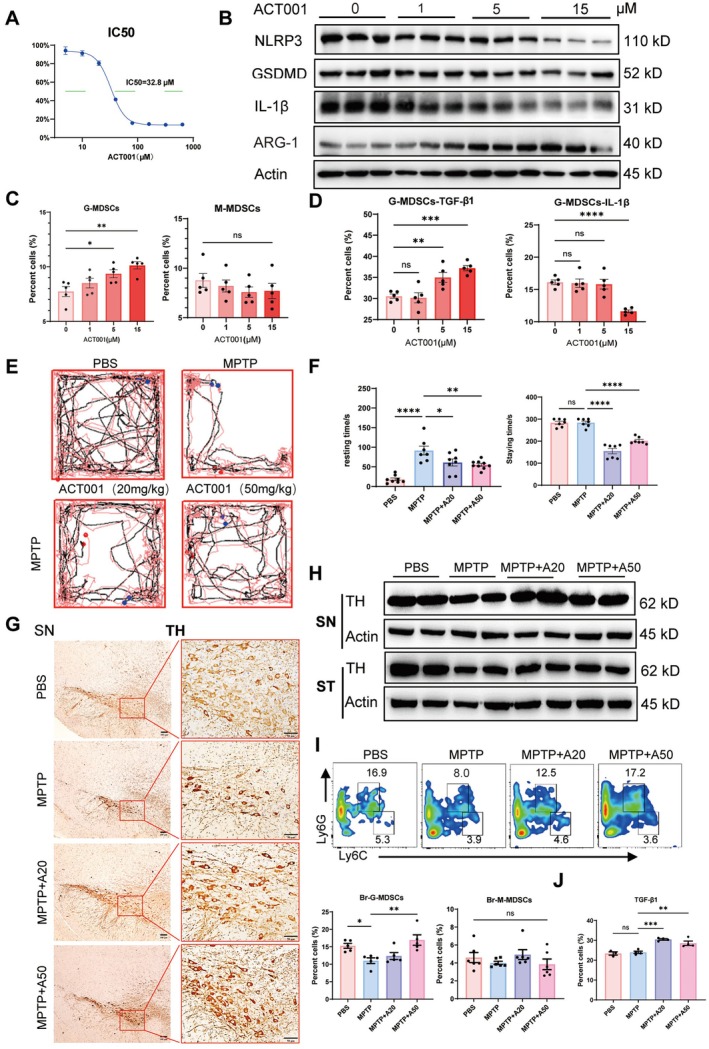 Figure 6
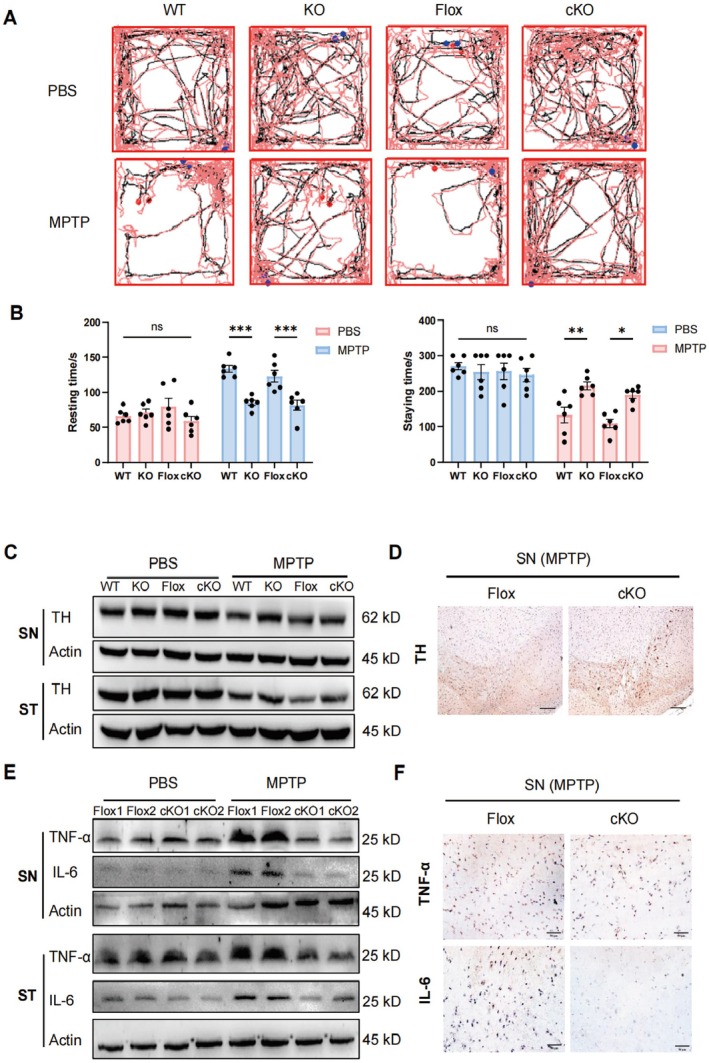 Figure 7
Peer Reviews
No public reviews on file for this paper yet. If you reviewed it on a platform where reviews are public (OpenReview, ICLR, NeurIPS, ICML), you can paste yours below so the community can read it here.
Videos
No videos yet. Explain this paper in a talk, walkthrough, or lecture? Add one.
Taxonomy
TopicsNeuroinflammation and Neurodegeneration Mechanisms · Immune cells in cancer · Inflammation biomarkers and pathways