“Reality Made Calibratable”: Walther Moede’s Bimanual Tester, Labor Efficiency, and Psychotechnical “Objectivity” in the Weimar Republic
Agnes Bauer

TL;DR
This paper examines how industrial psychologists in the Weimar Republic used mechanical devices like the bimanual tester to assess worker efficiency, claiming objectivity while revealing underlying subjective judgments.
Contribution
The paper highlights the subjective interpretation behind supposedly objective psychotechnical assessments and their impact on worker classification.
Findings
Industrial psychologists used the bimanual tester to quantify worker performance and predict productivity.
Classifications of workers as 'failures' or 'gifted' were influenced by examiners' qualitative value judgments.
Psychotechnicians claimed scientific authority, but test results allowed for significant interpretive leeway.
Abstract
This article analyzes how industrial psychologists used mechanical devices to study the efficiency of human labor. One major proponent of this research field, commonly known as “Psychotechnik,” was Walther Moede. He invented a so-called bimanual tester—“Zweihandprüfer”—that enabled him to quantify the subjects’ performance in aptitude tests, and then translate these findings into forecasts of future efficiency and productivity. Industrial psychologists interpreted their results as seemingly objective and unbiased indicators of the subjects’ skills which made it possible to allocate workers, employees, and apprentices to their appropriate position within companies. This article, in contrast, argues that the classification of workers and employees was to a certain degree based on the examiners’ qualitative value judgements. Drawing on printed sources such as psychotechnical journals and…
Genes, proteins, chemicals, diseases, species, mutations and cell lines named across the full text — each resolved to its canonical identifier and authoritative record.
Click any figure to enlarge with its caption.
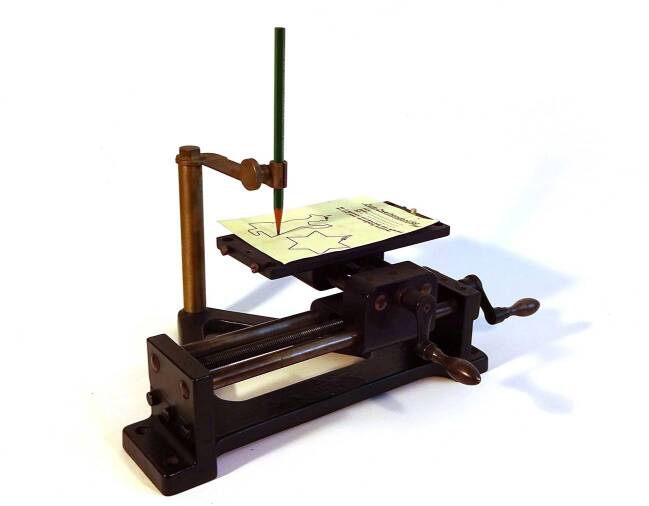 Figure 1
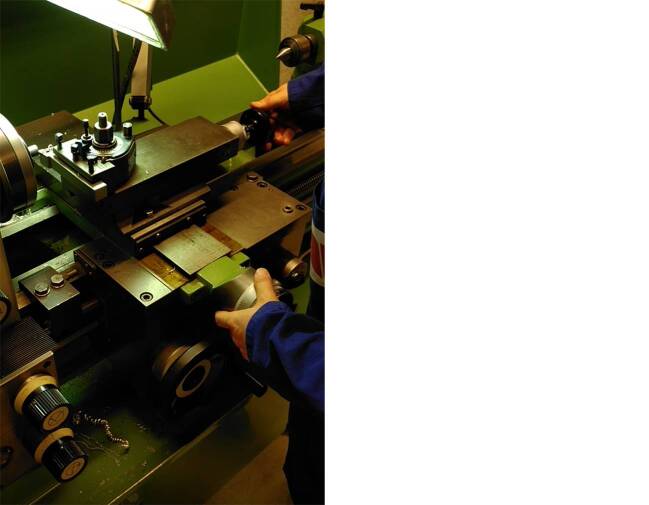 Figure 2
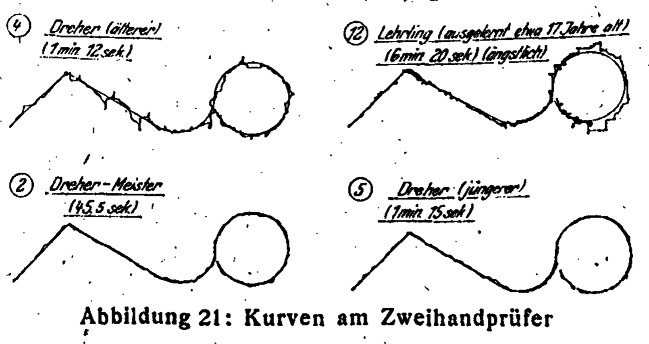 Figure 3
Peer Reviews
No public reviews on file for this paper yet. If you reviewed it on a platform where reviews are public (OpenReview, ICLR, NeurIPS, ICML), you can paste yours below so the community can read it here.
Videos
No videos yet. Explain this paper in a talk, walkthrough, or lecture? Add one.
Taxonomy
TopicsAcademic and Historical Perspectives in Psychology · Historical Psychiatry and Medical Practices · Philosophy, Science, and History