Cold storage of mouse hearts prior to cardiomyocyte isolation preserves electromechanical function, microstructure, and gene expression for 24 h
Benedikt Pfeilschifter, Aiora Martinez-Vilchez, Zafar Iqbal, Prapassorn Potue, Dominik J. Fiegle, Karoline Morhenn, Alexander P. Schwoerer, Tilmann Volk, Thomas Seidel

TL;DR
This study shows that mouse hearts can be stored for 24 hours before isolating cardiomyocytes without affecting their function or gene expression.
Contribution
The study challenges the assumption that cardiomyocytes must be isolated immediately after heart procurement.
Findings
Cold storage of mouse hearts for 24 hours does not alter cardiomyocyte electromechanical function or microstructure.
Only 128 genes were differentially expressed after cold storage, mostly related to immune and inflammatory processes.
Mitochondrial function and calcium signaling remained equivalent between cold-stored and freshly isolated cardiomyocytes.
Abstract
Isolation of myocytes from mouse hearts, especially of transgenic animals or disease models, is crucial in cardiac research. The presumption that cardiomyocytes must be isolated immediately after heart procurement to avoid deterioration implies that transgenic mouse lines must be present on site, causes schedule inflexibility, and hampers collaborations, thereby increasing the number, suffering, and costs of animals. This study challenges this presumption by investigating whether the cell isolation can be postponed for 24 h without affecting the results. Adult mouse hearts were subjected to enzymatic myocyte isolation immediately after excision (CTRL) or after 24 h of cold storage (CS). Sufficient numbers of viable cardiomyocytes were obtained in all groups. The transverse-axial tubular system was unchanged in CS versus CTRL. No significant changes were detected in cell capacitance,…
Genes, proteins, chemicals, diseases, species, mutations and cell lines named across the full text — each resolved to its canonical identifier and authoritative record.
Click any figure to enlarge with its caption.
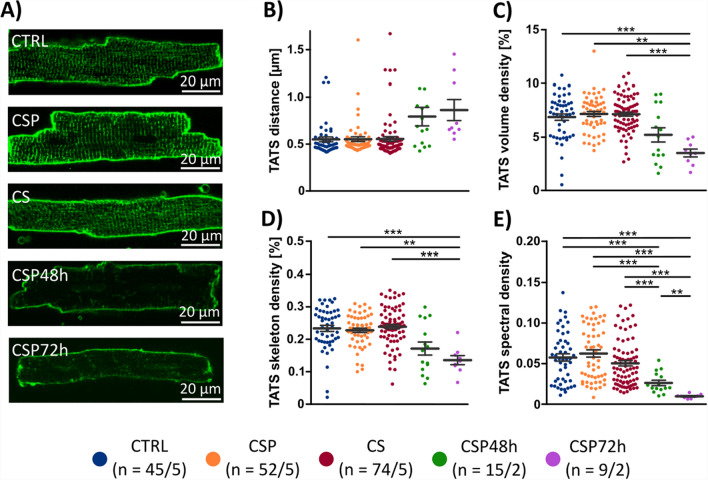 Figure 1
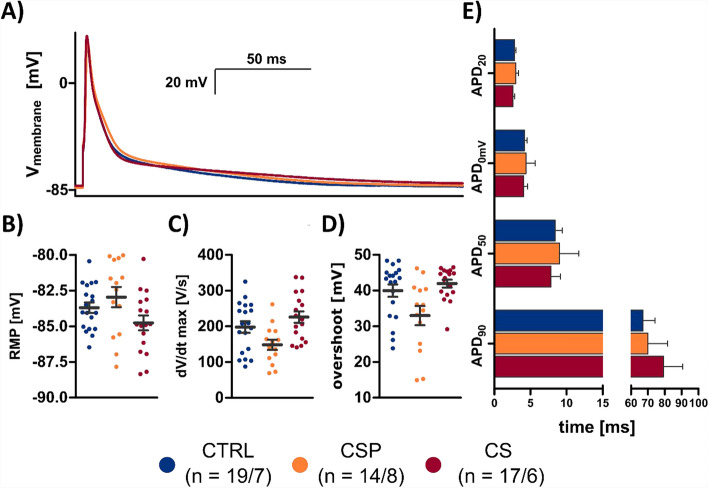 Figure 2
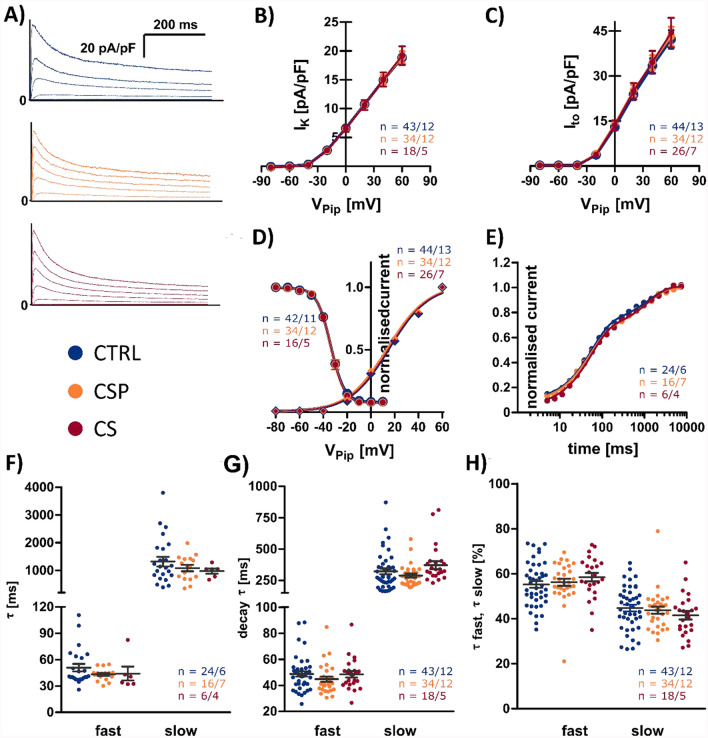 Figure 3
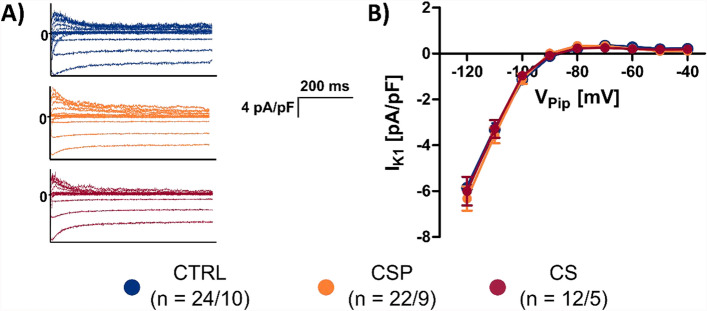 Figure 4
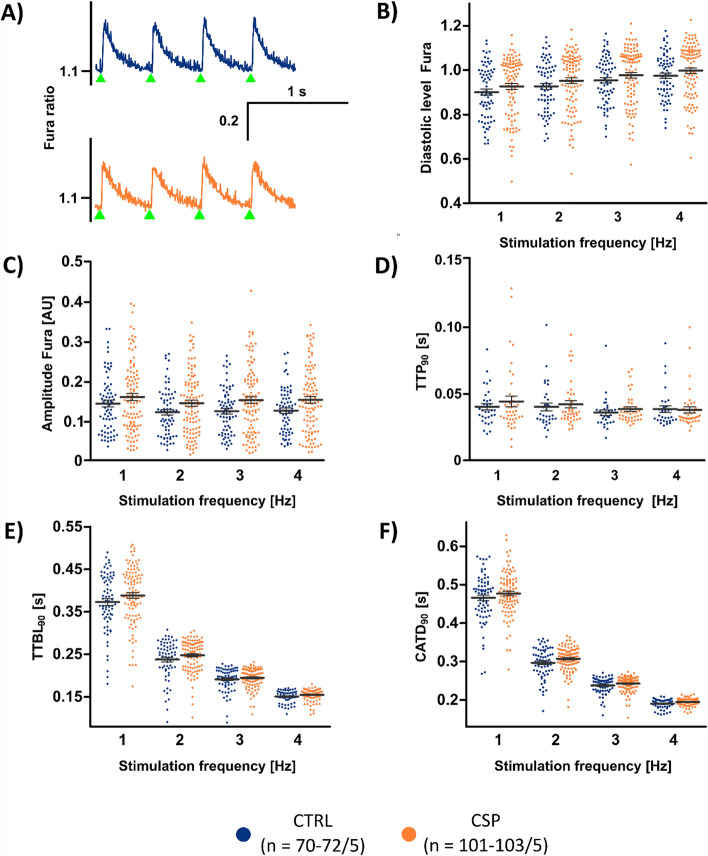 Figure 5
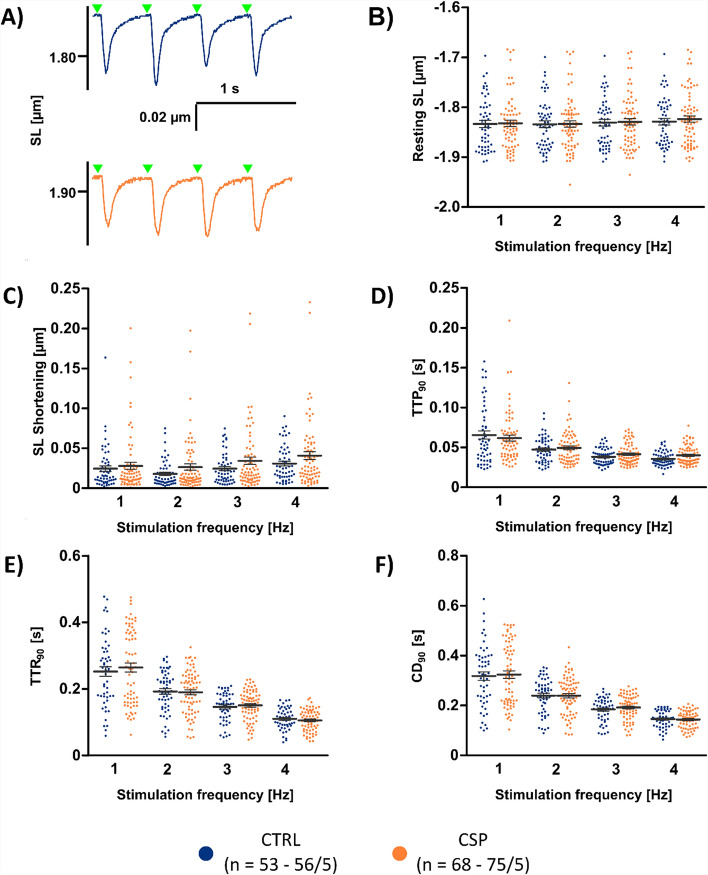 Figure 6
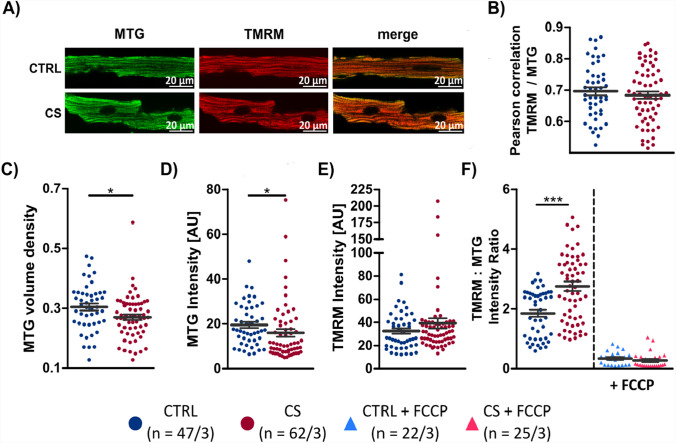 Figure 7
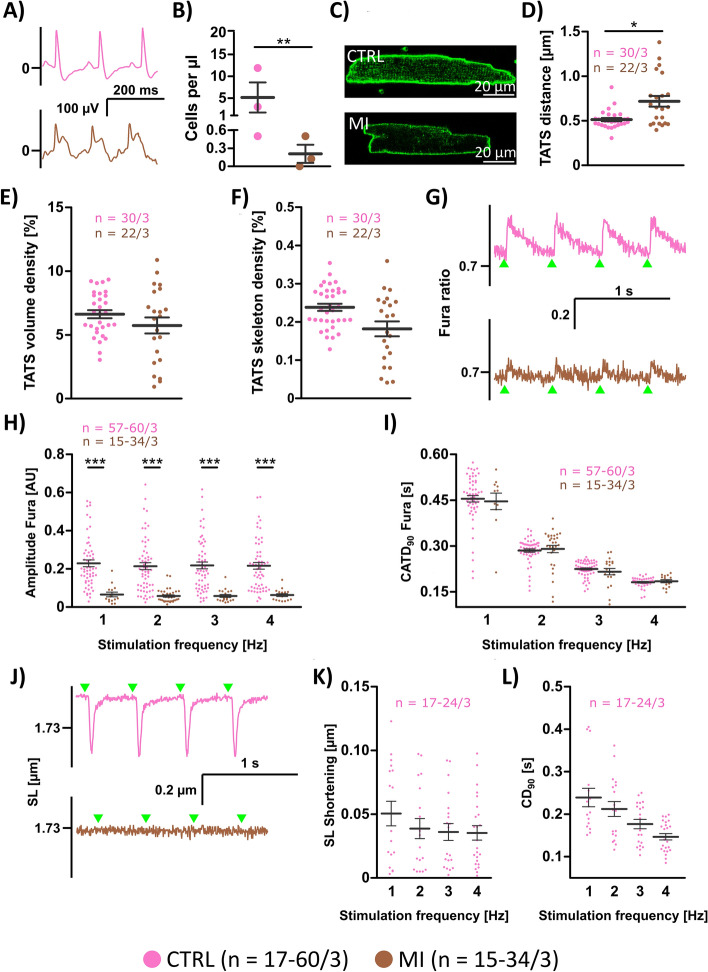 Figure 8
Peer Reviews
No public reviews on file for this paper yet. If you reviewed it on a platform where reviews are public (OpenReview, ICLR, NeurIPS, ICML), you can paste yours below so the community can read it here.
Videos
No videos yet. Explain this paper in a talk, walkthrough, or lecture? Add one.
Taxonomy
TopicsPluripotent Stem Cells Research · CRISPR and Genetic Engineering · Molecular Biology Techniques and Applications