Personalized prediction of SARS-CoV-2 vaccine-induced immunity after boost: a longitudinal analysis using joint modeling
Iraklis Papadopoulos, Anh Nguyet Diep, Joey Schyns, Claire Gourzones, Frédéric Minner, Germain Bonhomme, M. Paridans, Nicolas Gillain, Eddy Husson, Mutien Garigliany, Gilles Darcis, Daniel Desmecht, Michèle Guillaume, Fabrice Bureau, Anne-Françoise Donneau, Laurent Gillet

TL;DR
This study uses joint modeling to predict individual immune responses to SARS-CoV-2 booster vaccines, aiming to guide personalized booster strategies.
Contribution
The study introduces joint modeling as a novel approach to predict immune trajectories and optimize booster strategies.
Findings
Joint models outperform traditional methods in predicting immune trajectories after a booster dose.
Longitudinal analysis identified key determinants of serological response and infection risk.
The approach could be adapted for monitoring immunity against other infectious diseases.
Abstract
The SARS-CoV-2 pandemic has revealed substantial inter-individual variability in immune responses, particularly following widespread primary vaccination and booster campaigns. These differences affect the durability of protective immunity and the need for additional booster doses. To optimize the management of current and future epidemics, there is a critical need for predictive tools that personalize immune monitoring and guide targeted booster strategies for vulnerable populations. In this study, we conducted a 15-month longitudinal analysis of a cohort of 1,000 individuals to identify key determinants of serological response following the first SARS-CoV-2 vaccine booster. We investigated how these factors influenced the risk of subsequent infection, and we developed statistical models to predict individual trajectories of anti-spike (S) IgG and neutralizing antibody (NAb) levels.…
Genes, proteins, chemicals, diseases, species, mutations and cell lines named across the full text — each resolved to its canonical identifier and authoritative record.
Click any figure to enlarge with its caption.
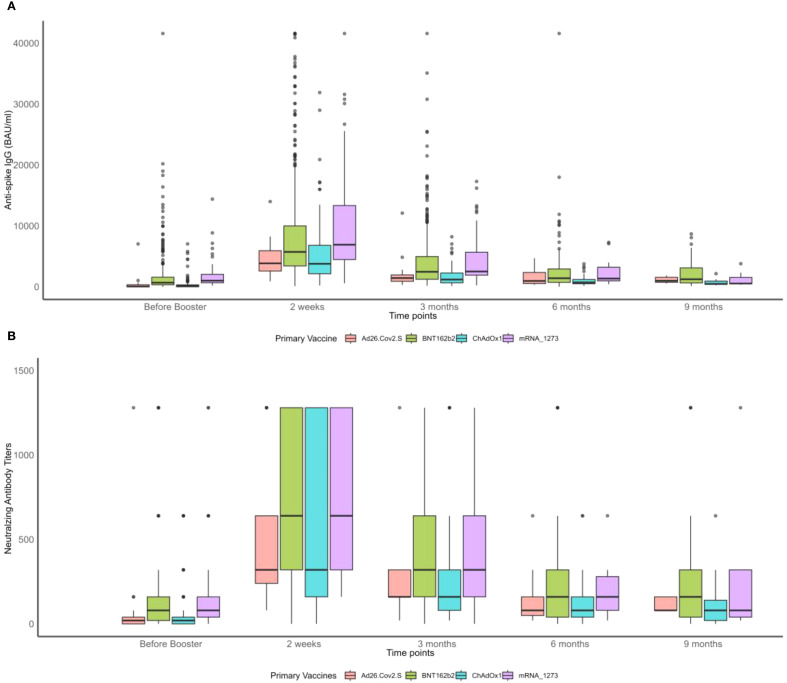 Figure 1
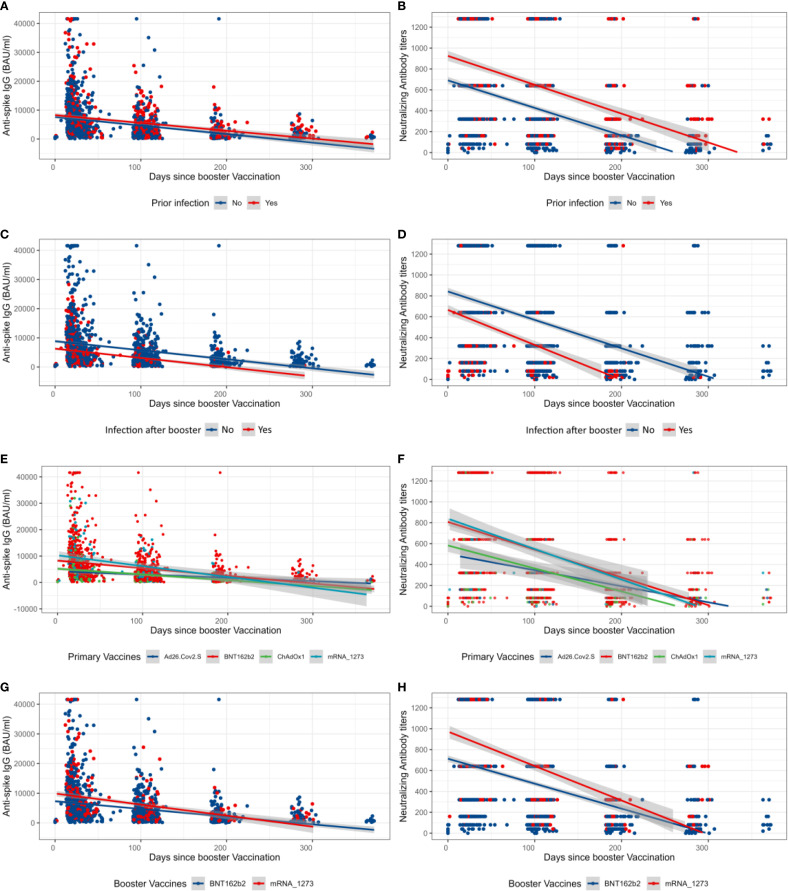 Figure 2
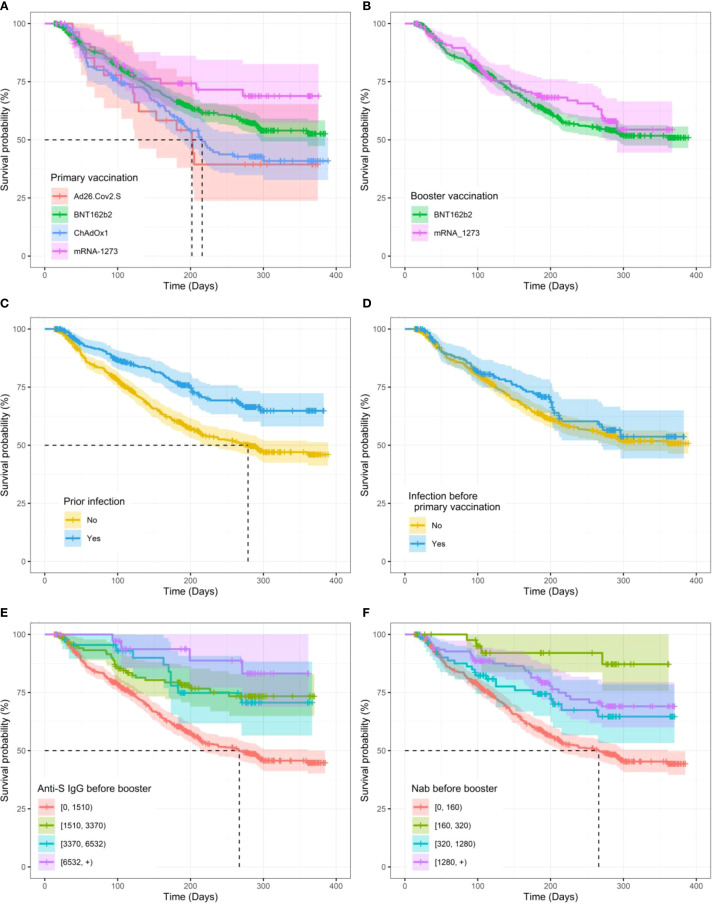 Figure 3
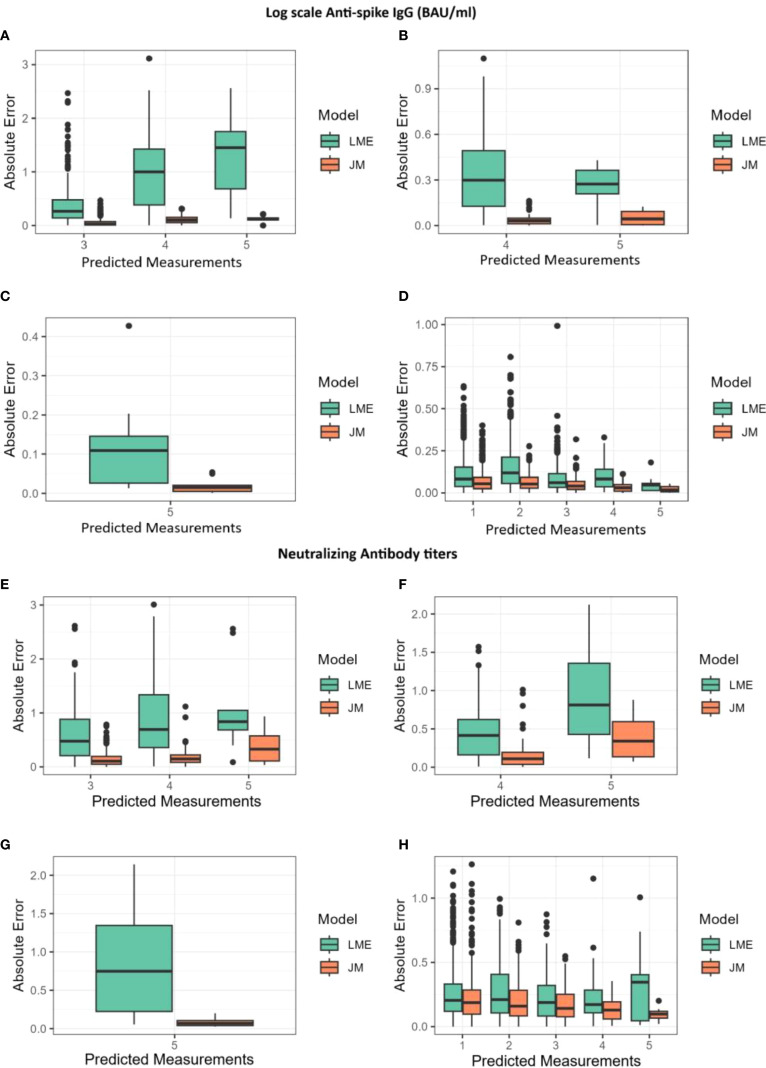 Figure 4
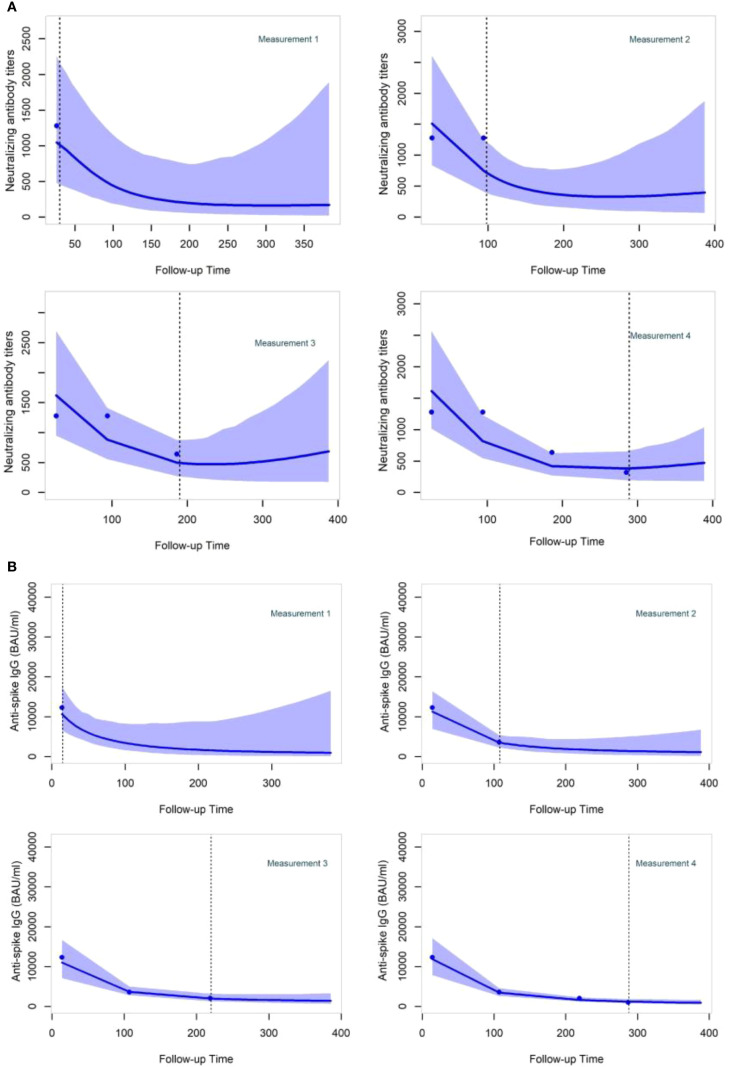 Figure 5
Peer Reviews
No public reviews on file for this paper yet. If you reviewed it on a platform where reviews are public (OpenReview, ICLR, NeurIPS, ICML), you can paste yours below so the community can read it here.
Videos
No videos yet. Explain this paper in a talk, walkthrough, or lecture? Add one.
Taxonomy
TopicsSARS-CoV-2 and COVID-19 Research · Influenza Virus Research Studies · vaccines and immunoinformatics approaches