Integrated transcriptome and metabolome provide insight into phenolics and soluble sugar variation in the different varieties of Gastrodia elata Blume from different areas in China
Haixia Wang, Shuo Yu, Hanwen Yu, Qingying Fang, Juan Liang, Nannan Zhi, Chengjun Peng, Tingyu Shan, Shuangying Gui, Liangping Zha

TL;DR
This study combines transcriptome and metabolome data to understand how different varieties and regions in China affect the sugar and phenolic content in Gastrodia elata.
Contribution
The study integrates metabolomics and transcriptomics to reveal the genetic basis of phenolic and sugar variation in Gastrodia elata.
Findings
Sucrose, glucose, D-fructose, and D-xylose are the major soluble sugars in G. elata.
Phenolic content varies significantly by region for the same variety of G. elata.
Six glucosyltransferase genes were identified as potentially catalyzing gastrodin production from p-hydroxybenzyl alcohol.
Abstract
Gastrodia elata Blume is known for its "medicinal food homology", its chemical components include phenols, glycosides and polysaccharides. In China, the Anhui, Hubei, Guizhou, and Yunnan provinces are the primary G. elata-producing areas, among which Gastrodia elata Bl. f. elata (GR), Gastrodia elata Bl. f. glauca S. Chow (GB), and Gastrodia elata Bl. f. glauca S. Chow and Gastrodia elata Bl. f. elata (GR×GB) are essential varieties. This research employed metabolomics and Ultra Performance Liquid Chromatography (UPLC) to quantify 19 soluble sugars and six phenolic compounds in G. elata from various origins and varieties. Transcriptome sequencing was performed on 24 G. elata samples to identify differentially expressed genes (DEGs). Key enzyme genes involved in the phenolic biosynthesis pathways were further analyzed through phylogenetic analysis, structural modeling and molecular…
Genes, proteins, chemicals, diseases, species, mutations and cell lines named across the full text — each resolved to its canonical identifier and authoritative record.
Click any figure to enlarge with its caption.
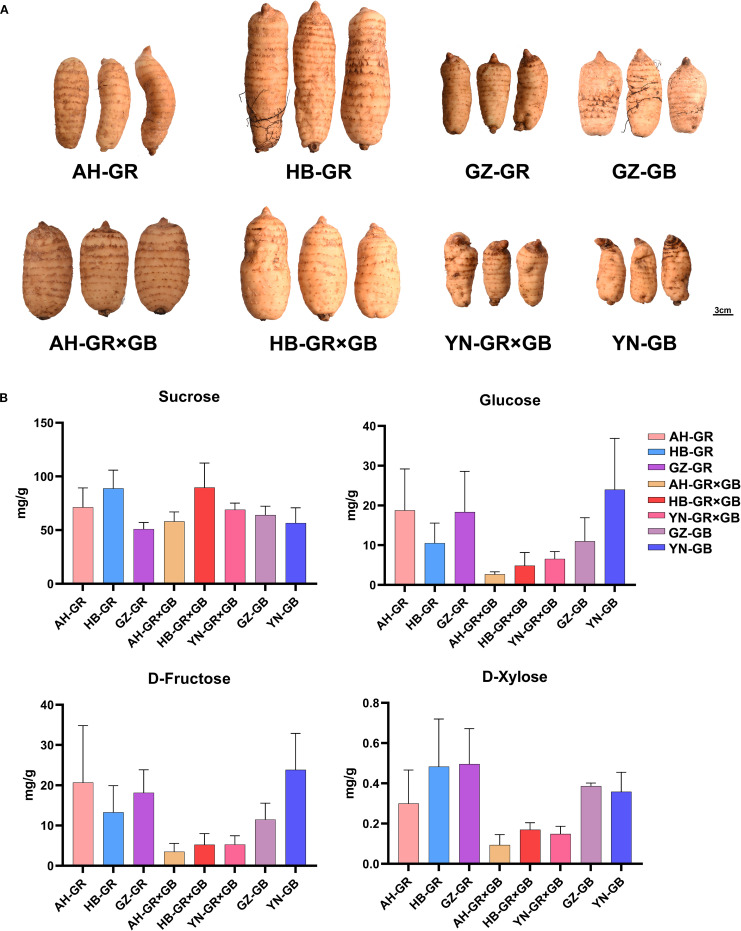 Figure 1
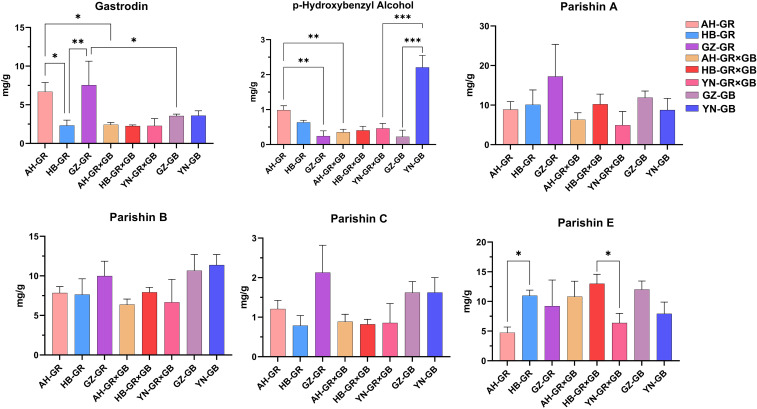 Figure 2
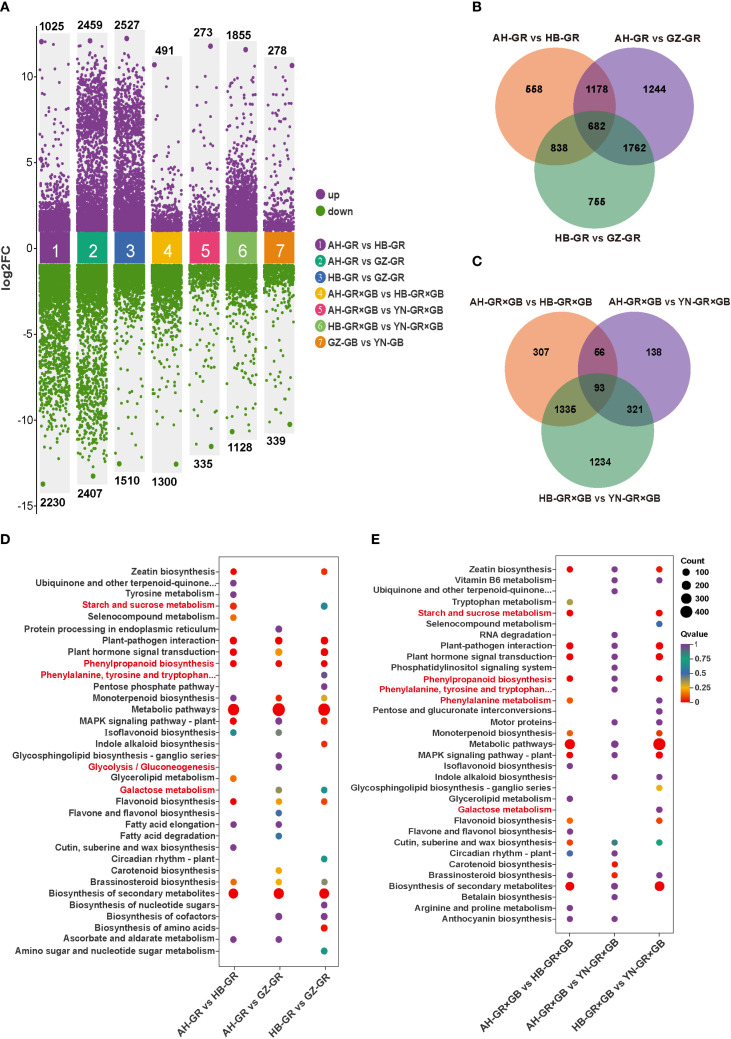 Figure 3
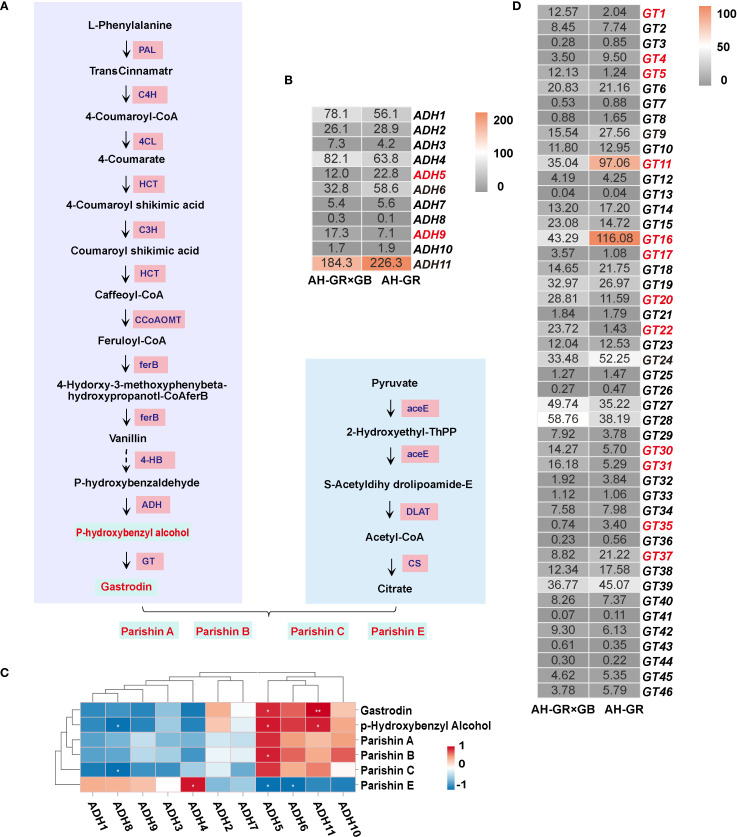 Figure 4
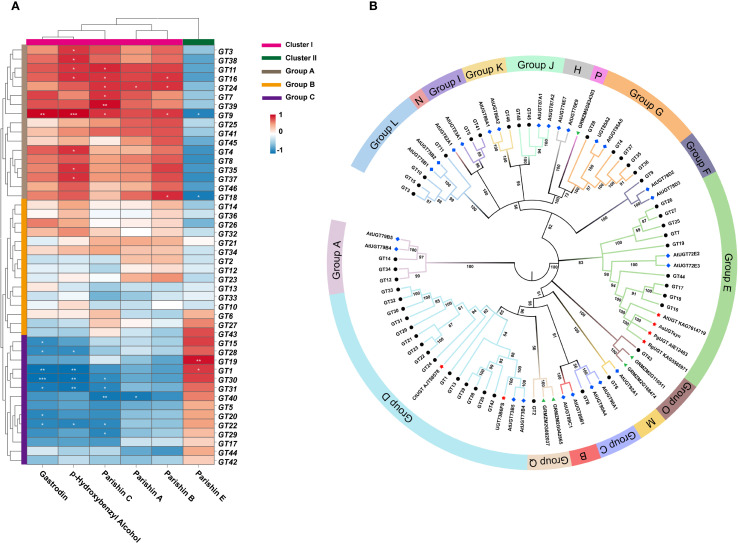 Figure 5
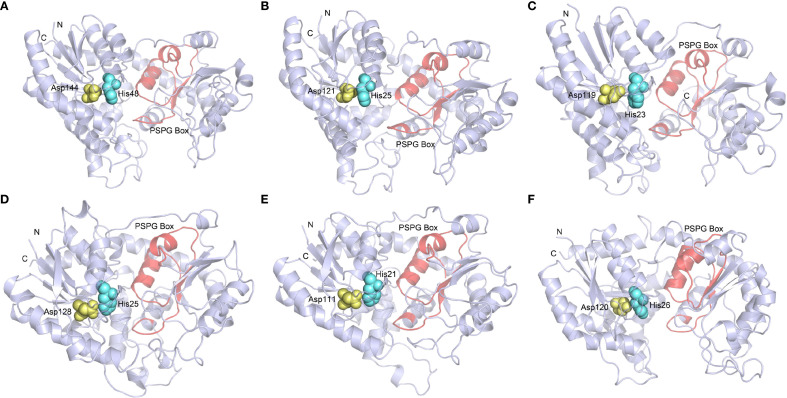 Figure 6
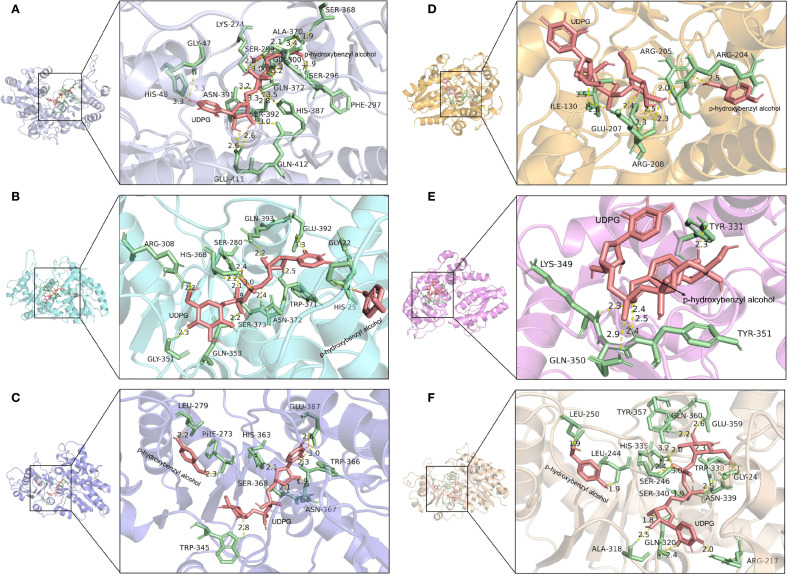 Figure 7
Peer Reviews
No public reviews on file for this paper yet. If you reviewed it on a platform where reviews are public (OpenReview, ICLR, NeurIPS, ICML), you can paste yours below so the community can read it here.
Videos
No videos yet. Explain this paper in a talk, walkthrough, or lecture? Add one.
Taxonomy
TopicsBiological and pharmacological studies of plants · Ginseng Biological Effects and Applications · GABA and Rice Research