Kinematic and mechanical assessment of seated lumbar rotation manipulation: force, velocity and orientation in three dimensions
Changxiao Han, Jiali Chen, Jinghua Gao, Congcong Wen, Haibao Wen, Xunlu Yin, Bochen Peng, Guangwei Liu, Liguo Zhu, Minshan Feng

TL;DR
This study provides a biomechanical analysis of seated lumbar rotation manipulation, revealing key kinematic and force parameters and their relationship with body type.
Contribution
The study quantifies 3D kinematic and force parameters of a common spinal manipulation technique for the first time.
Findings
Rotation is the dominant movement in seated lumbar rotation manipulation, followed by lateral bending and flexion.
Force parameters like preload, thrust, and peak force are positively correlated with body mass index.
Forces exerted by both hands during manipulation show significant correlation, indicating a synergistic effect.
Abstract
Seated lumbar rotation manipulation is widely used for low back pain, but lacks detailed biomechanical analysis. Understanding its biomechanical characteristics is crucial for therapists to improve comprehension and support education and research. The purpose of this study was to analyze the kinematic and mechanical parameters of Seated lumbar rotation manipulation. Sixty healthy volunteers underwent manipulation by experienced therapists. Three-dimensional movements, thrust velocity, and acceleration were measured using motion capture technology. Force parameters were recorded using pressure sensing gloves mounted on the therapist’s hands. Subgroup comparisons were conducted based on body mass index, and linear regression was used to analyse the relationship between force parameters and BMI (Body Mass Index). Finally, Pearson’s correlation test was employed to examine the correlation…
Genes, proteins, chemicals, diseases, species, mutations and cell lines named across the full text — each resolved to its canonical identifier and authoritative record.
Click any figure to enlarge with its caption.
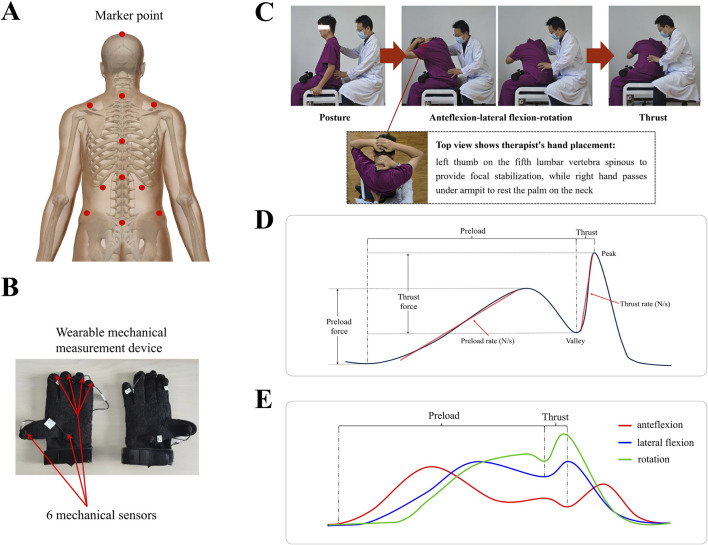 Figure 1
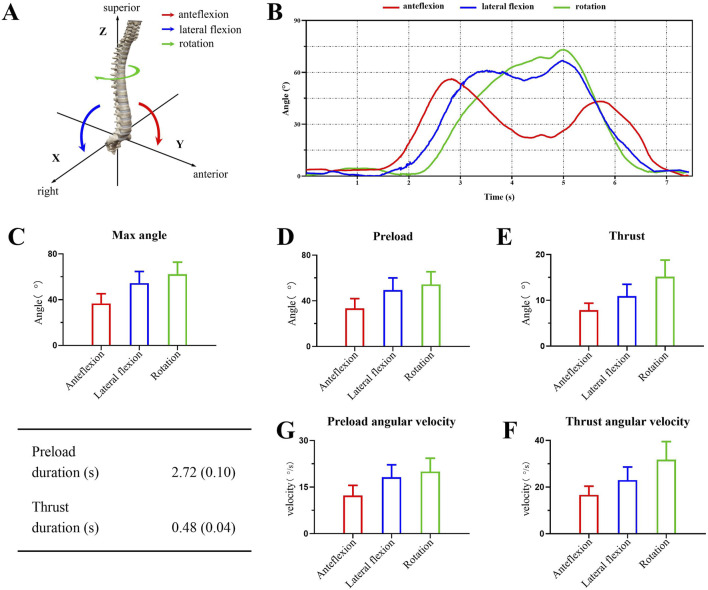 Figure 2
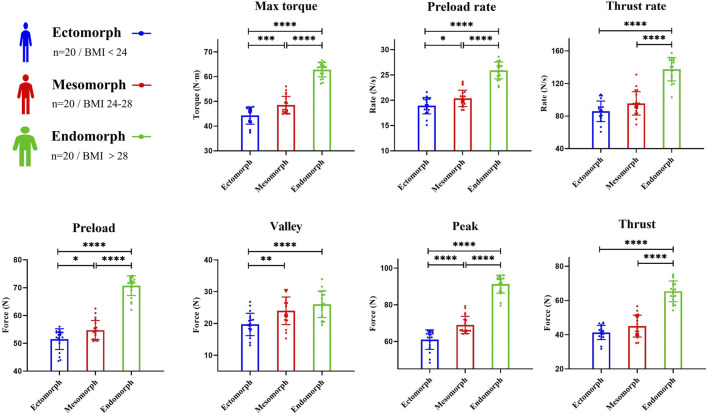 Figure 3
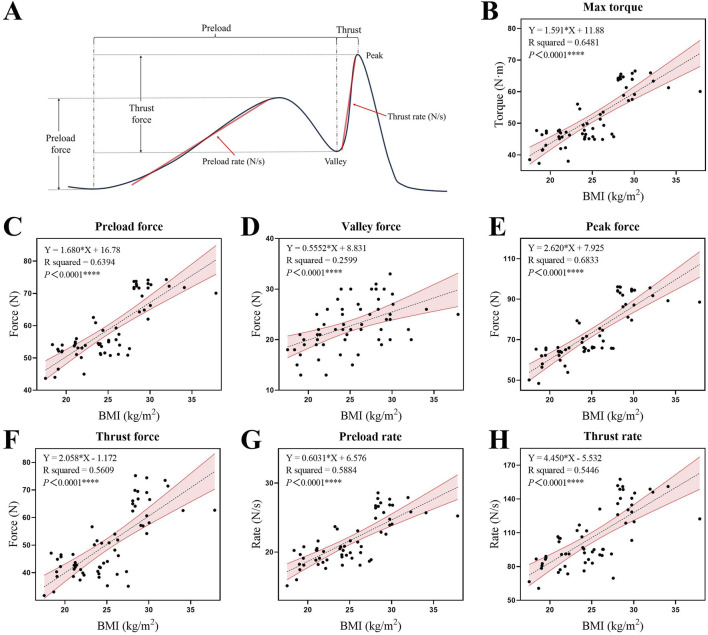 Figure 4
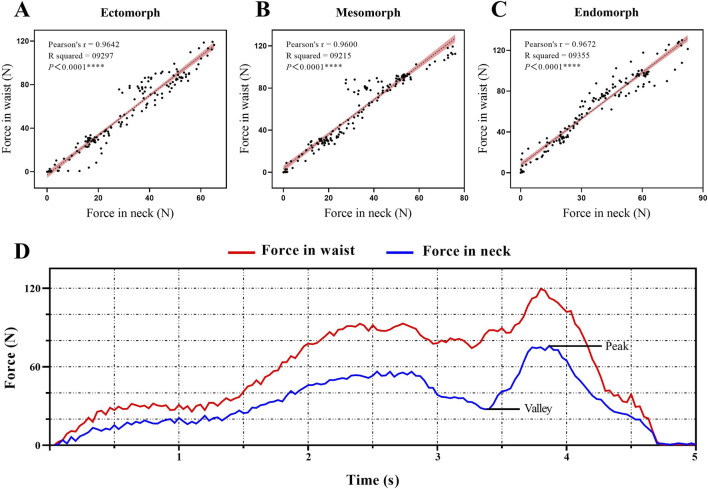 Figure 5
Peer Reviews
No public reviews on file for this paper yet. If you reviewed it on a platform where reviews are public (OpenReview, ICLR, NeurIPS, ICML), you can paste yours below so the community can read it here.
Videos
No videos yet. Explain this paper in a talk, walkthrough, or lecture? Add one.
Taxonomy
TopicsMusculoskeletal pain and rehabilitation · Shoulder Injury and Treatment · Ergonomics and Musculoskeletal Disorders