Systemic identification and characterization of the conserved core NuRD complex in planarian
Lei Huang, Hao Wang, Shuang Wu, Jiangnan Chai, Xiaopeng Zou, Hongfei Liu, Zhengwei Guo, Yanming Wang, Yunchao Kan

TL;DR
This study identifies and characterizes the NuRD complex in planarians, revealing its role in tissue homeostasis, regeneration, and cell differentiation.
Contribution
The study systematically identifies six core NuRD complex components in planarians and their biological roles.
Findings
Knockdown of NuRD complex genes disrupts tissue homeostasis and regeneration in planarians.
NuRD complex depletion upregulates progenitor marker genes and reduces somatic cell markers.
Upstream regulatory regions of affected genes show enrichment of H3K27ac, suggesting NuRD's role in histone deacetylation.
Abstract
The nucleosome remodeling and deacetylase (NuRD) complex, well known for its ATP-dependent chromatin remodeling and histone deacetylation activities combined in one multi-subunit complex, plays an evolutionarily conserved role in chromatin structures and gene regulation during cell growth, proliferation, and development. However, the composition and function of the NuRD complex in planarians remain incompletely unknown. Here, we identified six core components within the NuRD complex and characterized their biological roles in planarians. RNA interference (RNAi) mediated knockdown of these genes resulted in similar perturbations to both tissue homeostasis and regeneration, and the overlapping downstream genes regulated upon depletion of MBD2/3 or CHD4 showed similar expression alterations to that after knockdown of other NuRD complex genes, suggesting that NuRD core members may act in…
Genes, proteins, chemicals, diseases, species, mutations and cell lines named across the full text — each resolved to its canonical identifier and authoritative record.
Click any figure to enlarge with its caption.
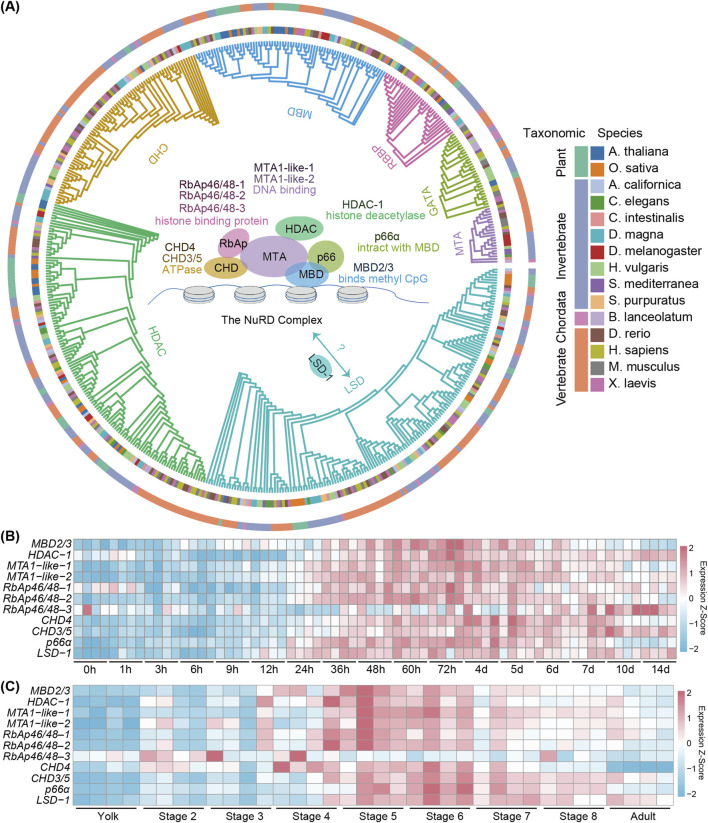 Figure 1
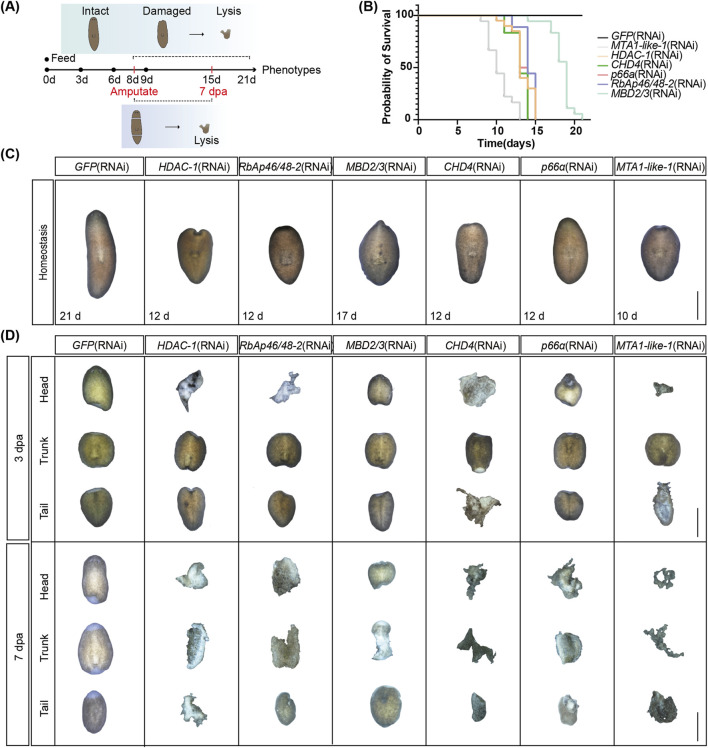 Figure 2
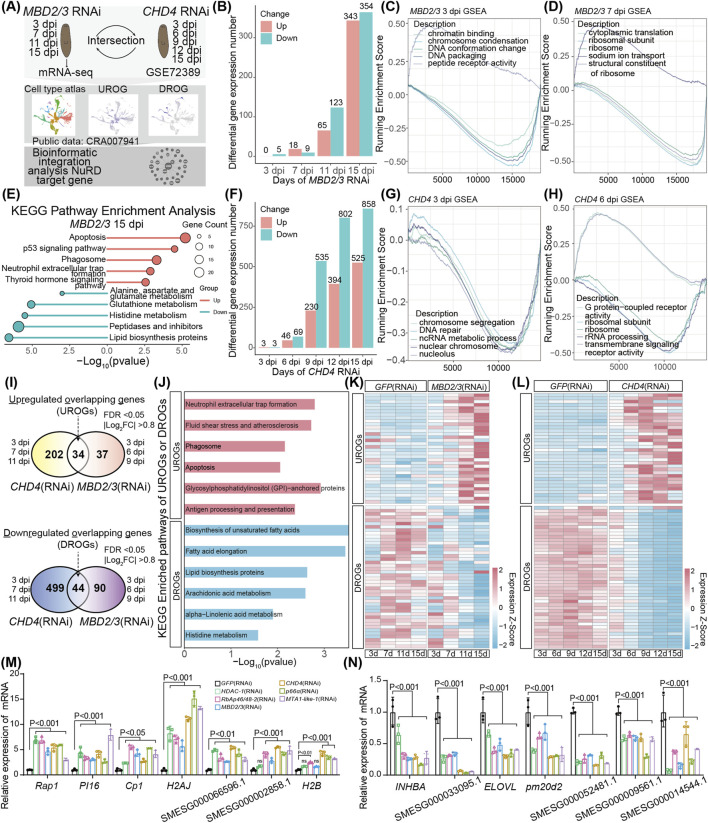 Figure 3
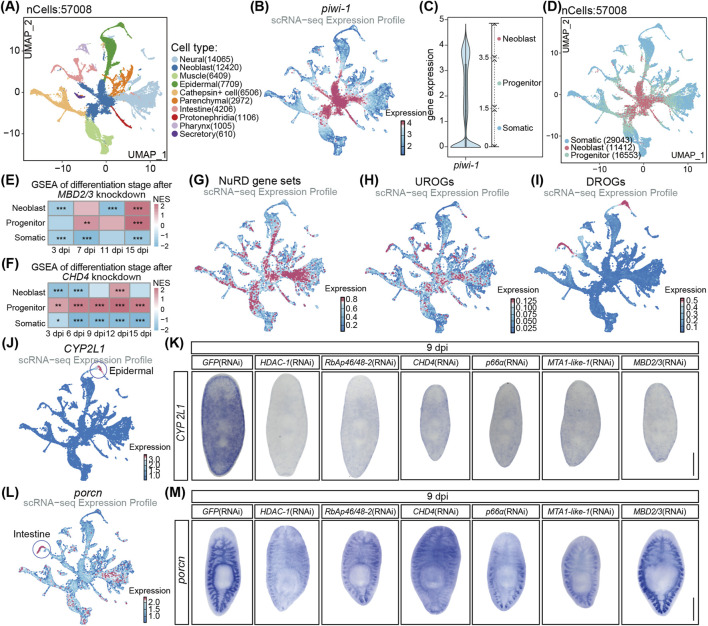 Figure 4
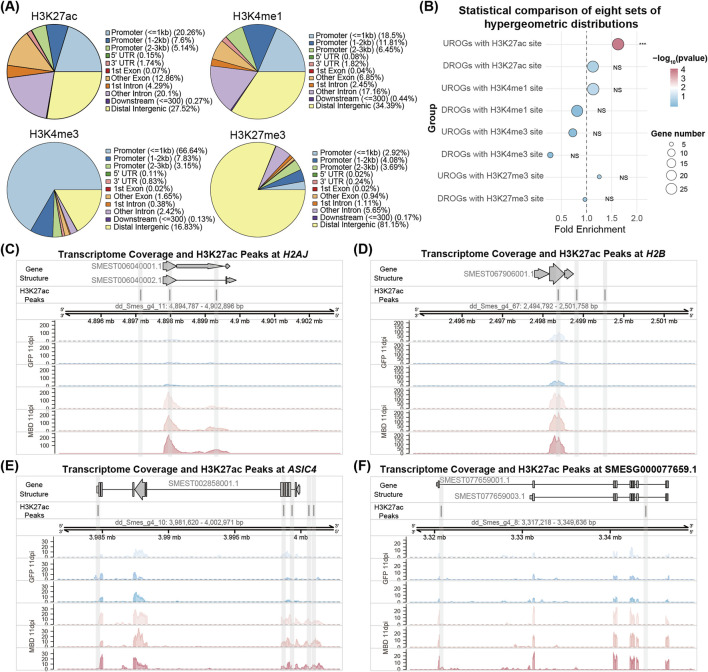 Figure 5
Peer Reviews
No public reviews on file for this paper yet. If you reviewed it on a platform where reviews are public (OpenReview, ICLR, NeurIPS, ICML), you can paste yours below so the community can read it here.
Videos
No videos yet. Explain this paper in a talk, walkthrough, or lecture? Add one.
Taxonomy
TopicsPlanarian Biology and Electrostimulation · Marine Ecology and Invasive Species · bioluminescence and chemiluminescence research