Proof-of-concept of a prior validated LC-MS/MS method for detection of N-lactoyl-phenylalanine in dried blood spots before, during and after a performance diagnostic test of junior squad triathletes
H. Bauhaus, T. Möller, S. Keller, A. Thomas, H. Braun, P. Wahl, M. Thevis

TL;DR
This study developed a method to measure N-lactoyl-phenylalanine in blood samples from triathletes during exercise, showing it increases with exertion and varies by sex.
Contribution
The study introduces the first validated method to quantify N-lactoyl-phenylalanine during exercise using dried blood spots.
Findings
Lac-phe concentrations increased significantly during exercise and peaked at time-to-exhaustion.
Female triathletes had higher lac-phe levels than males at specific test points.
No significant correlations were found between lac-phe and lactate, glucose, or other physiological parameters.
Abstract
N-lactoyl-phenylalanine (lac-phe) is an exercise-inducible metabolite that is discussed for suppressing appetite. As no point-of-care lac-phe analysis for frequent sample collection during exercise exists, the objectives of this study were (1) to develop and validate a method for quantifying lac-phe by liquid chromatography tandem mass spectrometry (LC-MS/MS) using 20 µl of capillary blood collected on cellulose-based dried blood spot (dbs) cards (QIAcard® FTA® DMPK-C) and (2) to determine lac-phe dbs concentrations before, during, and after a combined running and cycling performance test protocol in regional junior squad triathletes for proof-of-concept. The validated method (precision <8%, accuracy <7% in a working range of 0–100 ng/ml, stability >28 days at −20°C and 20°C) was successfully applied in a combined running and cycling performance diagnostic test. Dbs samples were…
Genes, proteins, chemicals, diseases, species, mutations and cell lines named across the full text — each resolved to its canonical identifier and authoritative record.
Click any figure to enlarge with its caption.
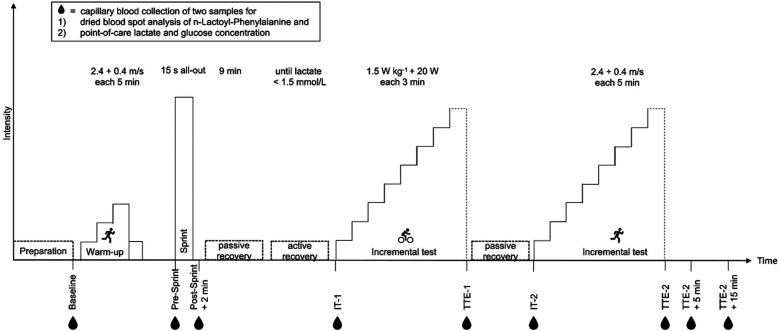 Figure 1
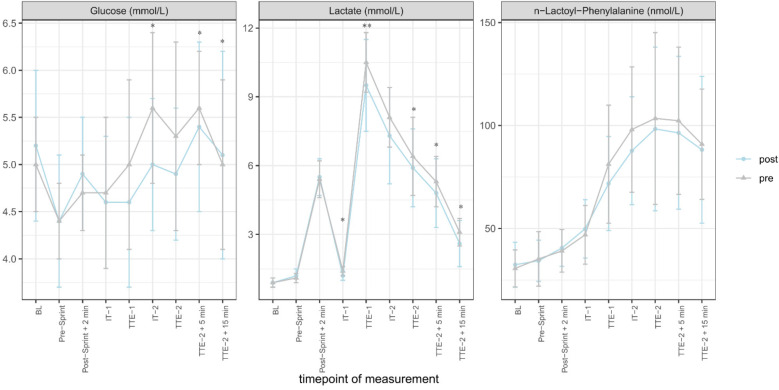 Figure 2
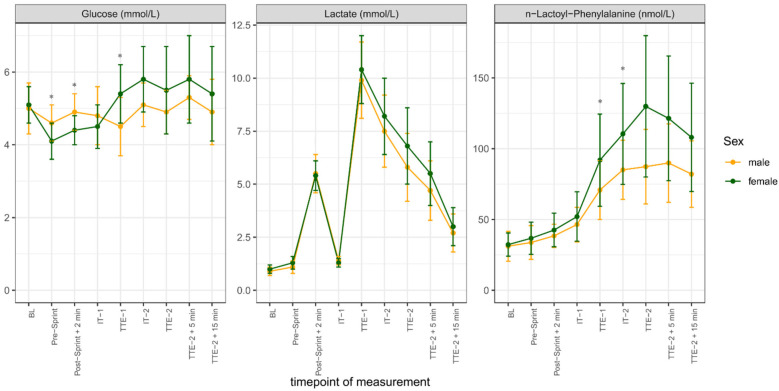 Figure 3
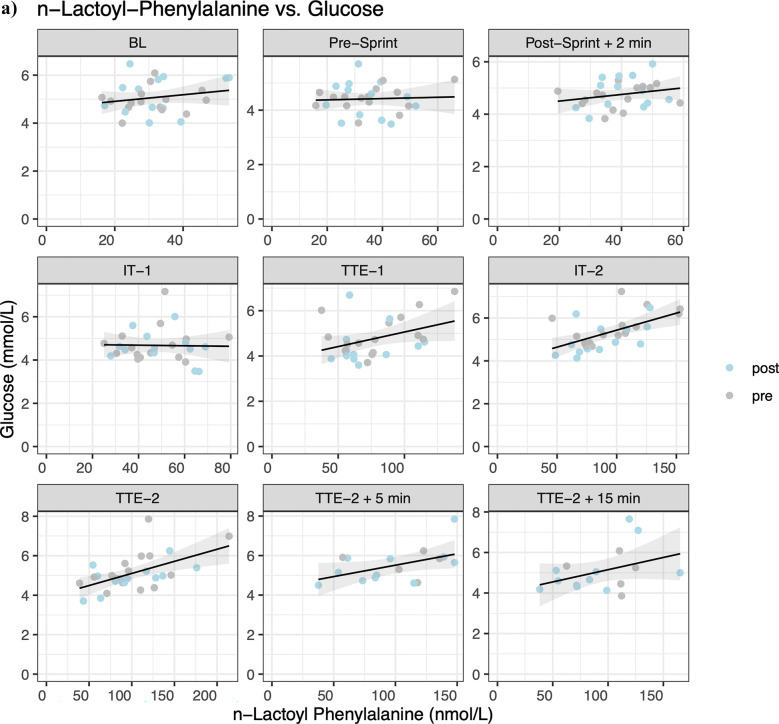 Figure 4
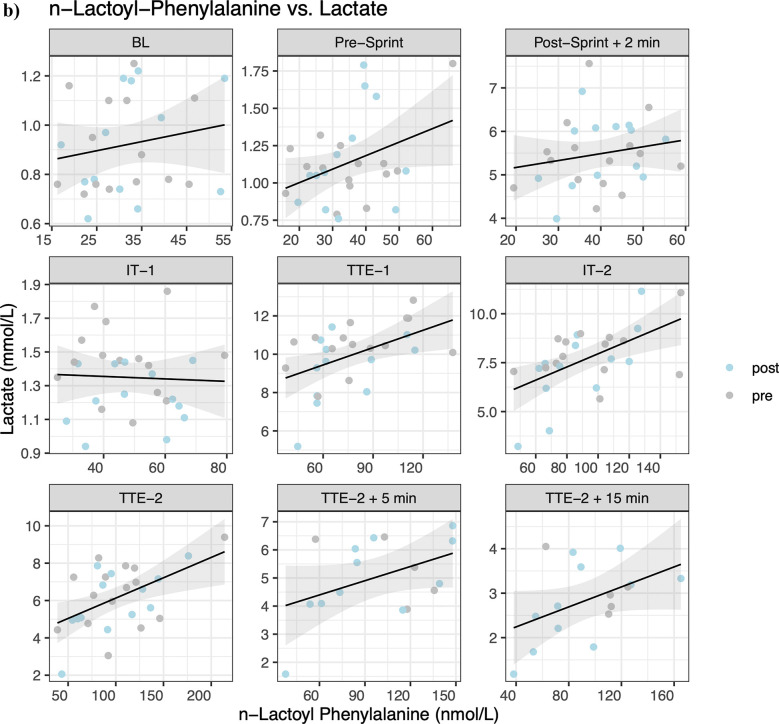 Figure 5
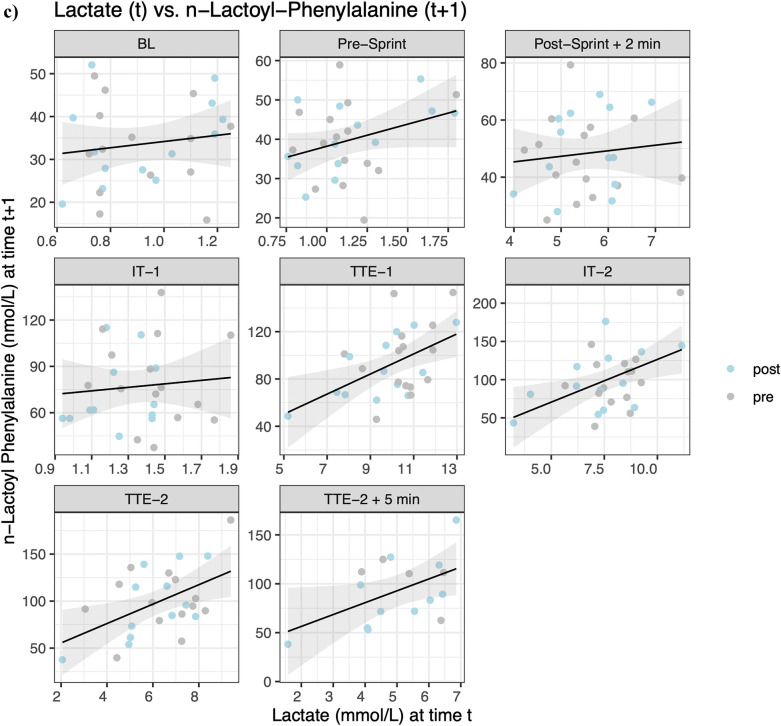 Figure 6
Peer Reviews
No public reviews on file for this paper yet. If you reviewed it on a platform where reviews are public (OpenReview, ICLR, NeurIPS, ICML), you can paste yours below so the community can read it here.
Videos
No videos yet. Explain this paper in a talk, walkthrough, or lecture? Add one.
Taxonomy
TopicsMuscle metabolism and nutrition · Hormonal and reproductive studies · Exercise and Physiological Responses