Integrated control of cancer stemness by σ1 receptor in advanced prostate cancer
Gianluca Civenni, Giada Sandrini, Jessica Merulla, Carola Musumeci, Elisa Federici, Arianna Vallegra, Aleksandra Kokanovic, Simone Mosole, Dheeraj Shinde, Elisa Sorrenti, Alyssa J. J. Paganoni, Martina Marchetti, Riccardo Valzelli, Domenico Albino, Matteo Pecoraro

TL;DR
This study shows that the σ1 receptor helps control cancer stem cells in advanced prostate cancer by regulating mitochondria and signaling pathways.
Contribution
The study identifies a novel role of σ1 receptor in regulating cancer stem cell function through mitochondrial and β-catenin signaling.
Findings
σ1 receptor controls cancer stem cell self-renewal and tumorigenicity via mitochondrial dynamics and nuclear signaling.
Inhibiting σ1 receptor disrupts mitochondrial homeostasis and reduces tumorigenic potential of cancer stem cells.
Clinical data show σ1 receptor and β-catenin are highly correlated in metastatic prostate cancer samples.
Abstract
Cancer stem cells (CSCs) are pervasively present in human cancers and have a fundamental role in treatment failure and disease recurrence. Identifying critical elements that sustain the CSC phenotype may lead to novel strategies for cancer treatment. Here, we provide evidence of an essential link between the σ1 receptor (σ1R), a ligand-regulated chaperone protein residing preferentially at the endoplasmic reticulum-mitochondria contact sites, and CSCs in castration-resistant prostate cancers (CRPCs). Integrating functional assays in multiple preclinical models with transcriptomic and proteomic data, we found that σ1R controls CSC self-renewal capacity and tumorigenic proficiency by coordinating mitochondrial dynamics and mitochondrial-nuclear signaling. Inhibiting σ1R with synthetic antagonists and RNA interference led to the progressive exhaustion and loss of tumorigenicity of the CSC…
Genes, proteins, chemicals, diseases, species, mutations and cell lines named across the full text — each resolved to its canonical identifier and authoritative record.
Click any figure to enlarge with its caption.
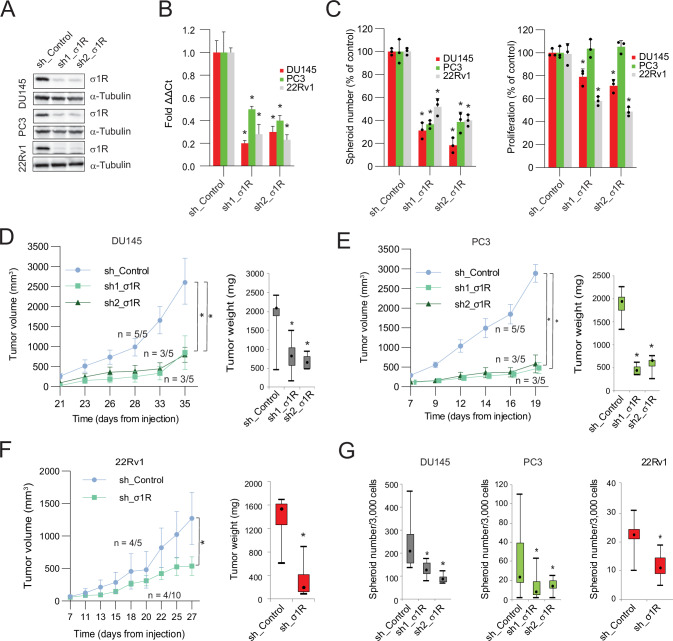 Figure 1
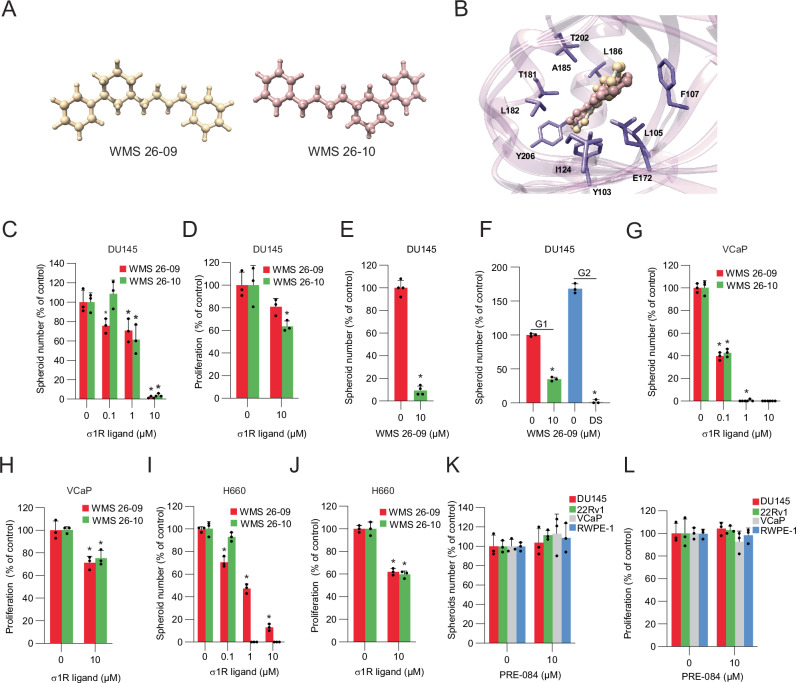 Figure 2
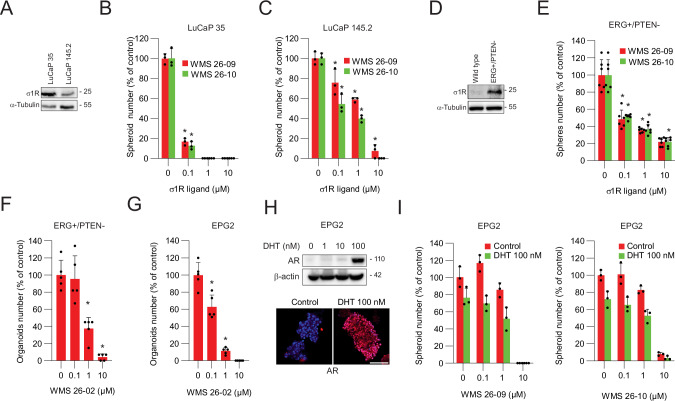 Figure 3
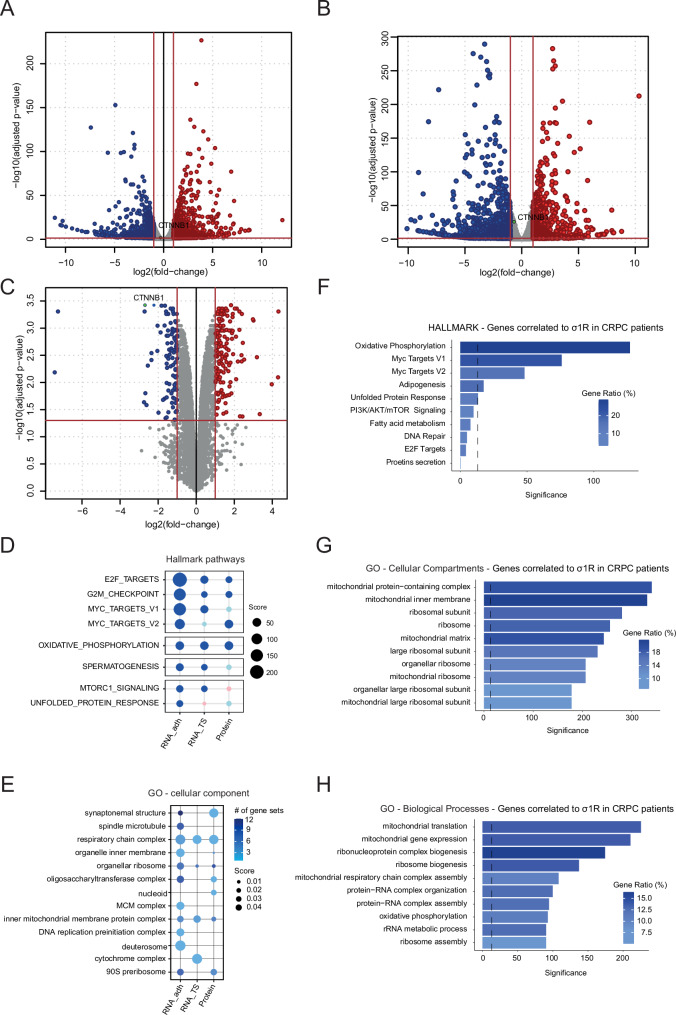 Figure 4
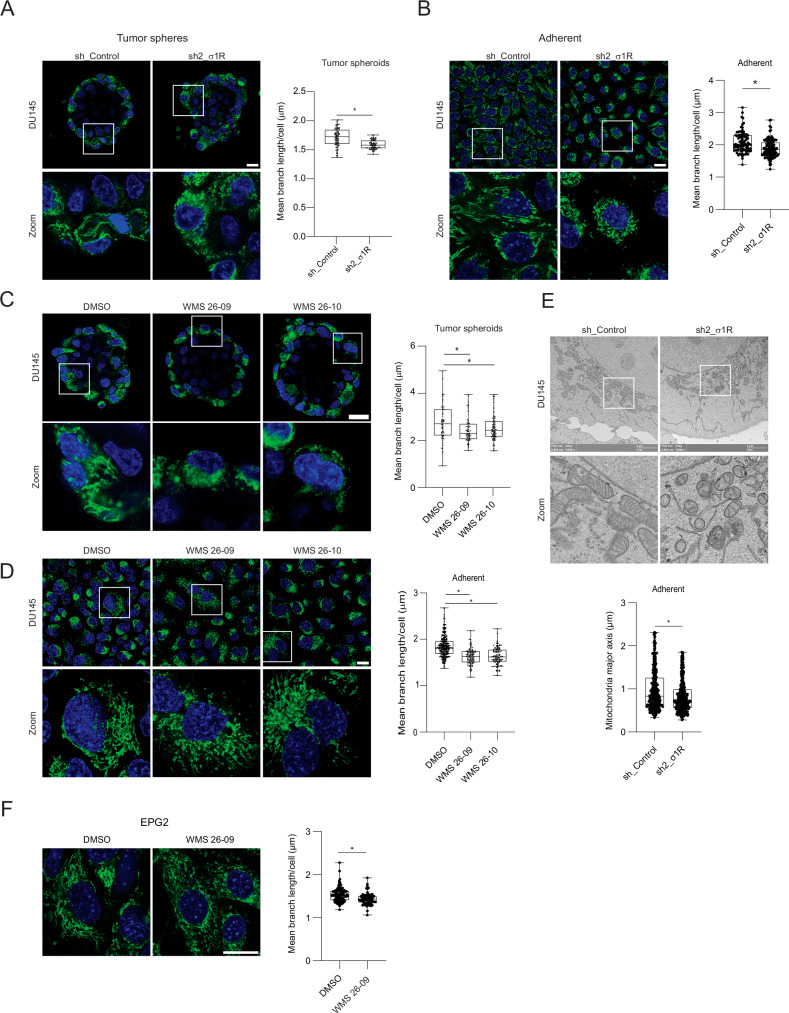 Figure 5
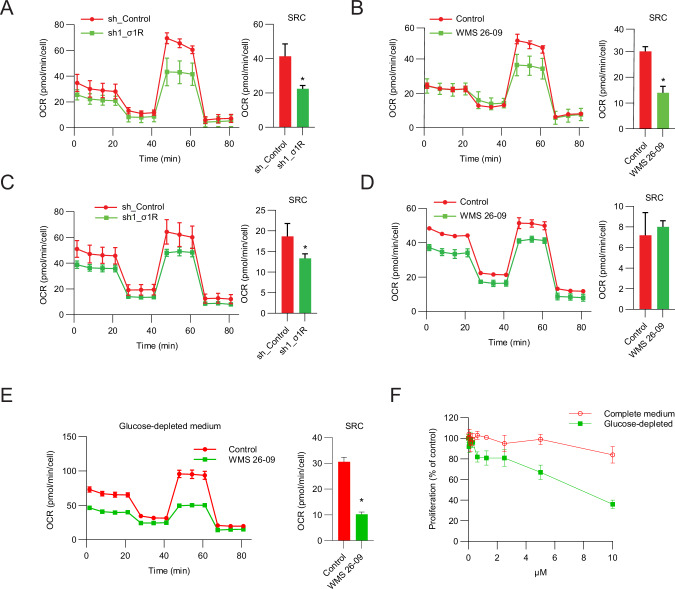 Figure 6
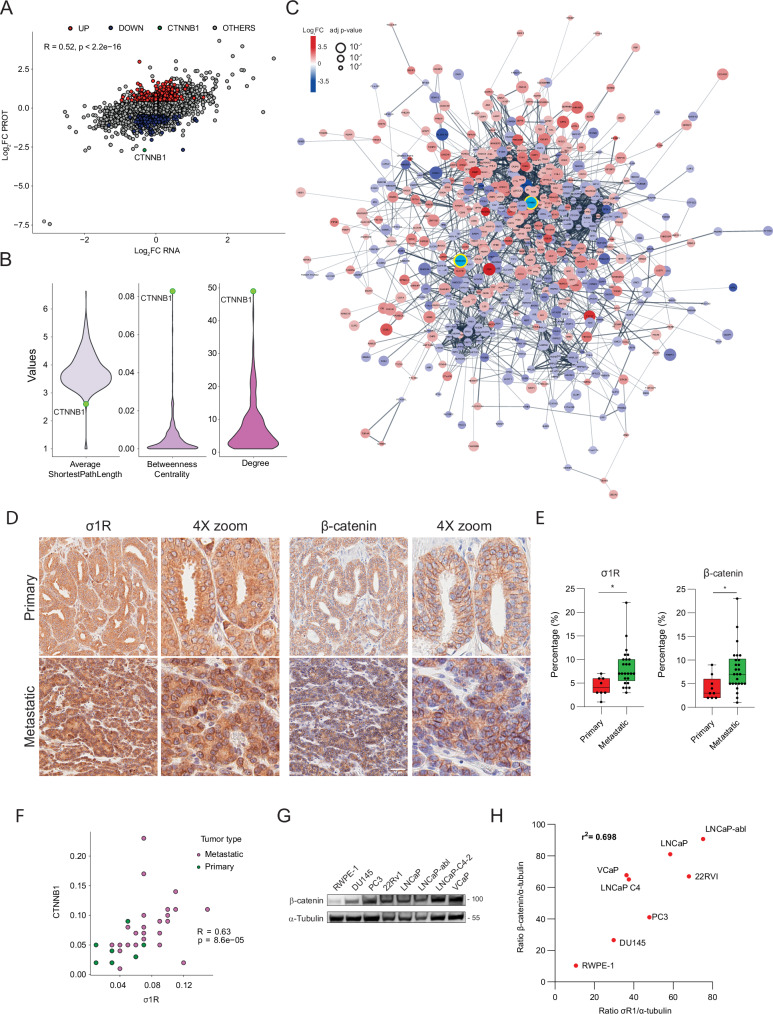 Figure 7
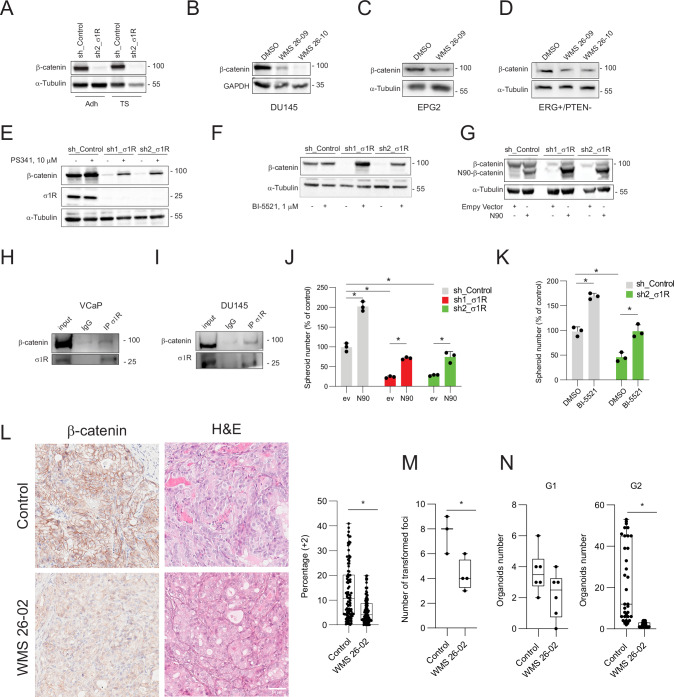 Figure 8
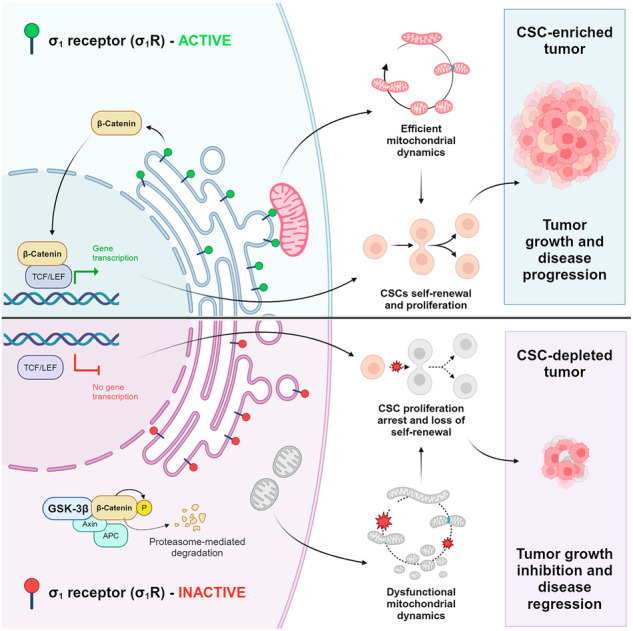 Figure 9
Peer Reviews
No public reviews on file for this paper yet. If you reviewed it on a platform where reviews are public (OpenReview, ICLR, NeurIPS, ICML), you can paste yours below so the community can read it here.
Videos
No videos yet. Explain this paper in a talk, walkthrough, or lecture? Add one.
Taxonomy
TopicsPharmacological Receptor Mechanisms and Effects · Neuropeptides and Animal Physiology · Receptor Mechanisms and Signaling