hafoe: an interactive tool for the analysis of chimeric AAV libraries after random mutagenesis
Tatevik Jalatyan, Erik Aznauryan, Rokib Hasan, Valeri Vardanyan, Stepan Nersisyan, David B. Thompson, Noah Davidsohn, Sanya Thomas, Simon van Haren, Jenny Tam, Denitsa Milanova, George M. Church, Lilit Nersisyan

TL;DR
hafoe is a user-friendly tool for analyzing chimeric AAV libraries, helping identify effective variants for gene therapy and vaccine development.
Contribution
hafoe introduces an accessible computational method for analyzing chimeric AAV libraries with high accuracy in identifying parental serotype compositions.
Findings
hafoe achieves 96.3% to 97.5% accuracy in identifying parental serotype compositions in synthetic datasets.
hafoe successfully identified enriched AAV variants in human and canine tissues for potential therapeutic use.
The tool supports rational design of AAV vectors based on capsid gene preferences in target tissues.
Abstract
Naturally occurring adeno-associated viruses (AAVs) are an integral part of gene therapy, yet engineering novel AAV variants is necessary to expand targetable tissues and treatable diseases. Directed evolution, particularly through DNA shuffling of the capsid genes of wild-type AAV serotypes, is a widely employed strategy to generate novel chimeric variants with desired properties. Yet, the computational analysis of such chimeric sequences presents challenges. We introduce hafoe, a novel computational tool designed for the exploratory analysis of chimeric AAV libraries, which does not require extensive bioinformatics expertise. hafoe accurately deciphers the serotype composition and enrichment patterns of chimeric AAV variants across different tissues. Validation against synthetic datasets demonstrates that hafoe identifies parental serotype compositions with an accuracy of 96.3% to…
Genes, proteins, chemicals, diseases, species, mutations and cell lines named across the full text — each resolved to its canonical identifier and authoritative record.
Click any figure to enlarge with its caption.
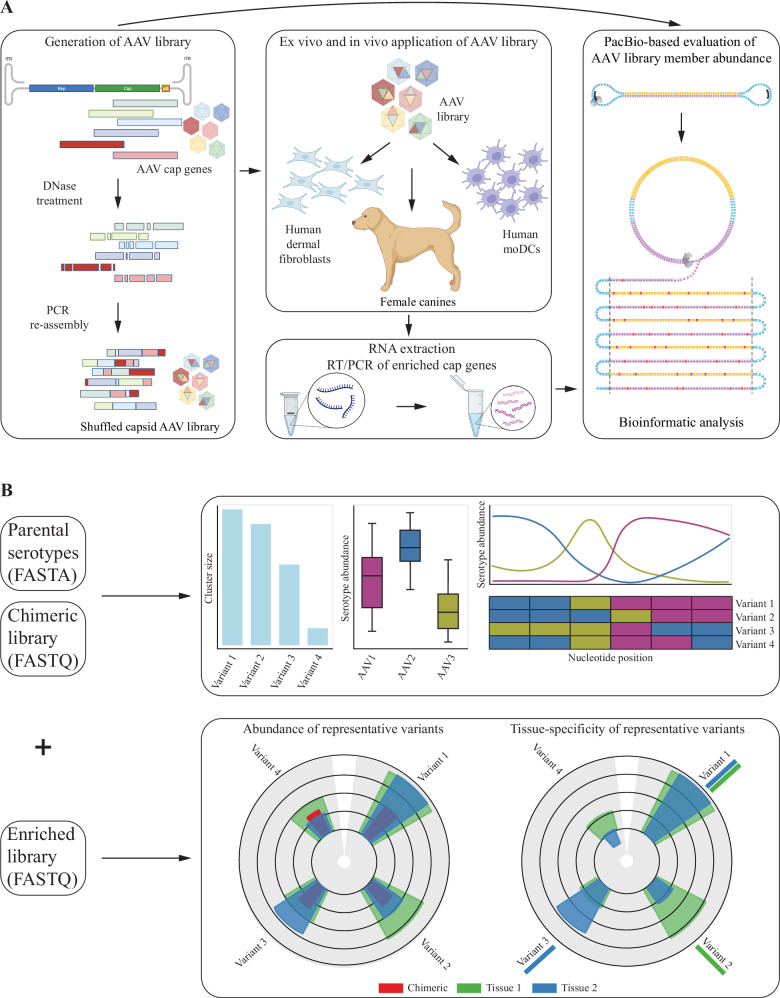 Figure 1
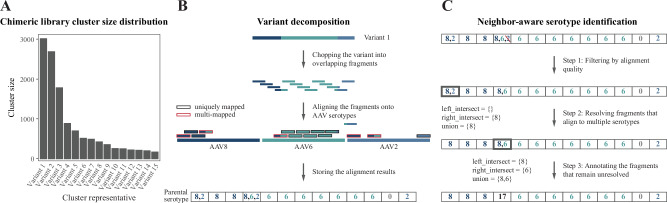 Figure 2
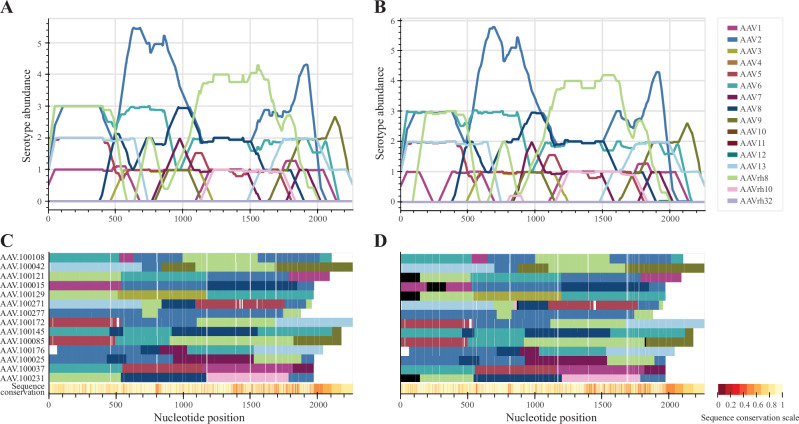 Figure 3
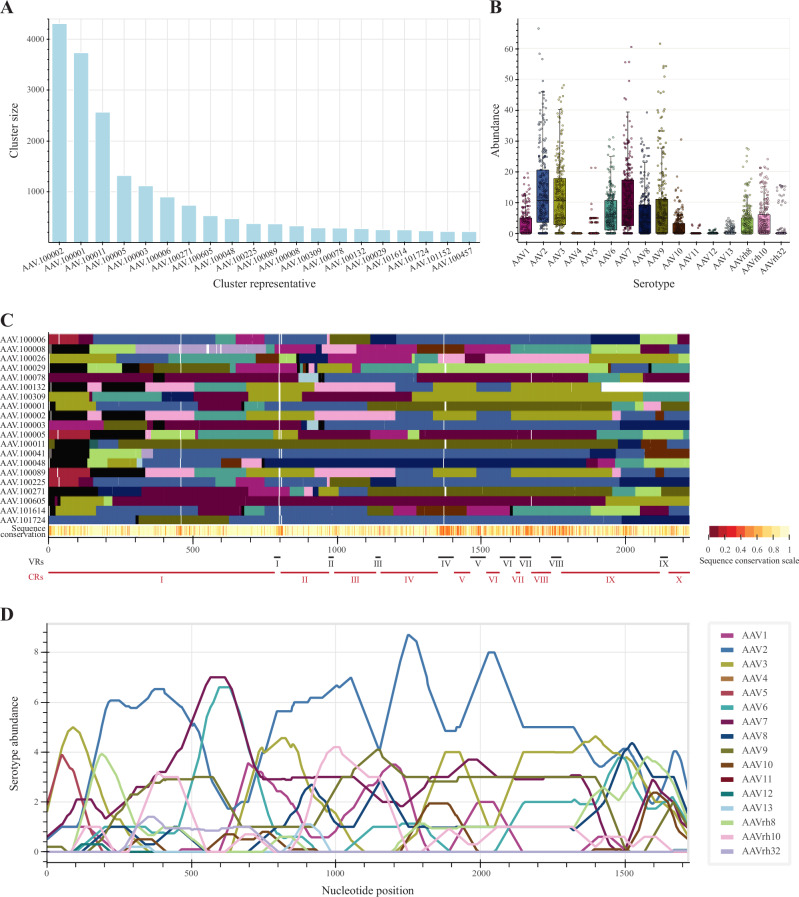 Figure 4
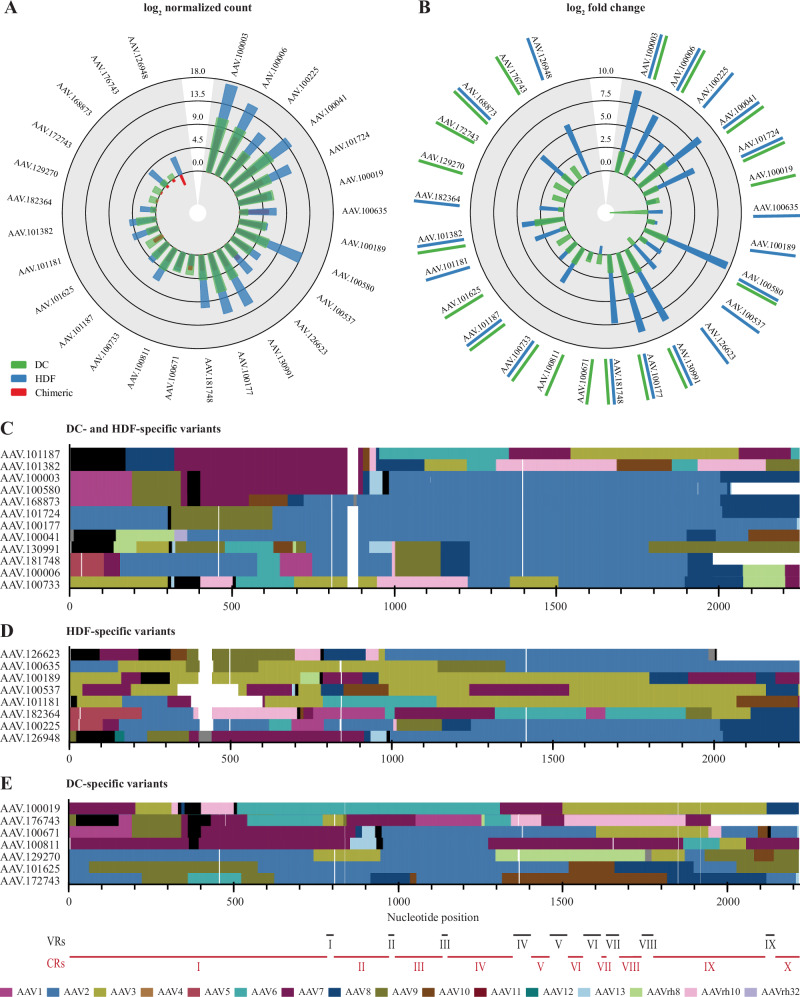 Figure 5
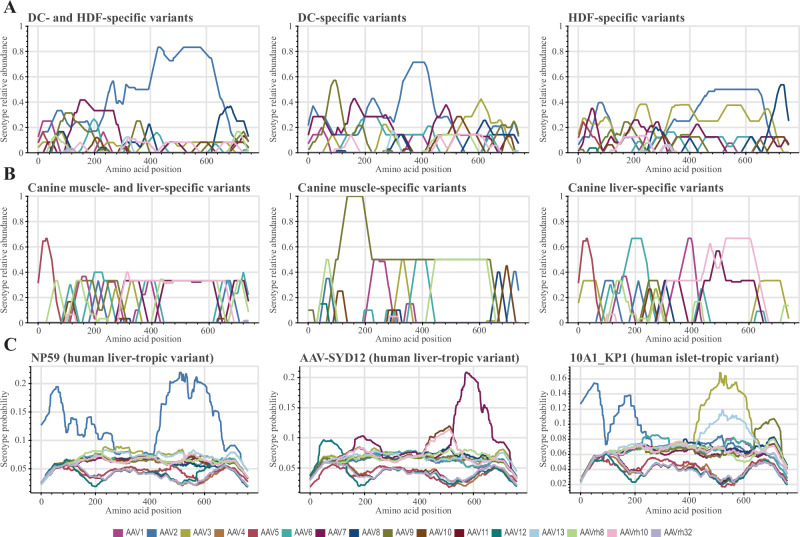 Figure 6
Peer Reviews
No public reviews on file for this paper yet. If you reviewed it on a platform where reviews are public (OpenReview, ICLR, NeurIPS, ICML), you can paste yours below so the community can read it here.
Videos
No videos yet. Explain this paper in a talk, walkthrough, or lecture? Add one.
Taxonomy
TopicsVirus-based gene therapy research · Viral Infectious Diseases and Gene Expression in Insects · CRISPR and Genetic Engineering