The replication protein of duck circovirus unwinds dsDNA in an ATP-driven and metal ion-dependent manner from 3′ to 5′
Lihan Tao, Chengcheng Wu, Na Li, Cui Lin, Jia Tan, Jianzhen Huang

TL;DR
This study reveals how the replication protein of duck circovirus unwinds DNA using ATP and metal ions, providing insights for developing antiviral treatments.
Contribution
The study is the first to characterize the ATP-driven and metal-dependent unwinding activity of the duck circovirus replication protein.
Findings
Rep unwinds dsDNA in a 3′ to 5′ direction using ATP and is influenced by metal ion type and concentration.
Rep requires a 3′-overhang of at least 1 nucleotide for unwinding activity, with efficiency increasing with longer overhangs.
NTPs can replace ATP for unwinding, but analogs and hydrolysates cannot.
Abstract
Duck circovirus (DuCV) causes immunosuppression, co-infection and increased mortality in ducks, and the prevalence and infection rate of DuCV have risen in recent years, resulting in significant economic losses to the duck industry. Studying the mechanism of virus replication is particularly important for controlling DuCV infection. The replication protein (Rep) encoded by the DuCV genome is a highly conserved enzyme and plays key roles in viral replication, making it an ideal target for antiviral drugs. However, the biochemical characteristics of DuCV Rep were still unknown. Here, we utilized the prokaryotic expression system to express the Rep, and the protein was purified and identified. Then, Rep’s activities and their influencing factors were explored by a series of experiments in vitro. The results showed that Rep had the enzyme concentration-dependent ATPase and unwinding…
Genes, proteins, chemicals, diseases, species, mutations and cell lines named across the full text — each resolved to its canonical identifier and authoritative record.
Click any figure to enlarge with its caption.
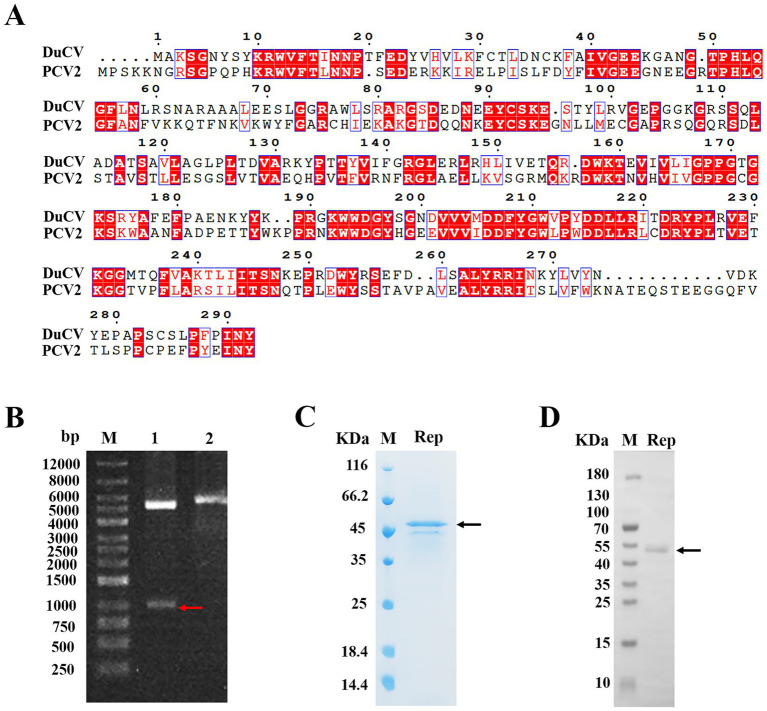 Figure 1
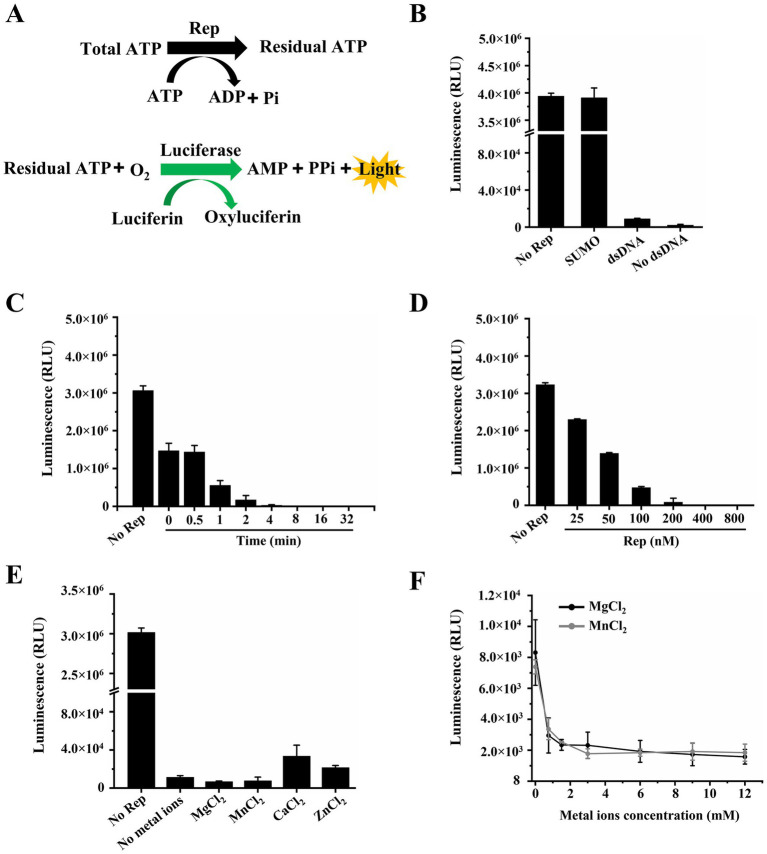 Figure 2
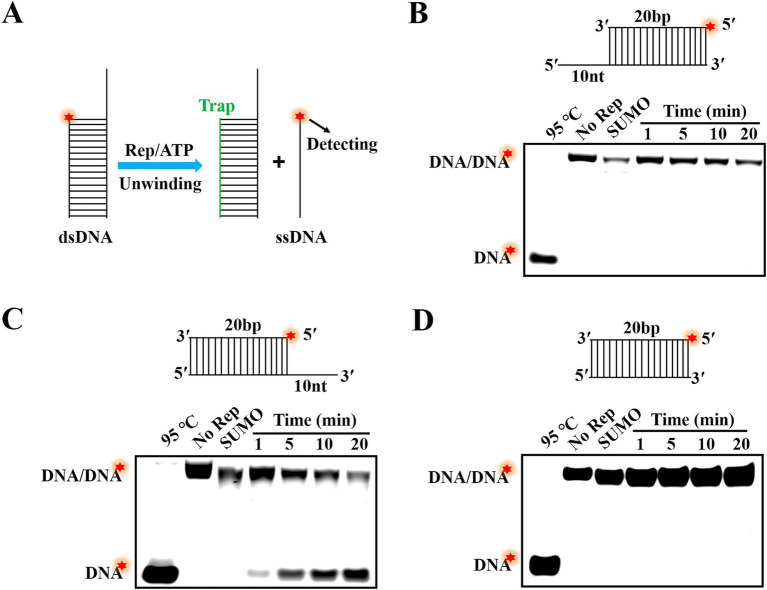 Figure 3
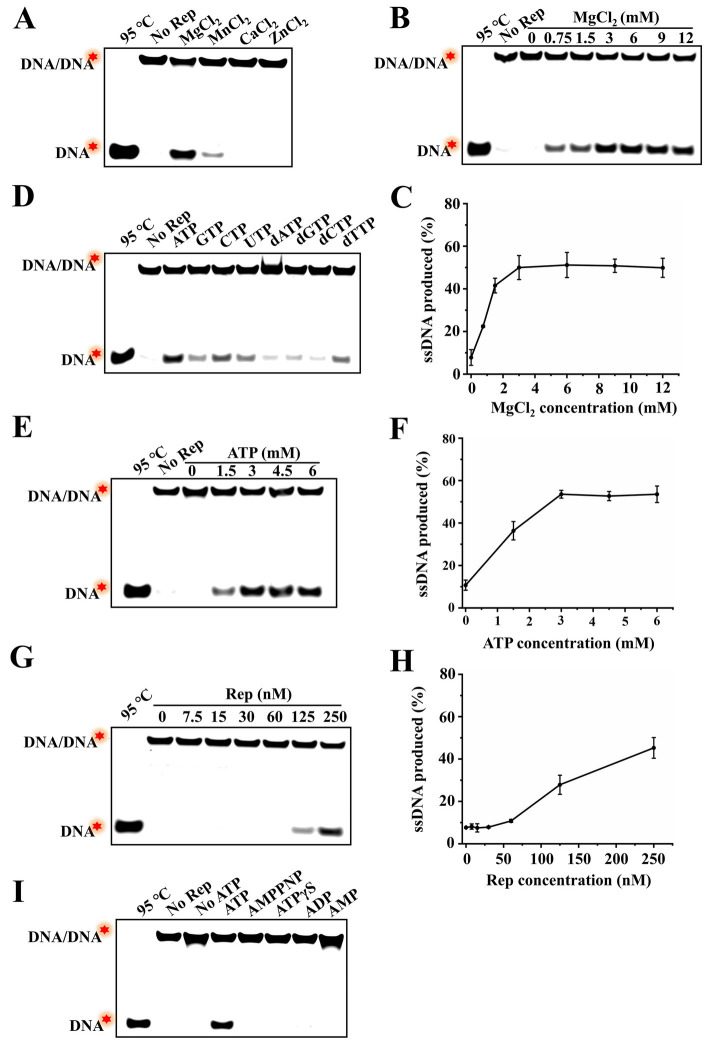 Figure 4
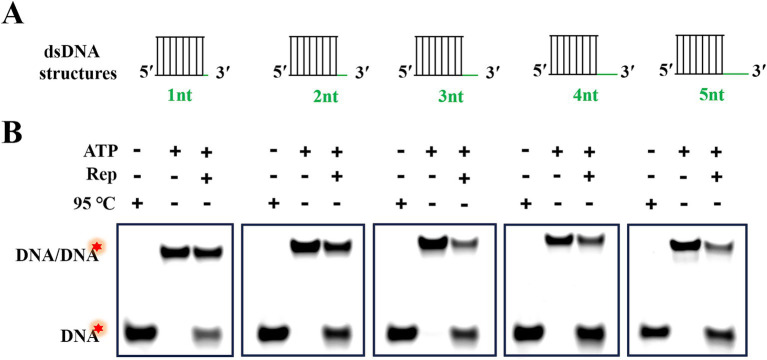 Figure 5
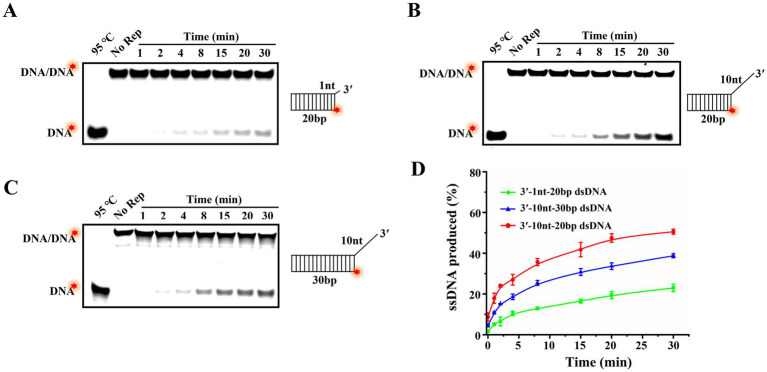 Figure 6
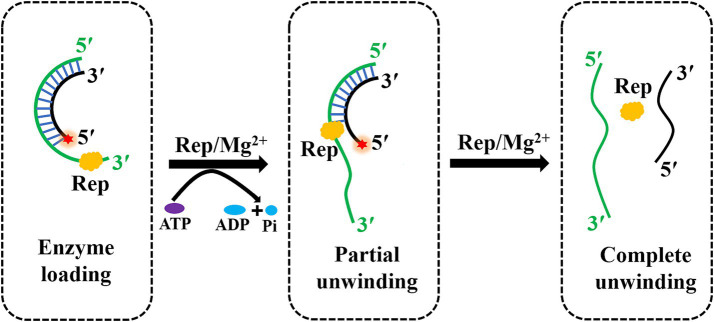 Figure 7
Peer Reviews
No public reviews on file for this paper yet. If you reviewed it on a platform where reviews are public (OpenReview, ICLR, NeurIPS, ICML), you can paste yours below so the community can read it here.
Videos
No videos yet. Explain this paper in a talk, walkthrough, or lecture? Add one.
Taxonomy
TopicsAnimal Virus Infections Studies · RNA Interference and Gene Delivery · Viral Infections and Immunology Research