FKBP5-CCL5 interaction promotes neuroinflammation and neuronal apoptosis in ischemic stroke by regulating the MAPK pathway and enhancing NET formation
Zhongchen Li, Tengkun Yin, Hongyang Guo, Zhenxing Liu, Peijian Wang, Chao Liu, Qingbo Wang, Meng Zhang, Yilei Xiao, Jiyue Wang, Jiheng Hao, Liyong Zhang

TL;DR
This study shows that FKBP5 and CCL5 interaction worsens brain injury in stroke by boosting inflammation and cell death through the MAPK pathway and NET formation.
Contribution
The study reveals a novel mechanism involving FKBP5-CCL5 interaction in promoting neuroinflammation and neuronal apoptosis via the MAPK pathway and NET formation in ischemic stroke.
Findings
FKBP5 upregulation in stroke patients correlates with increased NET markers and disease severity.
Inhibiting NETs with CI-amidine reduced brain injury and infarct size in a mouse stroke model.
FKBP5 promotes M1 microglial polarization and pro-inflammatory cytokine production via CCL5 and the MAPK pathway.
Abstract
The pathophysiology of ischemic stroke is not fully elucidated. Upregulation of FKBP5 in brain ischemia/reperfusion injury has been found to be associated with the severity of ischemic and reperfusion damage. However, its specific role in ischemic stroke progression remains unclear. A total of 40 ischemic stroke patients and 40 age- and sex-matched healthy donors (HDs) were enrolled in this work to evaluate the expression of FKBP5, the formation of neutrophil extracellular trap (NET), and the correlation between NET and stroke. Moreover, transient middle cerebral artery occlusion (tMCAO) mouse model with 60 min occlusion (n = 15/group) was treated with CI-amidine to demonstrate the effect of NET on the stroke-related brain injury. Primary neurons were isolated from mouse brain tissue to evaluated the effect of NET on neuronal apoptosis through flow cytometry the TUNEL assays. In…
Genes, proteins, chemicals, diseases, species, mutations and cell lines named across the full text — each resolved to its canonical identifier and authoritative record.
Click any figure to enlarge with its caption.
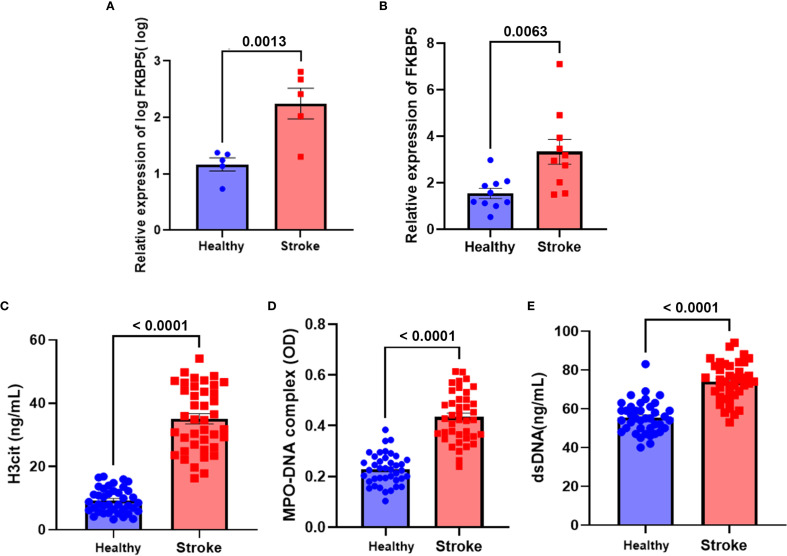 Figure 1
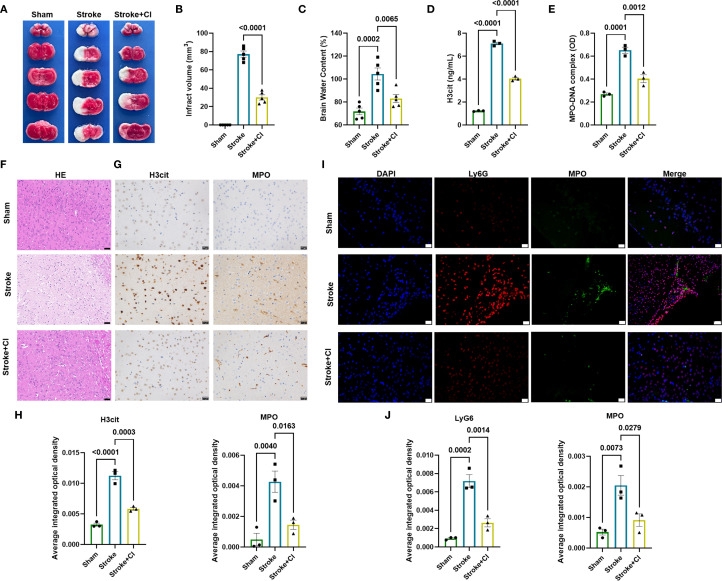 Figure 2
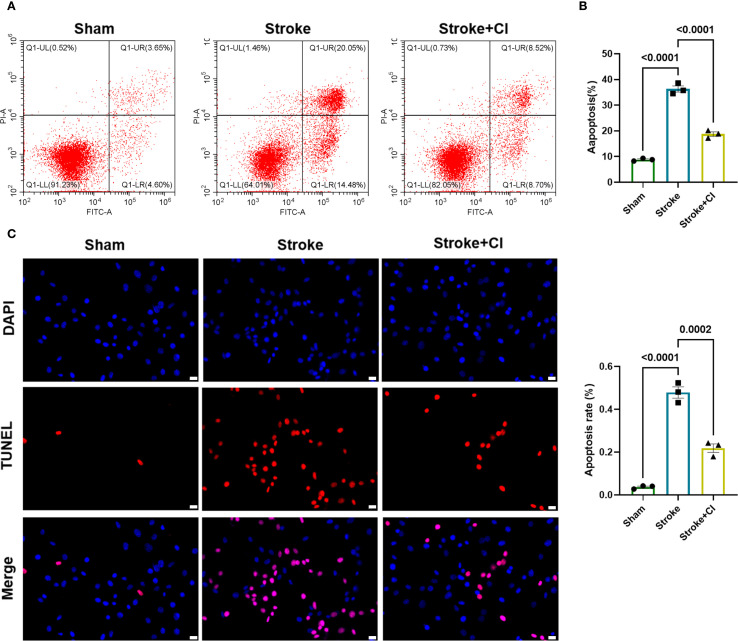 Figure 3
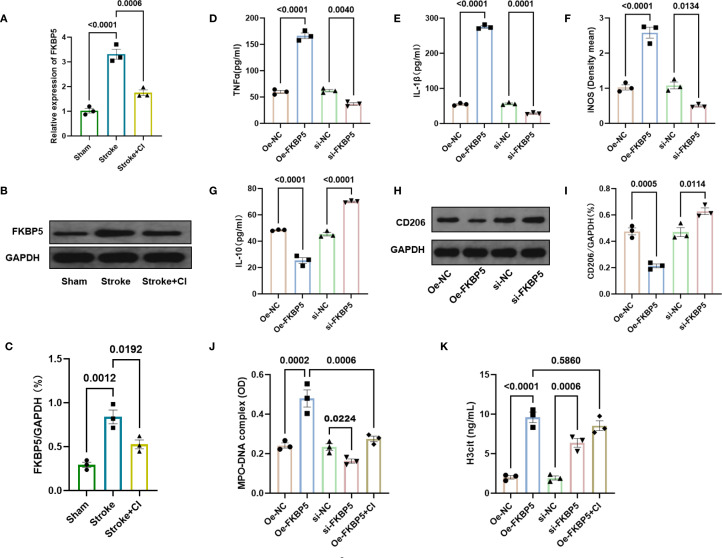 Figure 4
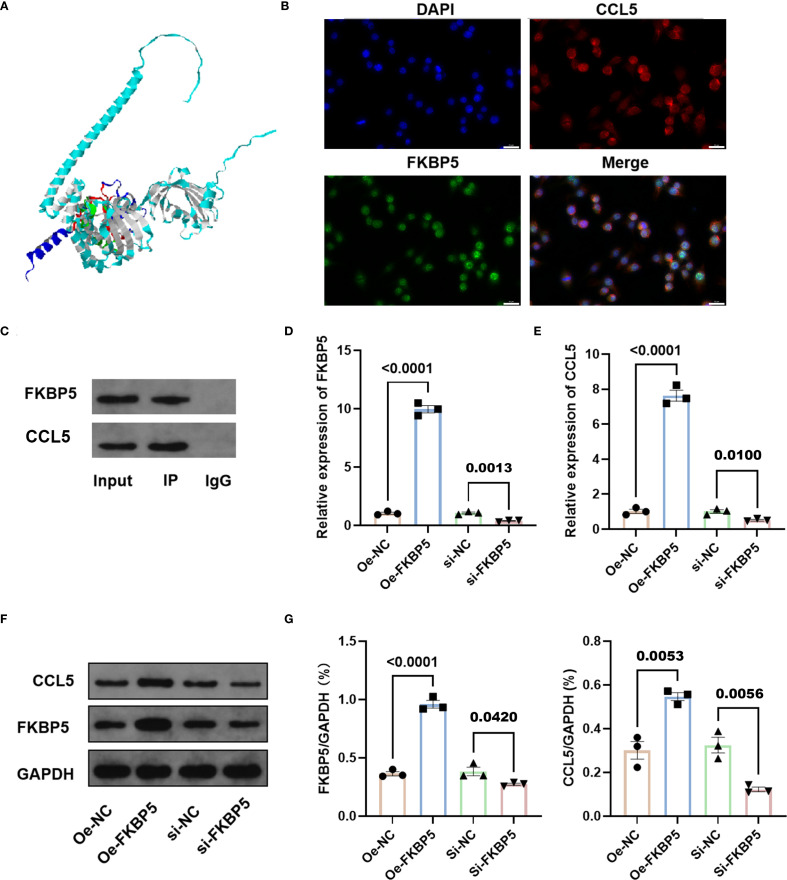 Figure 5
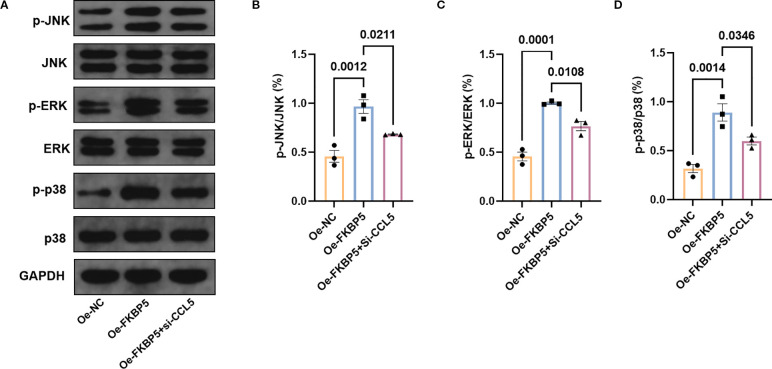 Figure 6
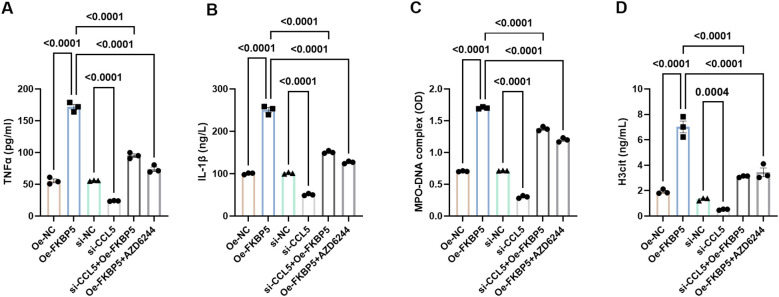 Figure 7
Peer Reviews
No public reviews on file for this paper yet. If you reviewed it on a platform where reviews are public (OpenReview, ICLR, NeurIPS, ICML), you can paste yours below so the community can read it here.
Videos
No videos yet. Explain this paper in a talk, walkthrough, or lecture? Add one.
Taxonomy
TopicsNeuroinflammation and Neurodegeneration Mechanisms · Neutrophil, Myeloperoxidase and Oxidative Mechanisms · S100 Proteins and Annexins