Molecular Investigation of the p28 Gene of Ehrlichia canis in Infected Dogs From Ho Chi Minh City, Vietnam
Nguyen Thi Lieu Kieu, Chien Tran Phuoc Nguyen, Tran Thi Thao, Tran Ngoc Bich

TL;DR
This study analyzes the p28 gene of Ehrlichia canis in infected dogs from Vietnam, revealing genetic patterns and variability that could help improve diagnostics and vaccines.
Contribution
The study provides the first detailed molecular characterization of the p28 gene in E. canis from Vietnam.
Findings
48.19% of 83 canine blood samples tested positive for both 16S rRNA and p28 genes.
Vietnamese E. canis strains clustered within clade 3 with 97%–100% nucleotide identity to global references.
Entropy analysis identified 50 high-variability nucleotide sites and 20 amino acid positions, including a substitution at position 145.
Abstract
Ehrlichia canis (E. canis) is a tick-borne, obligate intracellular bacterium that causes canine monocytic ehrlichiosis (CME), a widely distributed infectious disease in dogs with variable clinical severity. While the 16S rRNA gene has been commonly used for detection, limited data are available on the genetic diversity of the immunogenic p28 outer membrane protein gene, particularly in Southeast Asia. Eighty-three canine blood samples were collected from various districts in Ho Chi Minh City, Vietnam, and screened using polymerase chain reaction (PCR) assays targeting the 16S rRNA and p28 genes. Ten representative p28-positive samples were selected for Sanger sequencing. Phylogenetic relationships were inferred using the maximum likelihood method. Genetic variability was assessed through nucleotide and amino acid entropy analysis. Of the 83 samples, 40 (48.19%) were positive for both…
Genes, proteins, chemicals, diseases, species, mutations and cell lines named across the full text — each resolved to its canonical identifier and authoritative record.
Click any figure to enlarge with its caption.
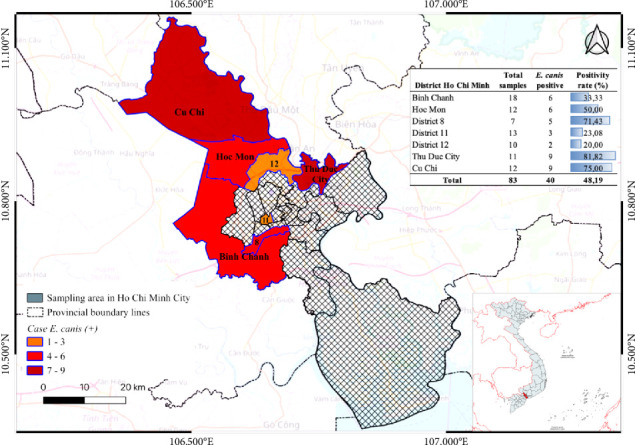 Figure 1
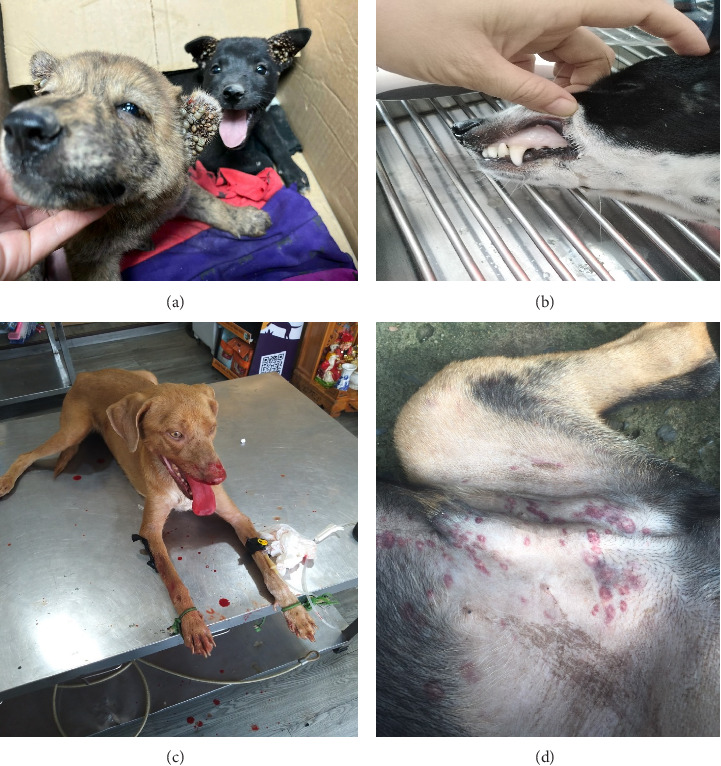 Figure 2
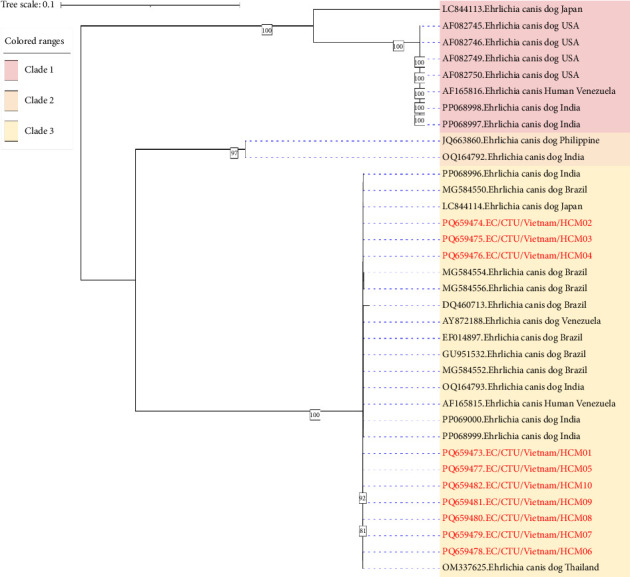 Figure 3
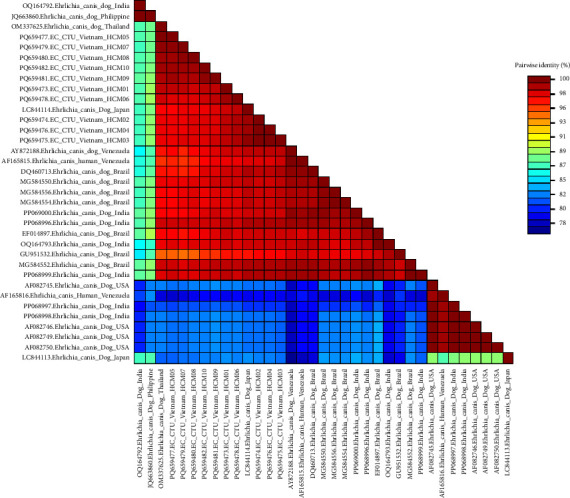 Figure 4
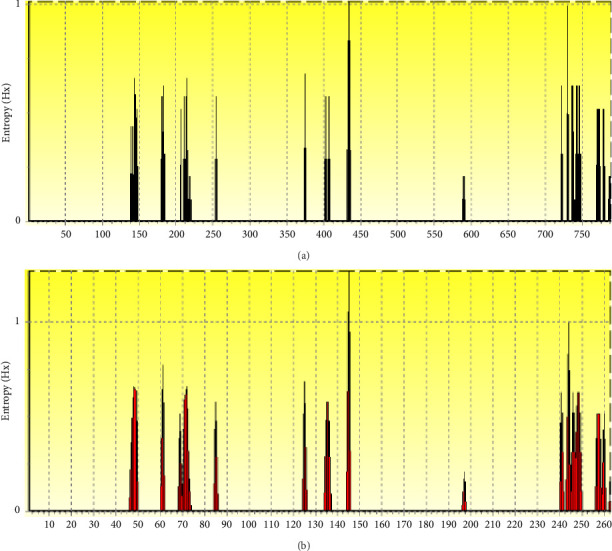 Figure 5
Peer Reviews
No public reviews on file for this paper yet. If you reviewed it on a platform where reviews are public (OpenReview, ICLR, NeurIPS, ICML), you can paste yours below so the community can read it here.
Videos
No videos yet. Explain this paper in a talk, walkthrough, or lecture? Add one.
Taxonomy
TopicsVector-borne infectious diseases · Herpesvirus Infections and Treatments · Microbial infections and disease research