Retro-Appendicular Internal Hernia: A Rare Cause of Small Bowel Obstruction
Jade Heinicke, Jean-Marc Heinicke

TL;DR
A rare case of retro-appendicular internal hernia causing bowel obstruction is reported in a patient with no prior abdominal surgery.
Contribution
Highlights a rare anatomical variant and emphasizes the importance of early diagnosis in atypical presentations.
Findings
Retro-appendicular internal hernia can occur without prior abdominal surgery.
CT imaging and laparoscopy confirmed the diagnosis and allowed successful treatment.
Early surgical exploration prevents complications like bowel necrosis.
Abstract
Internal hernias are rare causes of small bowel obstruction and are often difficult to diagnose preoperatively. Retro-appendicular internal hernias are exceedingly rare, with very few reports in the literature. This case is noteworthy for involving a patient with no prior history of abdominal surgery, highlighting an unusual presentation of a retro-appendicular internal hernia. A man in his mid-60s, with no history of abdominal surgery, presented to the emergency department with acute right lower quadrant abdominal pain. Physical examination revealed localized peritonism, and laboratory results were unremarkable. CT showed signs of small bowel distension with segmental hypoperfusion of the bowel loop in the right lower quadrant. Given the clinical presentation of an acute abdomen, the patient underwent exploratory laparoscopy, which revealed a herniation of the small intestine into the…
Genes, proteins, chemicals, diseases, species, mutations and cell lines named across the full text — each resolved to its canonical identifier and authoritative record.
Click any figure to enlarge with its caption.
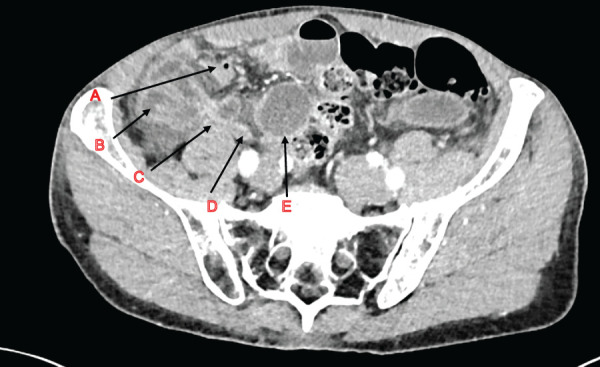 Figure 1
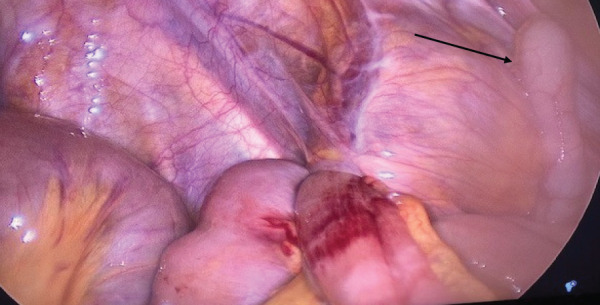 Figure 2
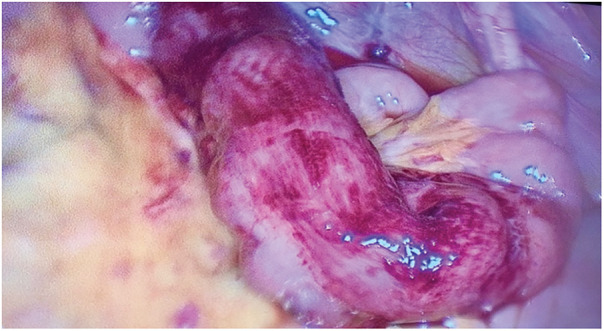 Figure 3
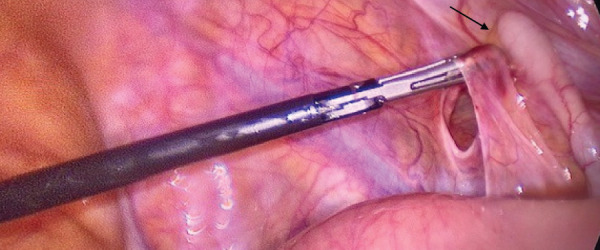 Figure 4
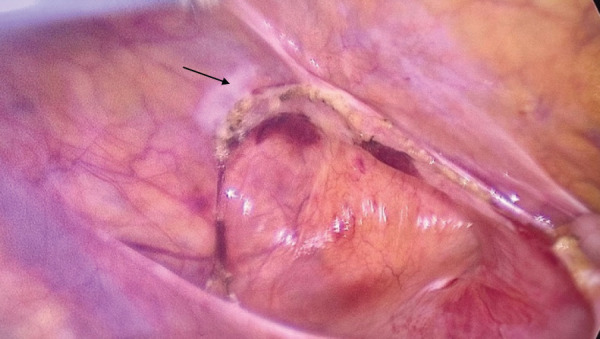 Figure 5
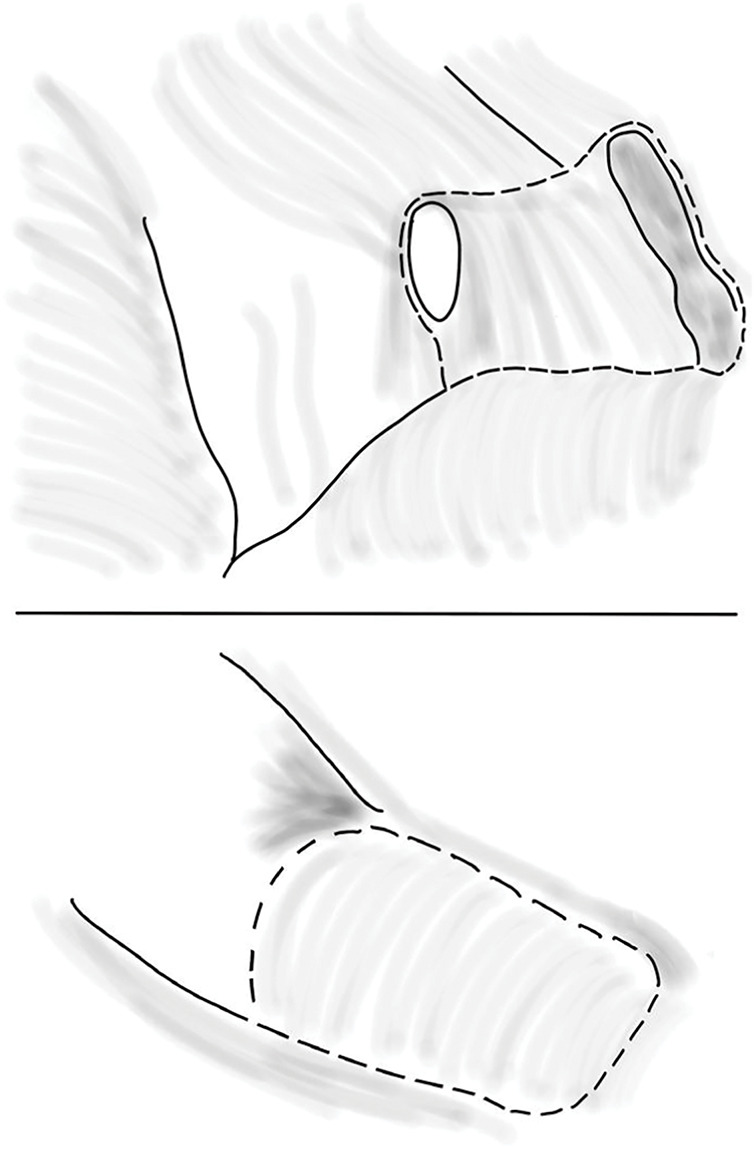 Figure 6
Peer Reviews
No public reviews on file for this paper yet. If you reviewed it on a platform where reviews are public (OpenReview, ICLR, NeurIPS, ICML), you can paste yours below so the community can read it here.
Videos
No videos yet. Explain this paper in a talk, walkthrough, or lecture? Add one.
Taxonomy
TopicsIntestinal and Peritoneal Adhesions · Intraperitoneal and Appendiceal Malignancies