Azelaic Acid in Dermatology: A Review of Its Mechanism of Action
Camilo Mariano-Rodriguez, Pamela Nava-Martinez, Valeria Lyzzete Diaz-Molina

TL;DR
Azelaic acid is a naturally occurring compound used in dermatology, with potential for treating various skin conditions, but its full mechanisms are not yet understood.
Contribution
The paper provides a comprehensive review of azelaic acid's mechanisms of action to guide its clinical use and future research.
Findings
Azelaic acid inhibits tyrosinase, making it effective for hyperpigmentary disorders.
Its therapeutic potential extends to various dermatological conditions due to multiple mechanisms of action.
A clearer understanding of its molecular pathways could lead to new therapeutic applications.
Abstract
Azelaic acid (AzA) is a naturally occurring dicarboxylic acid initially studied for its role in skin hypopigmentation and later developed for treating hyperpigmentary disorders due to its tyrosinase inhibition. Over time, AzA has demonstrated therapeutic potential in various dermatological conditions due to its multifaceted mechanisms of action, which remain not entirely understood. This incomplete understanding represents a significant limitation, as elucidating the molecular and cellular pathways involved may not only optimize its current clinical applications but also facilitate the identification of novel therapeutic indications. A comprehensive review of its mechanisms is therefore essential to support evidence-based use and encourage future research into its broader dermatological potential.
Genes, proteins, chemicals, diseases, species, mutations and cell lines named across the full text — each resolved to its canonical identifier and authoritative record.
Click any figure to enlarge with its caption.
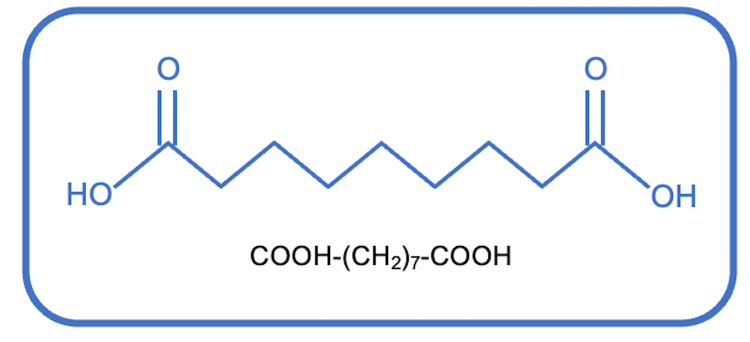 Figure 1
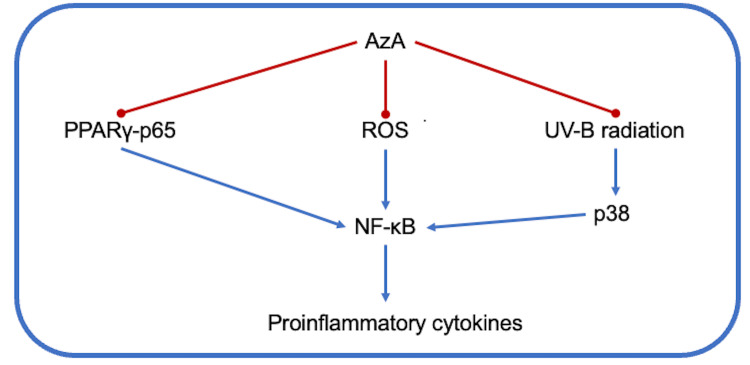 Figure 2
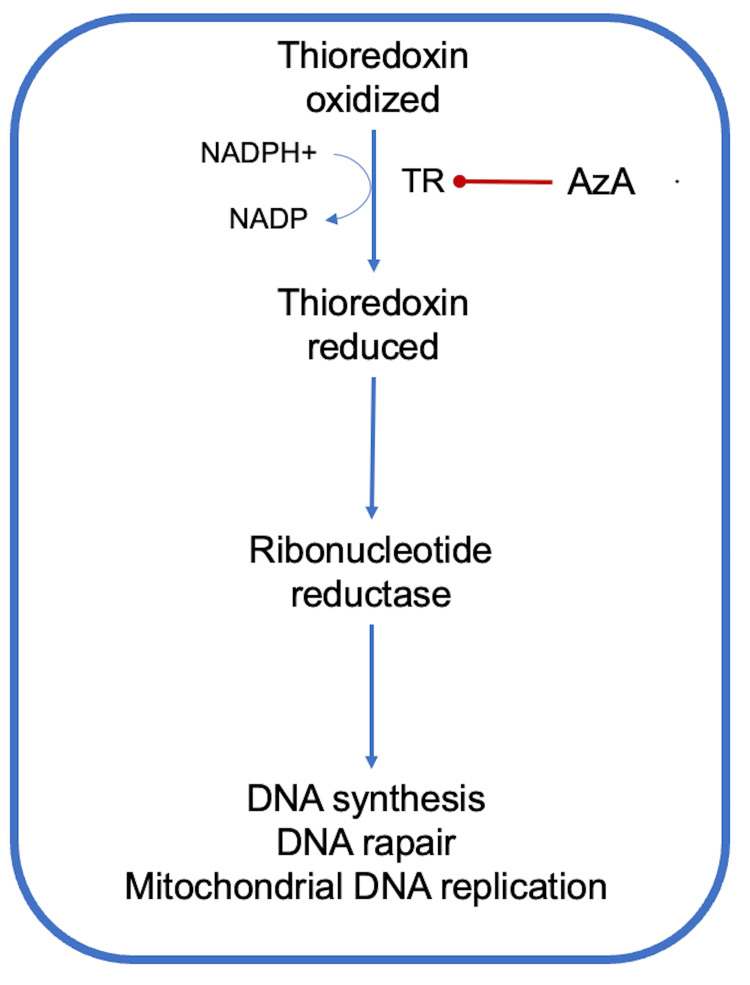 Figure 3
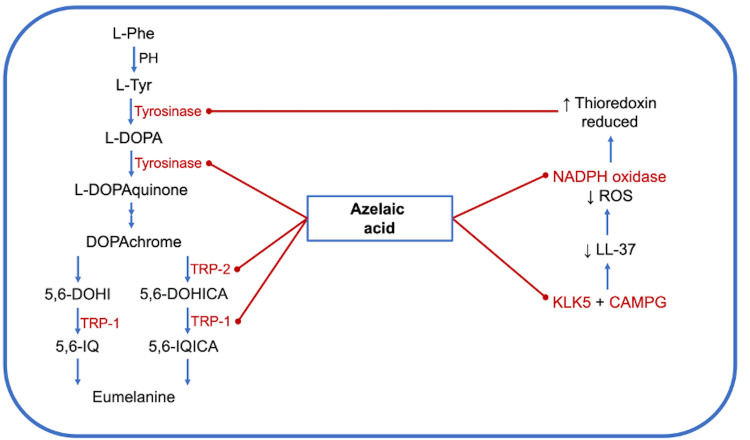 Figure 4
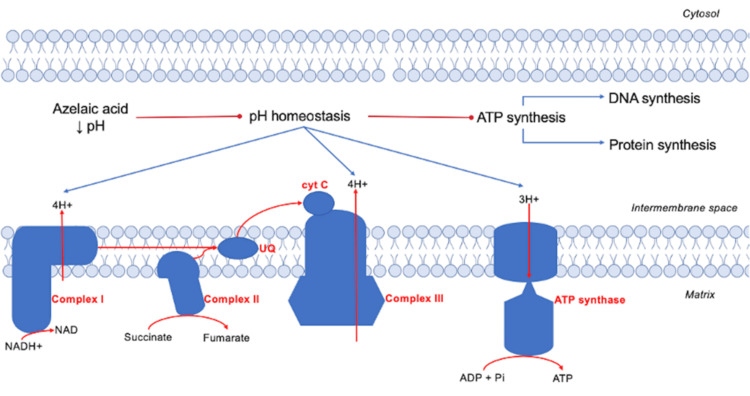 Figure 5
Peer Reviews
No public reviews on file for this paper yet. If you reviewed it on a platform where reviews are public (OpenReview, ICLR, NeurIPS, ICML), you can paste yours below so the community can read it here.
Videos
No videos yet. Explain this paper in a talk, walkthrough, or lecture? Add one.
Taxonomy
TopicsAcne and Rosacea Treatments and Effects · Essential Oils and Antimicrobial Activity · Dermatology and Skin Diseases