PROFILE AND LEARNING CURVE OF BRAZILIAN SURGEONS REGARDING SHOULDER ARTHROSCOPY
GUILHERME VIEIRA LIMA, PAULO SANTORO BELANGERO, RENATO AROCA ZAN, RAFAEL FUCHS LAZARINI, BERNARDO BARCELLOS TERRA, MARCELO CARVALHO KRAUSE GONCALVES, MARIA ISABEL POZZI GUERRA, LUCAS BRAGA JACQUES GONÇALVES, MARCIO DIEGO CASTRO TEIXEIRA, SANDRO DA SILVA REGINALDO

TL;DR
This study explores how many shoulder arthroscopies Brazilian surgeons need to perform to become proficient and reach specialist level.
Contribution
It identifies the number of surgeries needed for proficiency and highlights effective training methods for shoulder arthroscopy.
Findings
Most surgeons believe 31 to 50 arthroscopies are needed to perform safely.
Over 500 arthroscopies are necessary to reach the specialist level.
Acting as lead surgeon and cadaver training are highly rated for effective training.
Abstract
The aim of this study is to investigate the number of surgeries necessary for an orthopedic surgeon specialized in shoulder surgery to become proficient in performing arthroscopy. This is an original article with level V evidence. A cross-sectional study was designed to examine the perspectives of surgeons at various stages of their careers, using an online questionnaire. A total of 251 participants responded. The most prevalent training period was more than 15 years of experience. The proficient level was the most prevalent. In evaluating the number of arthroscopies by proficiency level, all agreed that for the specialist level, a total of over 500 arthroscopies is necessary. Most respondents judged 31 to 50 arthroscopies as necessary to perform safely. According to the methodologies, the best-rated were acting as the lead surgeon and training on cadavers. The study showed that 31…
Genes, proteins, chemicals, diseases, species, mutations and cell lines named across the full text — each resolved to its canonical identifier and authoritative record.
Click any figure to enlarge with its caption.
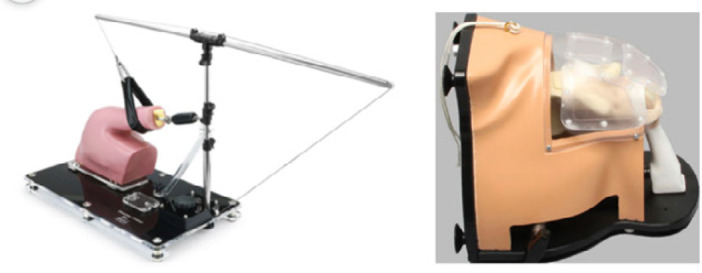 Figure 1
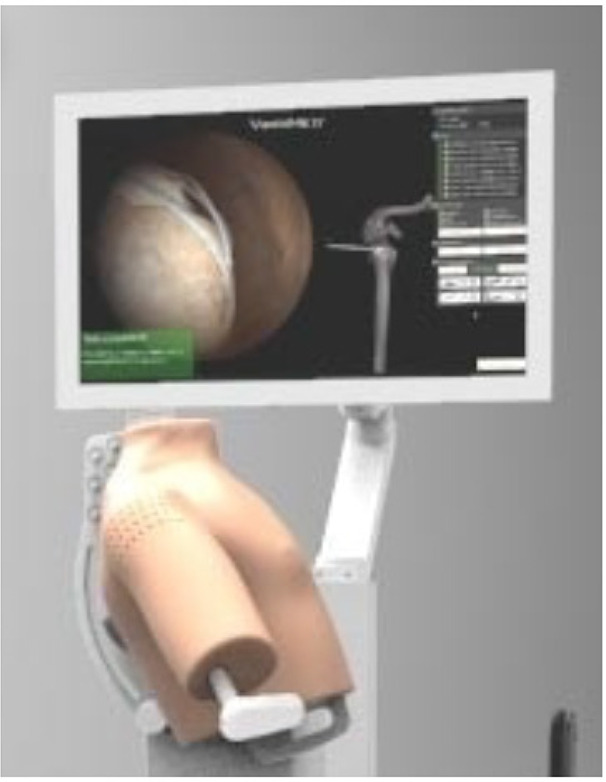 Figure 2
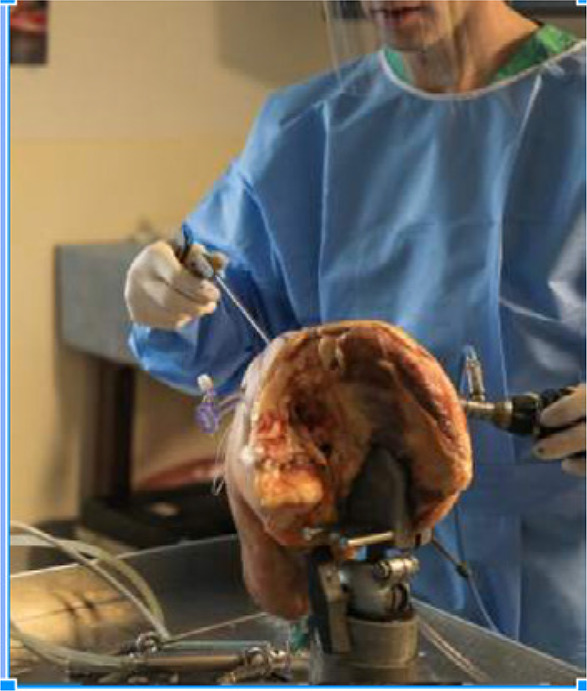 Figure 3
Peer Reviews
No public reviews on file for this paper yet. If you reviewed it on a platform where reviews are public (OpenReview, ICLR, NeurIPS, ICML), you can paste yours below so the community can read it here.
Videos
No videos yet. Explain this paper in a talk, walkthrough, or lecture? Add one.
Taxonomy
TopicsShoulder Injury and Treatment · Shoulder and Clavicle Injuries · Orthopedic Surgery and Rehabilitation