Targeting the AKT/mTOR pathway attenuates the metastatic potential of colorectal carcinoma circulating tumor cells in a murine xenotransplantation model
Daniel J. Smit, Thais Pereira‐Veiga, Helena Brauer, Michael Horn, Paula Nissen, Thomas Mair, Bente Siebels, Hannah Voß, Ruimeng Zhuang, Marie‐Therese Haider, Desiree Loreth, Margarita Iskhakova, Bele Lindemann, Julian Kött, Laure Cayrefourcq, Jasmin Wellbrock, Hartmut Schlüter

TL;DR
Blocking the AKT/mTOR pathway reduces the spread of colorectal cancer by targeting circulating tumor cells in a mouse model.
Contribution
Demonstrates that dual inhibition of AKT and mTOR effectively targets CTCs and reveals unique roles of AKT isoforms in tumor progression.
Findings
Dual AKT/mTOR inhibition with MK2206 and RAD001 reduces tumor burden in a mouse model of colon cancer.
AKT1 and AKT2 knockdowns each reduce CTC proliferation and regulate distinct sets of proteins and phospho-proteins.
AKT1/AKT2 double knockdown disrupts cell cycle and stem cell processes, highlighting non-redundant roles of AKT isoforms.
Abstract
Circulating tumor cells (CTCs) play an important role in metastasis formation. Aberrant signaling of oncogenic pathways (e.g., PI3K/AKT/mTOR pathway) drives tumor progression. In this work, the susceptibility of the colon cancer CTC‐derived cell line CTC‐MCC‐41 to AKT and mammalian target of rapamycin (mTOR) inhibitors was evaluated. Additionally, the functional role of the expressed AKT isoforms was characterized in this cell line. The efficacy of the AKT inhibitor MK2206, the mTOR inhibitor RAD001, and the combination was examined in CTC‐MCC‐41 cells in a murine intracardiac xenotransplantation model. Furthermore, stable isoform‐specific AKT1 or AKT2 knockdowns (KDs) as well as AKT1/AKT2 double‐KD cells were generated. Differentially regulated proteins and phospho‐peptides were identified using liquid chromatography coupled mass spectrometry (LC–MS). CTC‐MCC‐41 cells showed a high…
Genes, proteins, chemicals, diseases, species, mutations and cell lines named across the full text — each resolved to its canonical identifier and authoritative record.
Click any figure to enlarge with its caption.
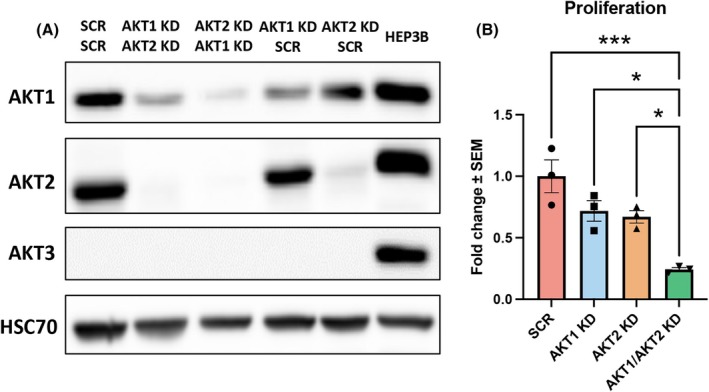 Figure 1
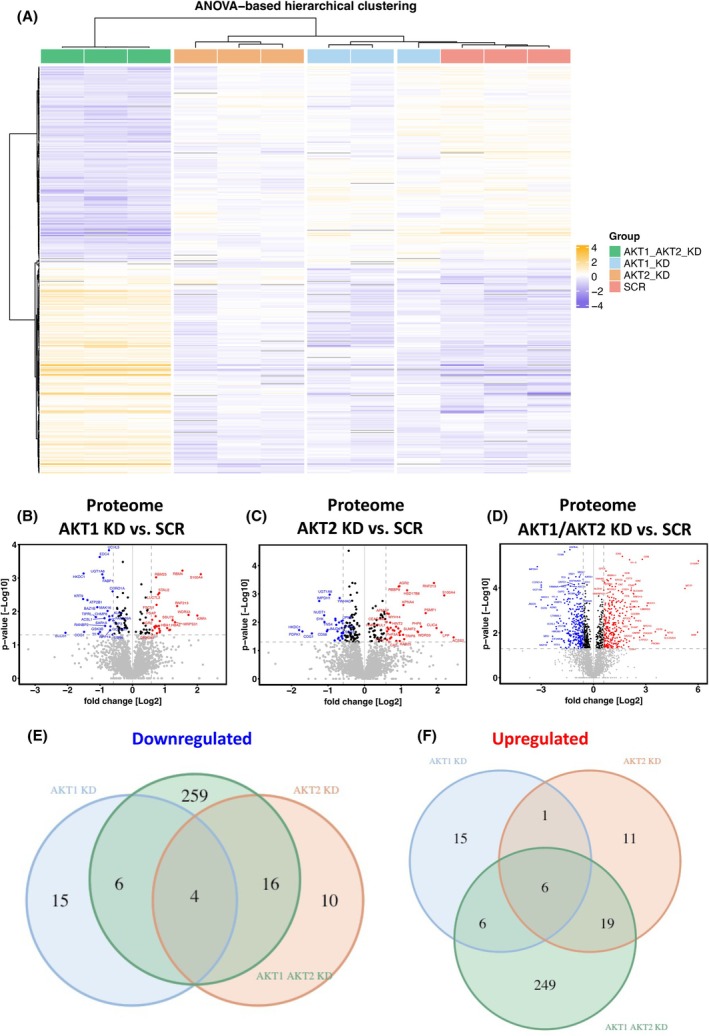 Figure 2
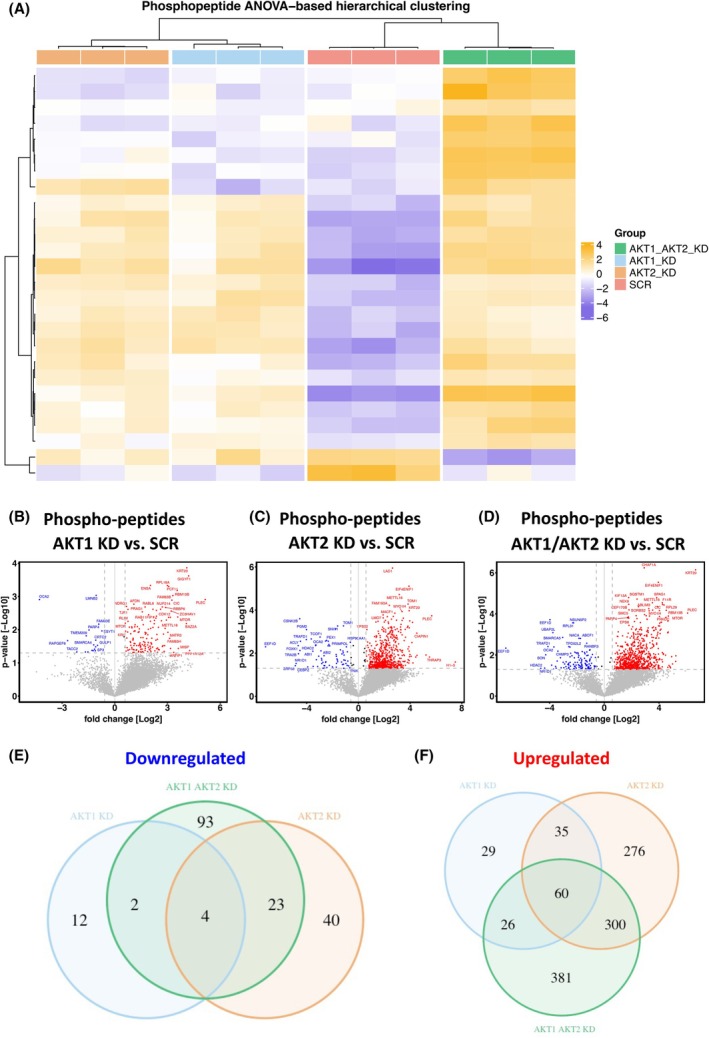 Figure 3
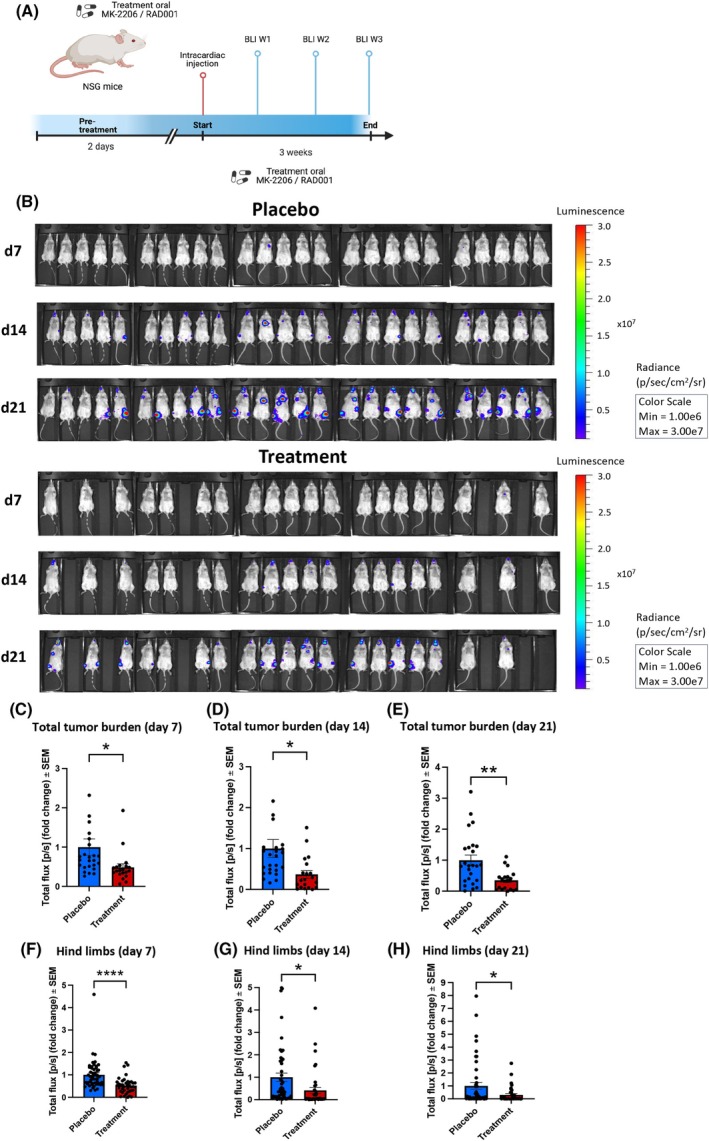 Figure 4
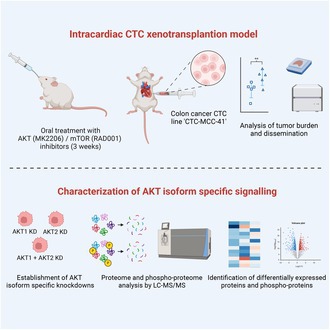 Figure 5
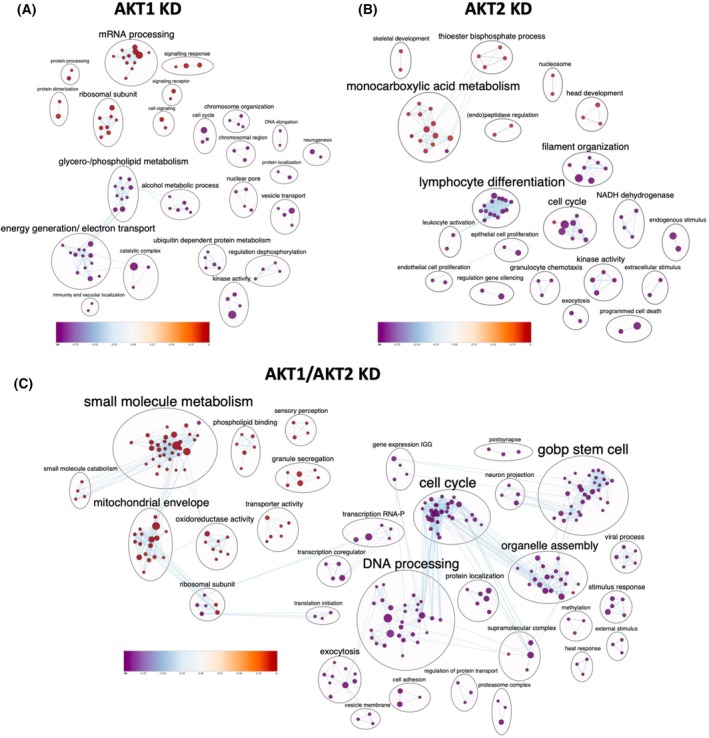 Figure 6
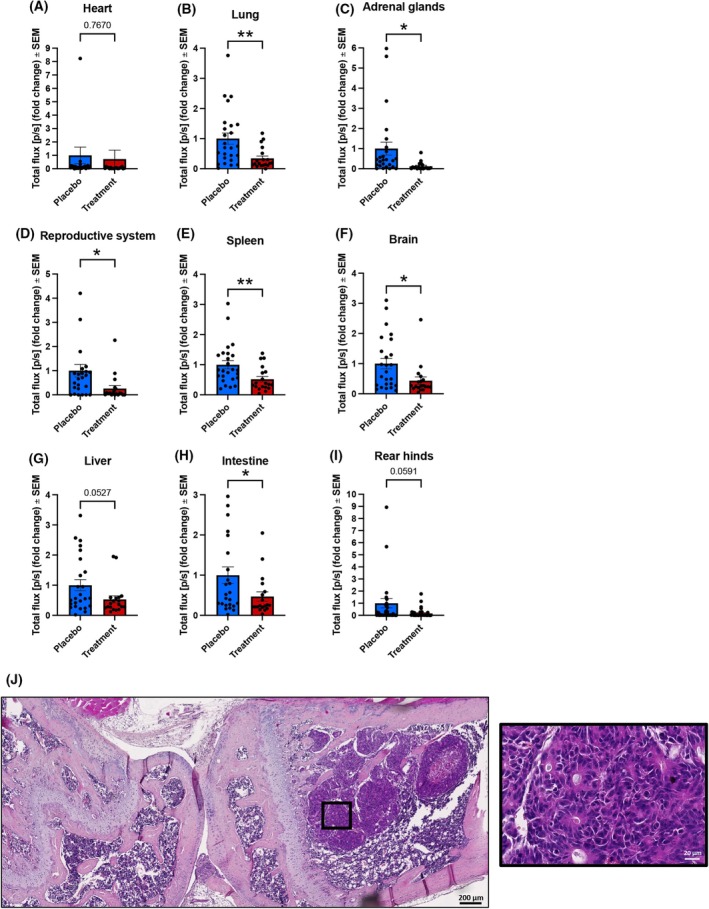 Figure 7
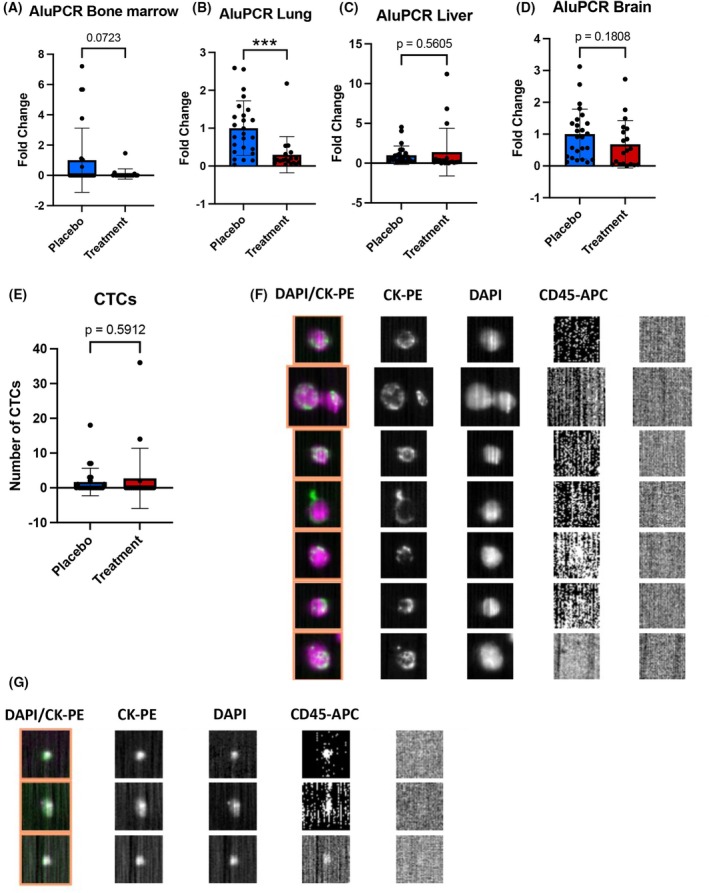 Figure 8
Peer Reviews
No public reviews on file for this paper yet. If you reviewed it on a platform where reviews are public (OpenReview, ICLR, NeurIPS, ICML), you can paste yours below so the community can read it here.
Videos
No videos yet. Explain this paper in a talk, walkthrough, or lecture? Add one.
Taxonomy
TopicsPI3K/AKT/mTOR signaling in cancer · Cancer Genomics and Diagnostics · Polyamine Metabolism and Applications