Mutation interactions of BRAF and TP53 define novel prognostic stratification and therapeutic implications in papillary thyroid carcinoma
Li Liu, Fang Wei

TL;DR
This study identifies how BRAF and TP53 mutations influence outcomes in thyroid cancer, offering a new way to predict risk and guide treatment.
Contribution
The study introduces a mutation-guided framework combining BRAF/TP53 status with staging to improve thyroid cancer risk prediction and treatment strategies.
Findings
BRAF mutations predict recurrence risk and correlate with improved survival in papillary thyroid carcinoma.
TP53 mutations are more common in advanced thyroid cancers and BRAF mutations are mutually exclusive with RET/NRAS mutations.
Pathway analysis suggests a shift from MAPK to PI3K/NOTCH activation in advanced thyroid cancers, indicating potential for mTOR inhibitors.
Abstract
Papillary thyroid carcinoma (PTC) requires improved risk stratification through molecular profiling, yet how mutation interactions shape clinical outcomes remains poorly defined. This single-center retrospective study analyzed 72 PTC cases using next-generation sequencing to characterize mutation patterns and pathway evolution, with validation against The Cancer Genome Atlas datasets. We identified three key molecular features: BRAF mutations (47.2%) predicted recurrence risk (p < 0.001), TP53 mutations (15.3%) were more prevalent in advanced thyroid cancers, and mutual exclusivity between BRAF and RET/NRAS mutations (p < 0.01), defining distinct oncogenic pathways. Paradoxically, BRAF mutations correlated with survival improvement (hazard ratio = 0.397), challenging conventional prognostic models. Pathway analysis revealed a potential shift from MAPK dominance in PTC to PI3K/NOTCH…
Genes, proteins, chemicals, diseases, species, mutations and cell lines named across the full text — each resolved to its canonical identifier and authoritative record.
Click any figure to enlarge with its caption.
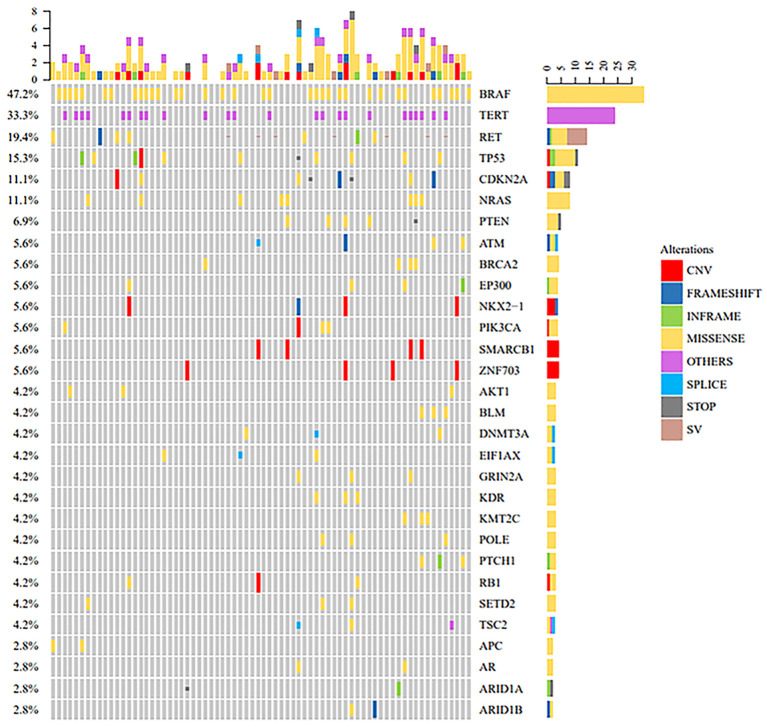 Figure 1
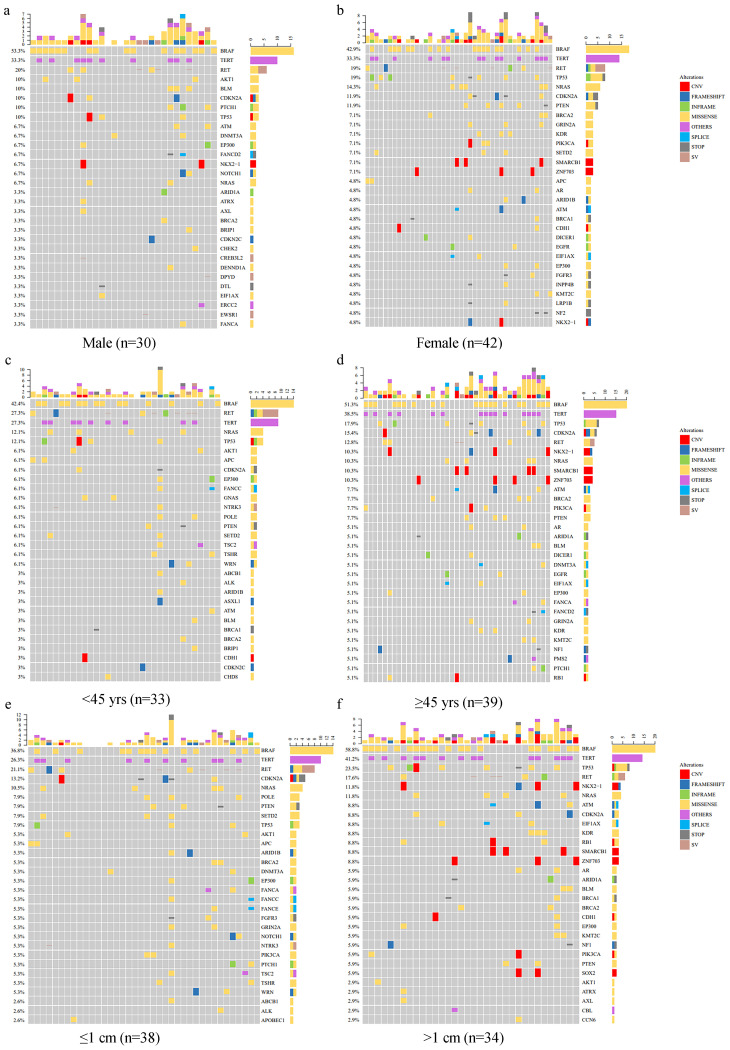 Figure 2
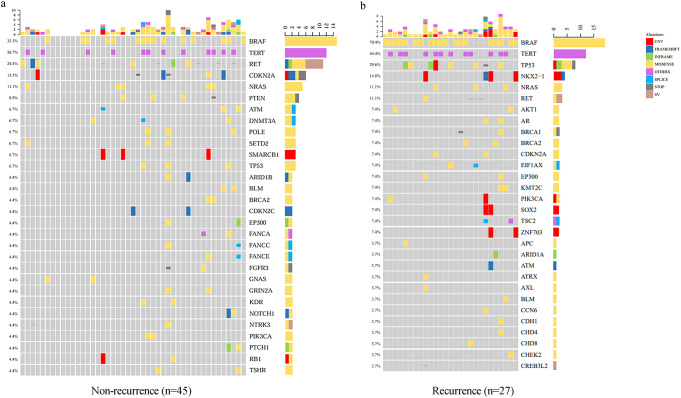 Figure 3
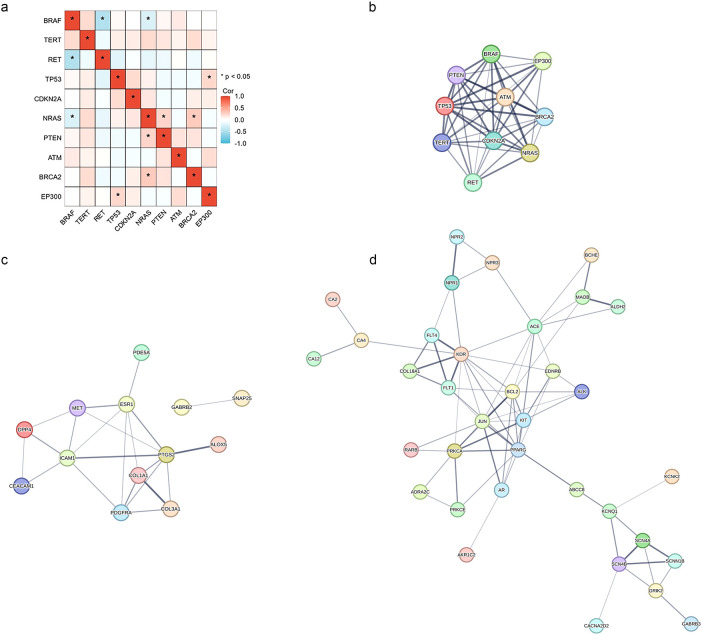 Figure 4
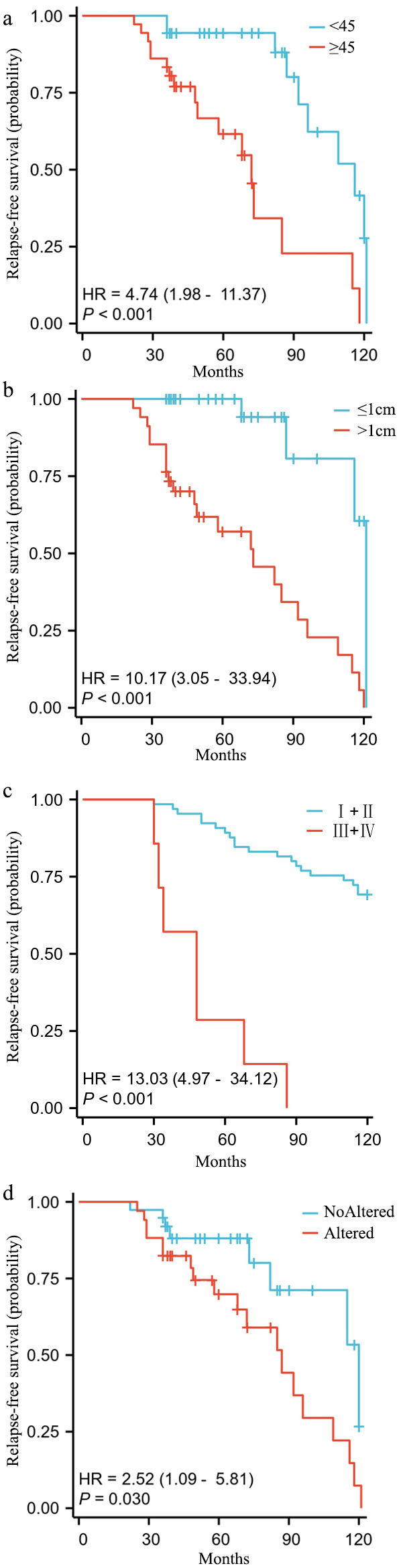 Figure 5
Peer Reviews
No public reviews on file for this paper yet. If you reviewed it on a platform where reviews are public (OpenReview, ICLR, NeurIPS, ICML), you can paste yours below so the community can read it here.
Videos
No videos yet. Explain this paper in a talk, walkthrough, or lecture? Add one.
Taxonomy
TopicsThyroid Cancer Diagnosis and Treatment · Cancer-related Molecular Pathways