Optimizing TB Bacteria Detection Efficiency: Utilizing RetinaNet-Based Preprocessing Techniques for Small Image Patch Classification
Shwetha V., Barnini Banerjee, Vijaya Laxmi, Priya Kamath

TL;DR
This paper presents an automated TB detection system using a two-stage AI pipeline that improves accuracy and efficiency in analyzing ZN-stained microscopy images.
Contribution
A novel two-stage pipeline using RetinaNet with dilated convolutions for efficient TB bacilli detection and classification in microscopy images.
Findings
The RetinaNet model achieved 0.94 average precision for WBCs and 0.97 for TB bacilli.
The proposed CNN classifier achieved 93% classification accuracy, outperforming traditional CNNs.
Abstract
Tuberculosis (TB), caused by Mycobacterium tuberculosis, is a re-emerging disease that necessitates early and accurate detection. While Ziehl–Neelsen (ZN) staining is effective in highlighting bacterial morphology, automation significantly accelerates the diagnostic workflow. However, detecting TB bacilli—which are typically much smaller than white blood cells (WBCs)—in stained images remains a considerable challenge. This study leverages the ZNSM-iDB dataset, which comprises approximately 2000 publicly available images captured using different staining methods. Notably, 800 images are fully stained with the ZN technique. We propose a novel two-stage pipeline where a RetinaNet-based object detection model functions as a preprocessing step to localize and isolate TB bacilli and WBCs from ZN-stained images. To address the challenges posed by low spatial resolution and background…
Genes, proteins, chemicals, diseases, species, mutations and cell lines named across the full text — each resolved to its canonical identifier and authoritative record.
Click any figure to enlarge with its caption.
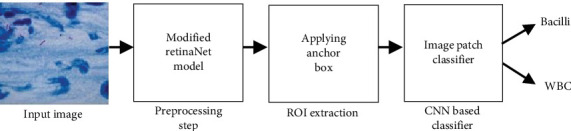 Figure 1
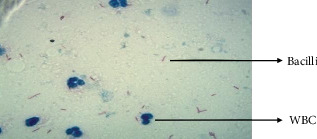 Figure 2
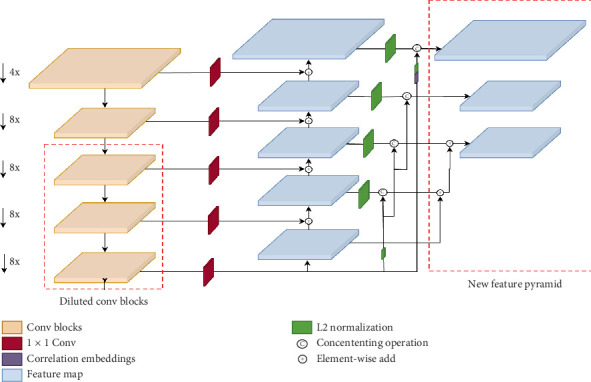 Figure 3
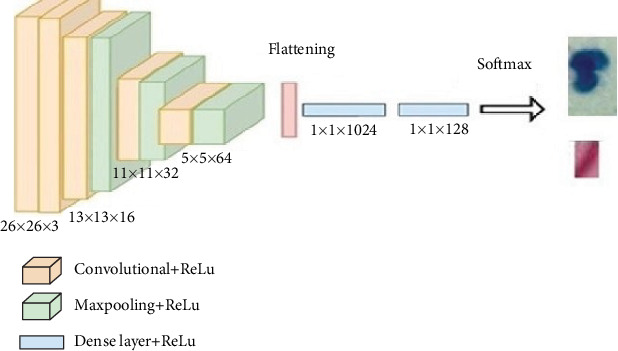 Figure 4
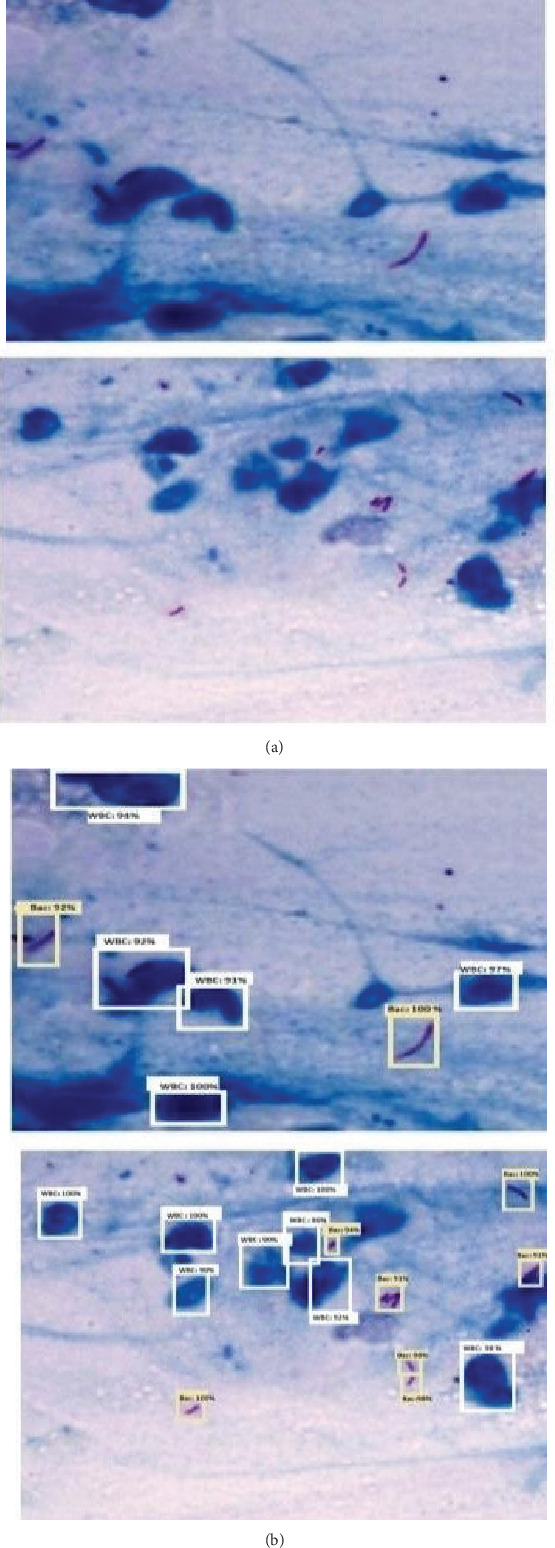 Figure 5
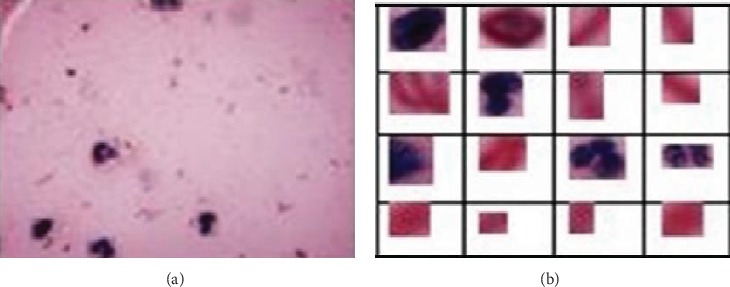 Figure 6
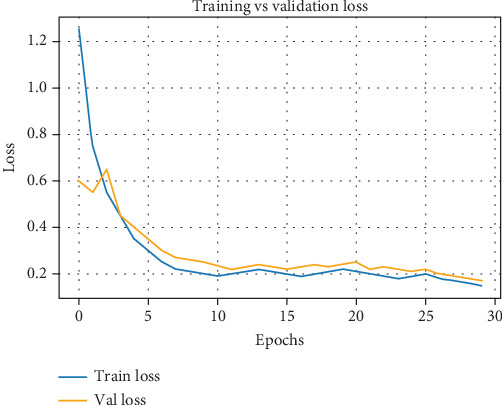 Figure 7
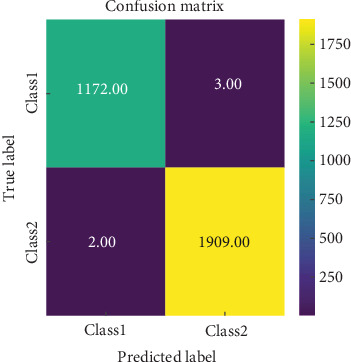 Figure 8
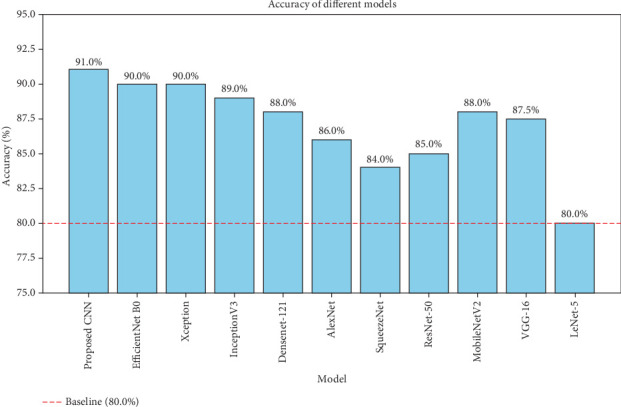 Figure 9
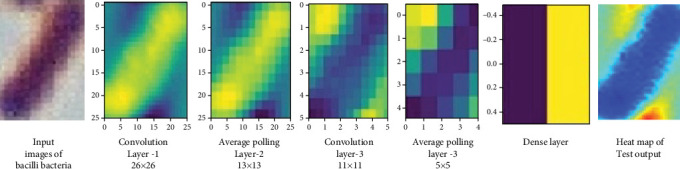 Figure 10
Peer Reviews
No public reviews on file for this paper yet. If you reviewed it on a platform where reviews are public (OpenReview, ICLR, NeurIPS, ICML), you can paste yours below so the community can read it here.
Videos
No videos yet. Explain this paper in a talk, walkthrough, or lecture? Add one.
Taxonomy
TopicsImage Processing Techniques and Applications · Cell Image Analysis Techniques · Digital Imaging for Blood Diseases