Are There Sex Differences in Brain Activity in Response to Active Tactile Stimulation?
Kei Sasaki, Nobukiyo Yoshida, Misuzu Oishi, Ryo Kawamura, Naoki Kodama

TL;DR
This study explores how brain activity differs in response to tactile stimulation using stress balls of varying hardness and finds consistent sensorimotor activation with some sex-related perceptual differences.
Contribution
The study identifies brain regions activated by active tactile stimulation and reveals perceptual sex differences in stimulus pleasantness.
Findings
Sensorimotor regions like the postcentral and precentral gyri are consistently activated during tactile stimulation.
Moderate hardness stimulation activates higher-order cognitive and emotional regions like the angular gyrus and hippocampus.
Males rated moderate hardness stimulation as significantly more pleasant than females, despite no significant neural sex differences.
Abstract
Tactile information plays a crucial role in object recognition, spatial localization, and motor control. In elucidating the neural basis of these processes, it is critically important to clarify the underlying neural mechanisms of active tactile stimulation. This study aimed to examine brain activation patterns elicited by active tactile stimulation using stress balls of different hardness levels (soft, medium, and hard) with functional magnetic resonance imaging (fMRI) and to investigate their relationship with sex differences and subjective evaluations. Participants were 77 healthy right-handed young adults (37 males and 40 females) who performed a task involving gripping a stress ball at a force of 5 kg once per second under each condition. Following the scanning session, subjective ratings of hardness and comfort were obtained using a nine-point Likert scale. Across all conditions,…
Genes, proteins, chemicals, diseases, species, mutations and cell lines named across the full text — each resolved to its canonical identifier and authoritative record.
Click any figure to enlarge with its caption.
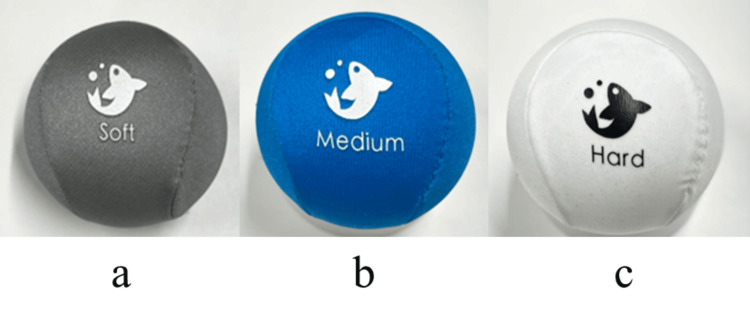 Figure 1
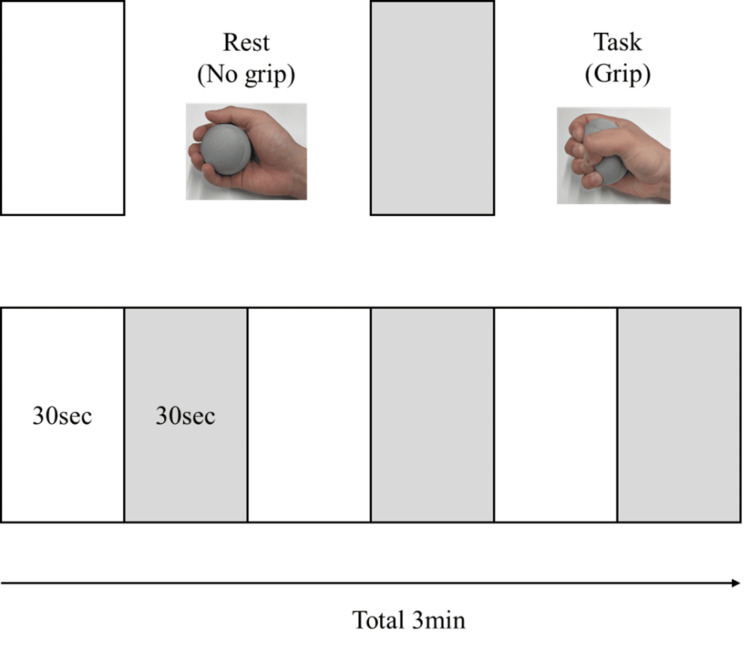 Figure 2
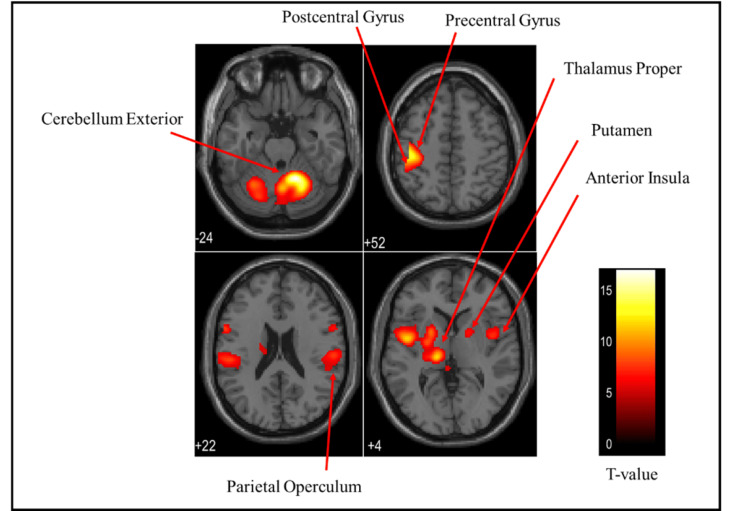 Figure 3
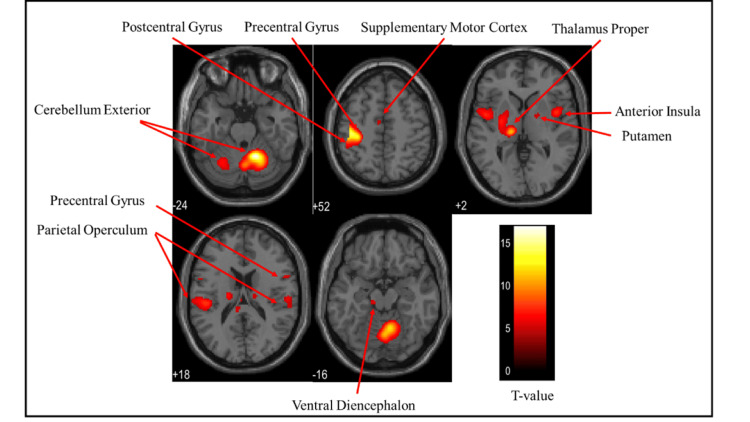 Figure 4
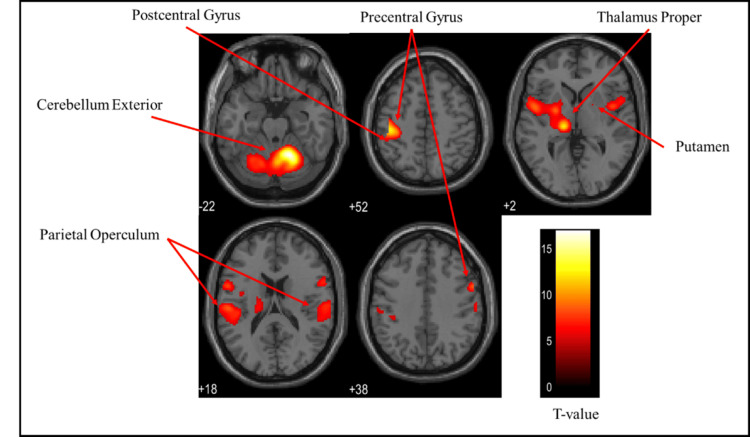 Figure 5
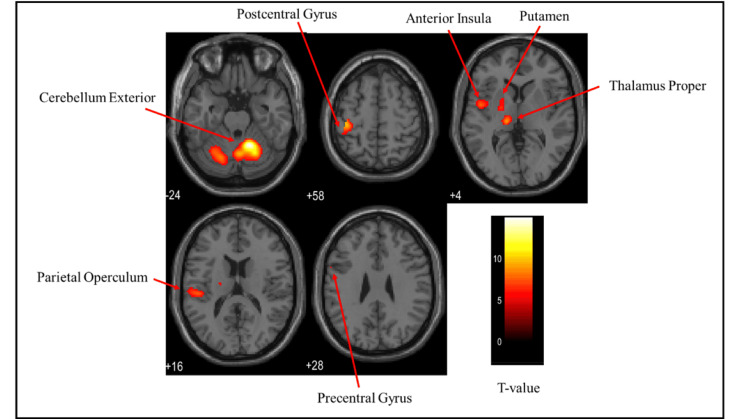 Figure 6
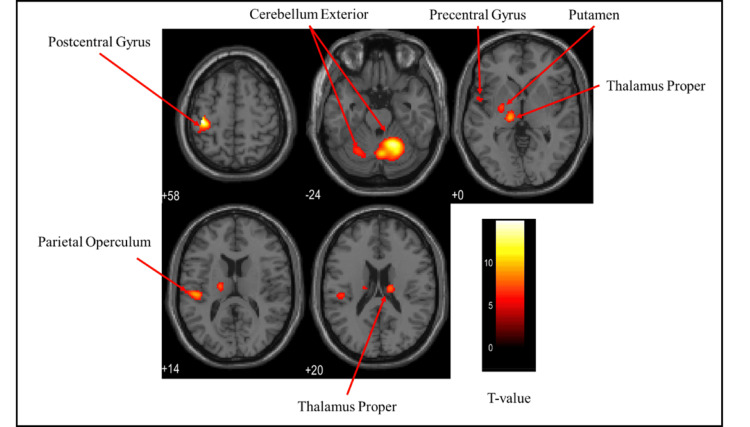 Figure 7
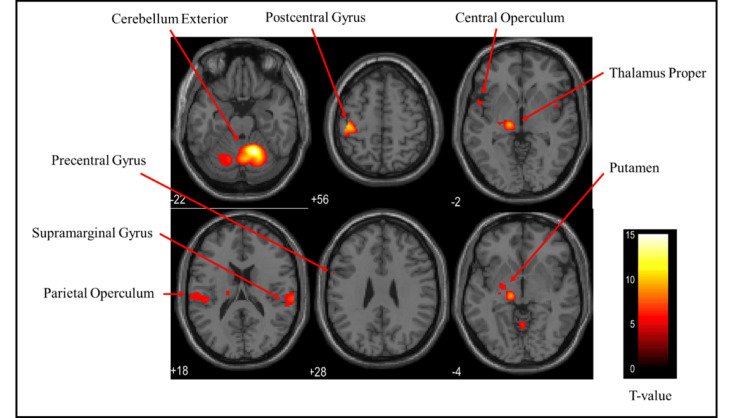 Figure 8
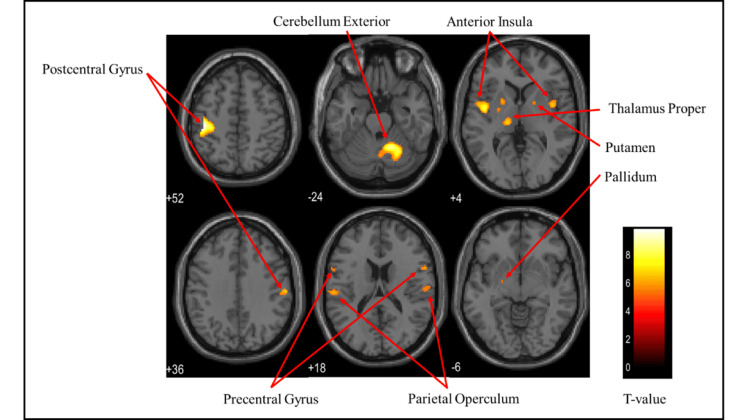 Figure 9
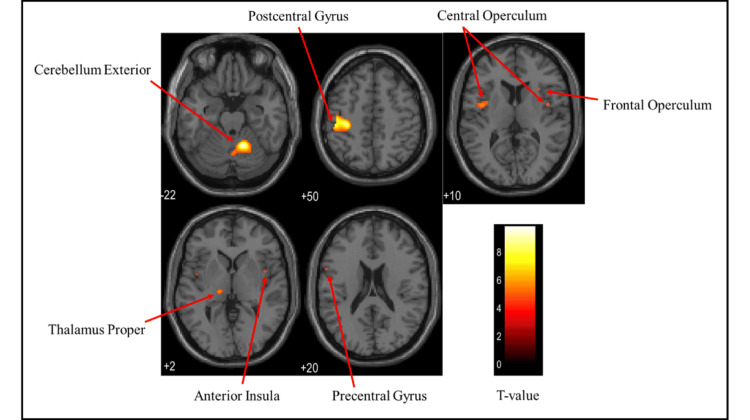 Figure 10
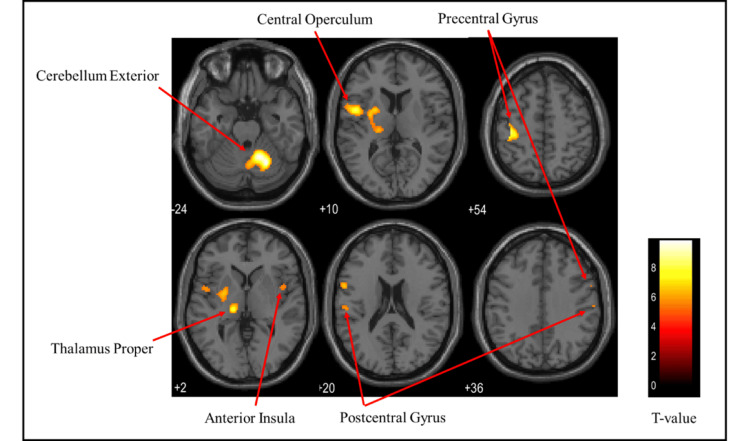 Figure 11
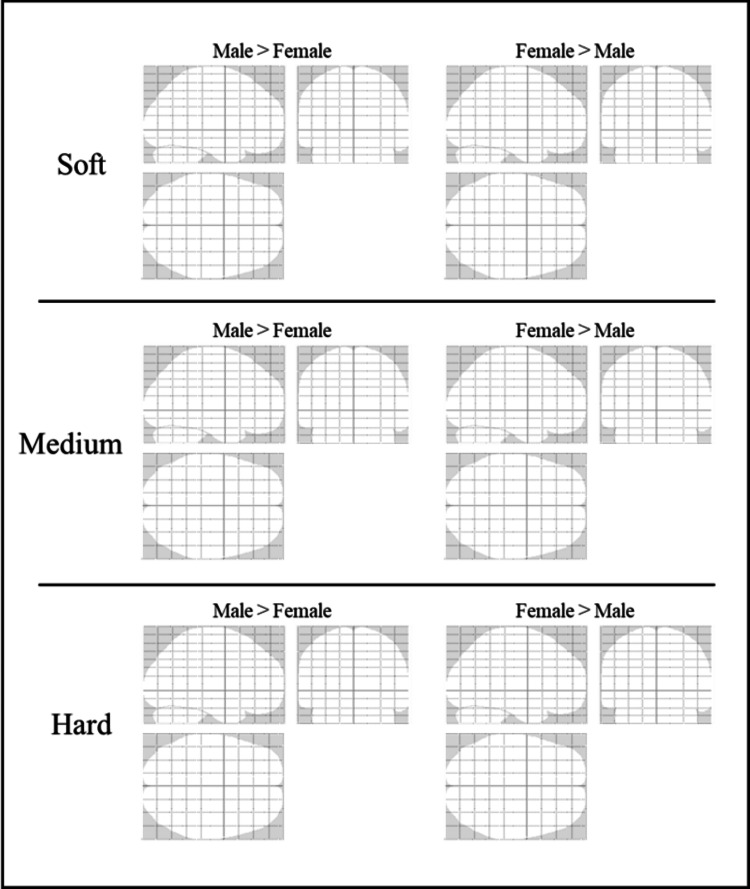 Figure 12
Peer Reviews
No public reviews on file for this paper yet. If you reviewed it on a platform where reviews are public (OpenReview, ICLR, NeurIPS, ICML), you can paste yours below so the community can read it here.
Videos
No videos yet. Explain this paper in a talk, walkthrough, or lecture? Add one.
Taxonomy
TopicsEEG and Brain-Computer Interfaces · Neural and Behavioral Psychology Studies · Tactile and Sensory Interactions