From Tachycardia to Brain Tumor: An Unusual Evolution of Epilepsy
Elwira Misztela-Lisiecka, Grazyna Waska, Anna Strozak, Magdalena A Miernik-Skrzypczak, Piotr Nowakowski

TL;DR
A 27-year-old woman with a long undiagnosed brain tumor was finally diagnosed with ganglioglioma and successfully treated with surgery.
Contribution
This case highlights the diagnostic challenges and long-term outcomes of ganglioglioma in a young patient.
Findings
The patient had a 10-year delay in diagnosis despite persistent symptoms.
Subtotal tumor resection led to no tumor growth four years post-surgery.
Histopathological examination confirmed the diagnosis of ganglioglioma.
Abstract
Ganglioglioma is a rare, benign intracranial neoplasm, most commonly observed in the temporal lobes. Prognosis in brain tumor patients depends not only on the degree of malignancy but also on the tumor's location. Patients typically present with refractory epileptic seizures. This report presents a 27-year-old female patient with ganglioglioma, waiting for a correct diagnosis for nearly 10 years. A thorough review of her medical history revealed no identifiable risk factors. A subtotal surgical resection of the tumor was performed, followed by histopathological examination. Currently, four years post-operation, no growth of residual tumor has been observed.
Genes, proteins, chemicals, diseases, species, mutations and cell lines named across the full text — each resolved to its canonical identifier and authoritative record.
Click any figure to enlarge with its caption.
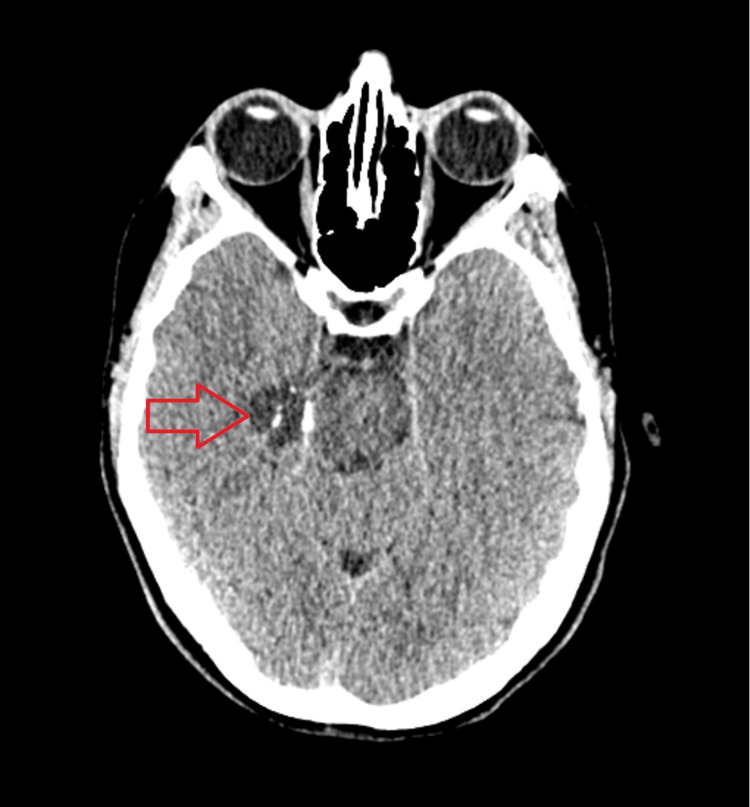 Figure 1
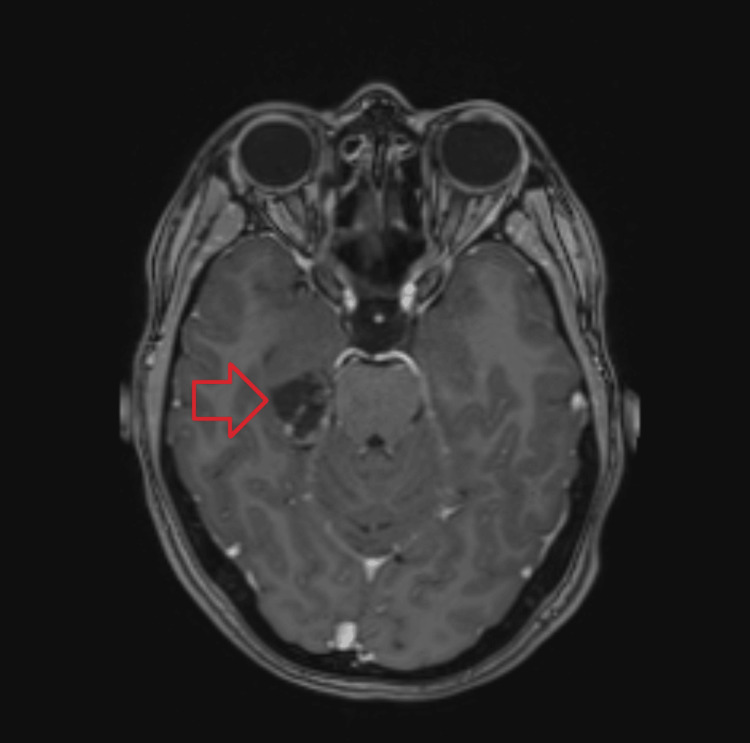 Figure 2
Peer Reviews
No public reviews on file for this paper yet. If you reviewed it on a platform where reviews are public (OpenReview, ICLR, NeurIPS, ICML), you can paste yours below so the community can read it here.
Videos
No videos yet. Explain this paper in a talk, walkthrough, or lecture? Add one.
Taxonomy
TopicsCardiovascular Syncope and Autonomic Disorders · Epilepsy research and treatment · Cardiac Arrhythmias and Treatments