Analysis of the Stability of Compounded Vancomycin Hydrochloride Oral Solution: A Comparison Between Formulations Prepared Using a Commercial Product and Using the Pure Active Ingredient
Jose David Arroyo-Solorzano, Stefanny Martínez-Carpio, Jeimy Blanco-Barrantes, Jorge Pacheco-Molina, Arlene Loría-Gutiérrez, Sebastián Arguedas-Chacón, Esteban Zavaleta-Monestel

TL;DR
This study compares the stability of compounded vancomycin oral solutions made from pure drug and a commercial product, finding that refrigeration extends their shelf life to 90 days.
Contribution
The study provides new stability data for compounded vancomycin solutions under different storage conditions and formulations.
Findings
Both formulations remained microbiologically stable for 90 days under refrigeration.
The API formulation lost potency faster at room temperature compared to the commercial product.
Buffering with citric acid helped maintain pH and prevent precipitation in the API formulation.
Abstract
Background Oral vancomycin is the mainstay treatment for Clostridioides difficile infections. Compounded oral solutions are commonly prescribed, but their beyond-use date (BUD) is restricted to 14 days. Extending this limit would enhance patient convenience and pharmacy efficiency. Stability may depend on storage conditions and whether the formulation is prepared from pure active pharmaceutical ingredient (API) or a commercial injectable product. Aim To evaluate and compare the physicochemical and microbiological stability of compounded vancomycin hydrochloride oral solutions prepared from pure API and a commercial injectable product. Methods Two 12.5 mg/mL vancomycin hydrochloride formulations in United States Pharmacopeia (USP) Simple Syrup were prepared: one from Vitalis® injectable powder and one from pure API buffered with citric acid. Solutions were stored in high-density…
Genes, proteins, chemicals, diseases, species, mutations and cell lines named across the full text — each resolved to its canonical identifier and authoritative record.
Click any figure to enlarge with its caption.
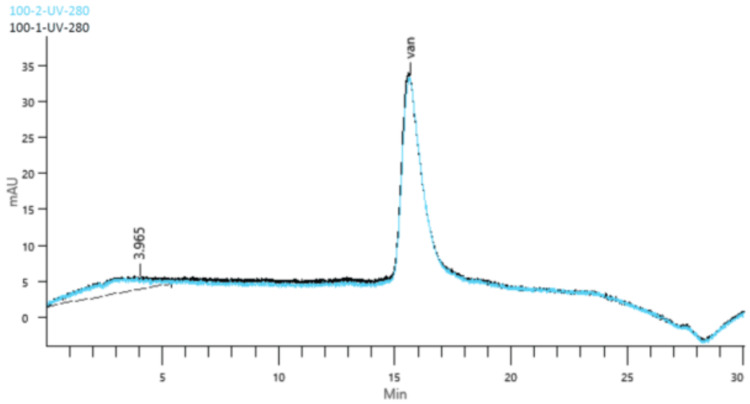 Figure 1
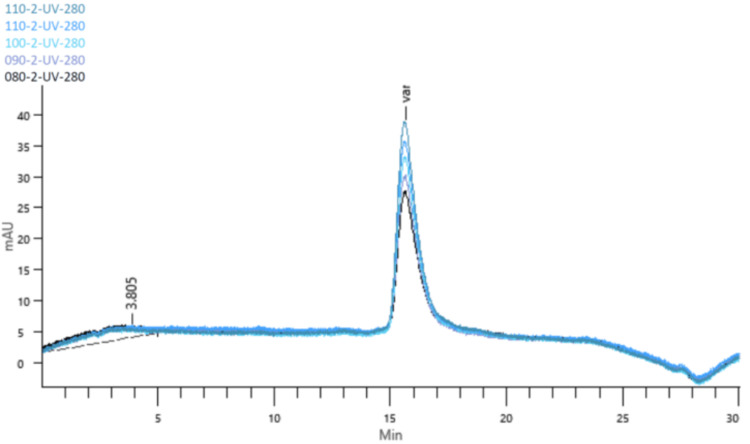 Figure 2
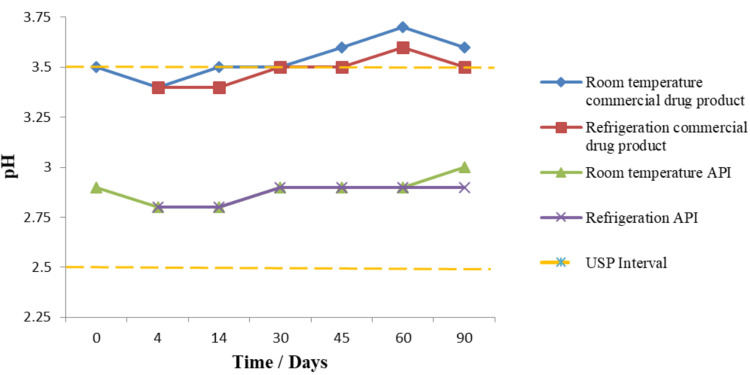 Figure 3
Peer Reviews
No public reviews on file for this paper yet. If you reviewed it on a platform where reviews are public (OpenReview, ICLR, NeurIPS, ICML), you can paste yours below so the community can read it here.
Videos
No videos yet. Explain this paper in a talk, walkthrough, or lecture? Add one.
Taxonomy
TopicsClostridium difficile and Clostridium perfringens research · Microscopic Colitis · Helicobacter pylori-related gastroenterology studies