Two Decades With Chronic Actinic Granuloma: A Case Report
Neena Edupuganti, Nathan Sagasser, Melinda Greenfield

TL;DR
This paper reports a 20-year case of a rare skin condition called actinic granuloma that did not respond to standard treatments.
Contribution
The novelty lies in documenting a long-term, treatment-resistant case of actinic granuloma to raise awareness and improve disease management.
Findings
The patient's AG did not respond to topical steroids or antifungals over 20 years.
AG remains a poorly understood condition with inconsistent treatment outcomes.
Long-term case reports can aid in better understanding and managing AG.
Abstract
Actinic granuloma (AG), also known as O’Brien’s granuloma, is a rare idiopathic granulomatous dermatosis affecting sun-exposed areas, predominantly in older individuals. It presents as erythematous papules that expand into annular plaques with central atrophy and serpiginous borders. The pathogenesis of AG remains unclear, but it is hypothesized to involve an autoimmune response to actinically damaged elastic fibers. Diagnosis is confirmed through histopathological examination, and treatment options vary widely with inconsistent outcomes. Here, we present a case of an individual with a 20-year history of AG that was refractory to treatment with topical steroids and topical antifungals. This case highlights the need for heightened awareness surrounding this condition in order to help patients better manage this disease.
Genes, proteins, chemicals, diseases, species, mutations and cell lines named across the full text — each resolved to its canonical identifier and authoritative record.
Click any figure to enlarge with its caption.
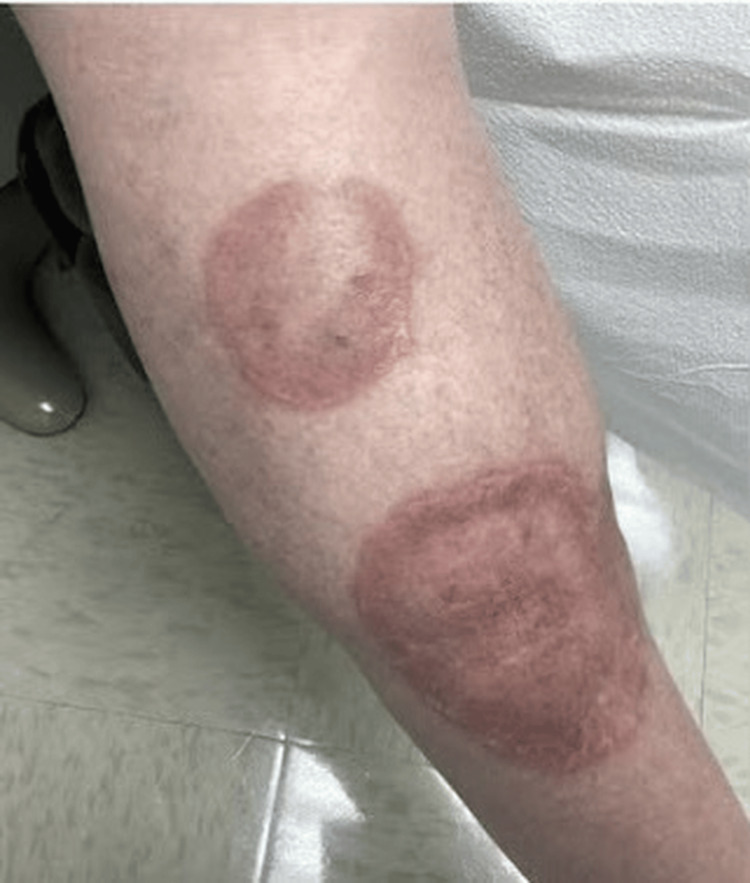 Figure 1
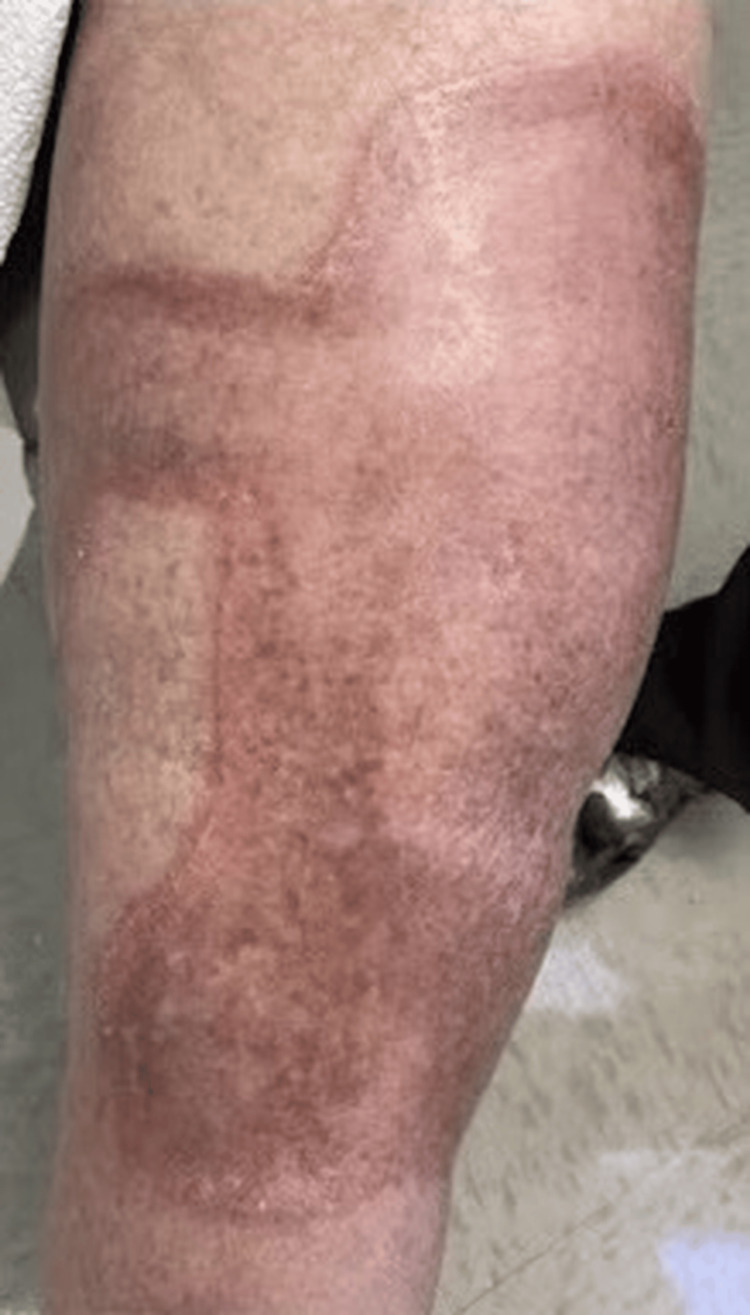 Figure 2
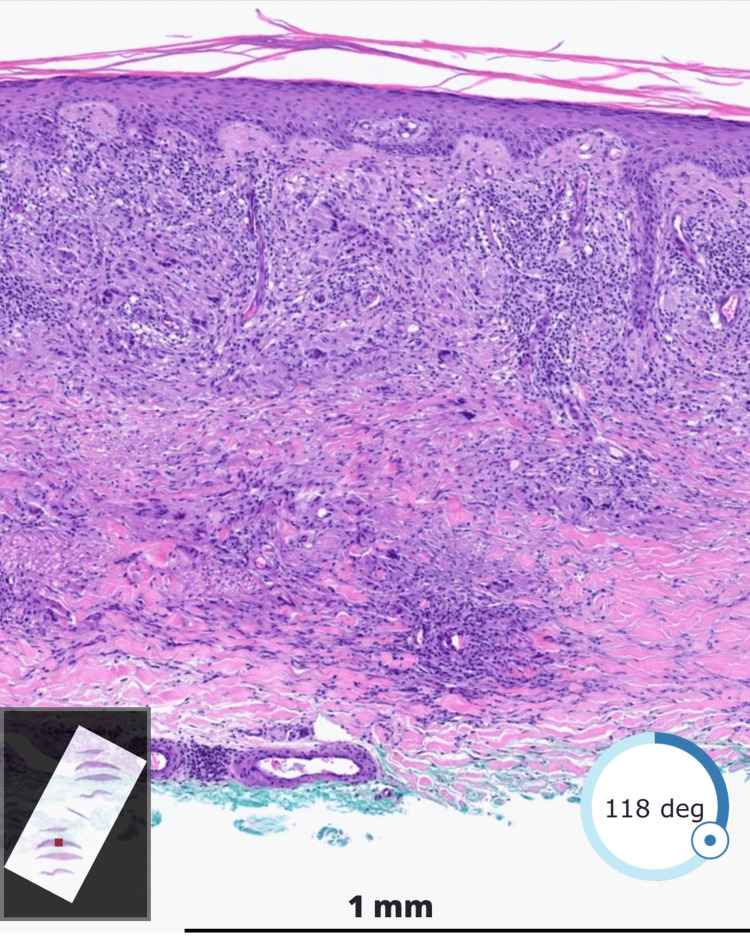 Figure 3
Peer Reviews
No public reviews on file for this paper yet. If you reviewed it on a platform where reviews are public (OpenReview, ICLR, NeurIPS, ICML), you can paste yours below so the community can read it here.
Videos
No videos yet. Explain this paper in a talk, walkthrough, or lecture? Add one.
Taxonomy
TopicsSkin Diseases and Diabetes · Nonmelanoma Skin Cancer Studies · Autoimmune and Inflammatory Disorders