Iron-Deficiency Anemia Associated With Prostate Cancer, and Ameliorated by Anti-androgen Therapy
Tsuneo Takenaka, Choichiro Ozu, Yoko Oshiba, Yutaka Kawakami, Makoto Okuda

TL;DR
A prostate cancer patient with iron-deficiency anemia showed improvement after anti-androgen therapy, suggesting a link between the cancer and anemia.
Contribution
The study highlights a potential role of hepcidin from prostate cancer in causing iron-deficiency anemia.
Findings
The patient had iron-deficiency anemia without evidence of bleeding.
Prostate cancer was found to be positive for hepcidin.
Anti-androgen therapy improved the anemia.
Abstract
Hepcidin is synthesized in liver and is a master regulator of iron metabolism. Renal anemia was suspected in an 86-year-old man, who was referred to our department. Laboratory tests indicated iron-deficiency anemia (IDA), and ferrous sulphate was initiated. However, no bleeding sites were demonstrated and the response to iron supplementation was not satisfactory. MRI revealed a tumor in the prostate, and prostate biopsy showed poorly differentiated adenocarcinoma that was positive for hepcidin. Anti-androgen therapy ameliorated IDA. Potential roles of hepcidin from prostate cancer (PCa) in the pathogenesis of IDA are discussed in this article.
Genes, proteins, chemicals, diseases, species, mutations and cell lines named across the full text — each resolved to its canonical identifier and authoritative record.
Click any figure to enlarge with its caption.
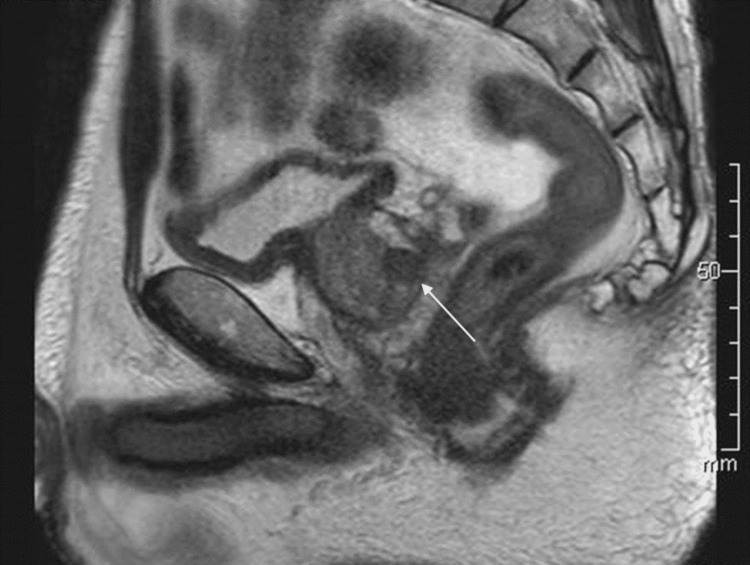 Figure 1
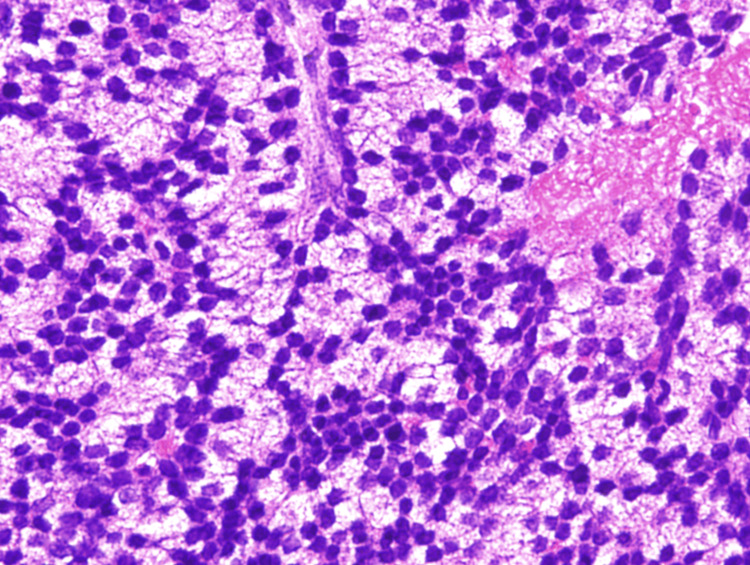 Figure 2
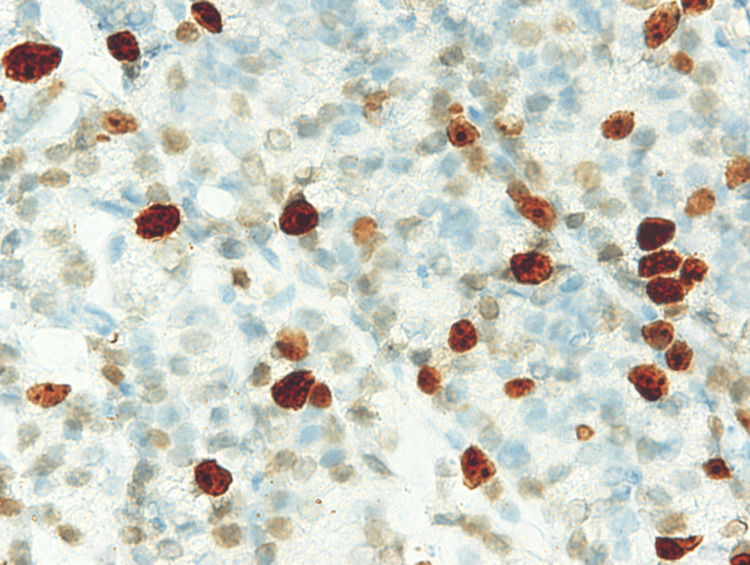 Figure 3
| Values at first visit | Values at second visit | Values at admission | Values after discharge | Reference range | |||
| Time (month) | 0 | 1 | 2 | 4 | not applicable | ||
| SBP (mmHg) | 168 | 138 | 140 | 136 | not applicable | ||
| DBP (mmHg) | 86 | 76 | 80 | 78 | not applicable | ||
| Scr (mg/dL) | 1.84 | 1.88 | 1.82 | 1.85 | 0.61-1.04 | ||
| Hb (g/dl) | 7 | 7.6 | 7.7 | 10.9 | 13.1-16.3 | ||
| MCV (fL) | 64.8 | 68.5 | 67.8 | 80.8 | 85-102 | ||
| Ferritin (ng/ml) | 12 | 14 | 14 | 18 | 17-291 | ||
| Hepcidin (ng/ml) | not analyzed | not analyzed | 82 | 28 | not applicable | ||
| PSA (ng/ml) | not analyzed | 15.1 | not analyzed | 0.1 | <4.0 | ||
| F/H | not analyzed | not analyzed | 0.578 | 0.867 | not applicable | ||
Peer Reviews
No public reviews on file for this paper yet. If you reviewed it on a platform where reviews are public (OpenReview, ICLR, NeurIPS, ICML), you can paste yours below so the community can read it here.
Videos
No videos yet. Explain this paper in a talk, walkthrough, or lecture? Add one.
Taxonomy
TopicsIron Metabolism and Disorders · Hemoglobinopathies and Related Disorders · Erythropoietin and Anemia Treatment
Introduction
While iron-deficiency anemia (IDA) prevails in pre-menoposal women, it is less common in post-menoposal women and men [1]. Iron losses occur at a steady rate via turnover of the intestinal epithelium, blood loss, and exfoliation of dead skin cells [2]. Indeed, dietary iron deficiency remains a major health concern with a global prevalence of 16.7% [3]. Hepcidin is a master regulator of iron metabolism [4]. It has been proposed that hepcidin is a mediator of the common clinical syndrome, anemia of chronic diseases. In addition, the overexpression of hepcidin is associated with a hypoferremic, microcytic anemia [5]. Although hepcidin facilitates the sequestration of iron, steady iron loss and hepcidin-induced inhibition of iron absorption may eventually develop iron deficiency [6]. Recent studies reveal that cancer cells express and secrete hepcidin, possibly affecting erythropoiesis [7]. Notably, serum hepcidin level is negatively correlated with hemoglobin (Hb) level in patients with breast cancer [8]. While anemia of chronic diseases is common in various cancers, IDA provides us the clue to detect alimentary tract cancers. Herein, we report a case of IDA associated with prostate cancer (PCa).
Case presentation
Renal anemia was suspected in an 86-year-old man who was referred to our department. Physical examination revealed anemia, hypertension, and prostate enlargement. Laboratory tests indicated elevated serum creatinine (Scr), low Hb and ferritin levels with small mean corpuscular volume (MCV) (Table 1).
In addition, his urinalysis and C-reactive protein (0.10 mg/dl) were normal. IDA and nephrosclerosis were diagnosed, and ferrous sulphate (105 mg/day) and amlodipine (5 mg/day) were initiated. Surprisingly, fecal occult blood test, esophagogastroduodenoscopic and colonoscopic studies were turned out negative one month later. His blood pressure was controlled without changes in renal function, and amlodipine was continued. His Hb and ferritin levels were only slightly improved (Table 1).
Thus, IDA seemed to be resistant to oral iron supplementation in this patient, however, iron supplementation was halted because of cramping. His prostate-specific antigen (PSA) level was high (Table 1), and MRI study suggested PCa (Figure 1).
MRI of the prostateT2-weighted image detected a homogeneous low signal mass (10 mm, white arrow) without a capsule.
About a month later, he admitted to the hospital for prostate biopsy, which confirmed a poorly-differentiated adenocarcinoma (Figure 2).
Pathological examination of the prostate tissue sample Numerous atypical adenocarcinoma cells with oval swollen nuclei were observed (Gleason grade group 5), suggesting rapid growth (HE-stain x400).HE: Hematoxylin-eosin
The biopsy was positive for hepcidin (Figure 3) and serum hepcidin level was high (Table 1). He denied surgery and radiotherapy, and chose hormonal therapy with bicalutamide (80 mg/day), an anti-androgen agent. He did not agree to restart iron supplement. Two months later, his Hb, MCV, and ferritin levels increased further, while PSA and hepcidin levels declined (Table 1). Collectively, bicalutamide alone considerably ameliorated IDA.
Immunohistochemical analysis of prostate tissuePCa cells were stained positively for hepcidin with varied densities (peroxidase stain x400). An antibody against hepcidin (Santa Cruz Biotechnology) was used.PCa: Prostate cancer
Discussion
When iron is sufficient, liver synthesizes hepcidin that triggers ferroportin degradation to inhibit intestinal iron absorption and iron release from macrophages [1]. Under chronic hepcidin excess, steady iron loss could eventually develop iron deficiency [2]. Thus, in physiological conditions, as serum ferritin is increased, hepcidin elevates. Because of various reasons such as reduced iron intake, IDA is a common cause of anemia in older patients. Indeed, the patients with IDA show very low serum hepcidin (sometimes undetectable). In addition, an increased interleukin-6 in the patients with malignancy elevates hepatic synthesis of hepcidin, participating in anemia of chronic diseases [4]. However, C-reactive protein was normal in this patient. The log_10_(ferritin)/log_10_(hepcidin) ratio (F/H) is approximately 0.87 in patients with chronic kidney disease, partly because of hepcidin clearance [9]. However, it was 0.58 in this patient (Table 1). These findings support considerable contribution of extrahepatic production of hepcidin to the elevated serum level in this patient.
Cancer cells are known for their voracious appetites for various nutrients to satisfy their metabolic needs [10]. Similar to other cancers, PCa cells need iron for their survival and growth, including the use of iron for the activity of enzymes that control the expression of androgen receptor, a well-known promotor of PCa. Although ferroportin has not been examined in the case, PCa cells secrete hepcidin to decrease their own ferroportin in autocrine fashion, accumulating iron [10]. Of interest, bicalutamide markedly reduced PSA, suggesting that androgen contributed to the survival and growth of PCa in this patient. The average serum hepcidin level was 42 ng/ml in patients with PCa without metastasis [11]. With declining in PCa differentiation, ferroportin expression of PCa is reduced, possibly accounting for relatively high serum hepcidin level in our patient [12]. Of importance is testosterone, which suppresses hepatic hepcidin release to support erythropoiesis in healthy men [13]. Collectively, the hepcidin positivity of PCa cells and the reversal of IDA by bicalutamide in this patient provide the first clinical evidence that hormonal remote effects of hepcidin from PCa participate in the pathogenesis of IDA.
Conclusions
This case suggests that PCa is able to elevate serum hepcidin sufficiently to produce IDA even in the early stage. Because this is the first report of such a case, the accumulation of similar cases is mandatory. However, this report should let us extend the differential diagnosis of IDA to include PCa, especially for older males.
The reference list from the paper itself. Each links out to its DOI / PubMed record.
- 1Iron deficiency Lancet Pasricha SR Tye-Din J Muckenthaler MU Swinkels DW 23324839720213328513910.1016/S 0140-6736(20)32594-0 · doi ↗ · pubmed ↗
- 2Hepcidin, a key regulator of iron metabolism and mediator of anemia of inflammation Blood Ganz T 78378810220031266343710.1182/blood-2003-03-0672 · doi ↗ · pubmed ↗
- 3Global, regional and national burden of dietary iron deficiency from 1990 to 2021: a Global Burden of Disease study Nat Med Lee S Son Y Hwang J Kim MS Il Shin J Yon DK Kassebaum NJ 180918293120254026363110.1038/s 41591-025-03624-8 · doi ↗ · pubmed ↗
- 4Iron homeostasis in older adults: balancing nutritional requirements and health risks J Nutr Health Aging Zeidan RS Martenson M Tamargo JA 1002122820243848999510.1016/j.jnha.2024.100212 · doi ↗ · pubmed ↗
- 5Giant hepatocellular adenoma presenting with chronic iron deficiency anemia Am J Gastroenterol Chung A Leo K Wong G Chuah K Ren J Lee C 2160216210120061681784710.1111/j.1572-0241.2006.00607.x · doi ↗ · pubmed ↗
- 6Hepcidin excess induces the sequestration of iron and exacerbates tumor-associated anemia Blood Rivera S Liu L Nemeth E Gabayan V Sorensen OE Ganz T 1797180210520051547972110.1182/blood-2004-08-3375 · doi ↗ · pubmed ↗
- 7Ferroportin and iron regulation in breast cancer progression and prognosis Sci Transl Med Pinnix ZK Miller LD Wang W 432201010.1126/scisignal.3001127 PMC 373484820686179 · doi ↗ · pubmed ↗
- 8Hepcidin and ferroportin expression in breast cancer tissue and serum and their relationship with anemia Curr Oncol Pan X Lu Y Cheng X Wang J 0623201610.3747/co.23.2840 PMC 475406526966409 · doi ↗ · pubmed ↗