Spontaneous Regression of Multiple Osteochondromas in a Patient With Hereditary Multiple Exostoses: A Case Report
Kazuhiro Ikeda, Shotaro Teruya, Hiromitsu Tsuge, Shinzo Onishi

TL;DR
A boy with hereditary multiple exostoses experienced spontaneous regression of painful bone tumors without surgery, suggesting conservative management can be effective.
Contribution
This case report highlights spontaneous regression of symptomatic osteochondromas in HME, supporting conservative treatment before growth plate closure.
Findings
An 11-year-old boy with HME showed spontaneous regression of osteochondromas by age 15.
Symptoms resolved without surgery, indicating potential for natural lesion regression during growth.
Conservative management is viable before physeal closure, based on lesion clinical course.
Abstract
Hereditary multiple exostoses (HME) is an autosomal dominant disorder characterized by the development of multiple osteochondromas, primarily near the metaphyses of long bones. We report a case of HME in which multiple symptomatic lesions showed spontaneous regression. The patient was an 11-year-old boy with osteochondromas involving both distal femurs and the left forearm. At age 13, he developed discomfort and pain during squatting and forearm rotation, and radiographs revealed progressive enlargement of the lesions. Given that the physes remained open, we chose a conservative approach. At age 15, the symptomatic lesions had regressed significantly, and his symptoms resolved without surgical intervention. This case demonstrates that even symptomatic lesions in HME may regress spontaneously during growth, supporting the value of conservative management before physeal closure. Surgical…
Genes, proteins, chemicals, diseases, species, mutations and cell lines named across the full text — each resolved to its canonical identifier and authoritative record.
Click any figure to enlarge with its caption.
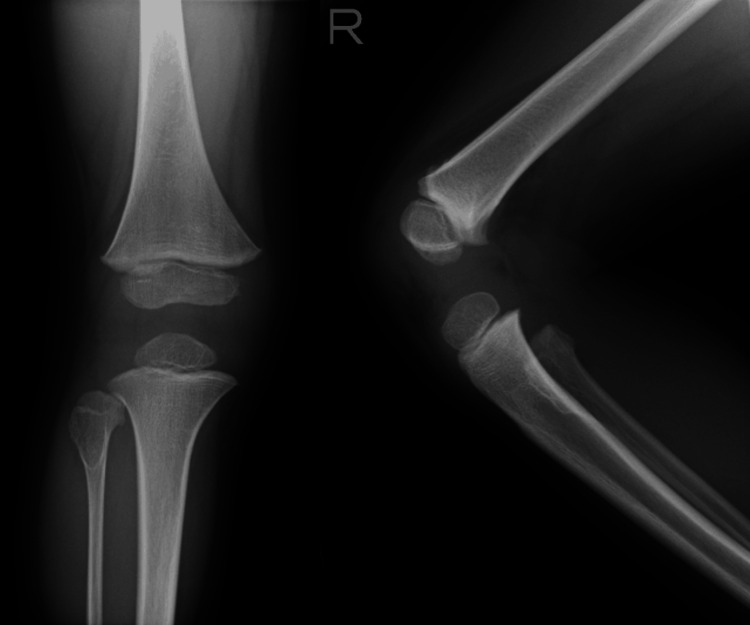 Figure 1
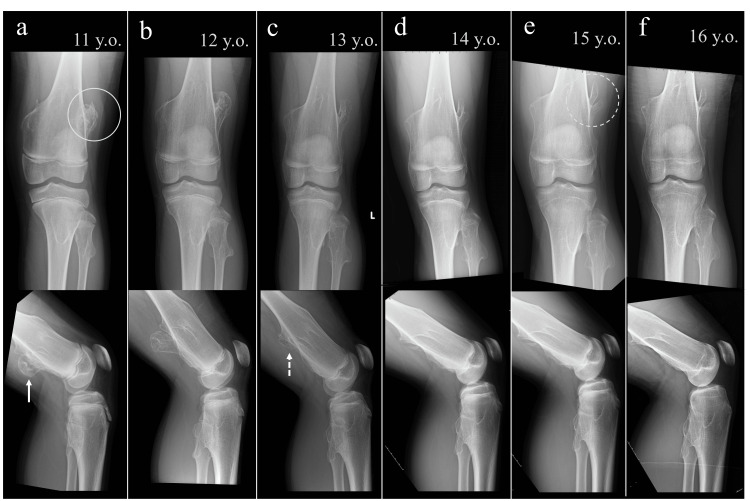 Figure 2
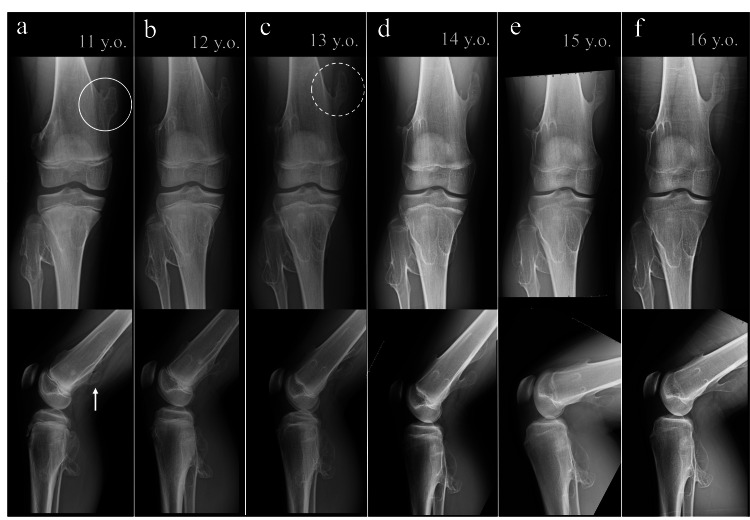 Figure 3
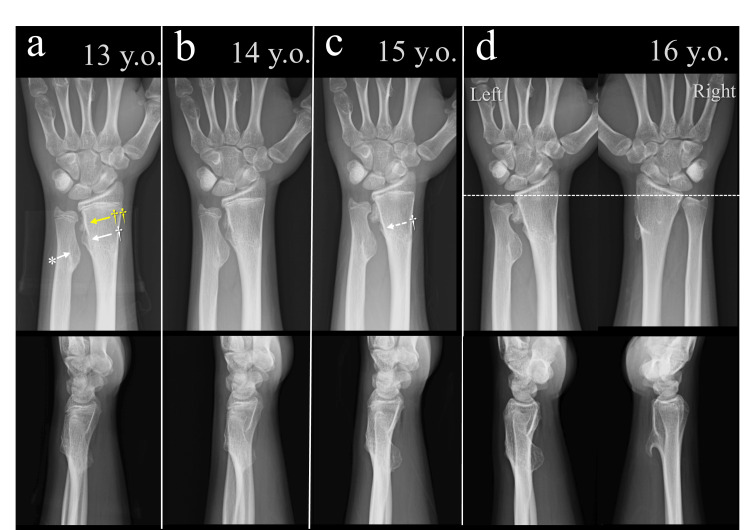 Figure 4
Peer Reviews
No public reviews on file for this paper yet. If you reviewed it on a platform where reviews are public (OpenReview, ICLR, NeurIPS, ICML), you can paste yours below so the community can read it here.
Videos
No videos yet. Explain this paper in a talk, walkthrough, or lecture? Add one.
Taxonomy
TopicsBone Tumor Diagnosis and Treatments · Oral and Maxillofacial Pathology · Sarcoma Diagnosis and Treatment