Plasticity of Dispersal‐Related Larval Traits in the Clown Anemonefish Amphiprion percula
Robin K. Francis, Kurt G. Castro, Sadie Thompson, Isabela Trumble, John E. Majoris, Peter M. Buston

TL;DR
This study shows that clown anemonefish parents produce larvae with different traits based on food availability, which may affect how far larvae disperse.
Contribution
The study demonstrates dispersal-related larval trait plasticity in a marine fish in response to parental food conditions.
Findings
Parents produce larger offspring on low-food rations compared to high-food rations.
Larvae from low-food parents have smaller otolith cores, which may influence dispersal plasticity.
Parental diet does not affect larval critical swimming speed.
Abstract
A major goal in marine ecology is to understand patterns of larval dispersal and population connectivity. Dispersal plasticity allows for adaptive variation in dispersal phenotypes in response to variation in environmental conditions and may help to explain intraspecific variation in dispersal distances. However, this phenomenon has only been hypothesized for marine fishes. Here, we test the hypothesis that parents produce larvae with different dispersal‐related traits in response to variation in environmental quality using the orange anemonefish, Amphiprion percula . By manipulating food rations in a crossover experimental design, we show that parents produce larger offspring on low‐food rations than on high‐food rations. However, there was no effect of parental diet on larval critical swimming speed. We also show that parents produce larvae with smaller otolith cores while on…
Genes, proteins, chemicals, diseases, species, mutations and cell lines named across the full text — each resolved to its canonical identifier and authoritative record.
Click any figure to enlarge with its caption.
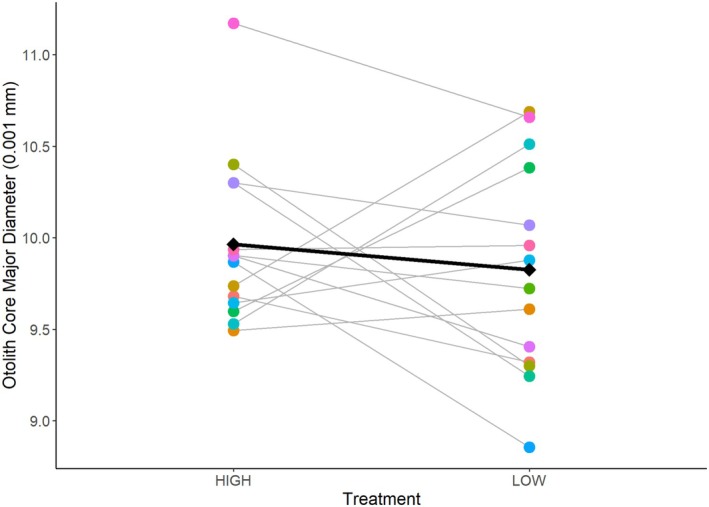 Figure 1
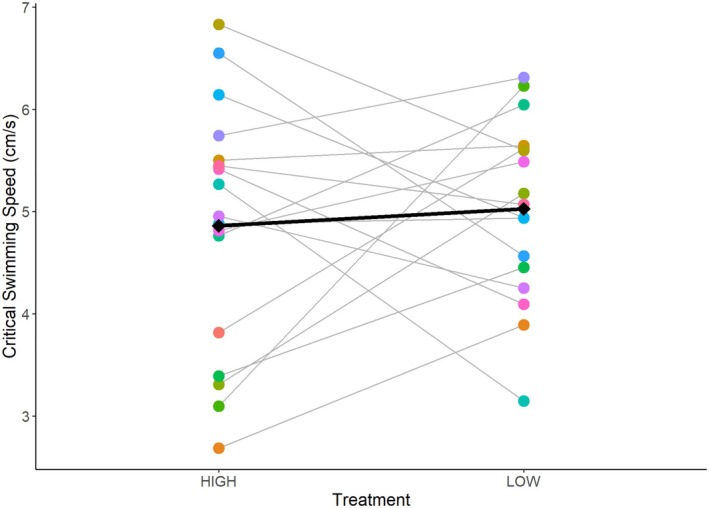 Figure 2
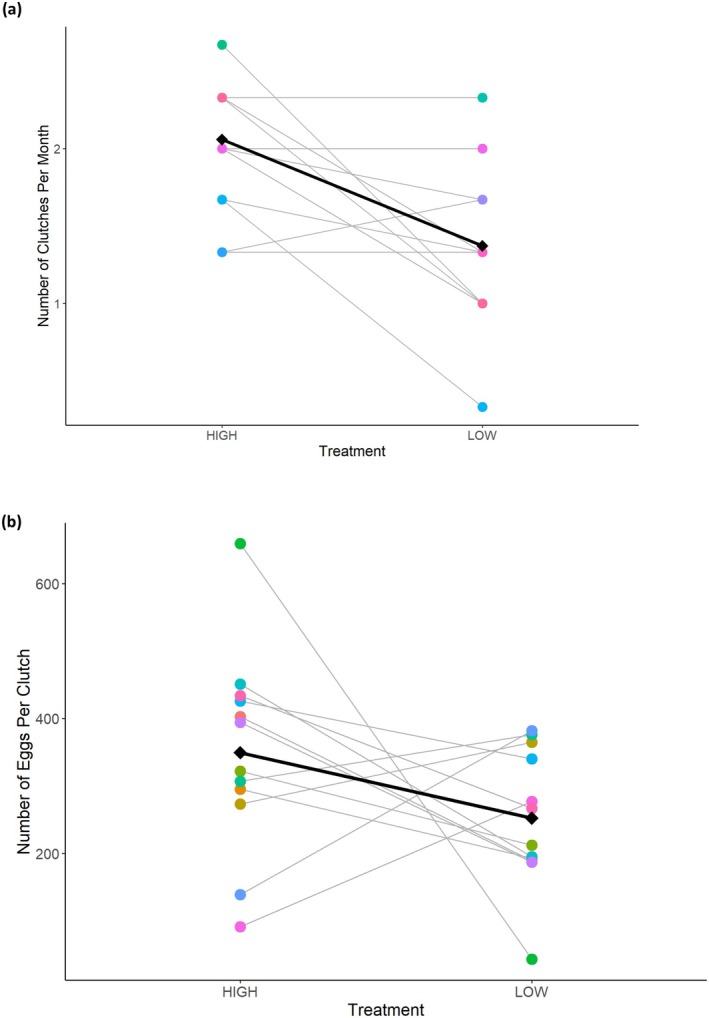 Figure 3
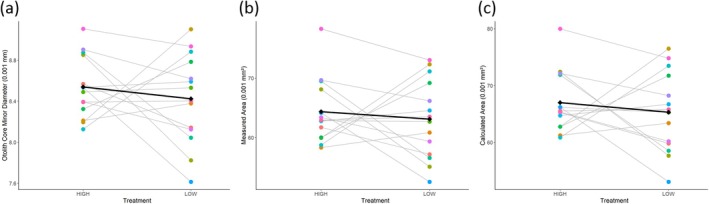 Figure 4
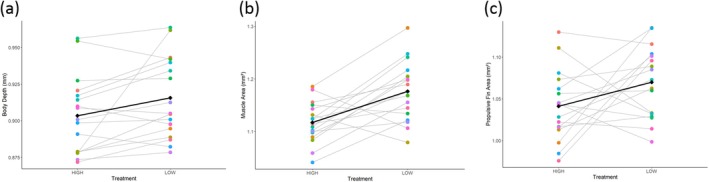 Figure 5
 Figure 6
 Figure 7
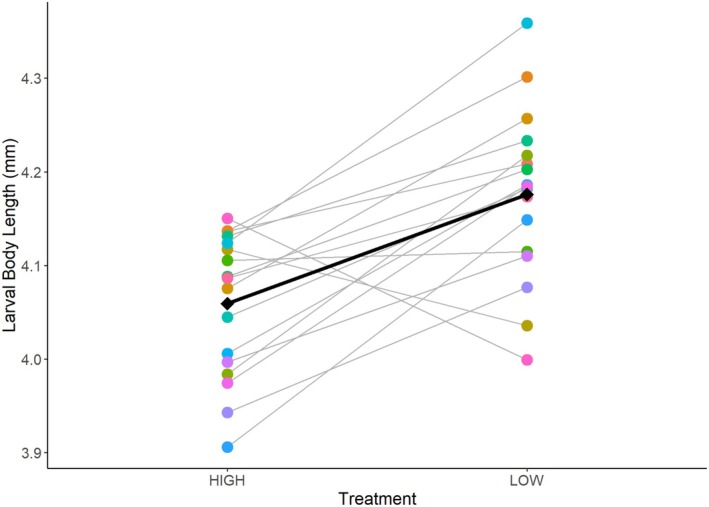 Figure 8
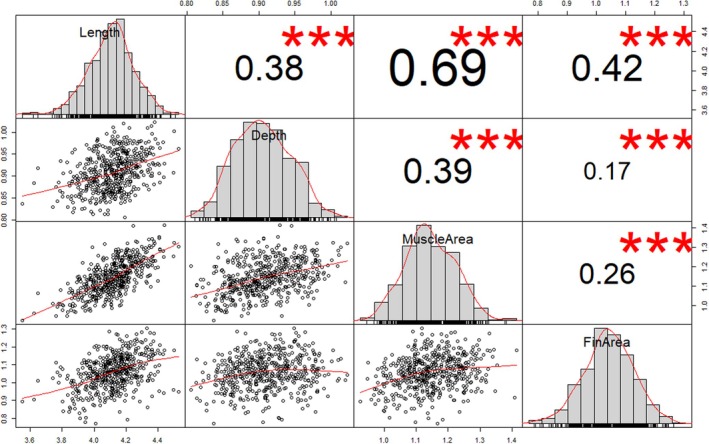 Figure 9
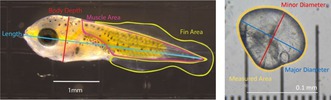 Figure 10
Peer Reviews
No public reviews on file for this paper yet. If you reviewed it on a platform where reviews are public (OpenReview, ICLR, NeurIPS, ICML), you can paste yours below so the community can read it here.
Videos
No videos yet. Explain this paper in a talk, walkthrough, or lecture? Add one.
Taxonomy
TopicsMarine and fisheries research · Coral and Marine Ecosystems Studies · Fish Ecology and Management Studies