Targeting the SARS-CoV‑2 RNA Translation Initiation Element SL1 by Molecules of Low Molecular Weight
Sabrina Toews, Francesca Donà, Marco Keller, Jürgen Krauß, Franz Bracher, Úrsula López-García, Jörg Pabel, Daniel Merk, Marcel J. J. Blommers, Jan Ferner, Anna Wacker, Christian Richter, Harald Schwalbe

TL;DR
This paper describes the development of small molecules that inhibit SARS-CoV-2 RNA translation by targeting a key RNA structure called SL1.
Contribution
The study introduces a novel NMR-guided approach to design low molecular weight inhibitors targeting the SARS-CoV-2 SL1 RNA element.
Findings
Two compounds, A.2 and A.13, showed significant and selective inhibition of SL1 in a cell-free translation assay.
NMR spectroscopy was used effectively to guide fragment derivatization and optimize binding affinity and specificity.
The study highlights the potential of targeting viral RNA structures for antiviral drug development.
Abstract
We present the development of low molecular weight inhibitors that target the 5′-terminal RNA stem-loop 1 (SL1) of the SARS-CoV-2 genome. SL1 is crucial for allowing viral protein synthesis in the context of global translational repression in infected cells. We applied compound- and RNA-detected nuclear magnetic resonance spectroscopy (NMR) experiments to guide a fragment-growth strategy based on two primary NMR screening hits from a diverse fragment library poised for follow-up chemistry. These primary hits with molecular weights of around 200 Da were derivatized with the aim of improving the initial solubility, binding affinity, and target specificity. We used NMR to monitor solubility changes, binding affinity, and specific binding to the SL1 binding pocket during the fragment derivatization campaign. Compounds scoring the best in all three categories were further tested for their…
Genes, proteins, chemicals, diseases, species, mutations and cell lines named across the full text — each resolved to its canonical identifier and authoritative record.
Click any figure to enlarge with its caption.
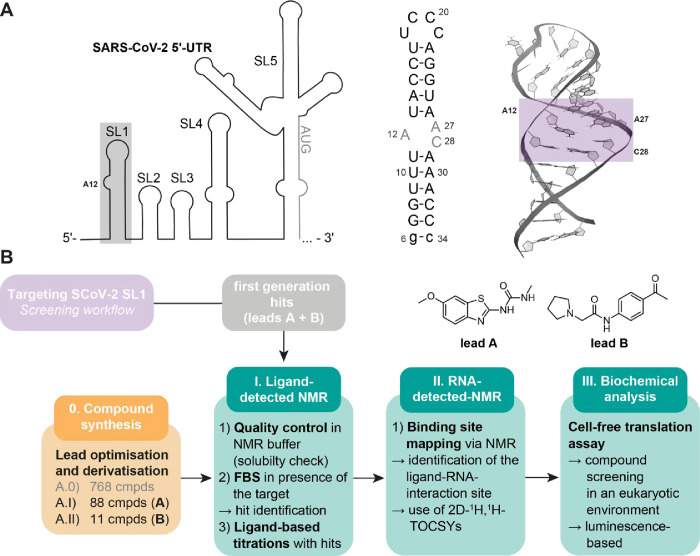 Figure 1
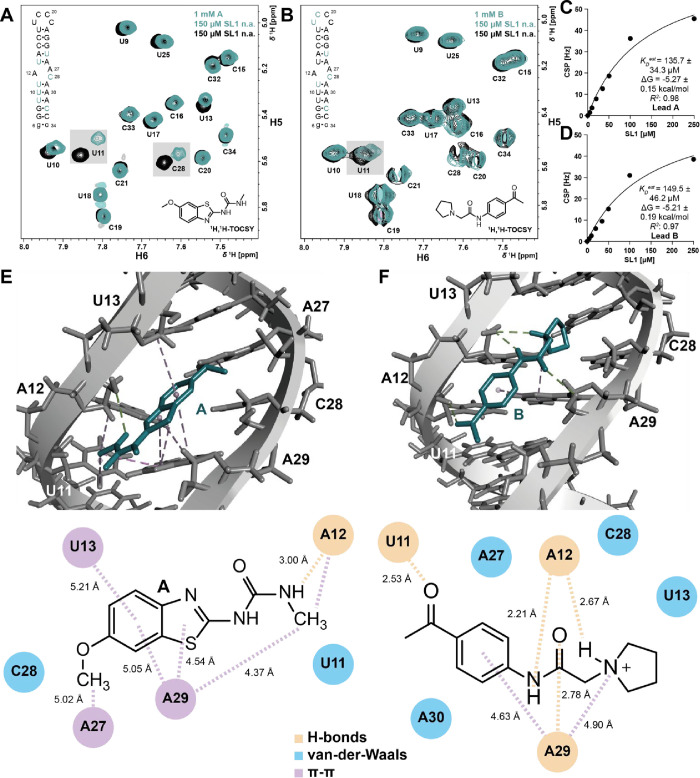 Figure 2
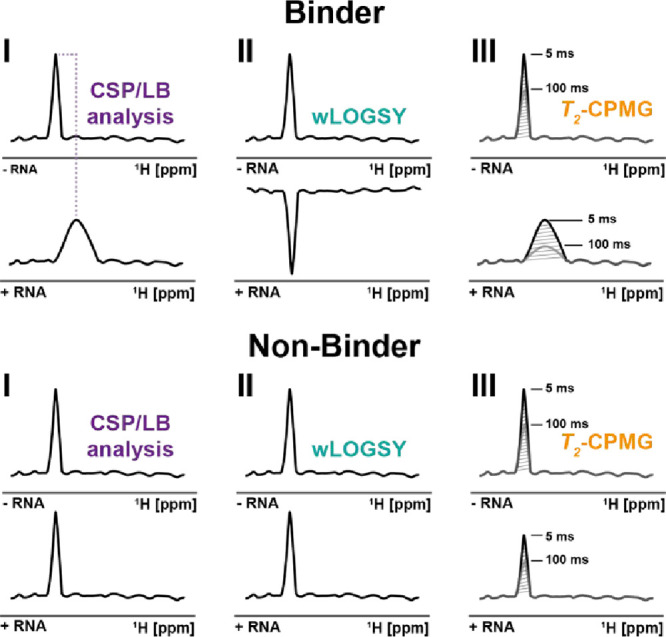 Figure 3
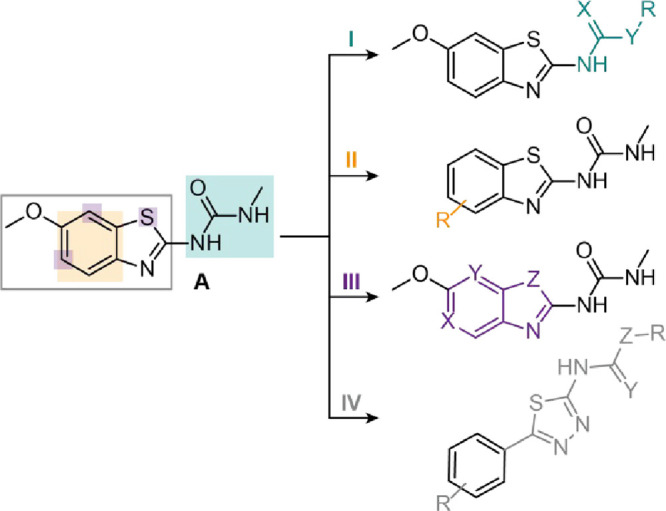 Figure 4
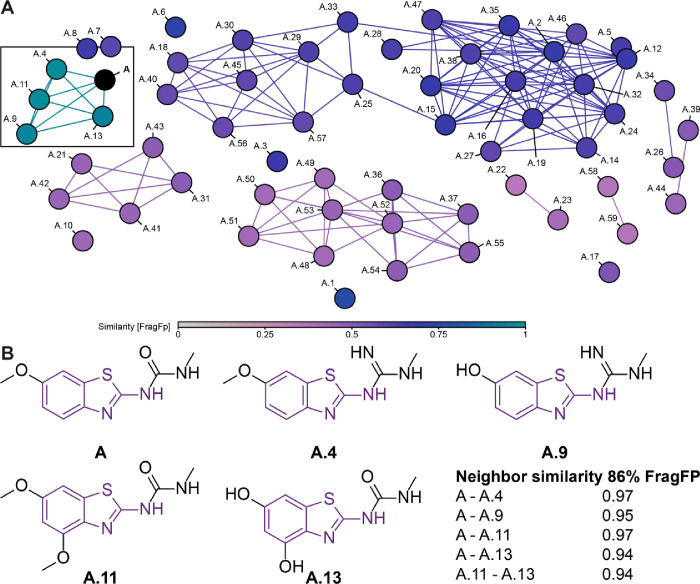 Figure 5
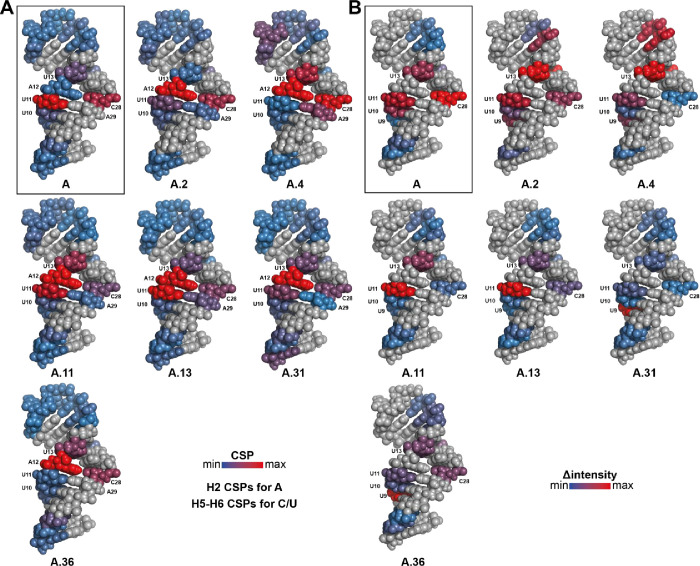 Figure 6
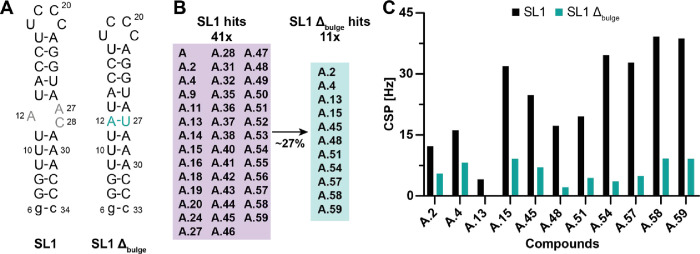 Figure 7
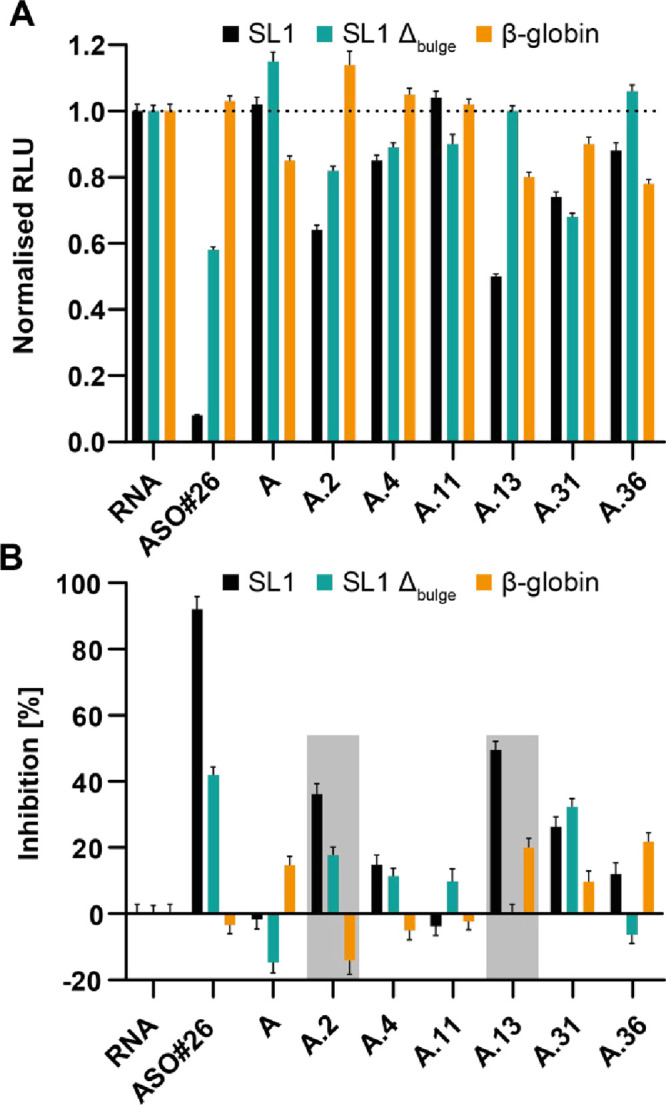 Figure 8
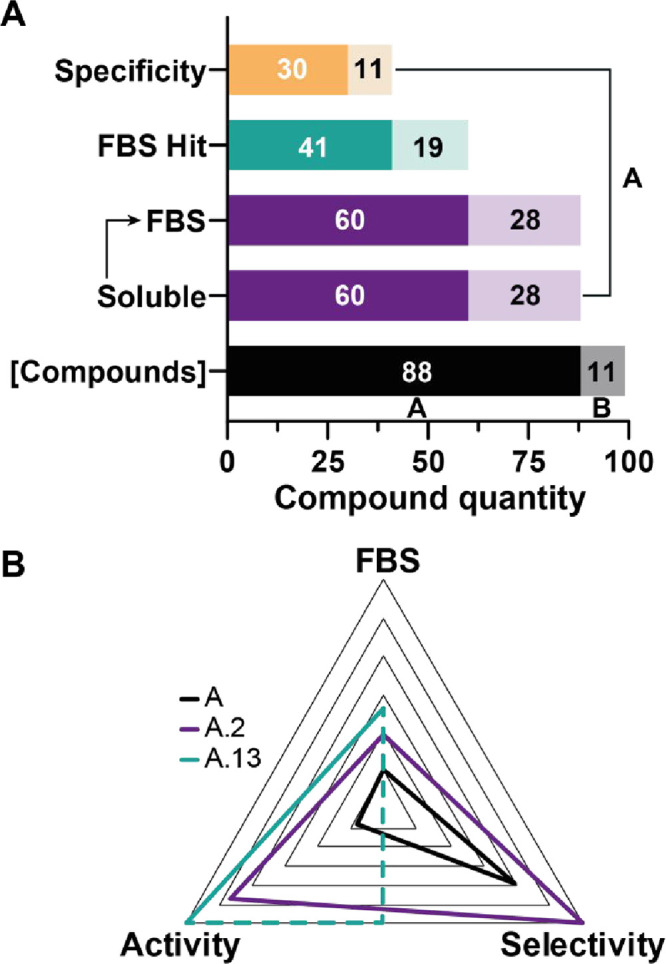 Figure 9
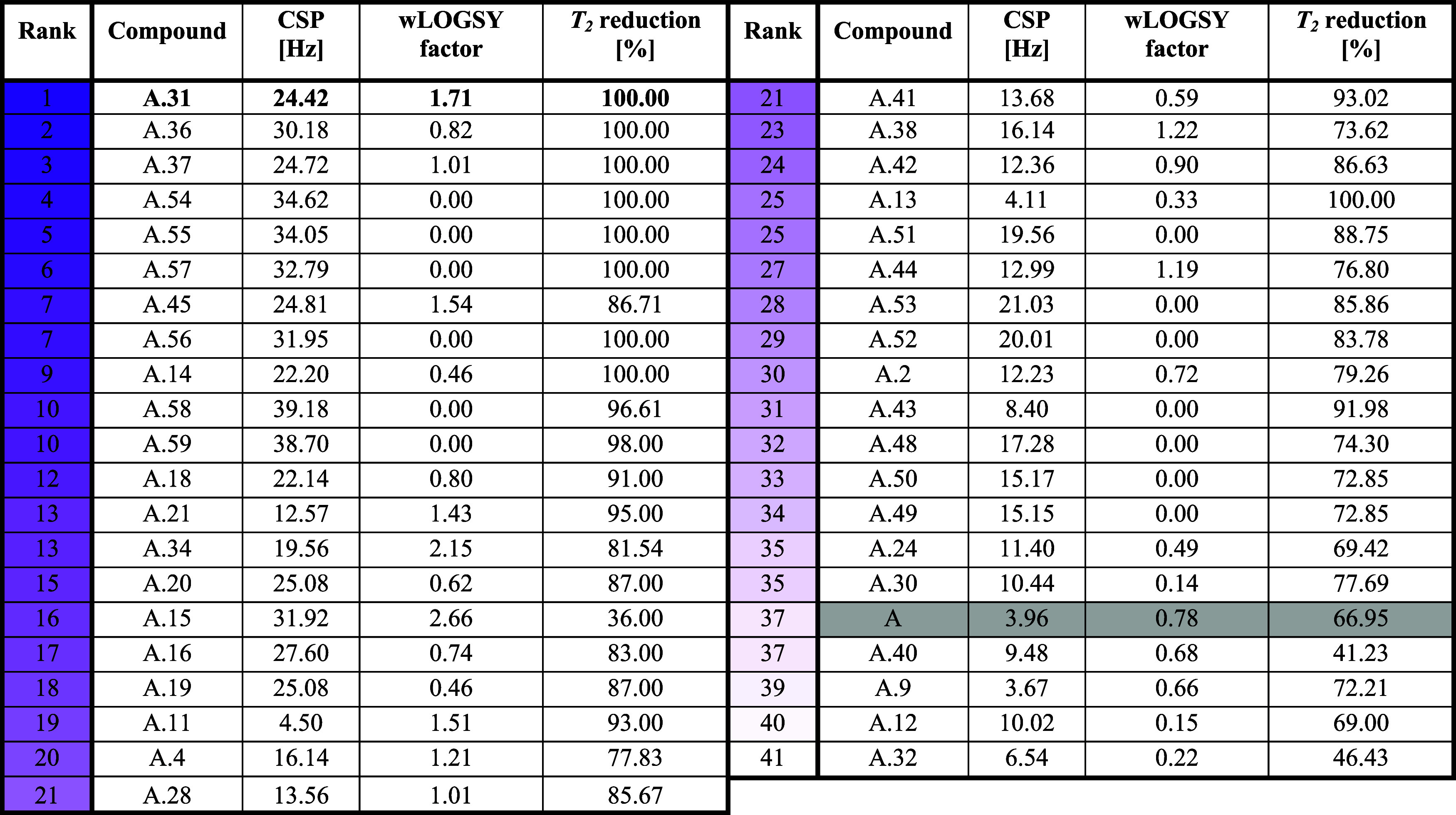 Figure 10
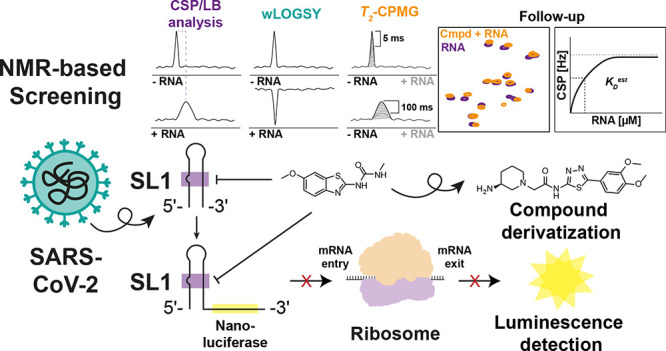 Figure 11
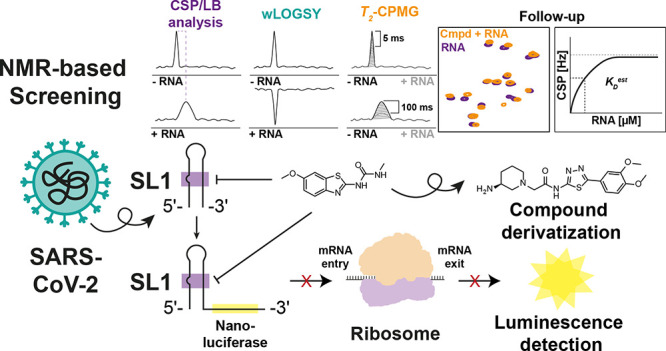 Figure 12
 Figure 13
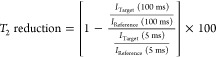 Figure 14
 Figure 15
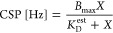 Figure 16
Peer Reviews
No public reviews on file for this paper yet. If you reviewed it on a platform where reviews are public (OpenReview, ICLR, NeurIPS, ICML), you can paste yours below so the community can read it here.
Videos
No videos yet. Explain this paper in a talk, walkthrough, or lecture? Add one.
Taxonomy
TopicsRNA and protein synthesis mechanisms · Viral Infections and Immunology Research · Viral gastroenteritis research and epidemiology