Blood-brain barrier disruption mediates the association between cerebral small vessel disease and clinical outcome after stroke: a secondary analysis of the Lesion Evolution in Stroke and Ischemia on Neuroimaging study
Derrick N. Okine, Kyle C. Kern, Marie Luby, Lawrence L. Latour, Rebecca F. Gottesman

TL;DR
This study suggests that blood-brain barrier disruption may explain why brain changes called white matter hyperintensities are linked to worse outcomes after stroke.
Contribution
The study identifies blood-brain barrier disruption as a potential mediator linking white matter hyperintensities to stroke outcomes.
Findings
Higher white matter hyperintensity severity was associated with increased risk of severe diffuse HARM.
Severe HARM partially mediated the relationship between white matter hyperintensities and discharge NIHSS scores.
The mediation effect explained 23% of the association between white matter hyperintensities and stroke outcomes.
Abstract
White matter hyperintensities (WMH) in patients presenting with acute ischemic stroke are associated with worse clinical outcomes, but the mechanisms underlying this association are unclear. The purpose of this study was to determine whether blood-brain barrier (BBB) disruption, detected as the hyperintense acute reperfusion marker (HARM) on post-gadolinium follow-up FLAIR MRI, is associated with WMH and mediates the association between WMH and stroke outcomes. This is a secondary analysis of the LESION study, where patients with suspected acute ischemic stroke who were candidates for acute stroke intervention or had a baseline NIHSS ≥4 underwent serial multimodal MRI within 24 h of last-known-well time, and again at 2 or 24 h. WMH were visually graded on baseline FLAIR for presence and severity (minor or moderate-severe). HARM was evaluated on post-gadolinium FLAIR for presence and…
Genes, proteins, chemicals, diseases, species, mutations and cell lines named across the full text — each resolved to its canonical identifier and authoritative record.
Click any figure to enlarge with its caption.
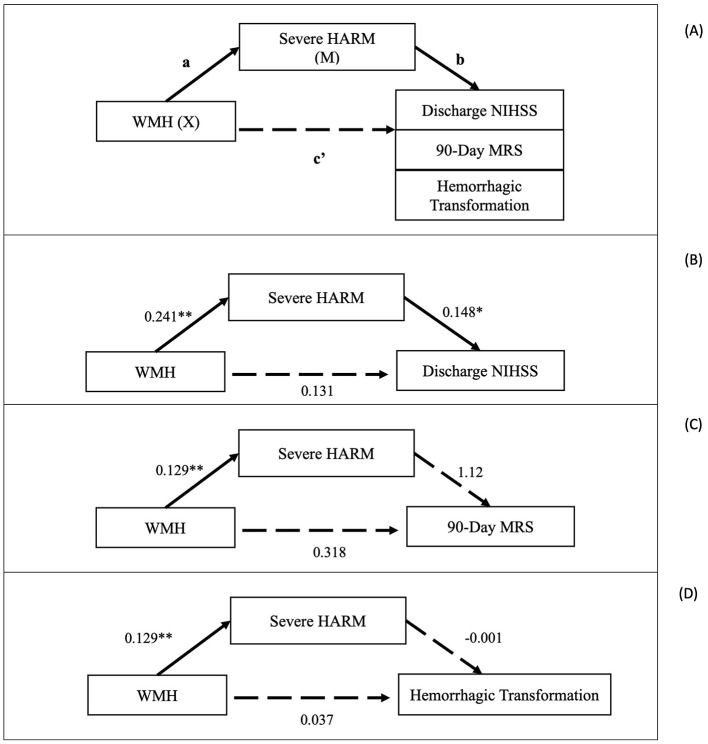 Figure 1
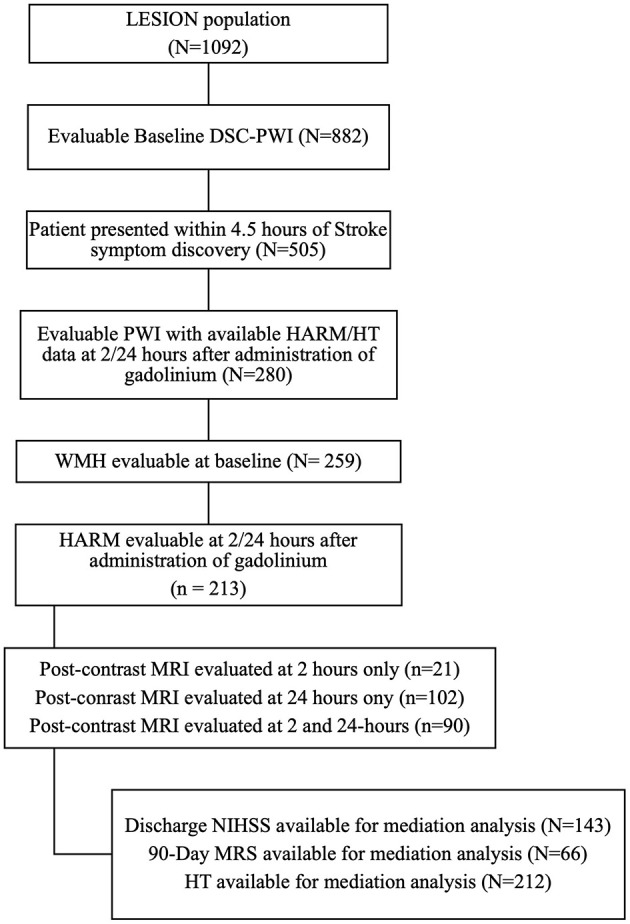 Figure 2
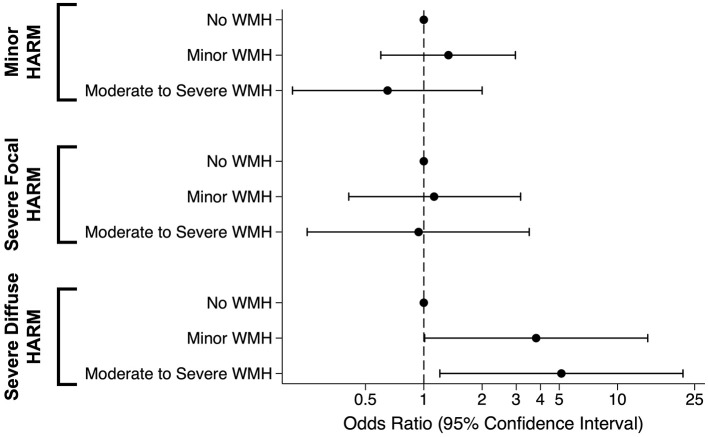 Figure 3
Peer Reviews
No public reviews on file for this paper yet. If you reviewed it on a platform where reviews are public (OpenReview, ICLR, NeurIPS, ICML), you can paste yours below so the community can read it here.
Videos
No videos yet. Explain this paper in a talk, walkthrough, or lecture? Add one.
Taxonomy
TopicsAcute Ischemic Stroke Management · Cerebrovascular and Carotid Artery Diseases · Neurological Disease Mechanisms and Treatments