Structural insights into the nirmatrelvir-resistant SARS-CoV-2 Mpro L50F/E166A/L167F triple mutant-inhibitor-complex reveal strategies for next generation coronaviral inhibitor design
Conrad Fischer, Jimmy Lu, Marco J. van Belkum, Sydney Demmon, Pu Chen, Chaoxiang Wang, Tayla J. Van Oers, Tess Lamer, M. Joanne Lemieux, John C. Vederas

TL;DR
This study explores a nirmatrelvir-resistant SARS-CoV-2 variant and identifies a potent inhibitor that could guide the design of next-generation antiviral drugs.
Contribution
The study provides structural insights into a resistant Mpro variant and identifies a new inhibitor for broad-spectrum coronavirus treatment.
Findings
Compound 4 effectively inhibits the nirmatrelvir-resistant Mpro L50F/E166A/L167F variant at low nanomolar concentrations.
A co-crystal structure reveals how mutated residues stabilize inhibitor binding, guiding future inhibitor design.
The findings support strategies for developing pan-coronaviral inhibitors effective against emerging variants.
Abstract
Drug-resistance is an eminent threat in antiviral therapy, and is currently a concern in nirmatrelvir-based therapy of SARS-CoV-2. Nirmatrelvir (antiviral component in Paxlovid) binds covalently to the active site cysteine of the main protease of SARS-CoV-2 (Mpro), thereby blocking enzyme activity and halting viral replication. In vitro passage experiments mimicking a multi-dosage nirmatrelvir treatment regime, identified Mpro variants with mutations in the active site and near the C-terminal dimerization interface with variable levels of nirmatrelvir resistance. One such variant harbors a triple mutation in Mpro, L50F/E166A/L167F, that displays decreased potency for nirmatrelvir (IC50 ∼ 850–1600 nM) and ibuzatrelvir while viral replication remained similar to that of the wildtype (WT) virus. We here confirm a previously developed short peptide aldehyde bisulfite compound 4 as potent…
Genes, proteins, chemicals, diseases, species, mutations and cell lines named across the full text — each resolved to its canonical identifier and authoritative record.
Click any figure to enlarge with its caption.
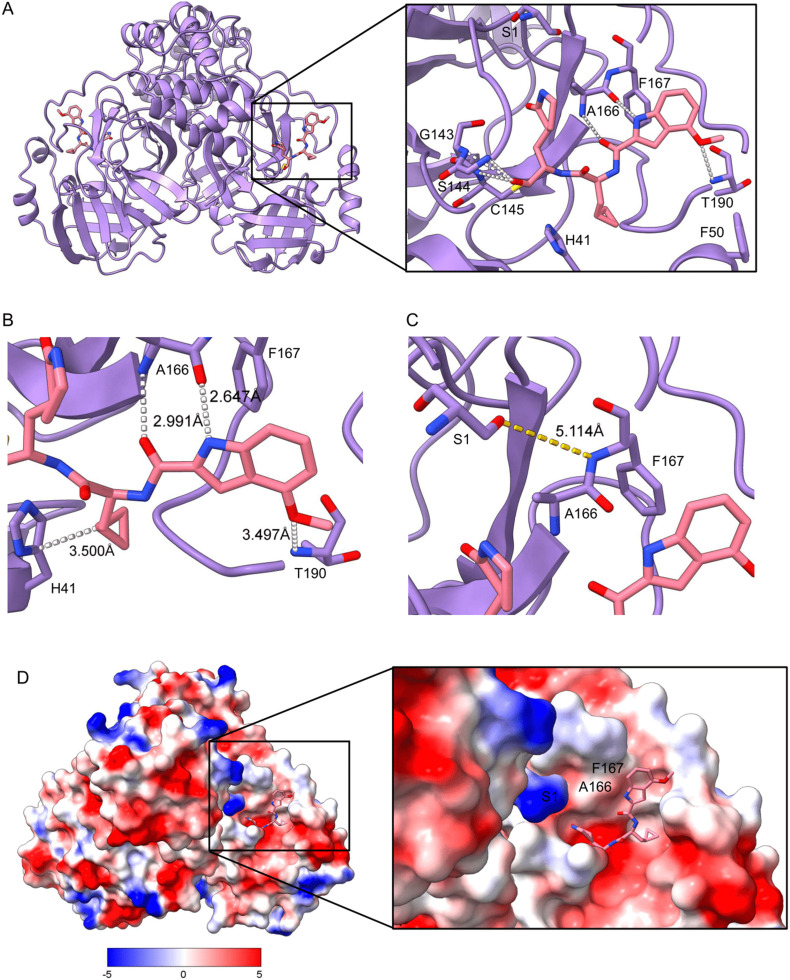 Figure 1
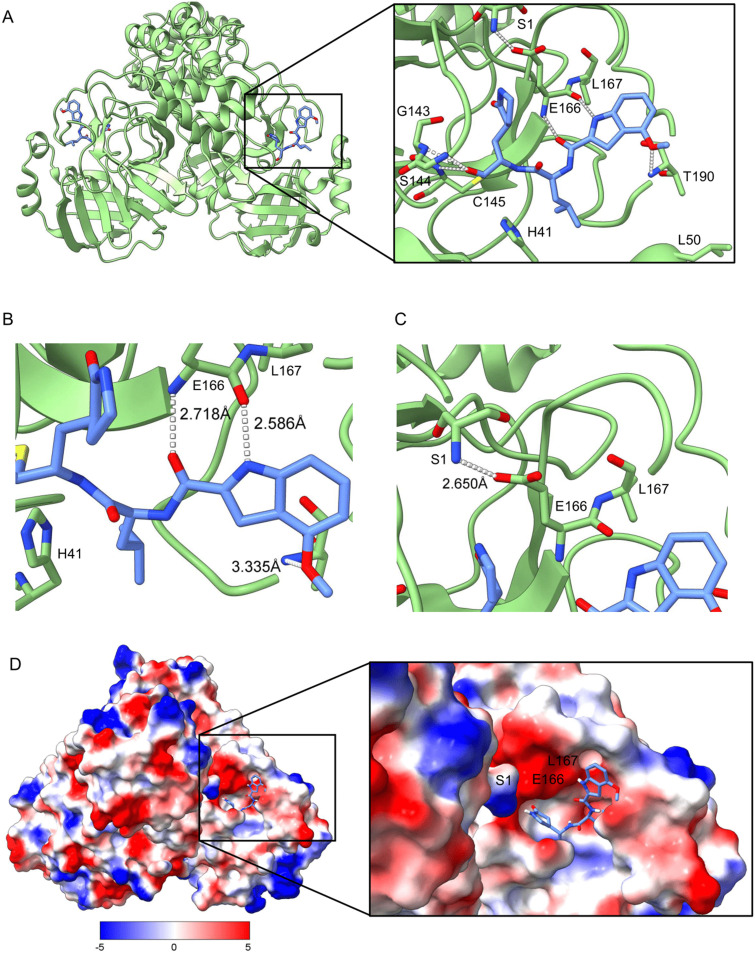 Figure 2
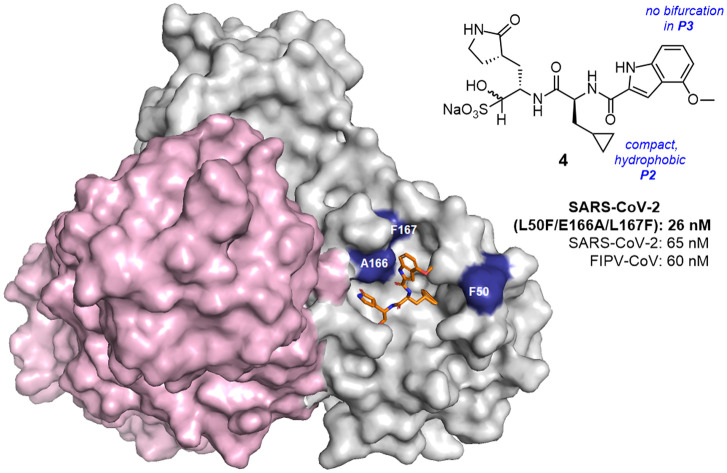 Figure 3
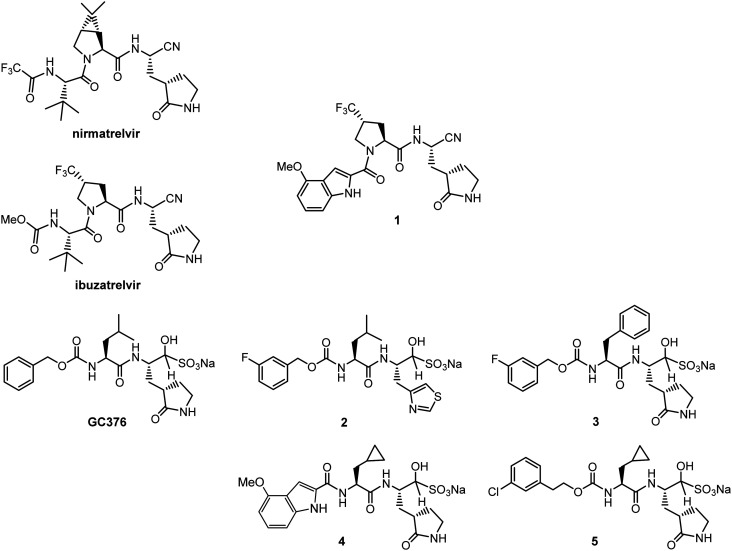 Figure 4
Peer Reviews
No public reviews on file for this paper yet. If you reviewed it on a platform where reviews are public (OpenReview, ICLR, NeurIPS, ICML), you can paste yours below so the community can read it here.
Videos
No videos yet. Explain this paper in a talk, walkthrough, or lecture? Add one.
Taxonomy
TopicsSARS-CoV-2 and COVID-19 Research · Viral Infections and Immunology Research · Bacteriophages and microbial interactions