Synthesis, Properties, and Metathesis Activity of Polyurethane Thermoplastics and Thermosets from a Renewable Polysesquiterpene Diol
Carli B. Kovel, Hannah Perine, Paul J. Chirik, Megan Mohadjer Beromi

TL;DR
This paper introduces a new type of polyurethane made from renewable materials that can be chemically broken down, offering a sustainable alternative to traditional plastics.
Contribution
A novel renewable polysesquiterpene diol is developed for polyurethanes that can be chemically deconstructed.
Findings
Polyurethanes made with HTPCR show thermal and rheological properties similar to conventional materials.
Both thermoplastic and thermoset PUs can be chemically degraded via ruthenium-mediated metathesis.
The use of β-caryophyllene enables sustainable and reprocessable polyurethanes.
Abstract
Polyurethanes (PUs) are the sixth most commonly utilized plastic class, yet ∼80% of commodity material is landfilled or incinerated at the end of life. Disposal of thermosets is particularly problematic as cross-linking prevents the repurposing of disposed material. Thus, there is considerable interest in the development of PUs derived from inexpensive feedstocks that can be inherently chemically deconstructed. Ring opening metathesis polymerization (ROMP) of the naturally occurring sesquiterpene β-caryophyllene in the presence of dihydroxy chain terminators afforded the polyol hydroxy-terminated polycaryophyllene (HTPCR). Incorporation of HTPCR into PUs through reaction with polyisocyanates produced polymers with thermal and rheological properties comparable to commodity materials. The feasibility of chemical degradation of both thermoplastic and thermoset materials was also…
Genes, proteins, chemicals, diseases, species, mutations and cell lines named across the full text — each resolved to its canonical identifier and authoritative record.
Click any figure to enlarge with its caption.
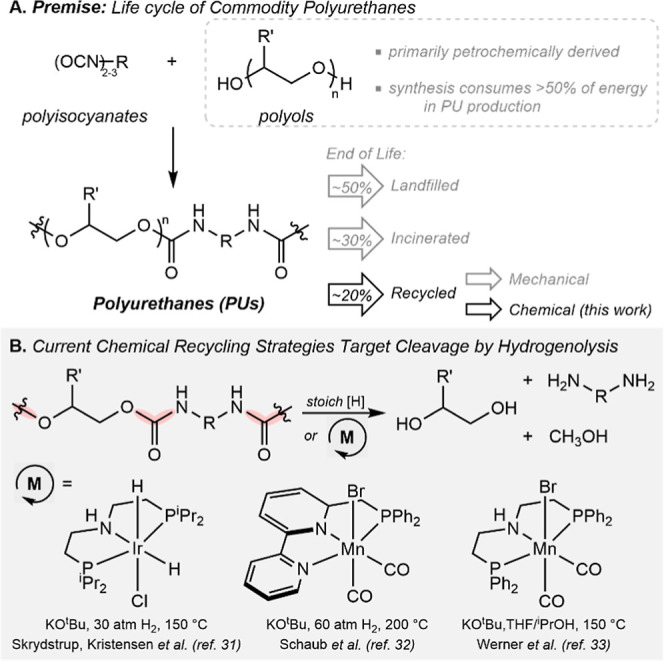 Figure 1
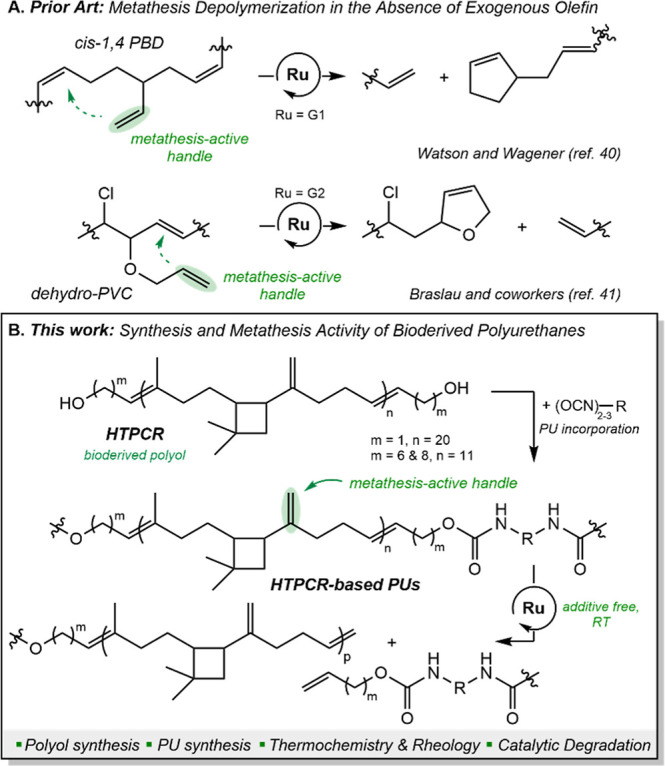 Figure 2
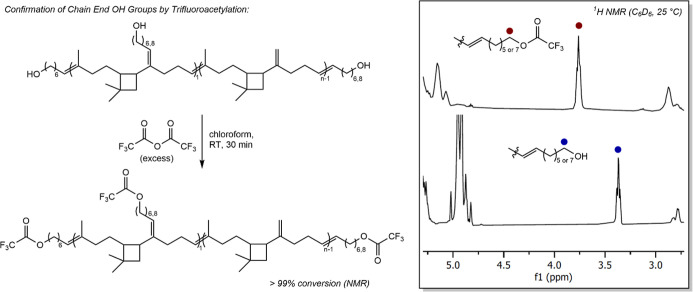 Figure 3
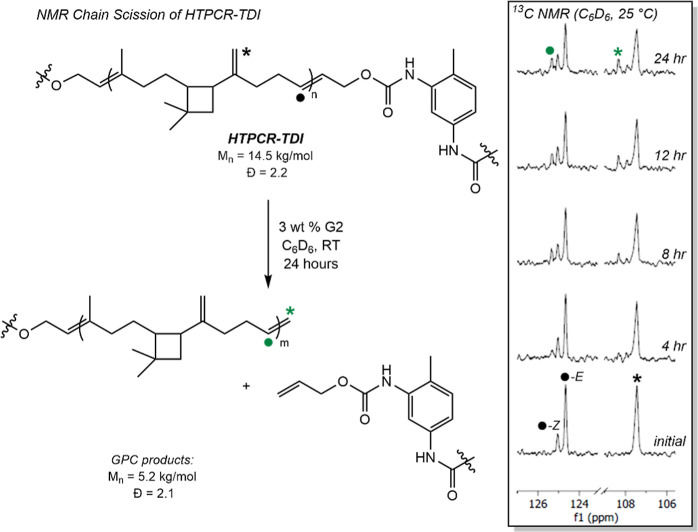 Figure 4
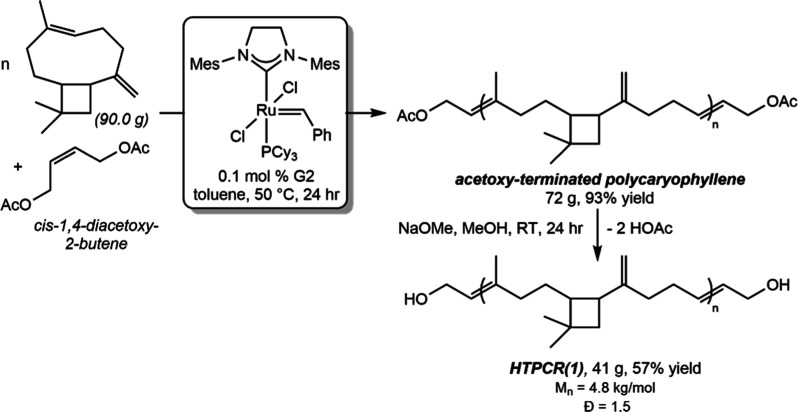 Figure 5
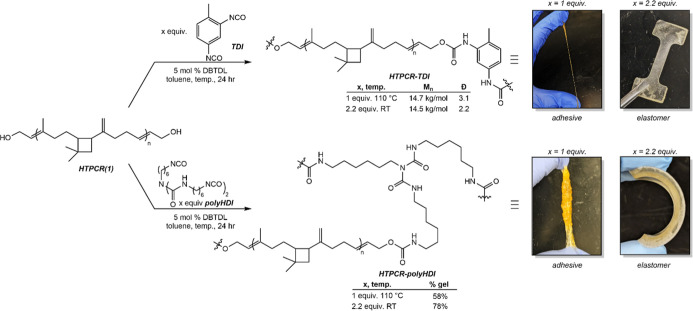 Figure 6
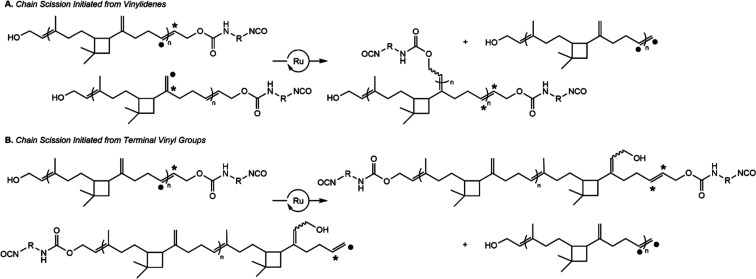 Figure 7
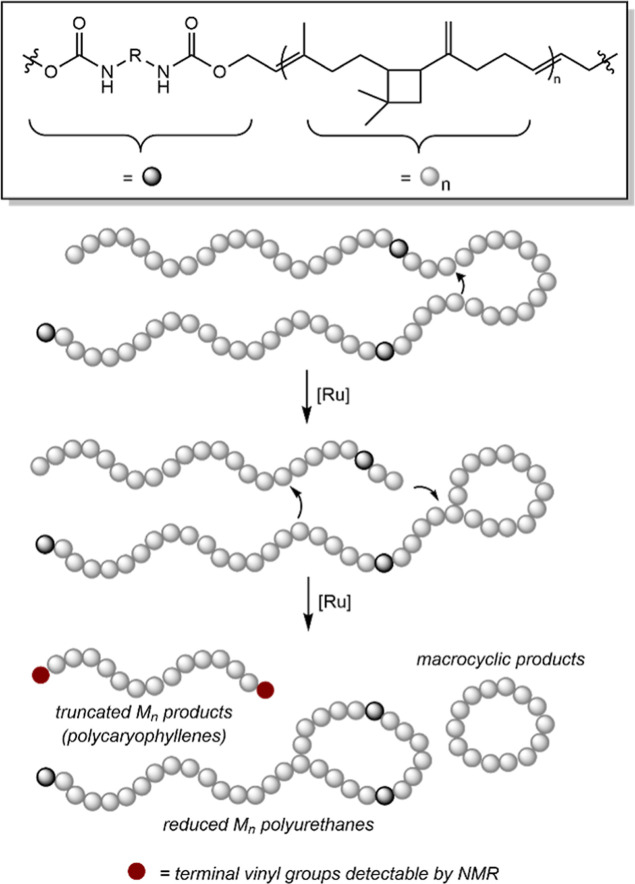 Figure 8
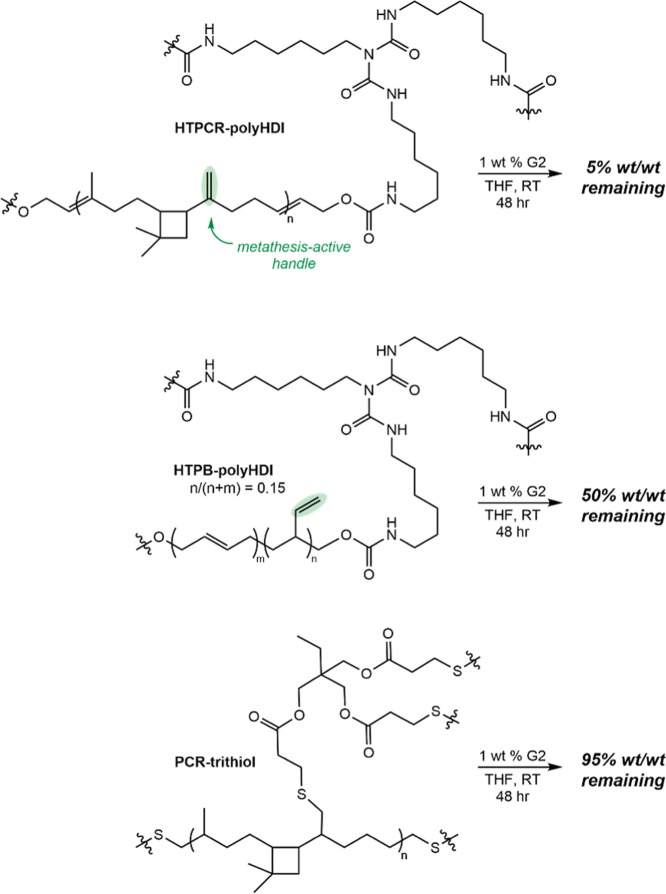 Figure 9
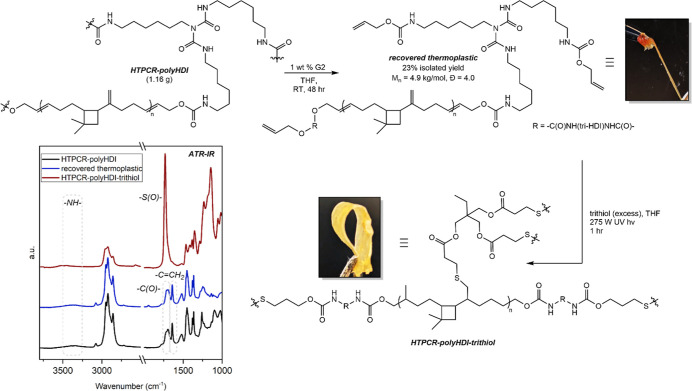 Figure 10
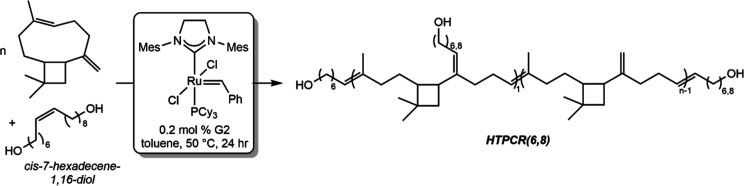 Figure 11
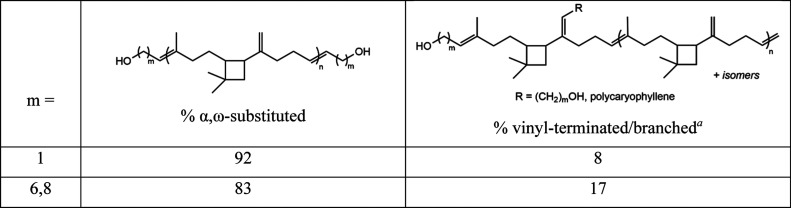 Figure 12
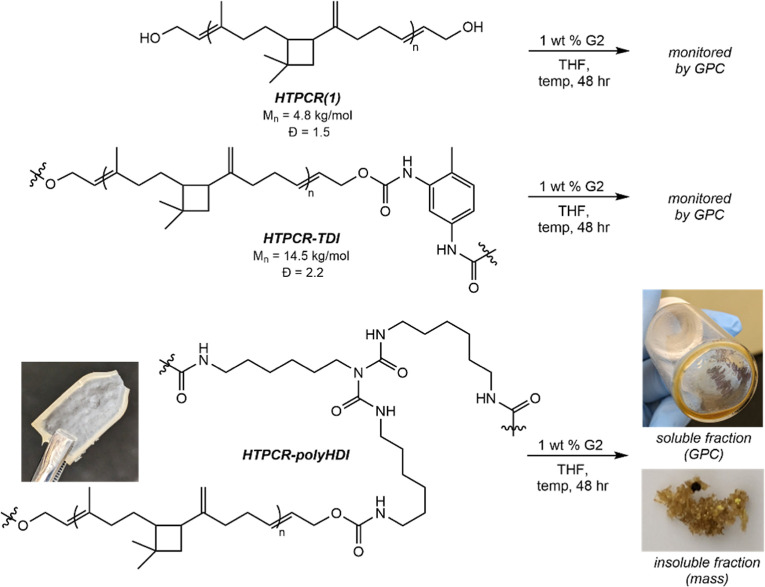 Figure 13
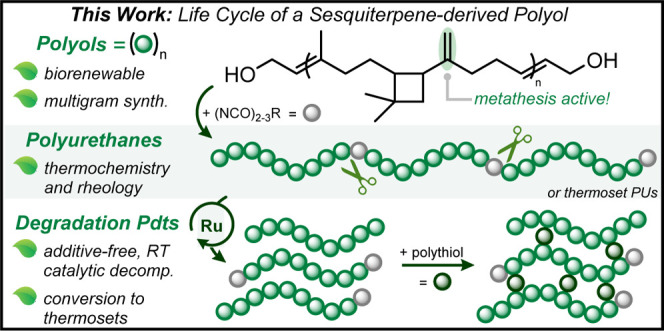 Figure 14
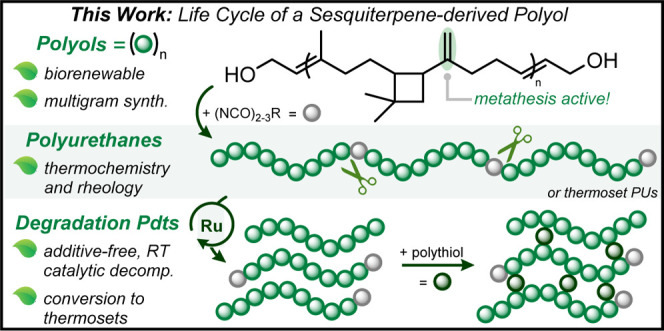 Figure 15
Peer Reviews
No public reviews on file for this paper yet. If you reviewed it on a platform where reviews are public (OpenReview, ICLR, NeurIPS, ICML), you can paste yours below so the community can read it here.
Videos
No videos yet. Explain this paper in a talk, walkthrough, or lecture? Add one.
Taxonomy
TopicsSynthetic Organic Chemistry Methods · Polymer composites and self-healing · biodegradable polymer synthesis and properties