Critical Marangoni Number for Disappearance of Striations during Spin-Coating
Suguru Shiratori, Koji Tanikawa, Toma Kamon, Mizuho Ueda, Takashi Kuroiwa, Hideaki Nagano, Kenjiro Shimano

TL;DR
This study identifies a critical Marangoni number range (90–160) that determines when striations disappear during spin-coating processes.
Contribution
The paper introduces a novel method to determine the critical Marangoni number for striation disappearance using numerical simulation and experimental observation.
Findings
Striations decreased by 3 orders of magnitude when using an epoxy resin and diglyme solvent mixture.
The critical Marangoni number range for striation disappearance was determined as Ma_c = 90–160.
The decay of striations correlates with the Marangoni number falling below a subcritical threshold.
Abstract
This study investigated the striations, which arise as spoke-like thickness undulations during the spin-coating process. It was found that the striations, which once appeared, then disappeared when a mixture of epoxy resin and diglyme solvent was used as the coating fluid. The time-dependent wavelength spectrum was obtained by applying short-time Fourier analysis to the optically measured spatiotemporal thickness variation. The wavelength components corresponding to the striations decreased by 3 orders of magnitude before and after the decay. Under the hypothesis that striations are generated by the type of solutal Marangoni-Bénard instability, the disappearance of the striations can be regarded as the result of the Marangoni number falling below the subcritical value for the occurrence of striations. To determine the critical Marangoni number for the disappearance of the instability,…
Genes, proteins, chemicals, diseases, species, mutations and cell lines named across the full text — each resolved to its canonical identifier and authoritative record.
Click any figure to enlarge with its caption.
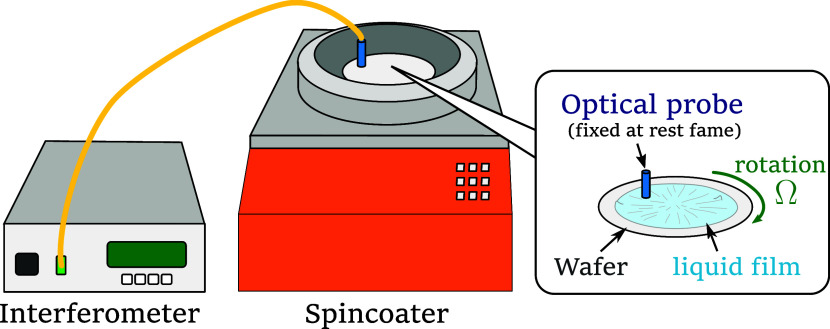 Figure 1
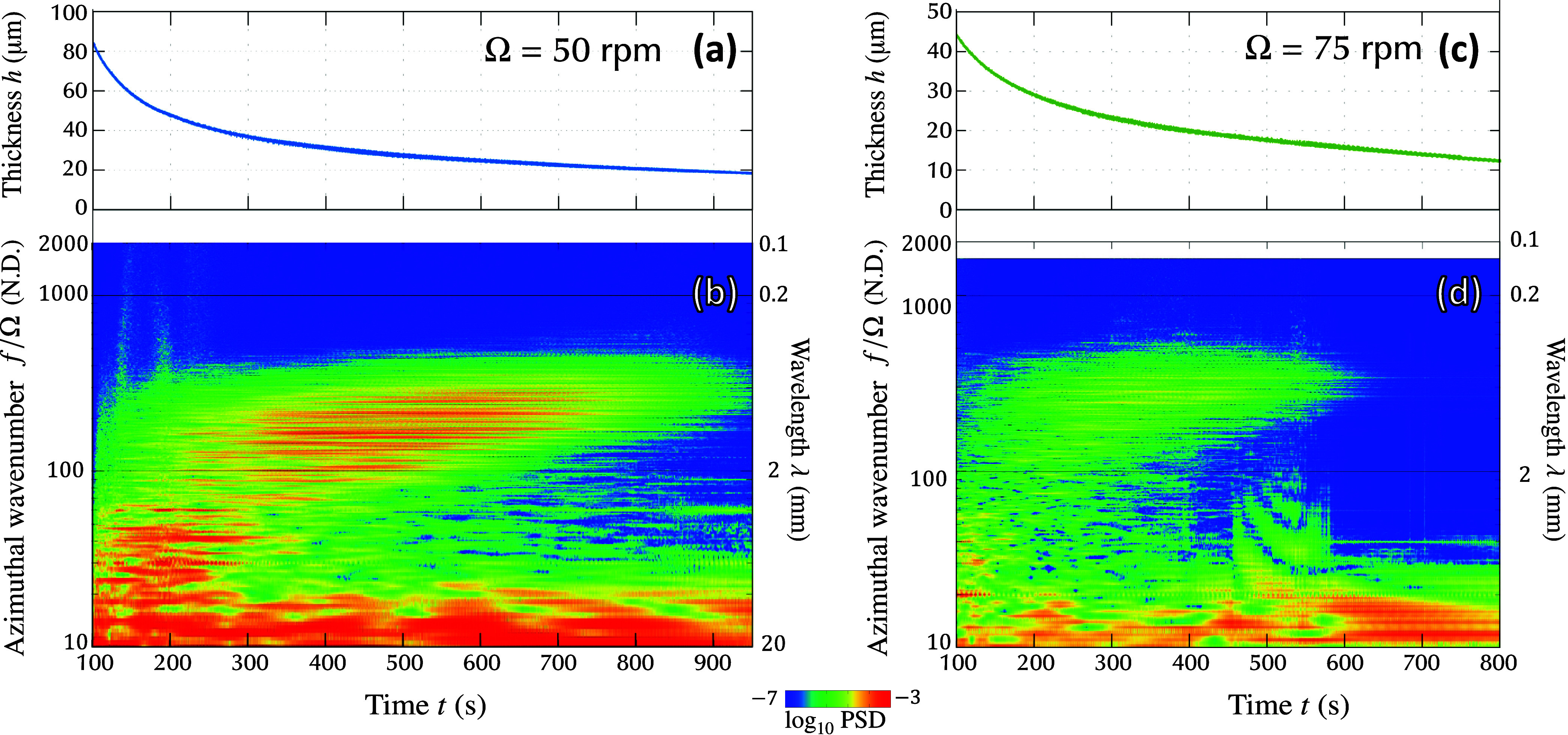 Figure 2
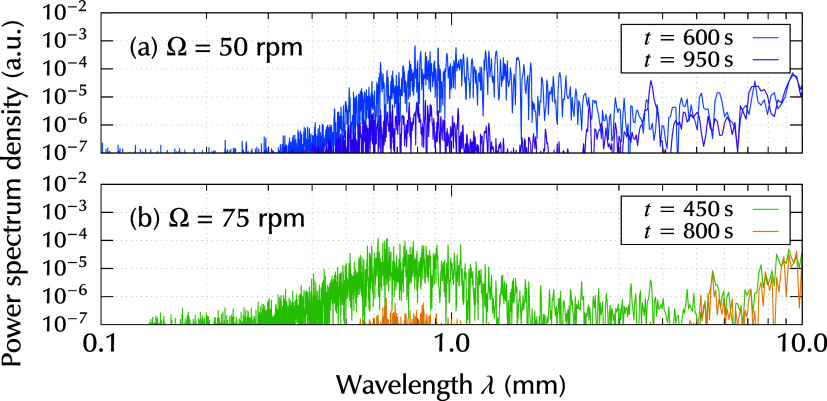 Figure 3
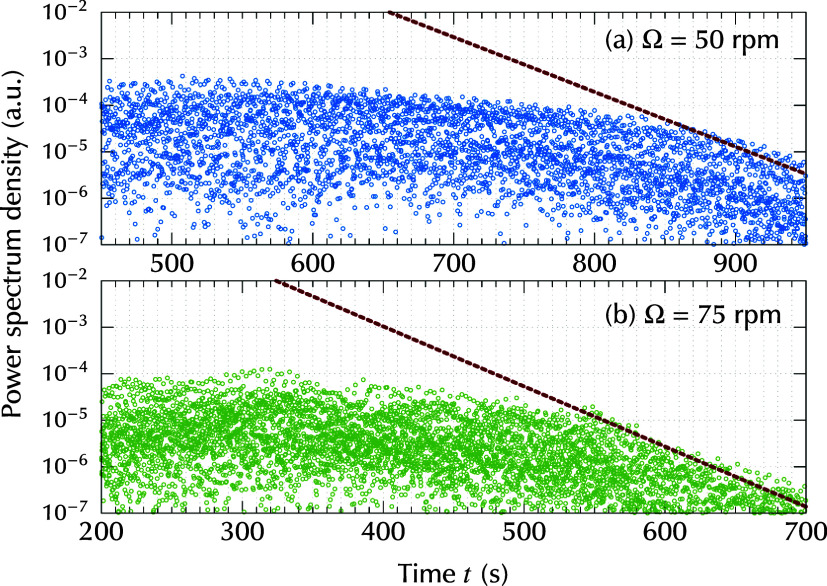 Figure 4
 Figure 5
 Figure 6
 Figure 7
 Figure 8
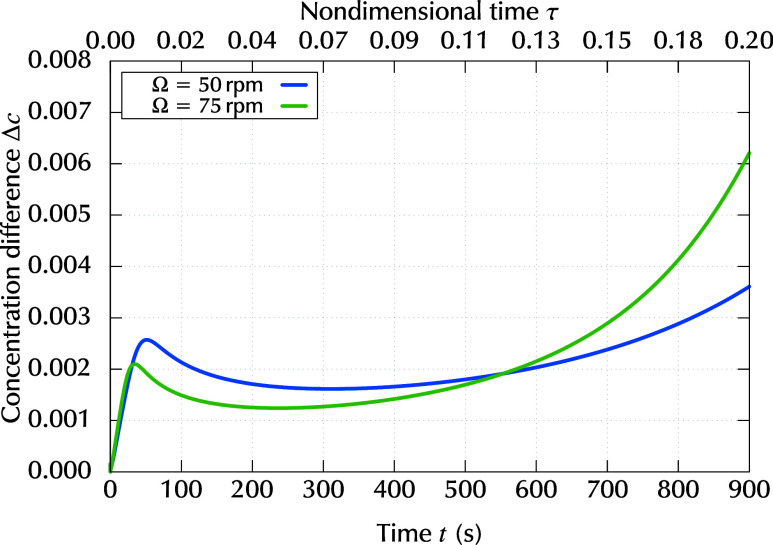 Figure 9
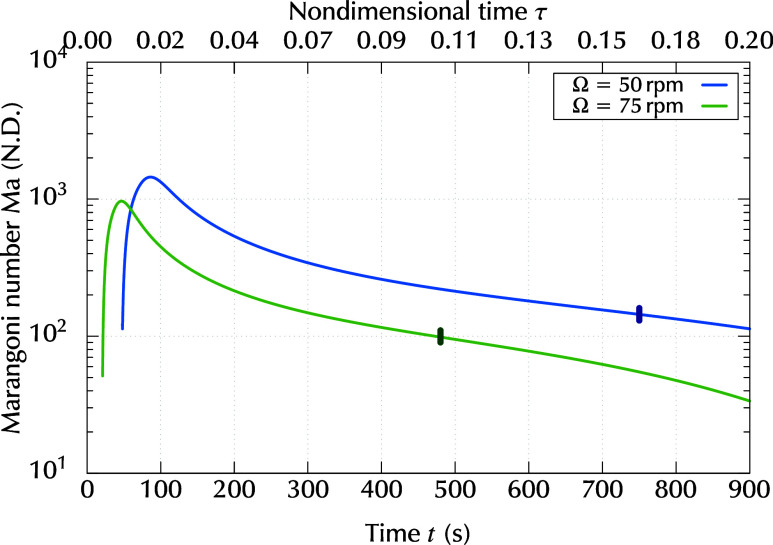 Figure 10
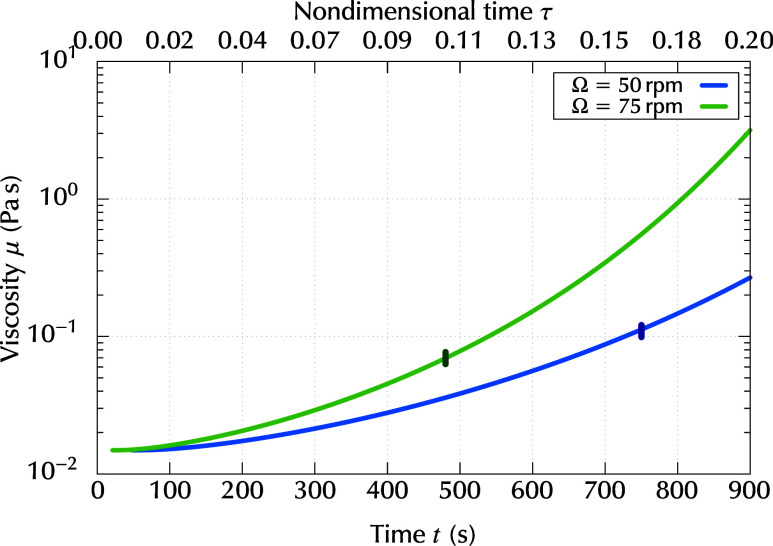 Figure 11
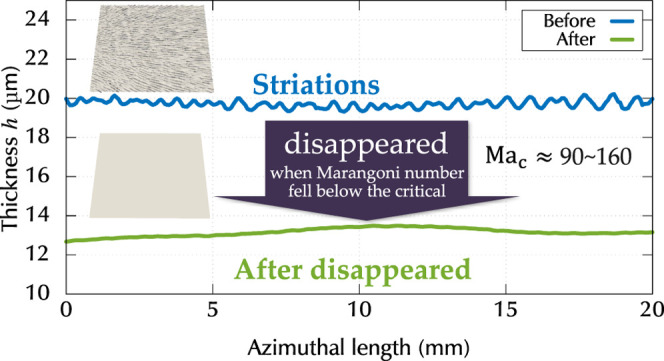 Figure 12
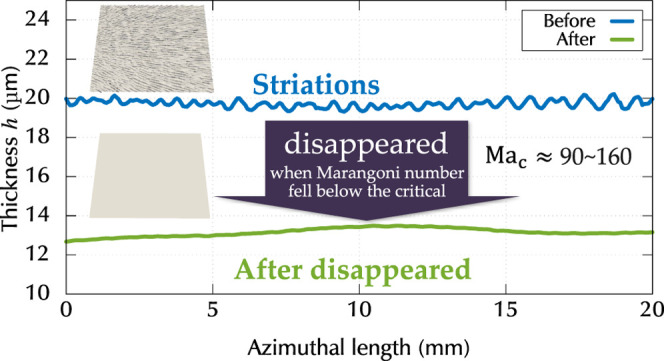 Figure 13
 Figure 14
 Figure 15
 Figure 16
 Figure 17
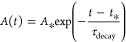 Figure 18
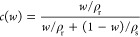 Figure 19
 Figure 20
 Figure 21
 Figure 22
 Figure 23
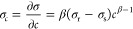 Figure 24
 Figure 25
 Figure 26
 Figure 27
 Figure 28
 Figure 29
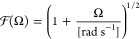 Figure 30
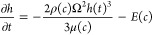 Figure 31
 Figure 32
 Figure 33
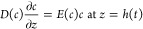 Figure 34
 Figure 35
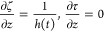 Figure 36
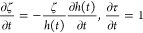 Figure 37
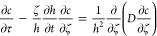 Figure 38
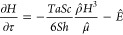 Figure 39
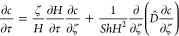 Figure 40
 Figure 41
 Figure 42
 Figure 43
 Figure 44
 Figure 45
 Figure 46
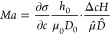 Figure 47
Peer Reviews
No public reviews on file for this paper yet. If you reviewed it on a platform where reviews are public (OpenReview, ICLR, NeurIPS, ICML), you can paste yours below so the community can read it here.
Videos
No videos yet. Explain this paper in a talk, walkthrough, or lecture? Add one.
Taxonomy
TopicsFluid Dynamics and Thin Films · Nanofabrication and Lithography Techniques · Nanomaterials and Printing Technologies