Monitoring of Bicelles Spreading into Floating Lipid Bilayers
Justyna Bożek, Damian Dziubak, Arkadiusz Grempka, Slawomir Sek, Izabella Brand

TL;DR
Researchers studied how bicelles spread to form lipid bilayers on a surface and how the bilayer properties change with electric potential.
Contribution
A novel method to form defect-free floating lipid bilayers from bicelles and study their potential-dependent behavior is presented.
Findings
Bicelles can form compact, defect-free DMPC bilayers on a modified Au(111) surface.
Membrane resistance and acyl chain tilt change linearly with negative potentials but abruptly at positive potentials.
Positive potentials induce defects in the bilayer structure, observed via electrochemical methods.
Abstract
Bicelles are hybrid, disk-shaped aggregates. Bicelles with a diameter of 11.8 ± 0.2 nm containing a long-chain lipid (1,2-dimyristoyl-sn-glycero-3-phosphocholine, DMPC) in their core and a short-chain, rim forming, lipid (1,2-diheptanoyl-sn-glycero-3-phosphocholine, DHPC) were prepared. A 100-fold dilution of the stock bicelle solution destabilizes the aggregate structure. Under this condition, the bicelles spread onto a β-thioglucose:6-mercaptohexanoic acid monolayer modifying Au(111) surface to form a free-standing floating DMPC bilayer while the DHPC molecules form micelles and diffuse into the electrolyte solution. Electrochemical impedance spectroscopy, electrochemically controlled quartz crystal microbalance, and polarization modulation infrared reflection absorption spectroscopy were applied to probe the macroscopic properties and potential-driven molecular scale changes in the…
Genes, proteins, chemicals, diseases, species, mutations and cell lines named across the full text — each resolved to its canonical identifier and authoritative record.
Click any figure to enlarge with its caption.
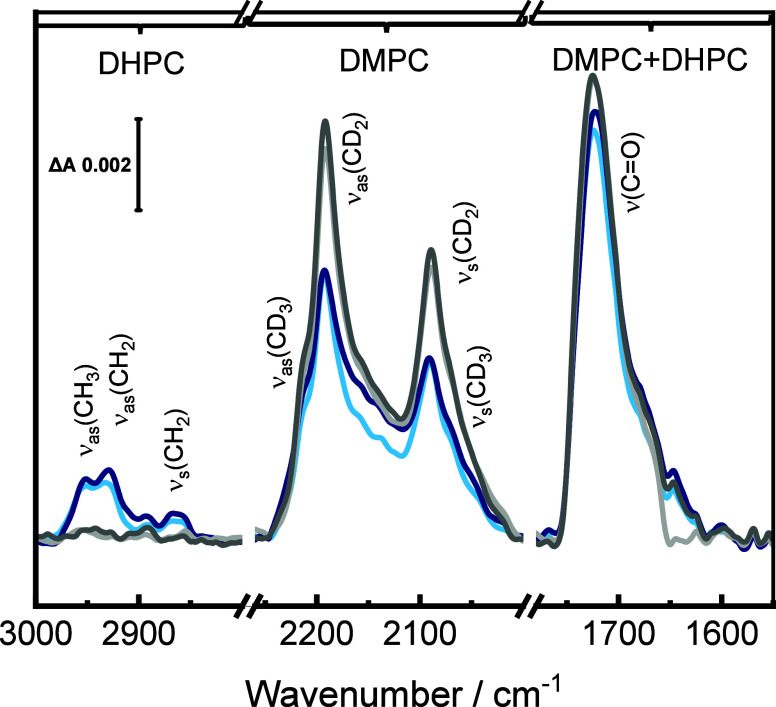 Figure 1
 Figure 2
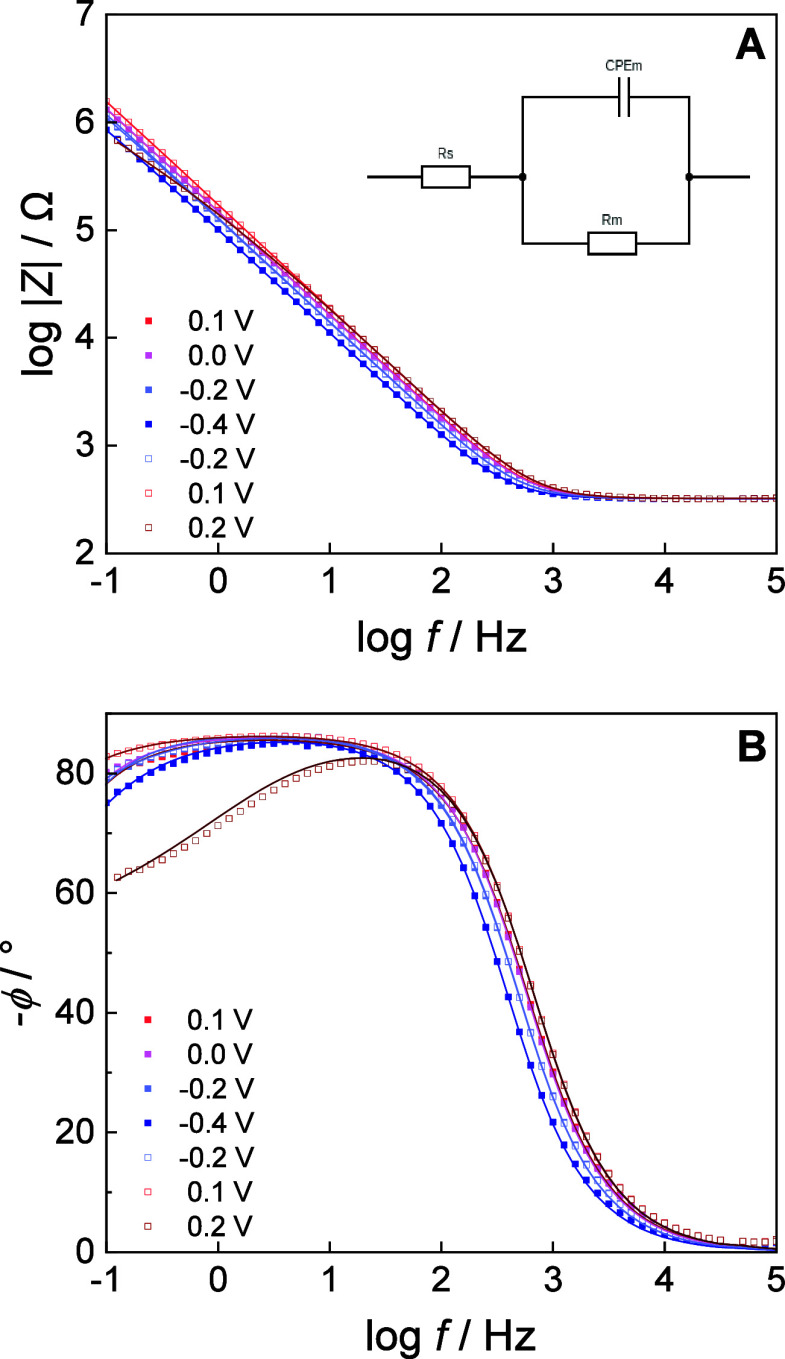 Figure 3
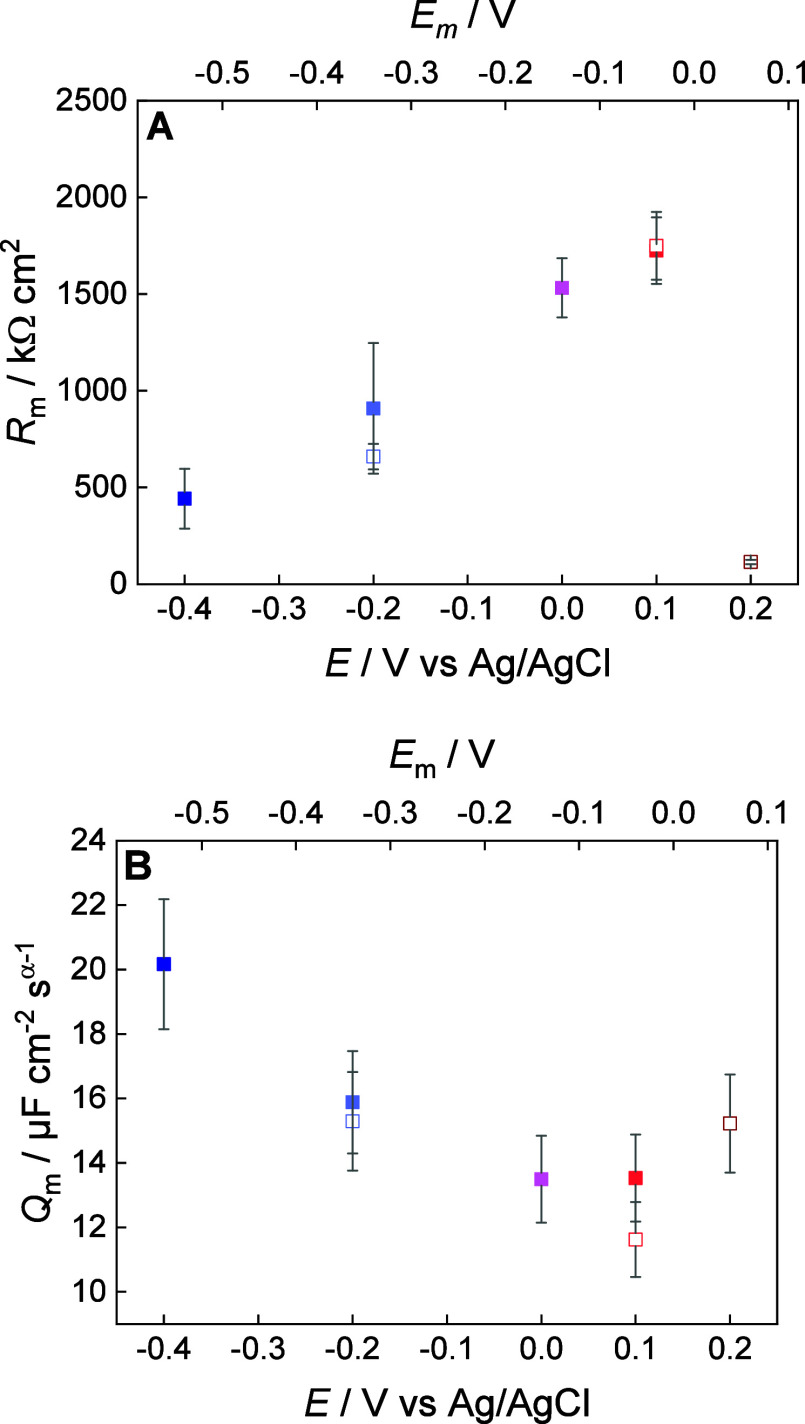 Figure 4
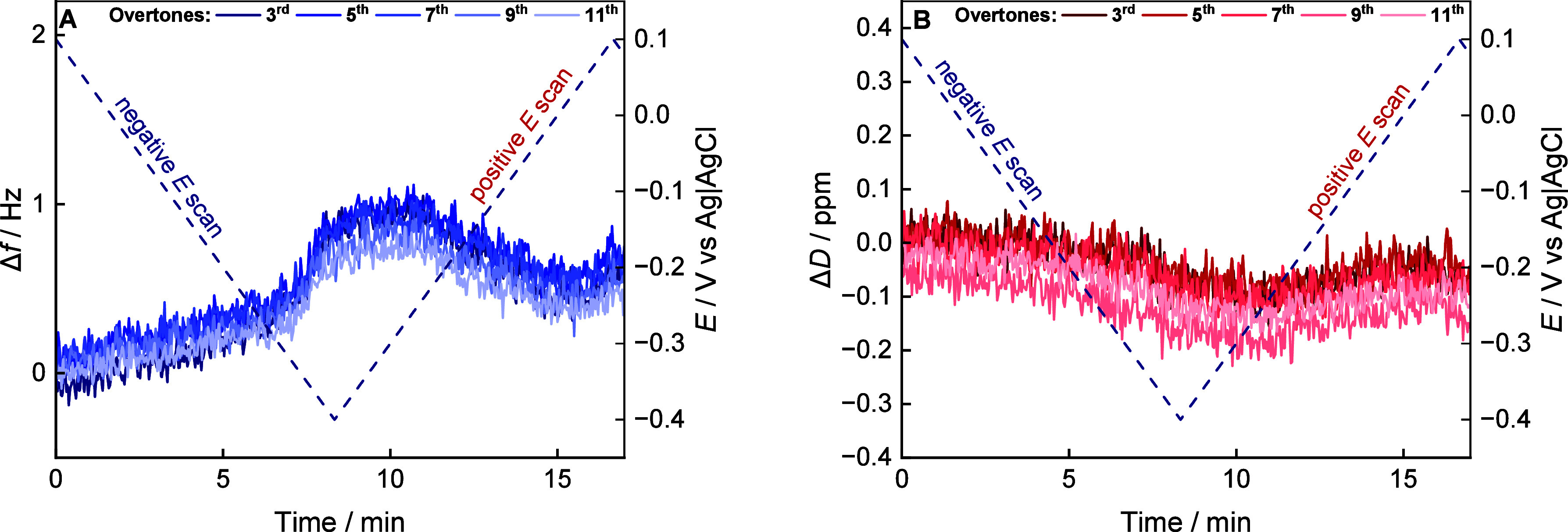 Figure 5
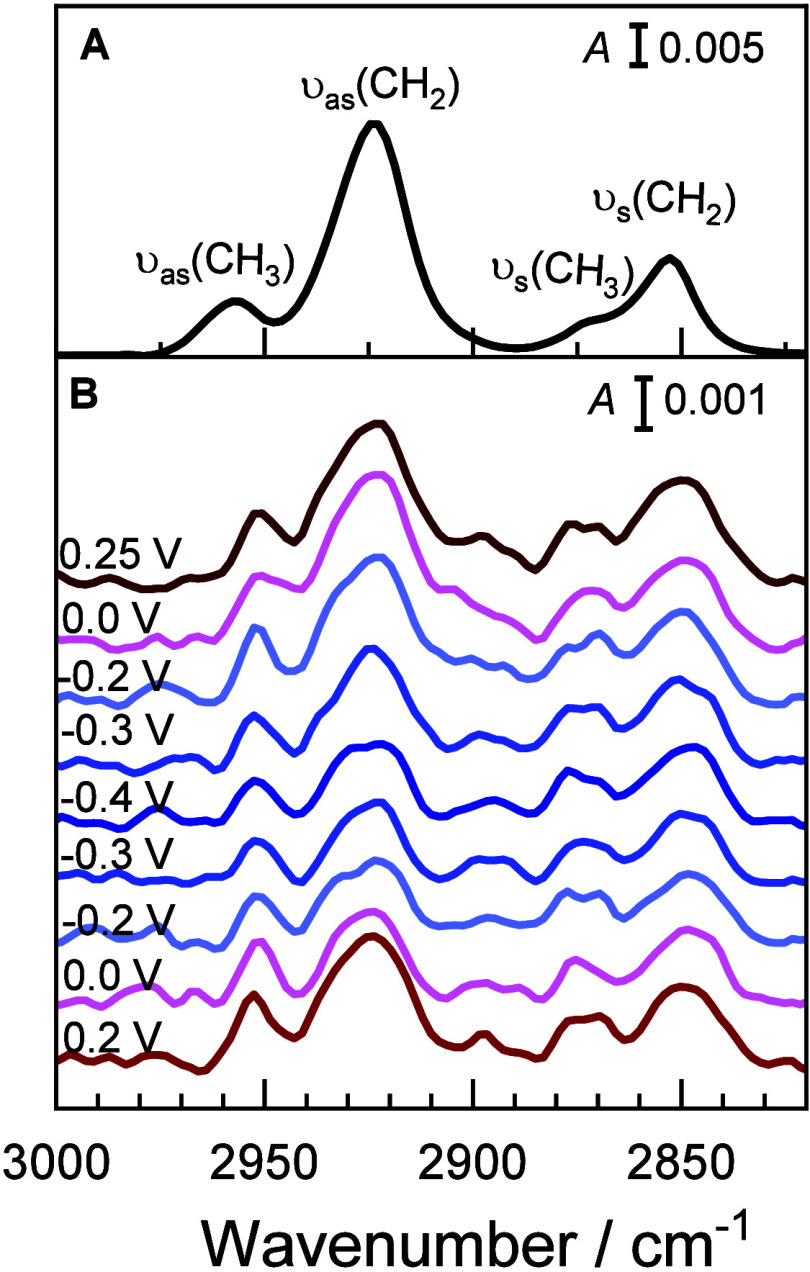 Figure 6
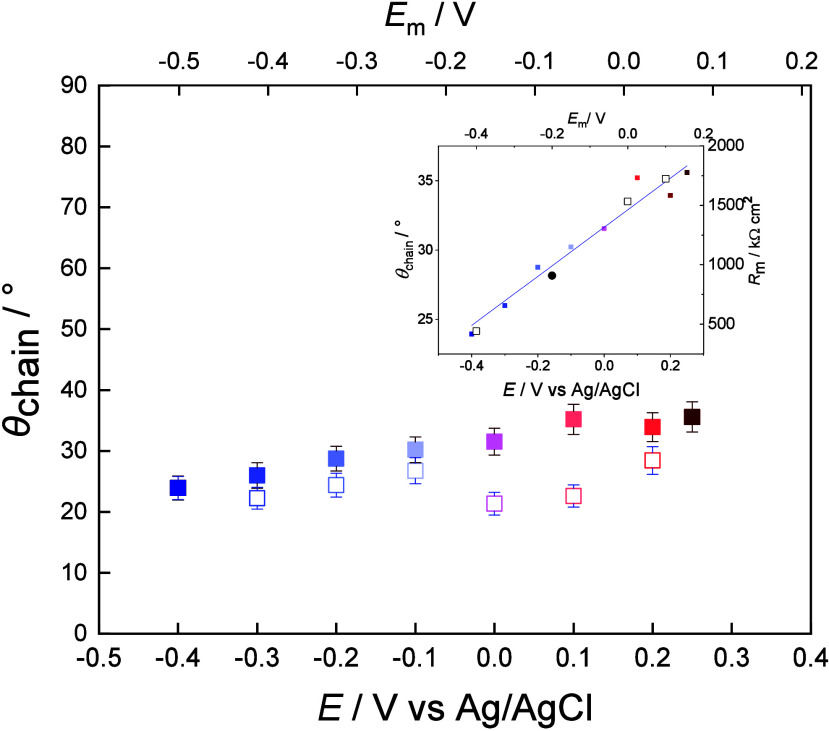 Figure 7
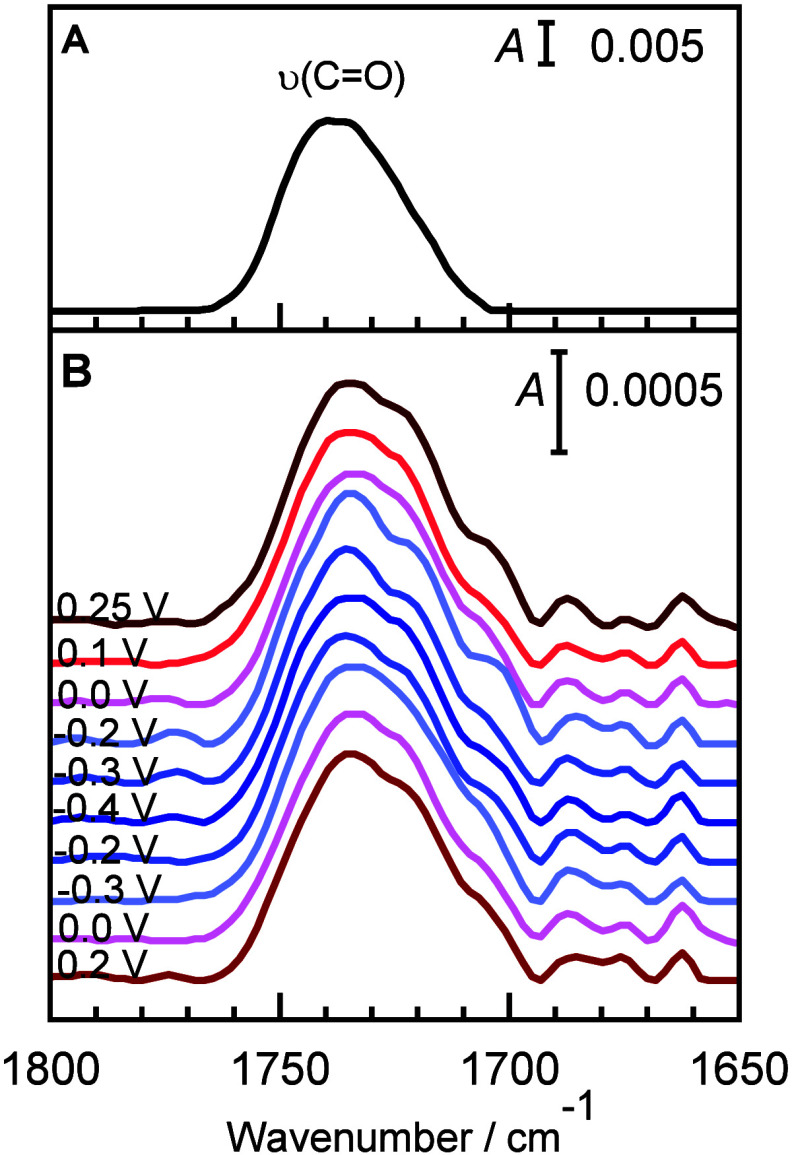 Figure 8
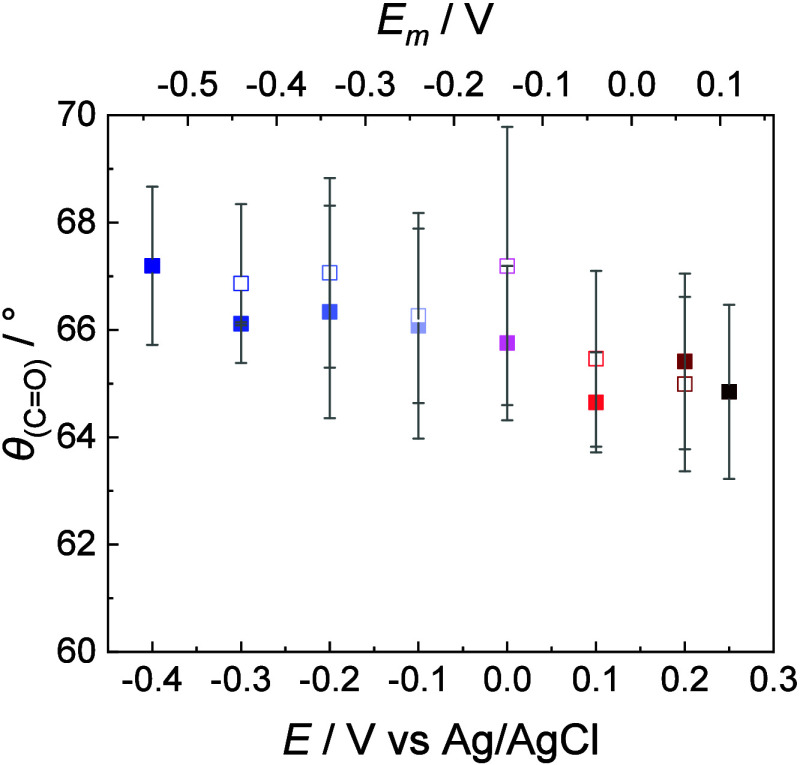 Figure 9
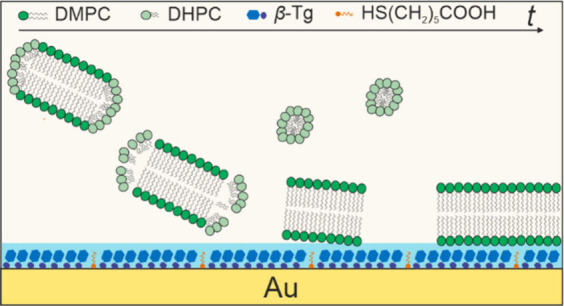 Figure 10
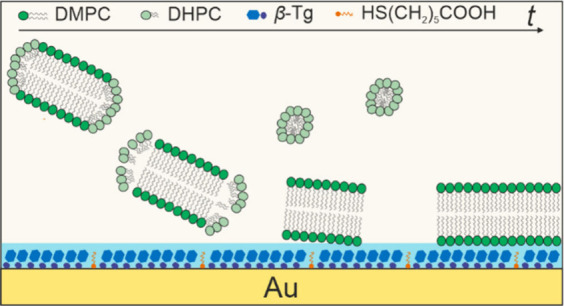 Figure 11
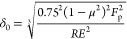 Figure 12
Peer Reviews
No public reviews on file for this paper yet. If you reviewed it on a platform where reviews are public (OpenReview, ICLR, NeurIPS, ICML), you can paste yours below so the community can read it here.
Videos
No videos yet. Explain this paper in a talk, walkthrough, or lecture? Add one.
Taxonomy
TopicsLipid Membrane Structure and Behavior · Force Microscopy Techniques and Applications · Analytical Chemistry and Sensors