Colloidal Hollandite Holey Rods Produced by Presynthetic Nanohybridization
Ilenia Maria D’Angeli, Graziano Rilievo, Simone Molinari, Anna Barbaro, Alessandro Cecconello, Aura Cencini, Federica Tonolo, Mary Bortoluzzi, Marco Favero, Andrea Basagni, Sheryl Anne Singerling, Frank Eric Brenker, Fabio Vianello, Massimiliano Magro, Gabriella Salviulo

TL;DR
Scientists created hollow rod-shaped nanomaterials using a hybrid of titanium dioxide and iron oxide, which could be useful for synthesis and environmental cleanup.
Contribution
A novel presynthetic nanohybridization method was developed to produce colloidal hollow rods with controlled morphology at low temperatures.
Findings
Hollow rods with cavity diameters of about 100 nm were produced at 800 °C.
The rods showed colloidal stability in water, likely due to their nanotube origin.
The method allows for controlled synthesis through parameters like KCl concentration and Fe/Ti ratio.
Abstract
Electrostatically stabilized binary hybrids comprising TiO2 nanotubes and Fe2O3 nanoparticles were self-assembled and investigated as precursors for a KFTO material. Presynthetic nanohybridization is a way to organize the components, with the caveat that the mere nanomaterial combination cannot grant a high degree of control due to their general susceptibility to aggregation, resulting in masses with poor spatial order. Various hybridization conditions were explored, and the effects of the experimental parameters were investigated in detail, considering KCl concentration, Fe/Ti ratio, and hydrothermal treatment temperature. The optimized synthetic product was obtained at a remarkably low temperature (800 °C), and it was characterized by small size, partially hollow morphology (cavity diameter ca. 100 nm), and water colloidal stability, likely inherited from the parent nanotubes. These…
Genes, proteins, chemicals, diseases, species, mutations and cell lines named across the full text — each resolved to its canonical identifier and authoritative record.
Click any figure to enlarge with its caption.
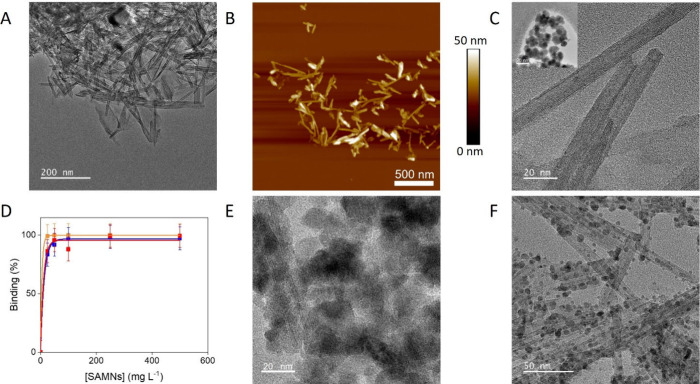 Figure 1
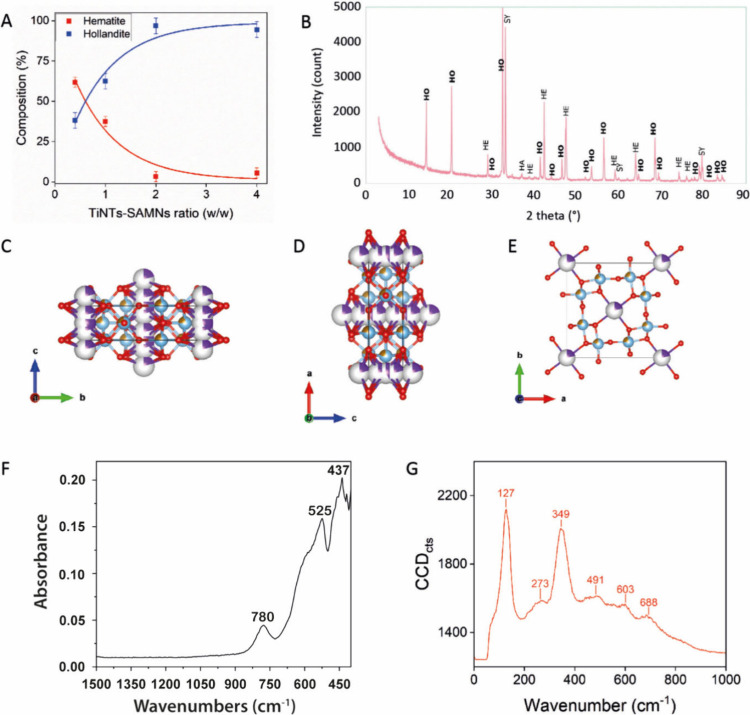 Figure 2
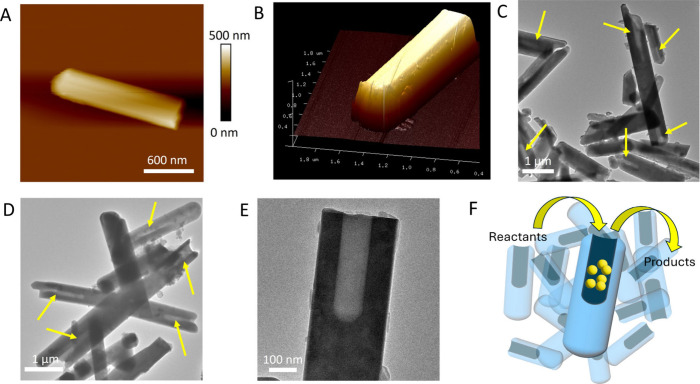 Figure 3
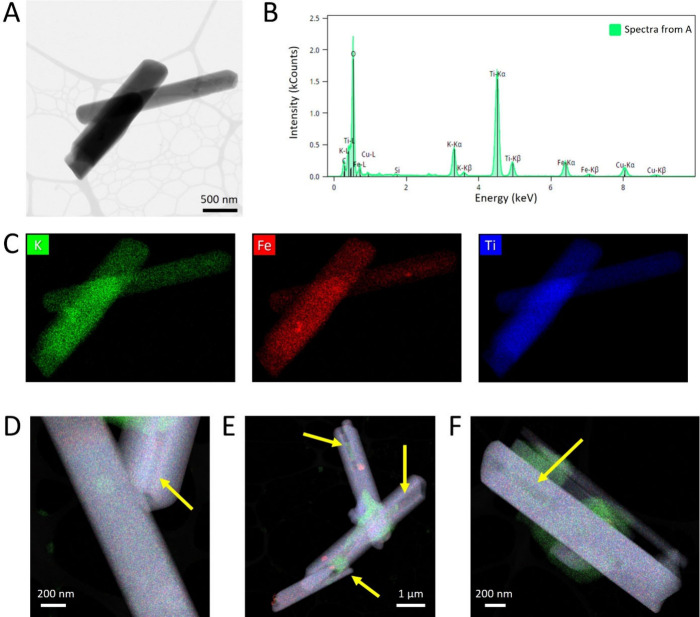 Figure 4
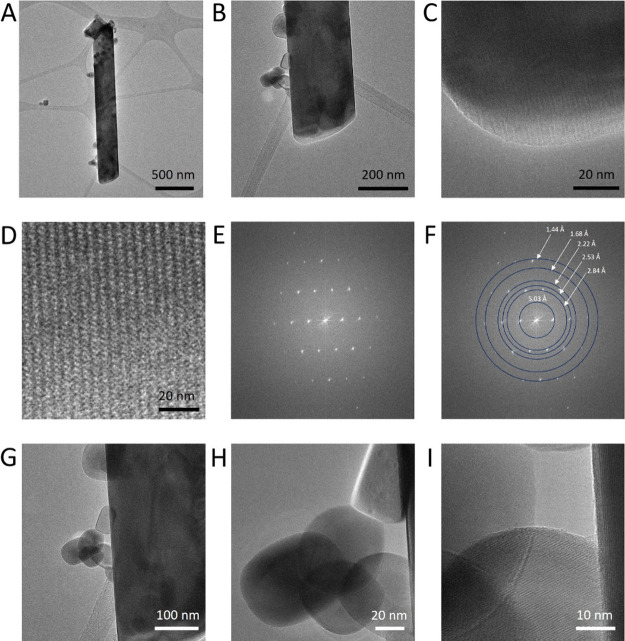 Figure 5
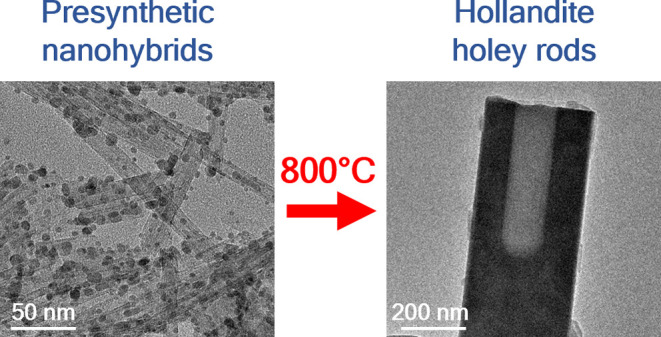 Figure 6
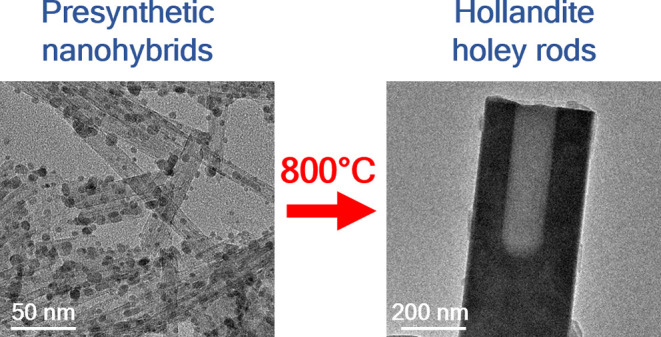 Figure 7
Peer Reviews
No public reviews on file for this paper yet. If you reviewed it on a platform where reviews are public (OpenReview, ICLR, NeurIPS, ICML), you can paste yours below so the community can read it here.
Videos
No videos yet. Explain this paper in a talk, walkthrough, or lecture? Add one.
Taxonomy
TopicsNonlinear Optical Materials Studies · Mineralogy and Gemology Studies · Crystallization and Solubility Studies