Chimerolectins: Classification, structural architecture, and functional perspectives
Vanir Reis Pinto‐Junior, Benildo Sousa Cavada, Kyria Santiago Nascimento

TL;DR
Chimerolectins are versatile proteins combining lectin domains with other functional domains, playing roles in immunity, disease, and biotechnology.
Contribution
The paper provides a comprehensive overview of chimerolectins, their structural features, and their functional roles across different biological contexts.
Findings
Chimerolectins expand lectin functionality by combining with enzymatic or signaling domains.
They are involved in immune regulation, plant defense, and disease pathogenesis.
Structural insights have enabled the development of antiviral chimerolectins and cancer-targeting therapies.
Abstract
Lectins are proteins or glycoproteins capable of binding specifically and reversibly to carbohydrates, a property that, in itself, gives them great functional versatility in organisms from all kingdoms of nature. A subclass of these proteins, called chimerolectins, is composed of proteins that have at least one lectin domain associated with another functional domain, such as enzymatic domains or modules involved in molecular signaling processes. The emergence of chimerolectins throughout evolution significantly expanded the functional repertoire of lectins, allowing their action to go beyond the interaction with carbohydrates and glycoconjugates. These proteins are involved in the regulation of the immune system in humans and animals, in the defense of plants against pathogens and predators, as well as in the mediation of responses to biotic and abiotic stresses. In addition, they can…
Genes, proteins, chemicals, diseases, species, mutations and cell lines named across the full text — each resolved to its canonical identifier and authoritative record.
Click any figure to enlarge with its caption.
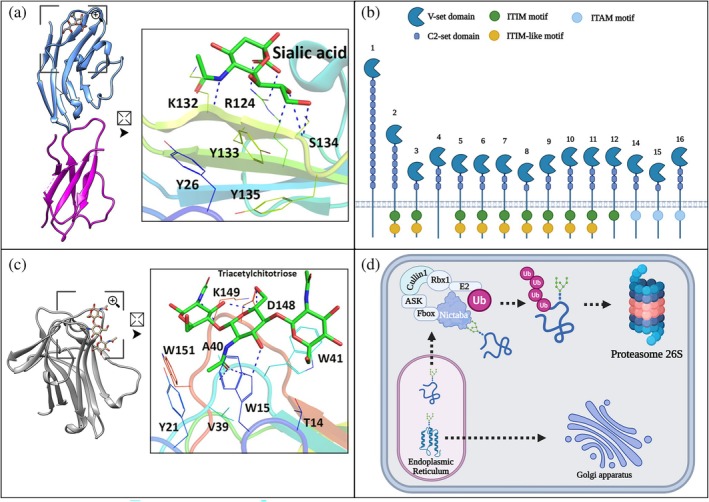 Figure 1
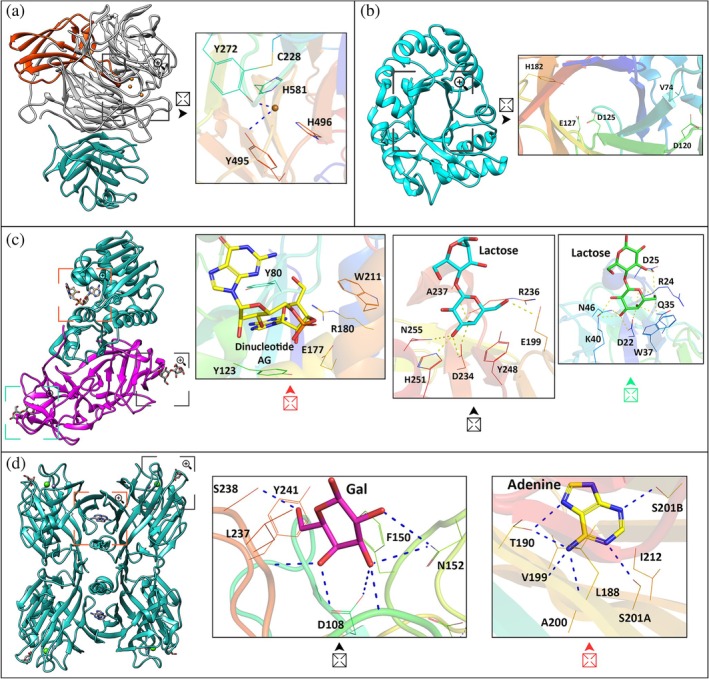 Figure 2
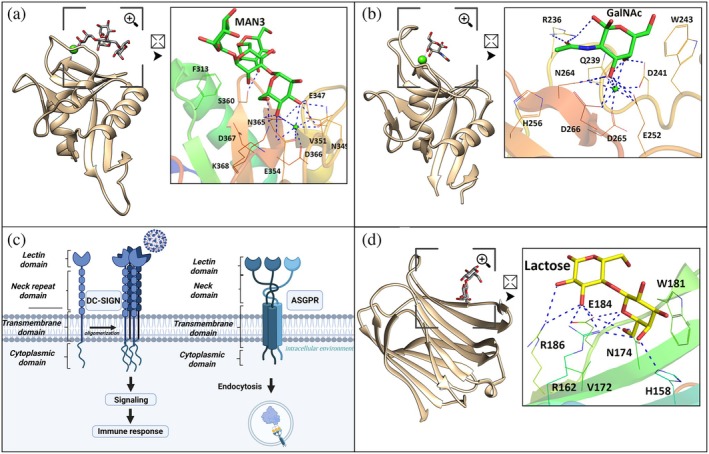 Figure 3
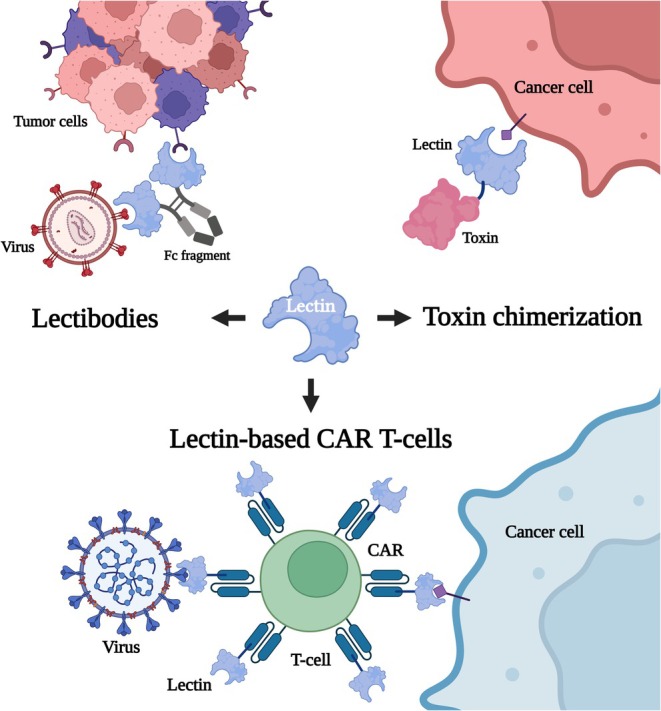 Figure 4
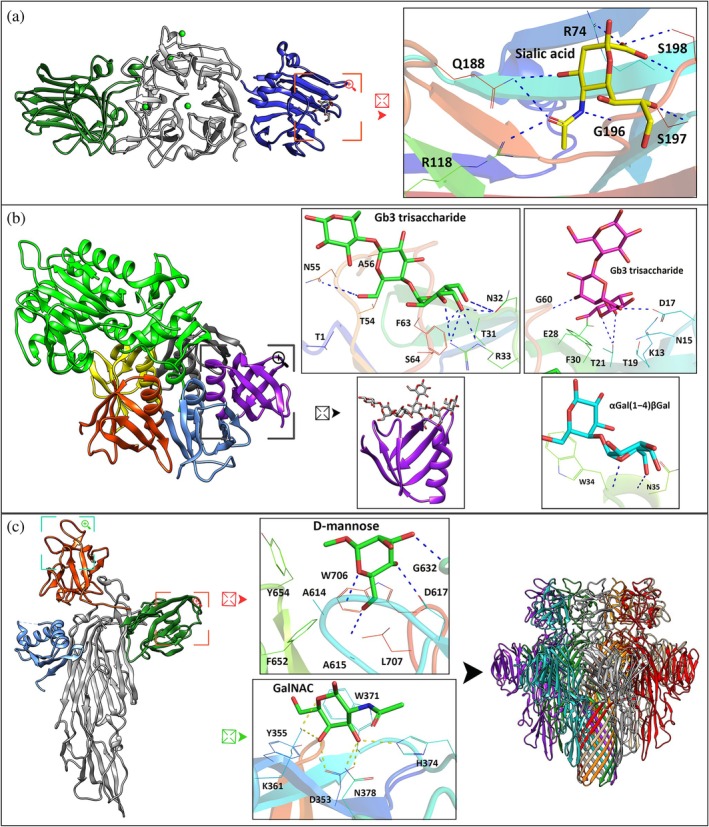 Figure 5
Peer Reviews
No public reviews on file for this paper yet. If you reviewed it on a platform where reviews are public (OpenReview, ICLR, NeurIPS, ICML), you can paste yours below so the community can read it here.
Videos
No videos yet. Explain this paper in a talk, walkthrough, or lecture? Add one.
Taxonomy
TopicsGlycosylation and Glycoproteins Research · Toxin Mechanisms and Immunotoxins · Galectins and Cancer Biology