Designing Trifluoromethyl Pyrazolones for Selective Molluscicidal Activity Against : Toward Sustainable Land Snail Control
Hend M A Maaroof, Shaikha S. AlNeyadi, Yasir S. Raouf, Fatma I El-Akhrasy, Abdalla E. A. Hassan, Reham A I Abouelkhair

TL;DR
This paper introduces new trifluoromethyl pyrazolone compounds that effectively kill land snails while being safer than traditional pesticides.
Contribution
The study presents novel 5-trifluoromethyl-phenylpyrazolone derivatives with potent molluscicidal activity and a dual mode of action.
Findings
Compound 16 showed the highest lethal activity against snails with an LC50 of 0.58 mg/mL.
Treated snails exhibited liver enzyme increases and reduced carbohydrates and lipids.
Histopathological analysis revealed significant cellular damage in snails treated with the compounds.
Abstract
Terrestrial gastropods are significant agricultural pests and disease carriers, posing major challenges to farm crops and various agricultural domains. Synthetic pesticides remain the primary method of pest control, but rising resistance and harmful effects on nontarget species highlight the urgent need for new, safer alternatives. Herrin, we report on the synthesis and the evaluation of a series of 5-trifluoromethyl-phenylpyrazolones against (O. F. Müller, 1774) snails as potential molluscicidal agents. The newly synthesized 5-trifluoromethyl-phenyl pyrazolones derivatives 11–24 were characterized based on 1H NMR, 13C-APT and 19F- NMR spectra as well as mass spectroscopy. Compounds 11, 16, 17 and 18 demonstrated potent anti- activities, with 16 exhibiting the highest lethal activity (LC50 = 0.58 mg/mL), surpassing the current standard, methomyl (LC50 = 2.28 mg/mL). Significant increase…
Genes, proteins, chemicals, diseases, species, mutations and cell lines named across the full text — each resolved to its canonical identifier and authoritative record.
Click any figure to enlarge with its caption.
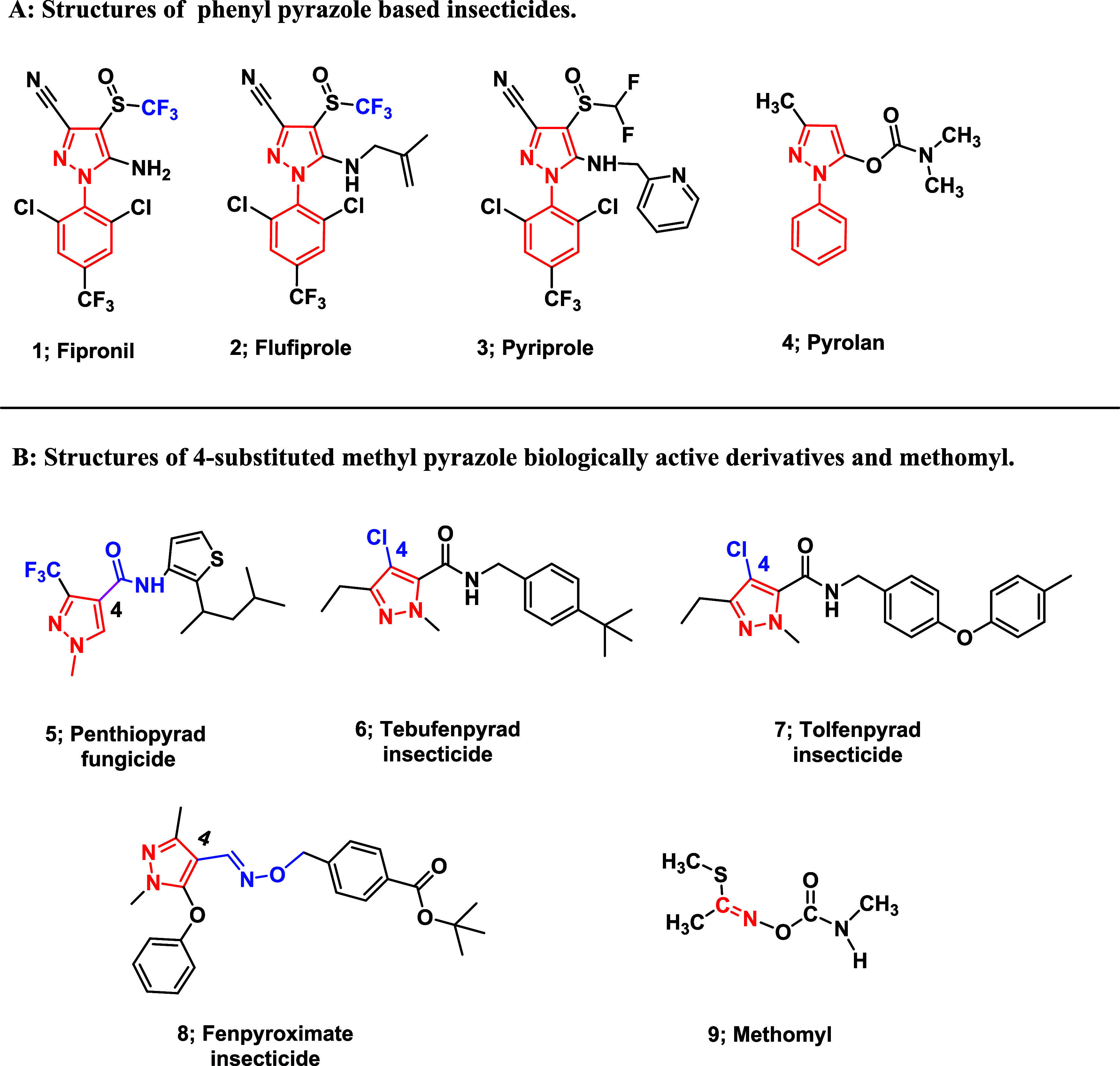 Figure 1
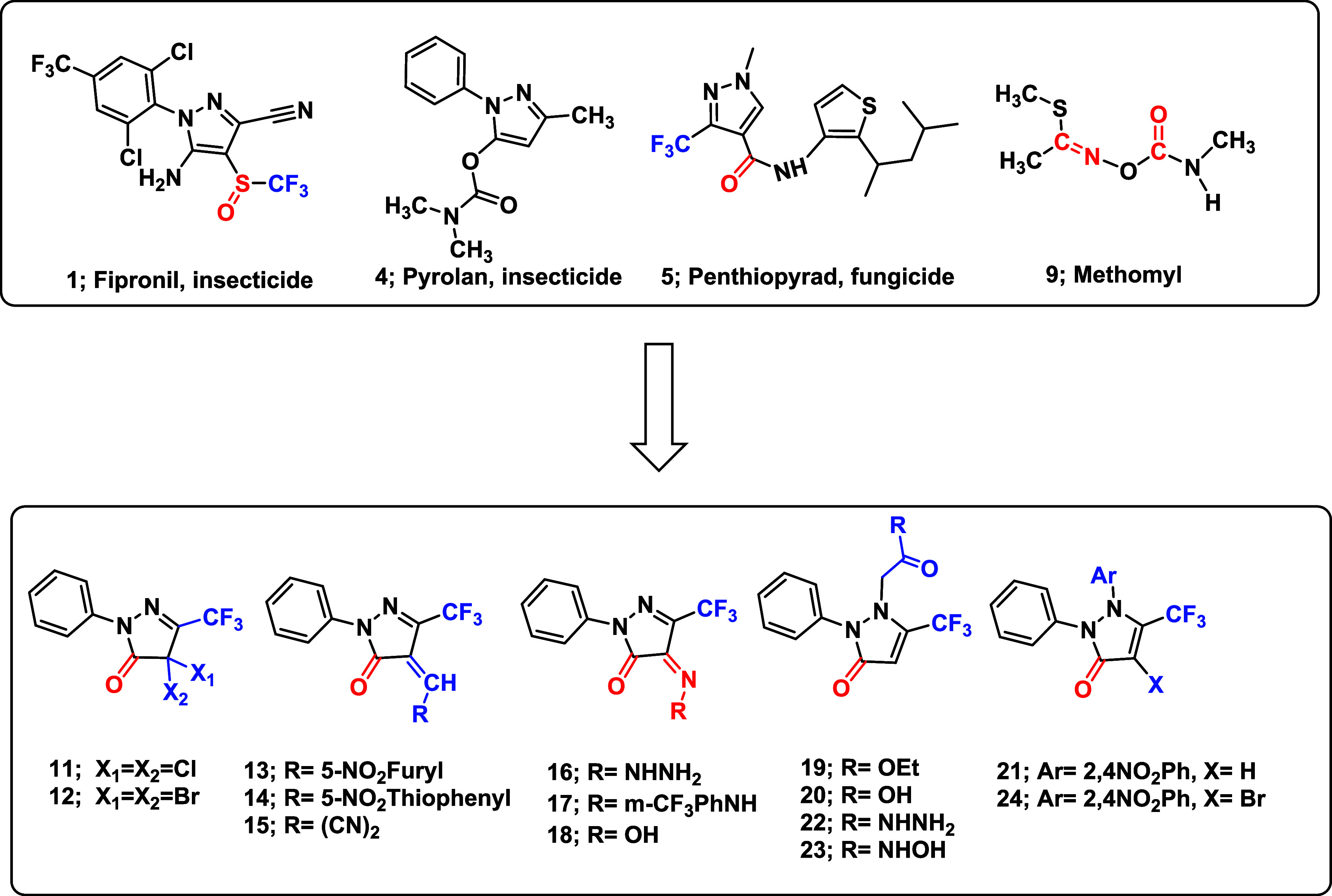 Figure 2
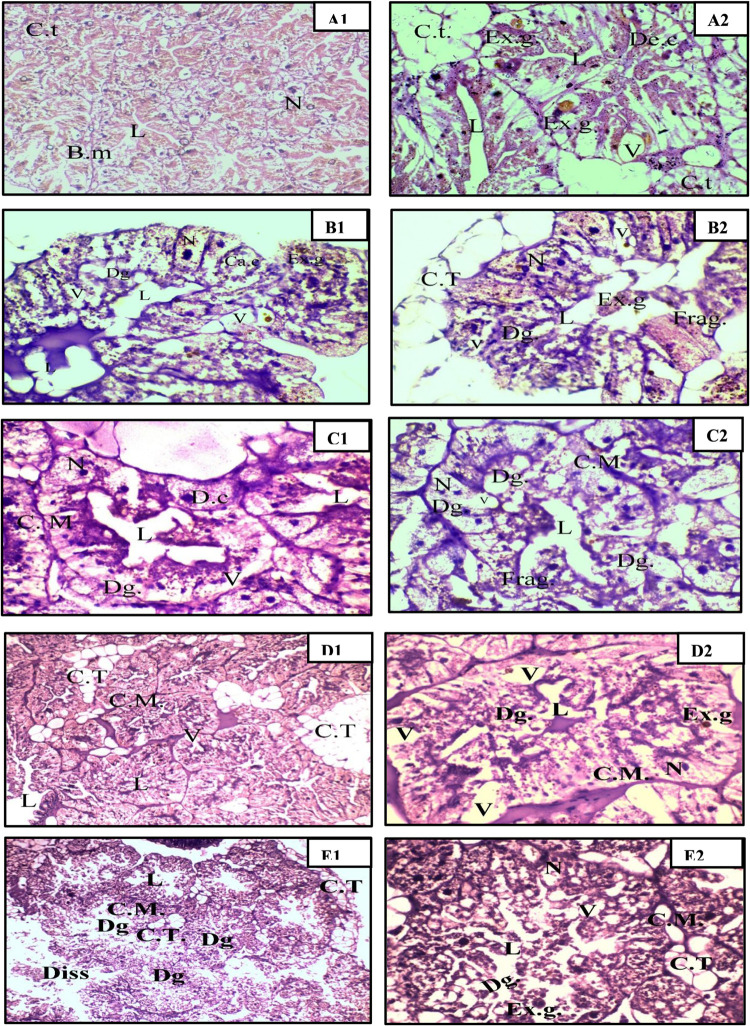 Figure 3
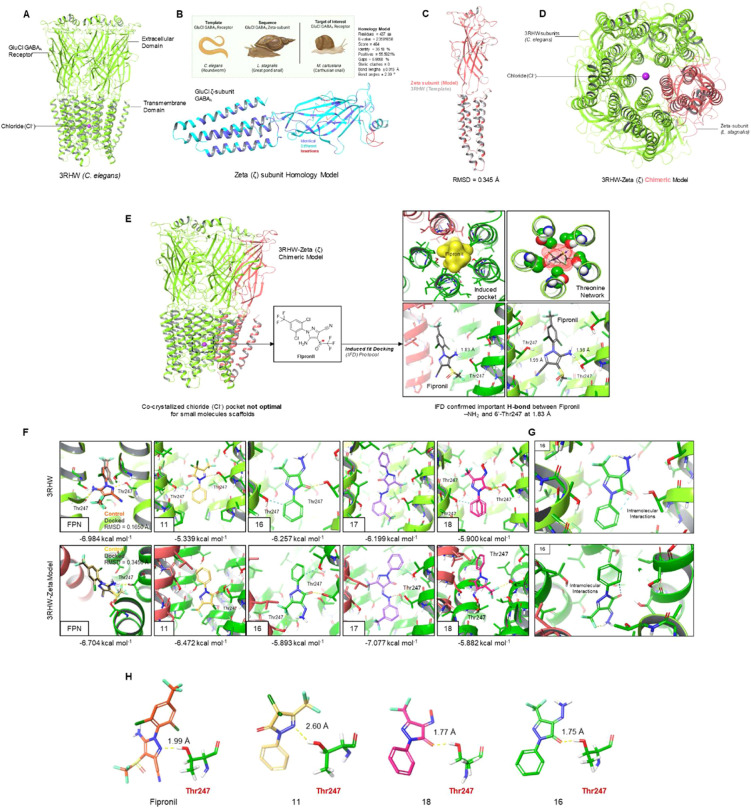 Figure 4
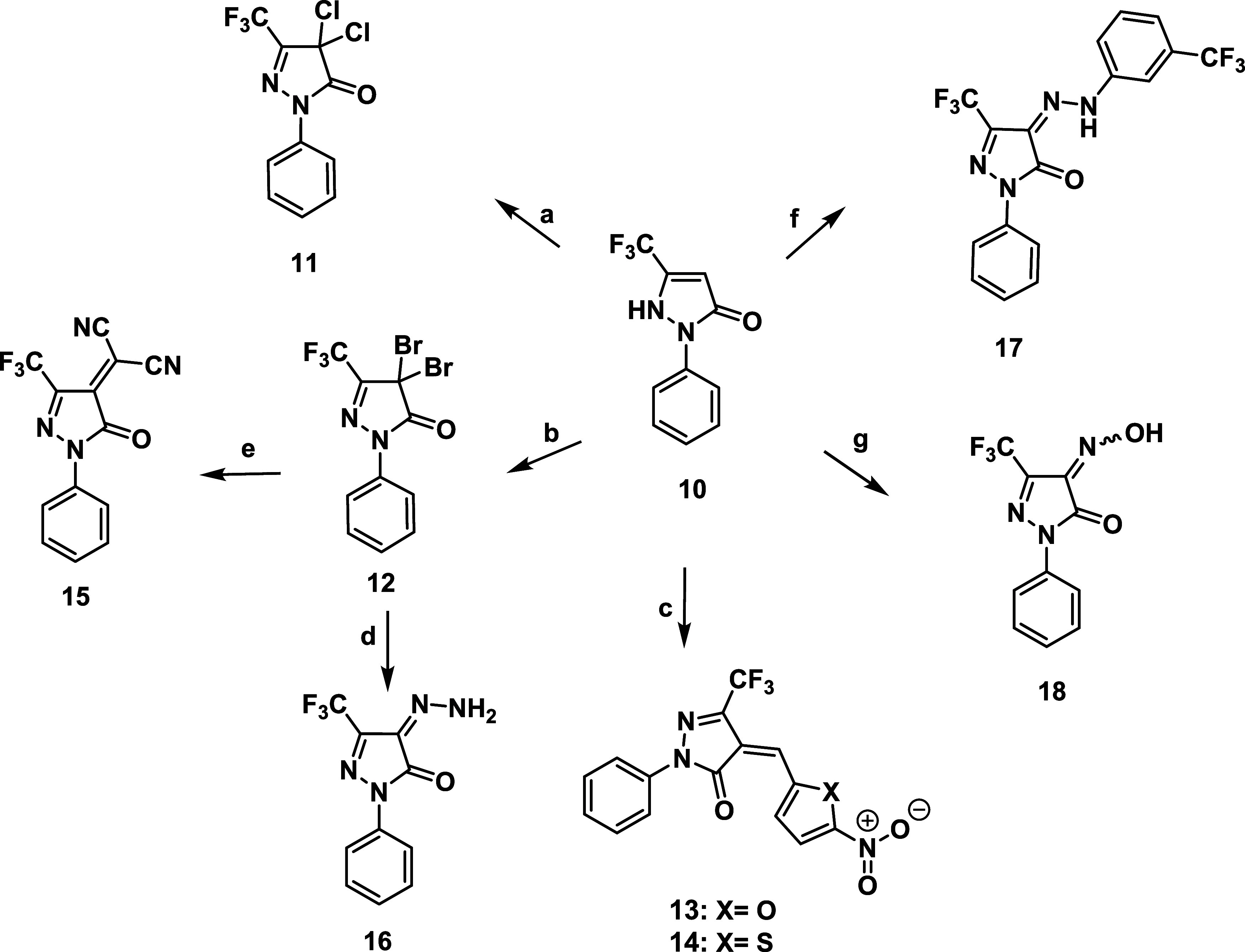 Figure 5
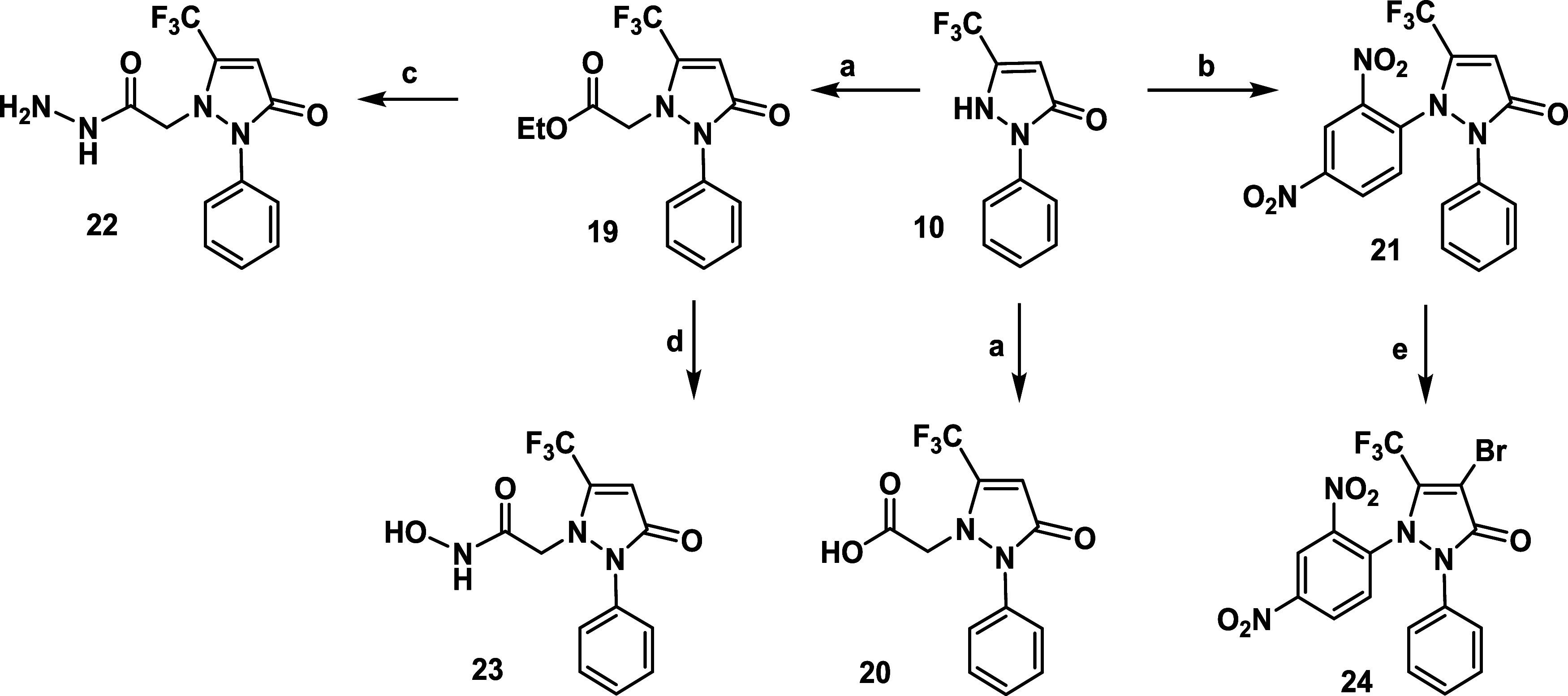 Figure 6
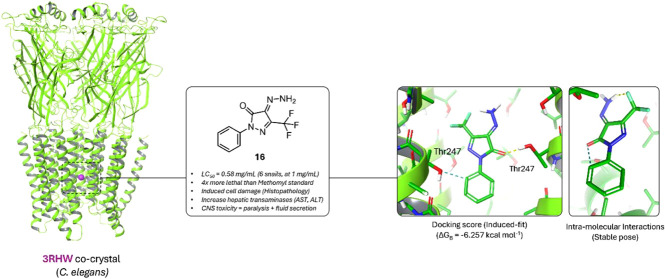 Figure 7
Peer Reviews
No public reviews on file for this paper yet. If you reviewed it on a platform where reviews are public (OpenReview, ICLR, NeurIPS, ICML), you can paste yours below so the community can read it here.
Videos
No videos yet. Explain this paper in a talk, walkthrough, or lecture? Add one.
Taxonomy
TopicsInsect and Pesticide Research · Environmental Toxicology and Ecotoxicology · Insect and Arachnid Ecology and Behavior