Determining the Temperature-Dependent Air–Water Partitioning of Ether- and Thioether-Alcohol Perfluoroalkyl and Polyfluoroalkyl Substances Using a Modified Static Headspace Method
Viktória Licul-Kucera, Annemarie P. van Wezel, Hans Peter H. Arp, Thomas L. ter Laak

TL;DR
The study measures how a new type of PFAS interacts with water and air at different temperatures using a modified lab method.
Contribution
A modified static headspace method was used to determine temperature-dependent air–water partitioning of ether- and thioether-alcohol PFAS.
Findings
Log K_aw values ranged from −2.6 to −1.0 at 25 °C for the tested PFAS.
Increasing perfluorinated carbon chain length increased K_aw by about 1.5 log units.
COSMOtherm provided the most accurate in silico predictions of air–water partitioning.
Abstract
The temperature-dependent air–water partitioning behavior of a novel class of perfluoroalkyl and polyfluoroalkyl substances (PFAS) was assessed both experimentally and via in silico prediction. These PFAS contain ether or thioether linkages and are transformation products of an alternative PFAS surfactant. A modified version of the static headspace method with variable headspace/solution ratios was used to determine the dimensionless air/water partition coefficients (K aw) over a wide range of temperatures (25–80 °C). The samples were analyzed through the aqueous phase instead of the headspace because of their relatively low volatility. The obtained log K aw values of the tested chemicals ranged from −2.6 to −1.0 at 25 °C. No differences in K aw were observed between ether and thioether congeners with the same perfluorinated carbon chain length. Increasing the length of the…
Genes, proteins, chemicals, diseases, species, mutations and cell lines named across the full text — each resolved to its canonical identifier and authoritative record.
Click any figure to enlarge with its caption.
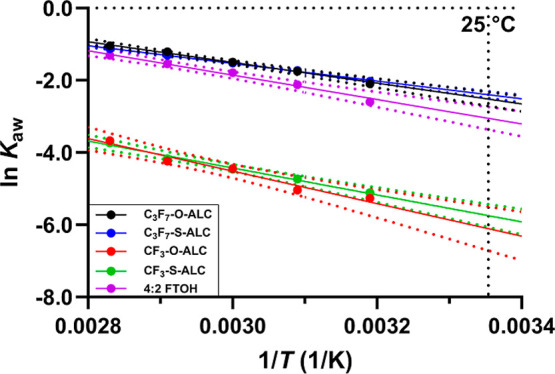 Figure 1
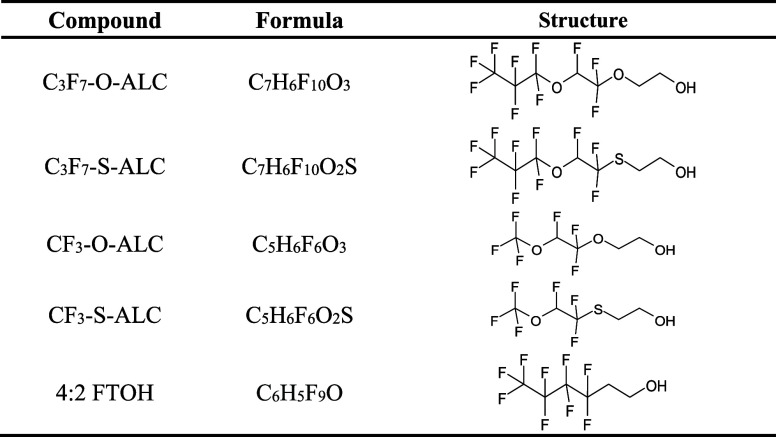 Figure 2
 Figure 3
 Figure 4
 Figure 5
 Figure 6
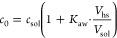 Figure 7
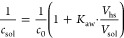 Figure 8
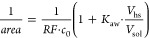 Figure 9
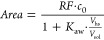 Figure 10
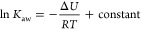 Figure 11
 Figure 12
Peer Reviews
No public reviews on file for this paper yet. If you reviewed it on a platform where reviews are public (OpenReview, ICLR, NeurIPS, ICML), you can paste yours below so the community can read it here.
Videos
No videos yet. Explain this paper in a talk, walkthrough, or lecture? Add one.
Taxonomy
TopicsPer- and polyfluoroalkyl substances research · Atmospheric chemistry and aerosols · Toxic Organic Pollutants Impact