Preparing Superposition States to Modify the Spectra and to Achieve Complete Selectivity in Photodissociation Reactions
Ignacio R. Sola, Alberto García-Vela

TL;DR
This paper shows how to use superposition states to control and enhance chemical reactions with high selectivity using light pulses.
Contribution
A new geometric optimization methodology is introduced to prepare superposition states for complete selectivity in photodissociation reactions.
Findings
Using weak ultrashort pulses, reaction efficiency toward desired products can be increased by 100–200%.
High selectivity can be achieved by suppressing the most dominant reaction channel to less than one part in a million.
Preparing superpositions of vibrational states allows precise control over reaction outcomes.
Abstract
We derive and apply the geometric optimization methodology to modify the photodissociation spectra of CH3I in the A band. For this purpose, we prepare optimized initial wave functions that maximally exploit interference-induced coherent control to drive a reaction mediated by nonadiabatic couplings in a polyatomic molecule essentially from the beginning. By designing functionals that maximize the output of the products, or that imply competition between the products, or discrimination of one of them, we test the performance of the methods and the effect of preparing initial vibrational coherences among CH3–I stretching vibrational states, CH3 vibrational states, or both. Our results show that using weak ultrashort pulses, one can easily increase the efficiency of the reaction toward any of the products by 100–200% using vibrational states related to the reaction coordinate; that one can…
Genes, proteins, chemicals, diseases, species, mutations and cell lines named across the full text — each resolved to its canonical identifier and authoritative record.
Click any figure to enlarge with its caption.
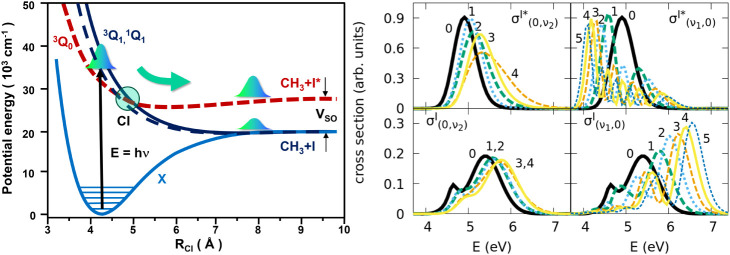 Figure 1
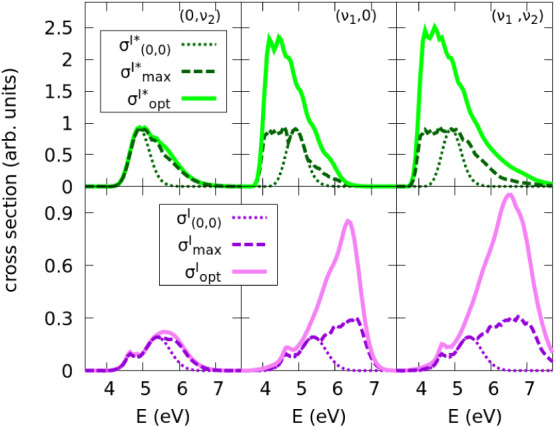 Figure 2
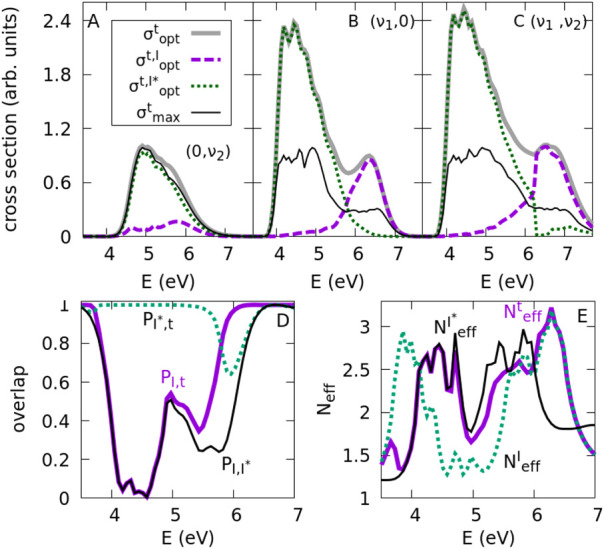 Figure 3
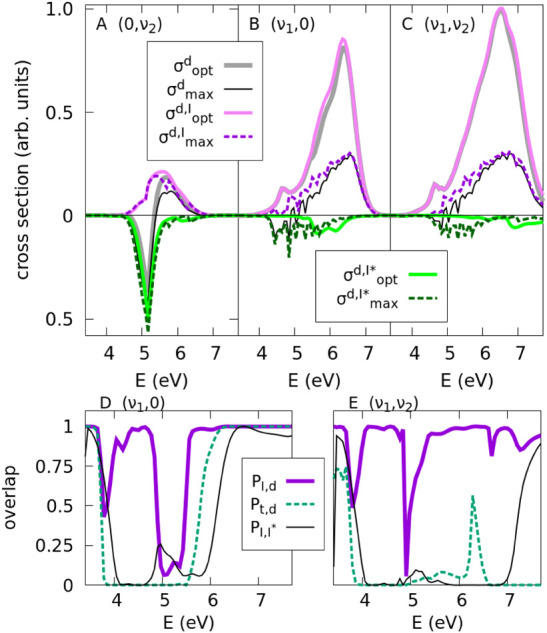 Figure 4
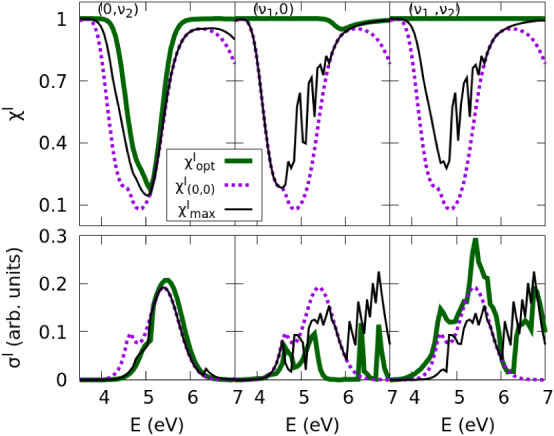 Figure 5
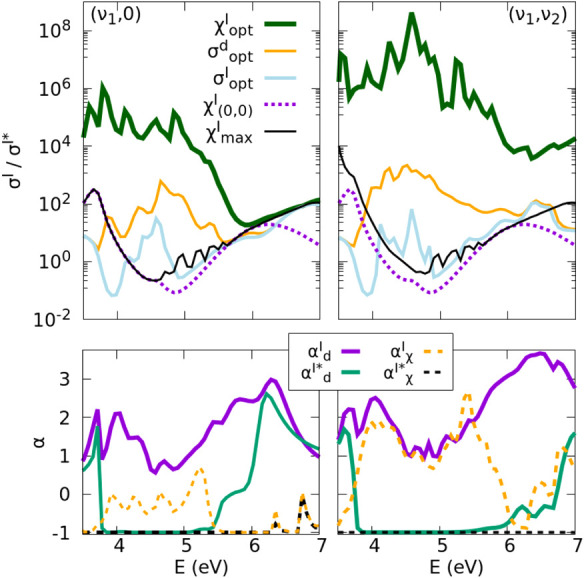 Figure 6
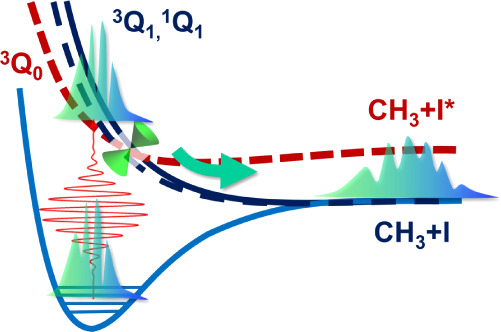 Figure 7
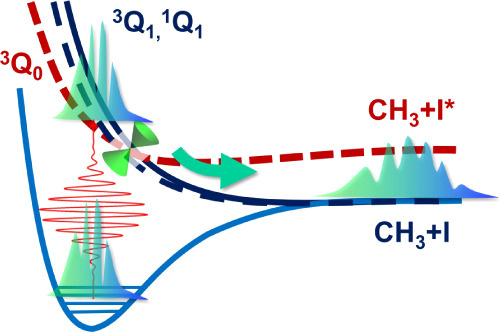 Figure 8
 Figure 9
 Figure 10
 Figure 11
 Figure 12
 Figure 13
 Figure 14
 Figure 15
 Figure 16
 Figure 17
 Figure 18
 Figure 19
 Figure 20
 Figure 21
 Figure 22
 Figure 23
 Figure 24
 Figure 25
 Figure 26
 Figure 27
 Figure 28
 Figure 29
 Figure 30
 Figure 31
 Figure 32
 Figure 33
 Figure 34
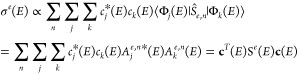 Figure 35
 Figure 36
 Figure 37
 Figure 38
 Figure 39
 Figure 40
 Figure 41
 Figure 42
 Figure 43
 Figure 44
 Figure 45
 Figure 46
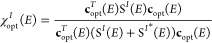 Figure 47
 Figure 48
 Figure 49
 Figure 50
Peer Reviews
No public reviews on file for this paper yet. If you reviewed it on a platform where reviews are public (OpenReview, ICLR, NeurIPS, ICML), you can paste yours below so the community can read it here.
Videos
No videos yet. Explain this paper in a talk, walkthrough, or lecture? Add one.
Taxonomy
TopicsMass Spectrometry Techniques and Applications · Advanced Chemical Physics Studies · Laser-Matter Interactions and Applications