Rescue Needle Knife Papillotomy Endoscopic Retrograde Cholangiopancreatography (ERCP) Cannulation: Success and Complications in a Retrospective Comparative Study With Procedure Time-Matched Controls
Byung Hyo CHA, Myoung-jin Jang, Osama M Idris, Said Hassan

TL;DR
This study shows that a rescue technique called needle knife papillotomy significantly improves success rates in difficult ERCP procedures without increasing complications.
Contribution
Demonstrates the effectiveness of rescue needle knife papillotomy as a safe alternative for difficult biliary cannulation.
Findings
Rescue needle knife papillotomy achieved a 98.2% success rate in difficult cannulation cases.
No significant differences in post-ERCP complications between the two groups were observed.
The overall cannulation success rate reached 99.1% when combining both techniques.
Abstract
Background: Endoscopic retrograde cholangiopancreatography (ERCP) is a crucial endoscopic procedure for pancreato-biliary diseases for diagnostic and therapeutic purposes. Although commonly performed, difficult biliary cannulation (DBC) cases remain challenging when using conventional technology alone. Objective: This study aimed to assess the efficacy and safety of rescue needle knife papillotomy (RNKP) compared to sphincterotomy only (SPTO) in DBC. Methods: A retrospective observational study with sequential intervention analysis to evaluate outcomes between the SPTO and RNKP groups among endoscopic sphincterotomy (EST)-naïve cases that underwent ERCP in Sheikh Khalifa Specialty Hospital in the UAE. RNKP was performed after an unsuccessful conventional cannulation attempt with SPTO, utilizing the delicate technique of a needle knife catheter. Comparative analysis of procedural…
Genes, proteins, chemicals, diseases, species, mutations and cell lines named across the full text — each resolved to its canonical identifier and authoritative record.
Click any figure to enlarge with its caption.
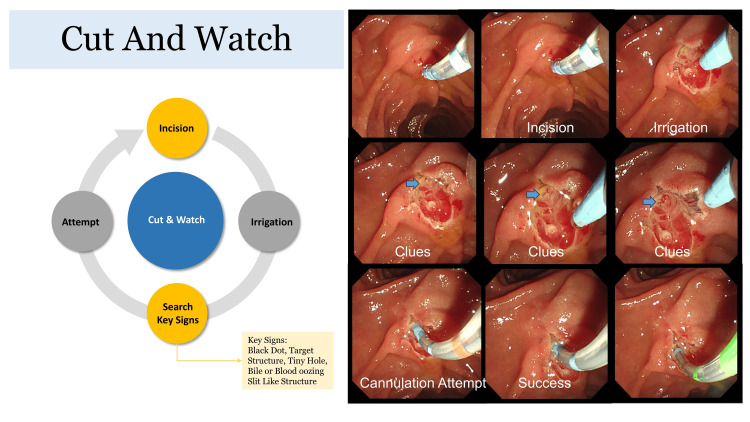 Figure 1
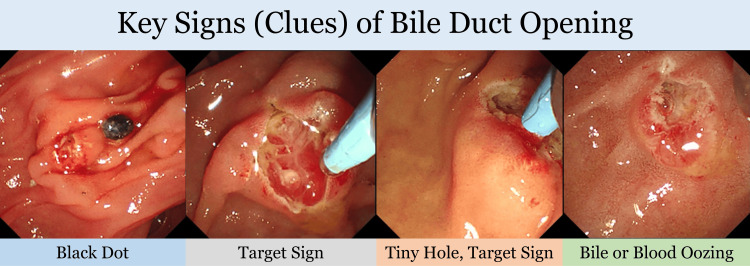 Figure 2
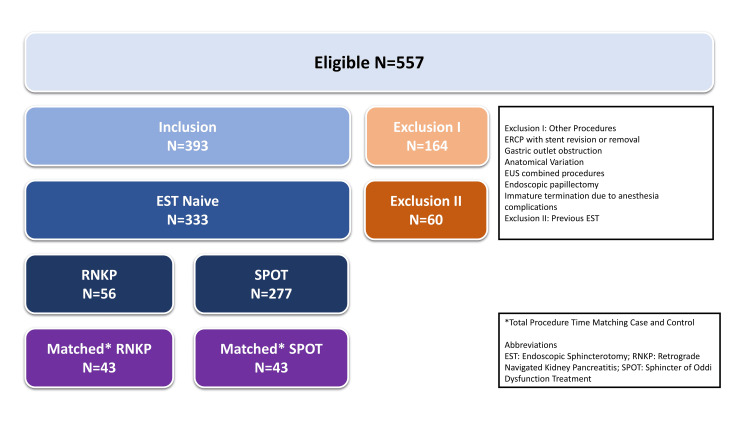 Figure 3
Peer Reviews
No public reviews on file for this paper yet. If you reviewed it on a platform where reviews are public (OpenReview, ICLR, NeurIPS, ICML), you can paste yours below so the community can read it here.
Videos
No videos yet. Explain this paper in a talk, walkthrough, or lecture? Add one.
Taxonomy
TopicsGallbladder and Bile Duct Disorders · Pancreatic and Hepatic Oncology Research · Pediatric Hepatobiliary Diseases and Treatments