Phytochemical profile influences the e-tongue responses, antioxidant, anti-inflammation, and hypoglycemic effects of wampee fruits from different regions
Wen-hui Deng, Ying-ying Zheng, Yuan Li, Hong Zhang, Kai-xuan Lin, Han-Zhang Jiang, Li-Dan Fu, Hao-Dong Cui, Xin-yue Tong, Ziyang Hu, Nan Yang, Shi-yun Feng, Chi Shu, Han-Bin Lin

TL;DR
This study shows that wampee fruits from different regions have unique phytochemical profiles that affect their taste and health benefits like antioxidant and anti-inflammatory effects.
Contribution
The study identifies how regional phytochemical variations in wampee fruits correlate with taste and bioactivity differences.
Findings
Wampee fruits from different regions have distinct phytochemical compositions and taste profiles.
Phenolic acids, flavonoids, and alkaloids are key contributors to antioxidant and anti-inflammatory activities.
The e-tongue system grouped wampee samples into six clusters based on taste profiles.
Abstract
Wampee is a subtropical fruit valued for its health benefits. This study aimed to explore the relationship between its phytochemical composition, electronic tongue (e-tongue) responses (interred to be tastes), and bioactivities. The composition of Wampee extracts from different regions were subjected to detections of phytochemical composition, taste profiles, and common biological activities. 2568 metabolites were identified, primarily flavonoids, alkaloids, amino acids, and phenolic acids. The e-tongue system classified the samples into six clusters. Bioactivities varied among samples, with W6 (Yunan seedless) showing the strongest antioxidant potential, and W6 and W7 (Lipu chicken-heart) exhibiting the highest anti-inflammatory effects. Phenolic acids, flavonoids, and lipids contributed more to antioxidant capacity, while alkaloids and flavonoids played key roles in anti-inflammatory…
Genes, proteins, chemicals, diseases, species, mutations and cell lines named across the full text — each resolved to its canonical identifier and authoritative record.
Click any figure to enlarge with its caption.
 Figure 1
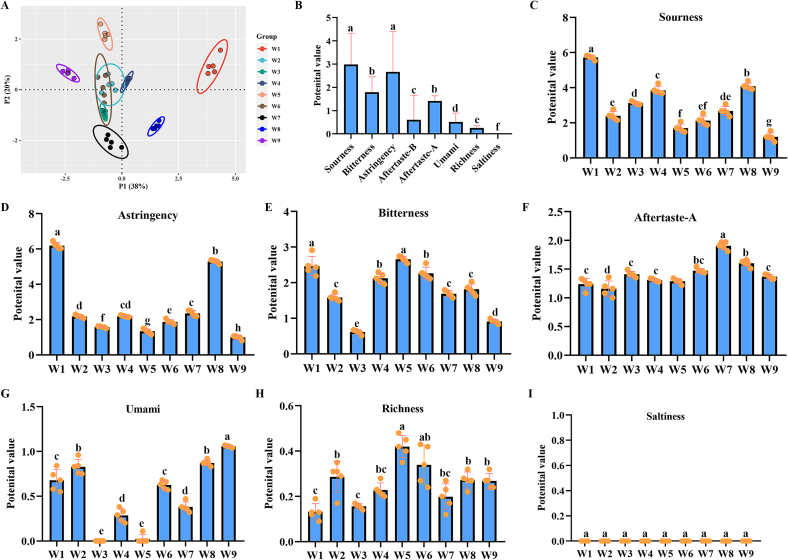 Figure 2
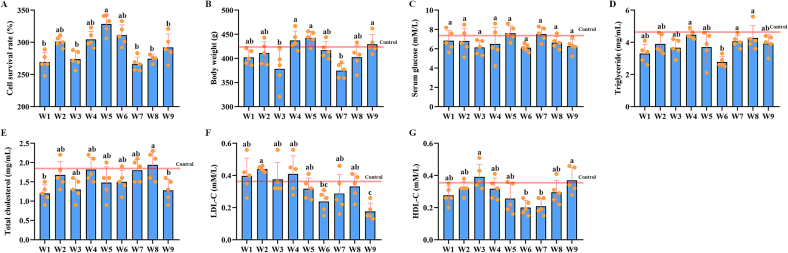 Figure 3
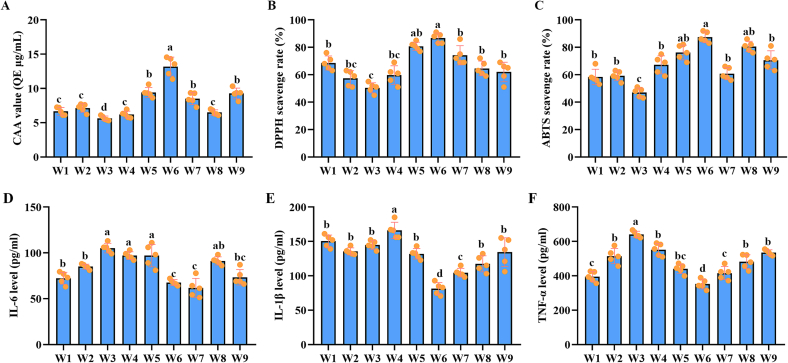 Figure 4
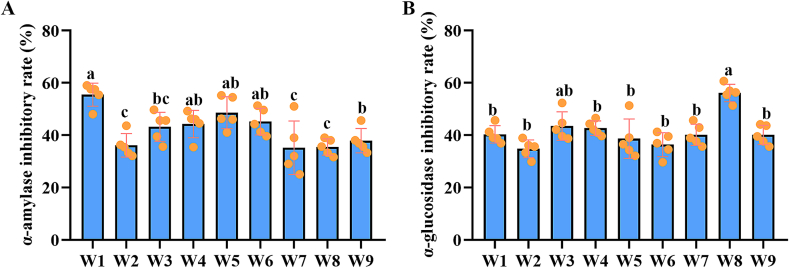 Figure 5
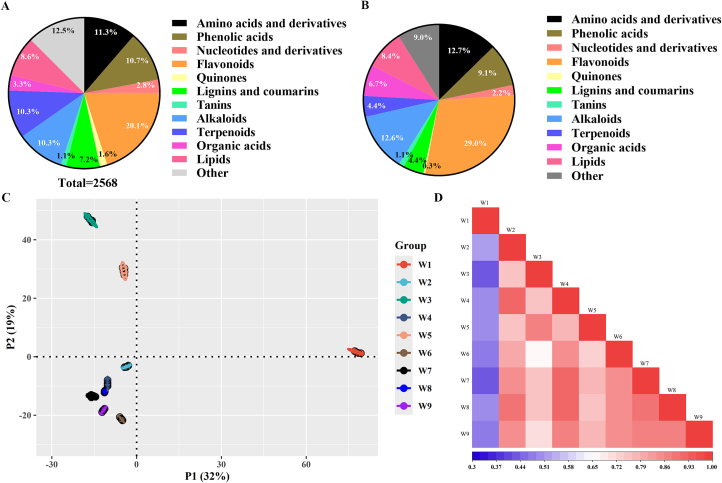 Figure 6
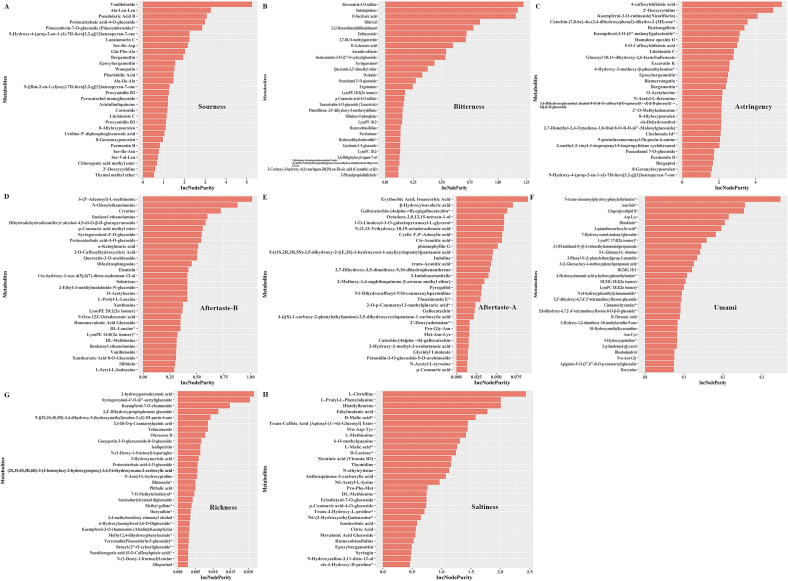 Figure 7
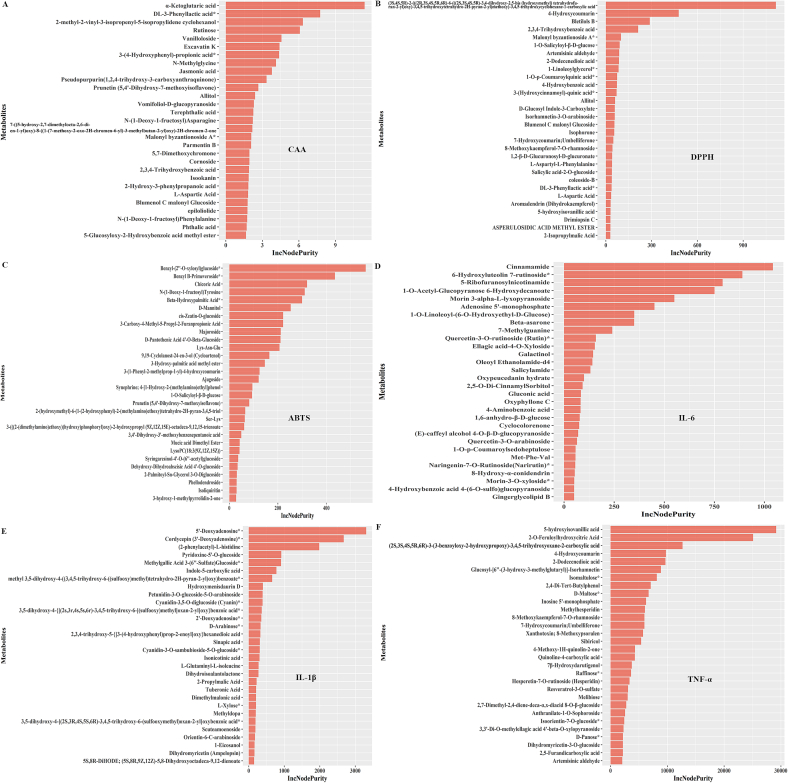 Figure 8
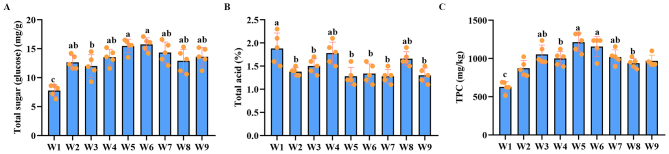 Figure 9
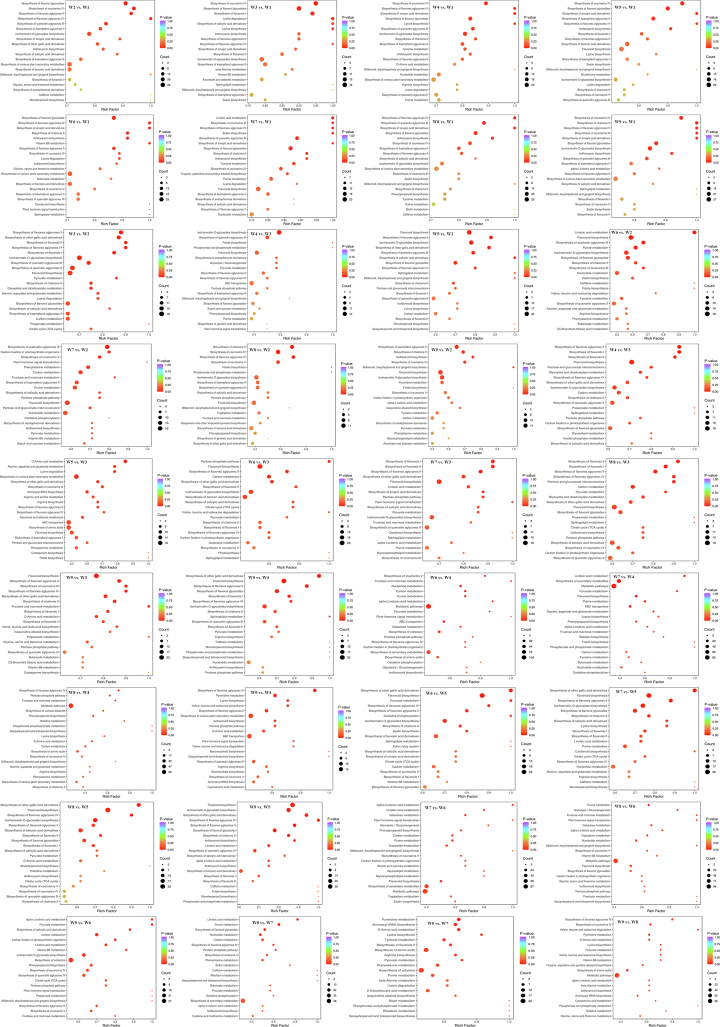 Figure 10
Peer Reviews
No public reviews on file for this paper yet. If you reviewed it on a platform where reviews are public (OpenReview, ICLR, NeurIPS, ICML), you can paste yours below so the community can read it here.
Videos
No videos yet. Explain this paper in a talk, walkthrough, or lecture? Add one.
Taxonomy
TopicsBiochemical Analysis and Sensing Techniques · Advanced Chemical Sensor Technologies · Olfactory and Sensory Function Studies