A Conceptual Review of Naturally Occurring Toxins and Venoms as Peptide Blockers to Combat Chronic Low Back Pain
James Melrose, Stone Sima, Neha Chopra, Ashish Diwan, Zi Gu

TL;DR
This paper reviews how venom-derived peptides can block calcium channels in nerves to treat chronic low back pain caused by disc degeneration.
Contribution
The paper introduces venom-derived peptides as novel calcium channel blockers for targeted pain management in degenerated intervertebral discs.
Findings
Venom-derived peptides like ω-conotoxins and Tx3-family spider peptides selectively block calcium channels in dorsal root ganglion neurons.
These peptides reduce neurotransmitter release and neurogenic inflammation in degenerated discs, offering targeted analgesia.
Delivery methods like biomimetic proteoglycans and nerve blocks could enable localized, sustained treatment of chronic low back pain.
Abstract
One of the significant putative causes of low back pain (LBP) is degeneration of the intervertebral disc (IVD). Degenerated discs exhibit loss of proteoglycans, notably aggrecan, leading to mechanical dysfunction and aberrant nerve ingrowth. This pathological innervation results in the proliferation of nociceptive and mechanoreceptive neurons, significantly contributing to persistent pain. A critical therapeutic target is the dorsal root ganglion (DRG), which serves as a key neural hub for nociceptive signaling and neurogenic inflammation. Increased calcium influx through voltage‐gated calcium channels within DRG neurons underpins heightened neuronal excitability, facilitating persistent pain transmission. Recent evidence highlights the promising role of bioactive peptides derived from reptilian and insect venoms as potent calcium channel blockers. This conceptual review explores…
Genes, proteins, chemicals, diseases, species, mutations and cell lines named across the full text — each resolved to its canonical identifier and authoritative record.
Click any figure to enlarge with its caption.
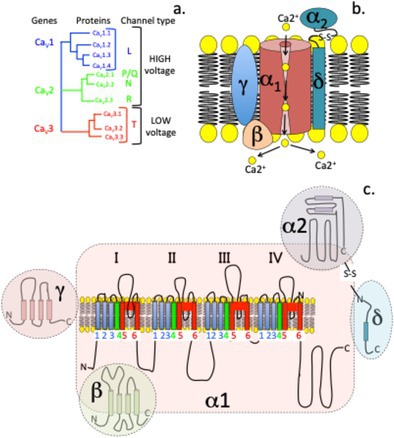 Figure 1
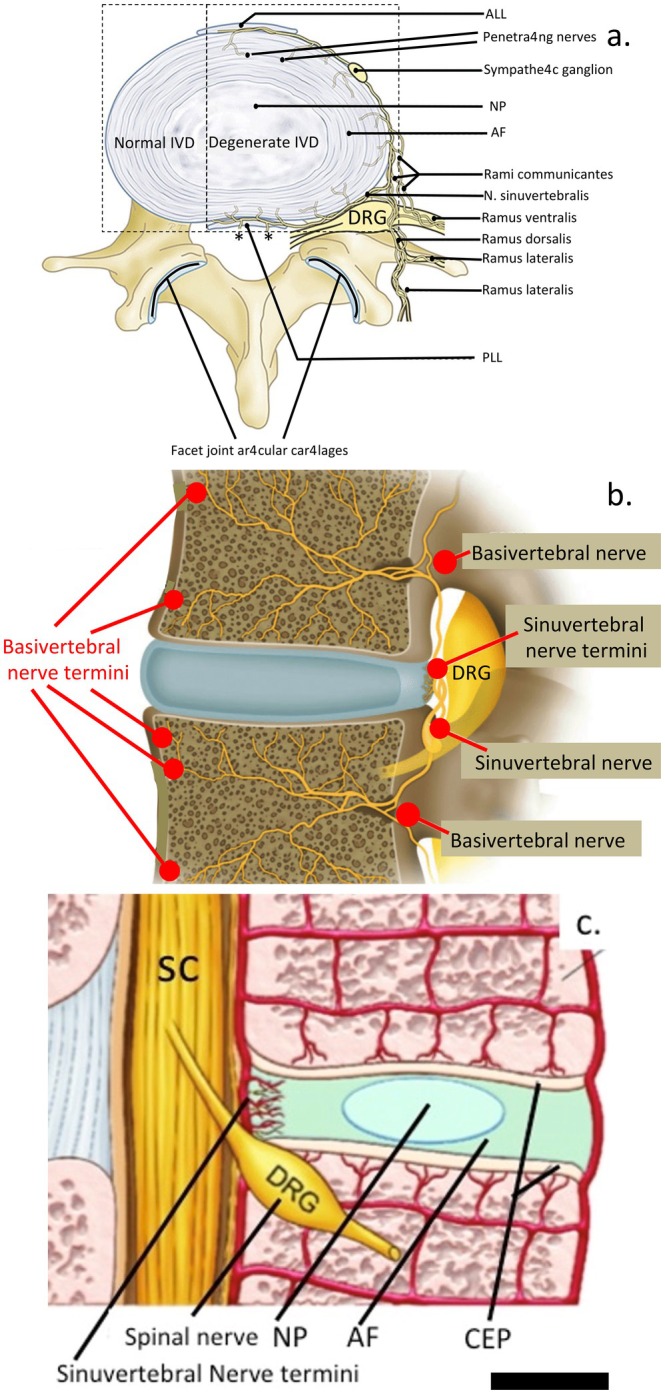 Figure 2
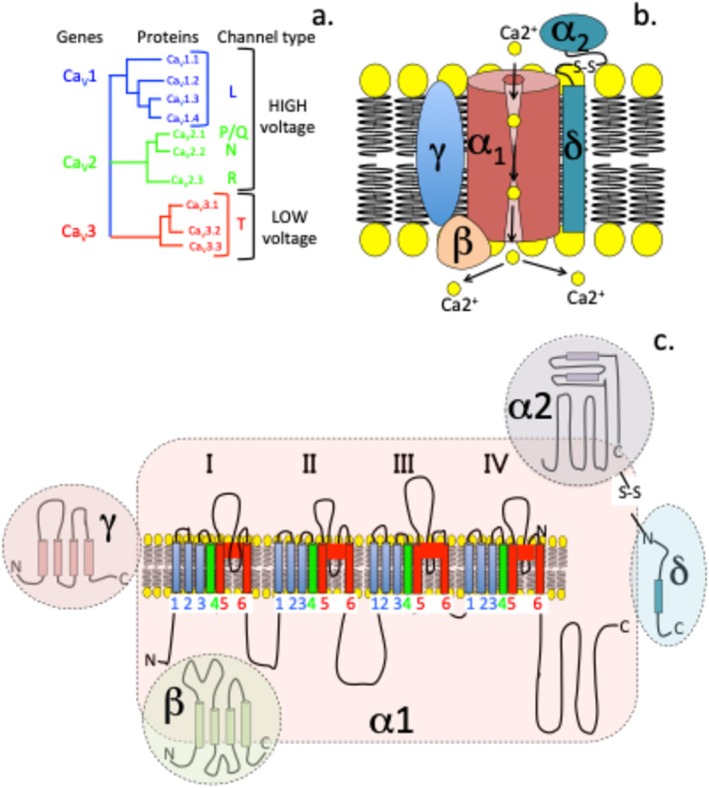 Figure 3
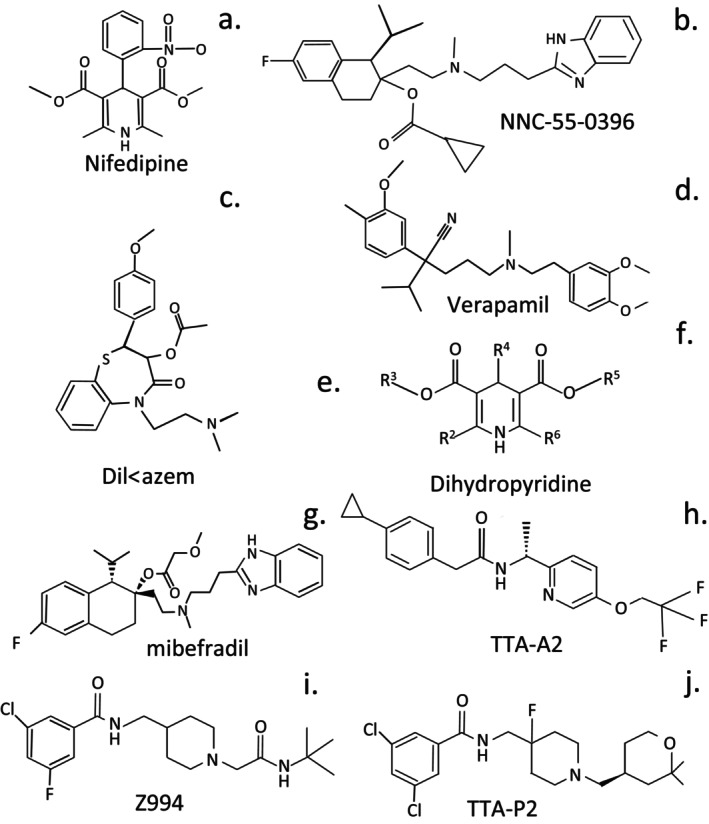 Figure 4
Peer Reviews
No public reviews on file for this paper yet. If you reviewed it on a platform where reviews are public (OpenReview, ICLR, NeurIPS, ICML), you can paste yours below so the community can read it here.
Videos
No videos yet. Explain this paper in a talk, walkthrough, or lecture? Add one.
Taxonomy
TopicsHealthcare and Venom Research · Pain Mechanisms and Treatments · Toxin Mechanisms and Immunotoxins