Atractylenolide I alleviates the experimental allergic response in mice by suppressing TLR4/NF-kB/NLRP3 signalling
Weiran Cai, Zhijun Zhang, Chenyan Shi, Ru Sun, Han Ju, Xuelin Dong, Lei Teng

TL;DR
Atractylenolide I reduces allergic responses in mice by blocking a key inflammation pathway, suggesting it could be a new treatment for allergic rhinitis.
Contribution
This study reveals that Atractylenolide I alleviates allergic rhinitis by suppressing the TLR4/NF-κB/NLRP3 signaling pathway in mice.
Findings
Atractylenolide I reduced sneezing, rubbing, and IgE levels in allergic mice.
The compound improved Th1/Th2 cytokine imbalance and reduced nasal mucosal inflammation.
TLR4/NF-κB and NLRP3 pathway activation was inhibited by Atractylenolide I.
Abstract
Allergic rhinitis (AR) is a frequent respiratory condition characterized by elevated immunoglobulin E (IgE) levels and nasal mucosal inflammation. Atractylenolide I (ATL-I), a bioactive ingredient in medicinal plants, is known for its ability to alleviate tissue damage by inhibiting inflammatory and oxidative stress responses. In this study, we aimed to investigate the protective roles of ATL-I in AR and reveal the potential mechanism involved. The AR model was developed in mice by intraperitoneal sensitization followed by intranasal exposure to ovalbumin. The effects of ATL-I on allergic responses were evaluated by recording sneezing and rubbing frequencies and measuring the serum concentrations of Th1 and Th2 cytokines following the intragastric administration of ATL-I. The activation of the Toll-like receptor 4/nuclear factor κB (TLR4/NF-κB) pathway and the NOD-like receptor 3…
Genes, proteins, chemicals, diseases, species, mutations and cell lines named across the full text — each resolved to its canonical identifier and authoritative record.
Click any figure to enlarge with its caption.
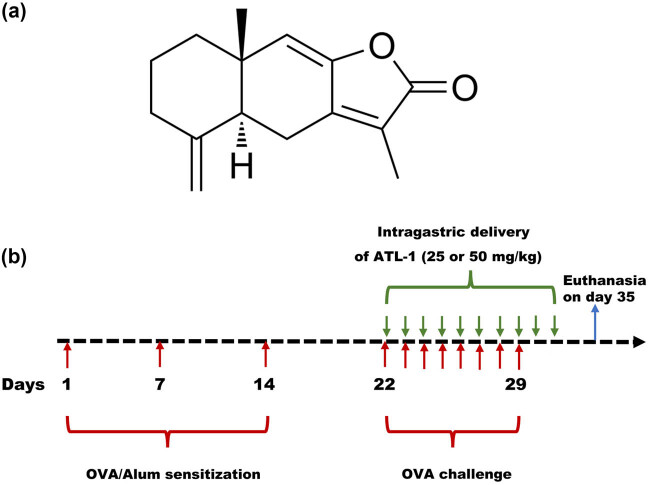 Figure 1
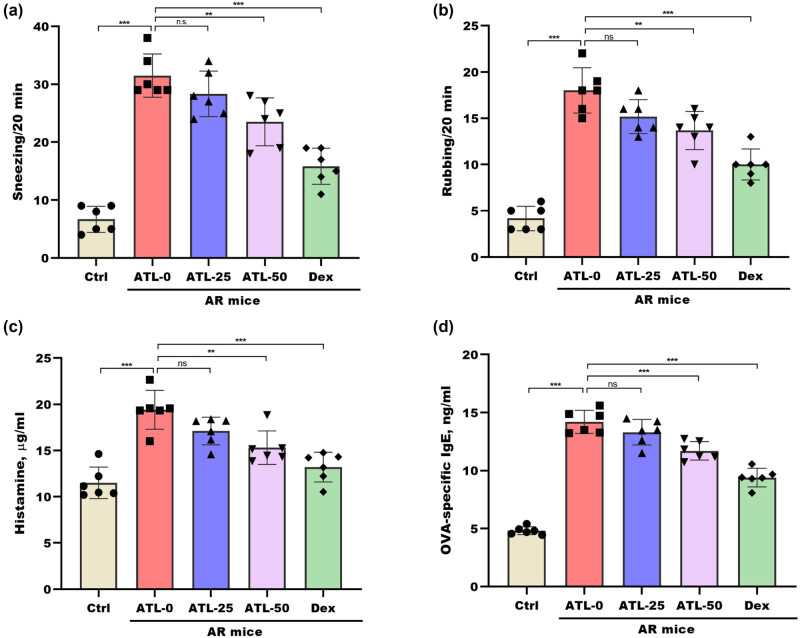 Figure 2
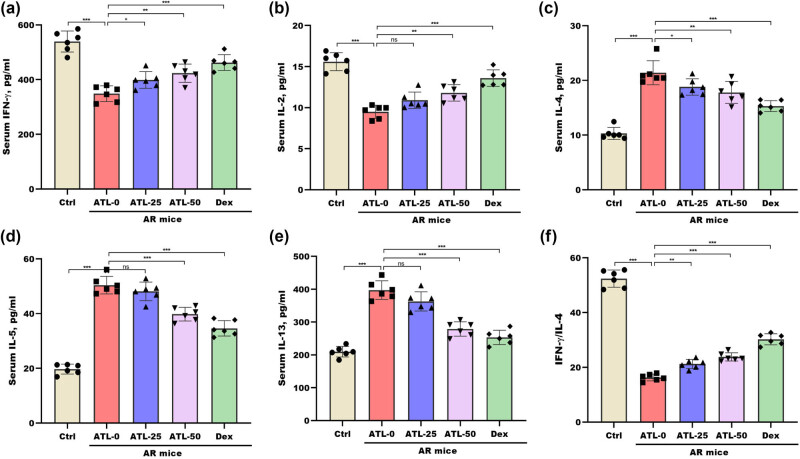 Figure 3
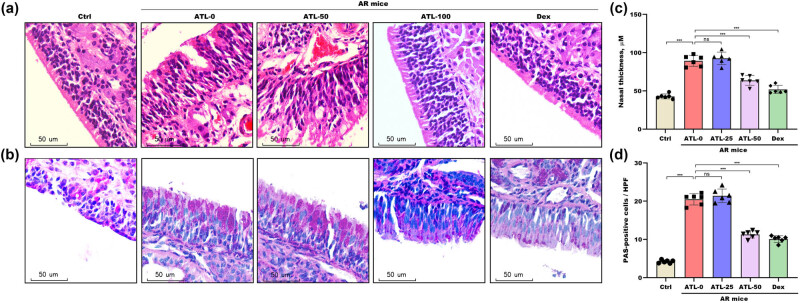 Figure 4
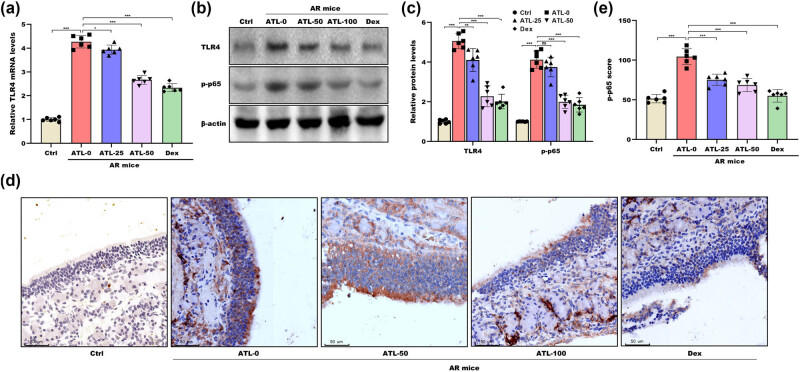 Figure 5
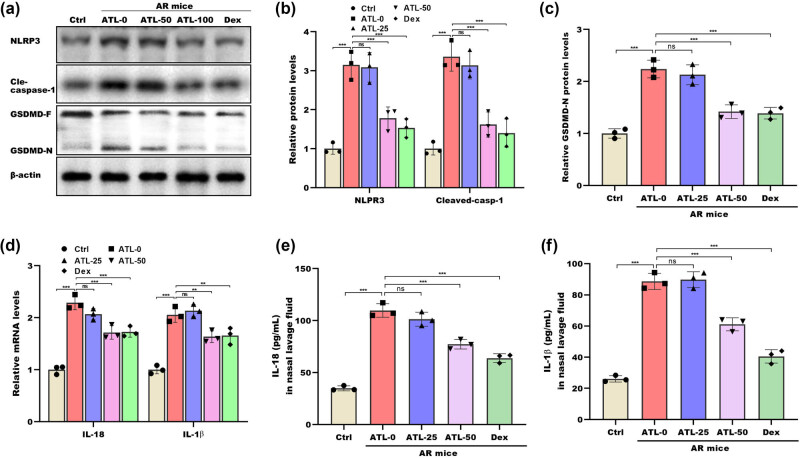 Figure 6
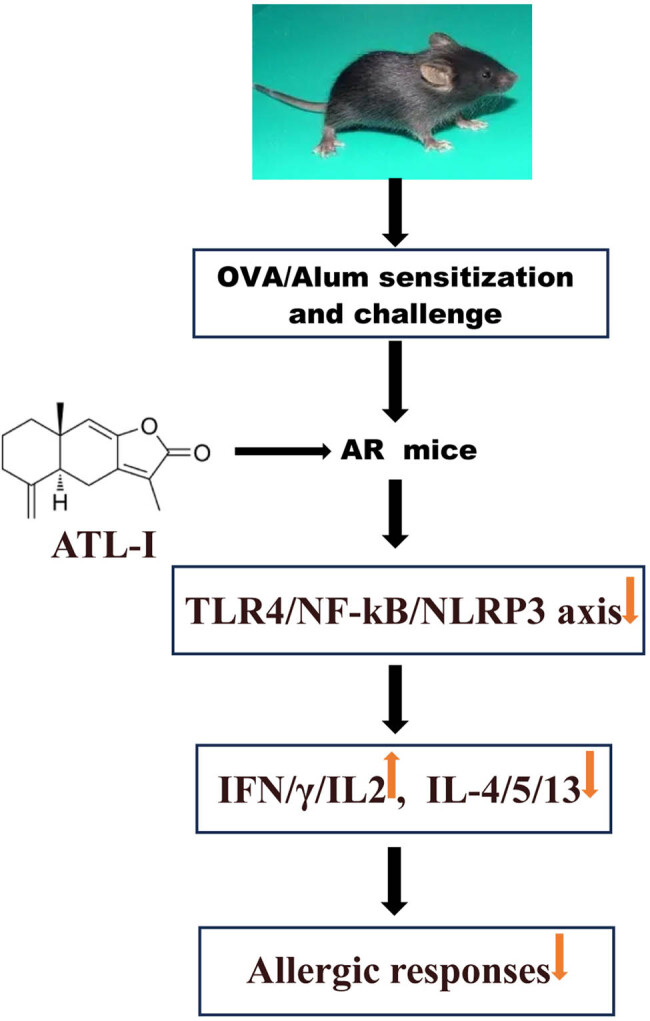 Figure 7
Peer Reviews
No public reviews on file for this paper yet. If you reviewed it on a platform where reviews are public (OpenReview, ICLR, NeurIPS, ICML), you can paste yours below so the community can read it here.
Videos
No videos yet. Explain this paper in a talk, walkthrough, or lecture? Add one.
Taxonomy
TopicsInflammasome and immune disorders · Asthma and respiratory diseases · Immune Response and Inflammation