Excessive Availability of Water for Irrigation Results in Cactus Cladode Powder with Fewer Organic Biomolecules and Reduces the Quality of the Biopolymeric Film
Lúcio José Vieira Silva, Aline Lima Soares, Jucivânia Cordeiro Pinheiro, Brenna Karelly Almeida Lopes, Natanael Lucena Ferreira, Lucas Vinícius Pierre de Andrada, Jheizon Feitoza do Nascimento Souza, Fred Augusto Louredo de Brito, Luana Gomes Cordeiro de Araújo

TL;DR
This study shows that less irrigation improves the quality of cactus-based biopolymer films used in food and packaging.
Contribution
The novel finding is that reduced irrigation increases the concentration of beneficial compounds in cactus powder, enhancing biopolymer film quality.
Findings
Low irrigation (0–80% ETc) increases total phenolics, carbohydrates, and electrical conductivity in cactus powder.
Opuntia films have better structural and mechanical properties than Nopalea films under low irrigation.
Cactus powder and films are suitable for food and packaging industries when produced under low irrigation.
Abstract
The effect of different irrigation regimes on the physical and chemical properties of cactus cladode powder and its biopolymeric films was investigated. Plants of the genera Nopalea and Opuntia were grown under four irrigation regimes of: 0, 40, 80, and 120% evapotranspiration. The cladodes were harvested, their powder was obtained, hydrated, mixed with ethanol (70%), calcium lactate (5% w/v), and dried in an oven at 55 °C for 27 h to obtain biopolymeric films. The physicochemical and spectral data related to the multivariate analysis showed that the lowest irrigation regime (0–80% of ETc) for both genders produced more acidic material, with higher levels of total phenolic compounds, total carbohydrates, and electrical conductivity. Furthermore, the surfaces of Opuntia films showed more homogeneous micro- and macrostructure and better mechanical and thermal properties compared to…
Genes, proteins, chemicals, diseases, species, mutations and cell lines named across the full text — each resolved to its canonical identifier and authoritative record.
Click any figure to enlarge with its caption.
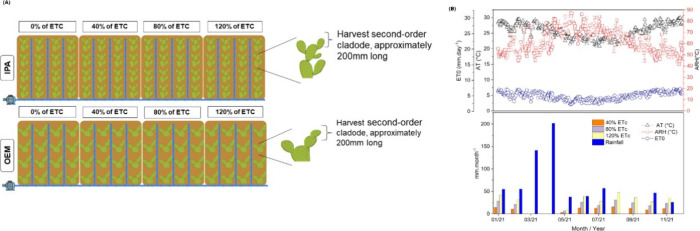 Figure 1
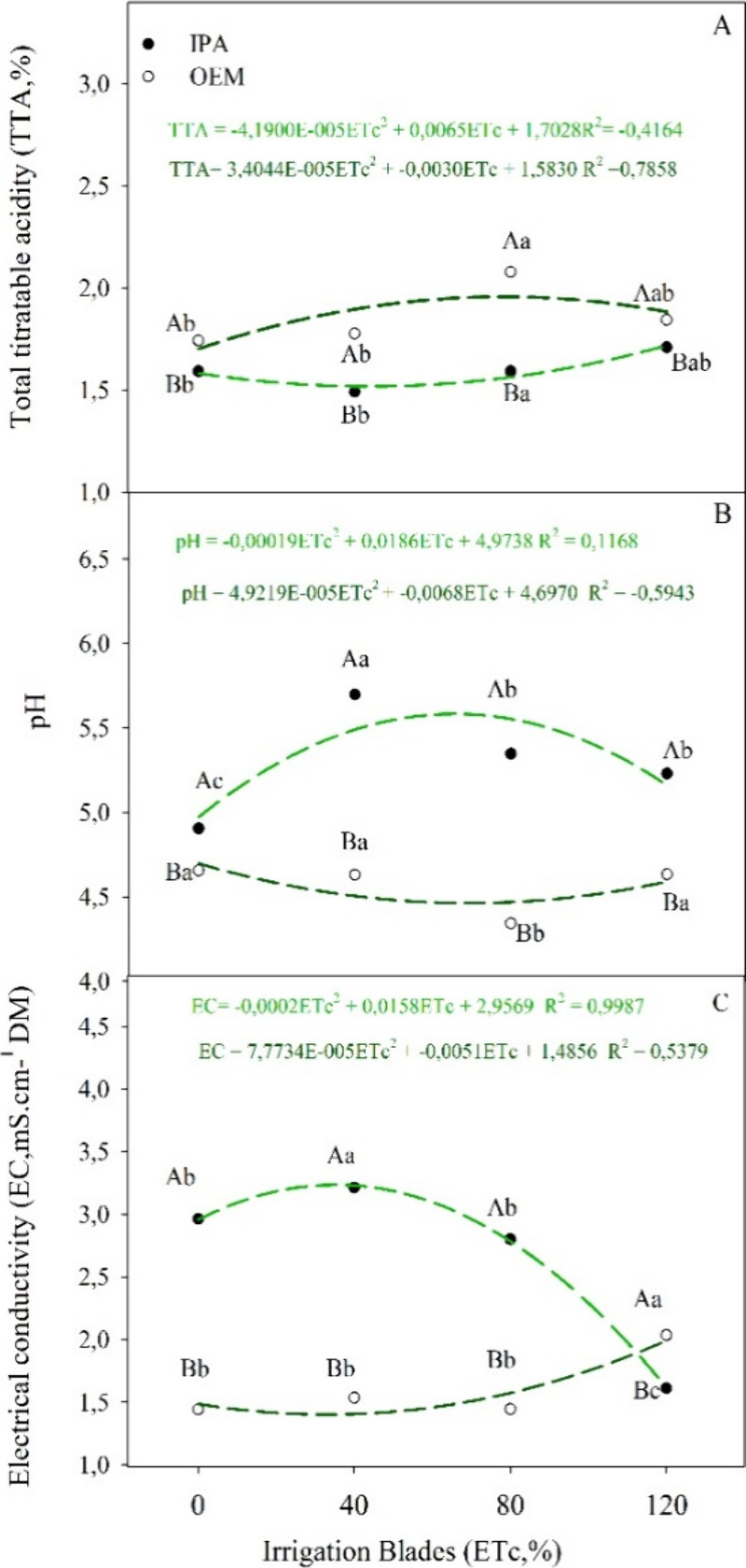 Figure 2
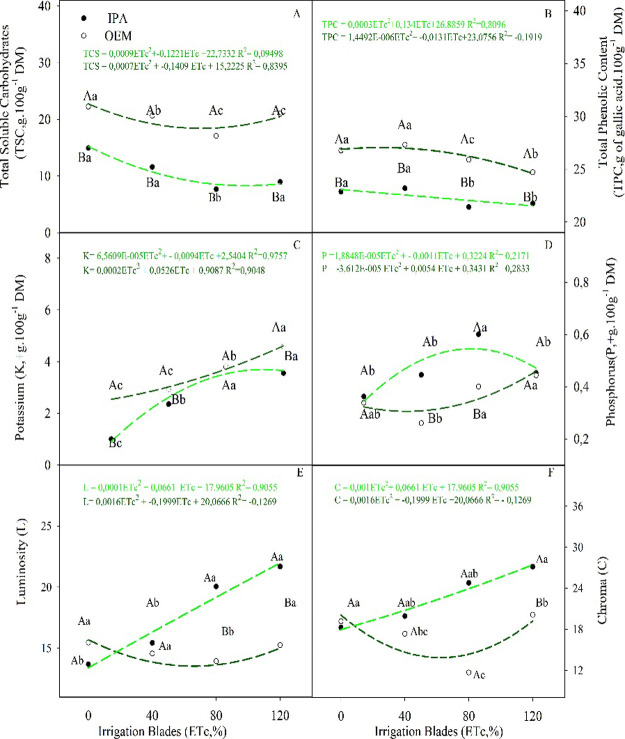 Figure 3
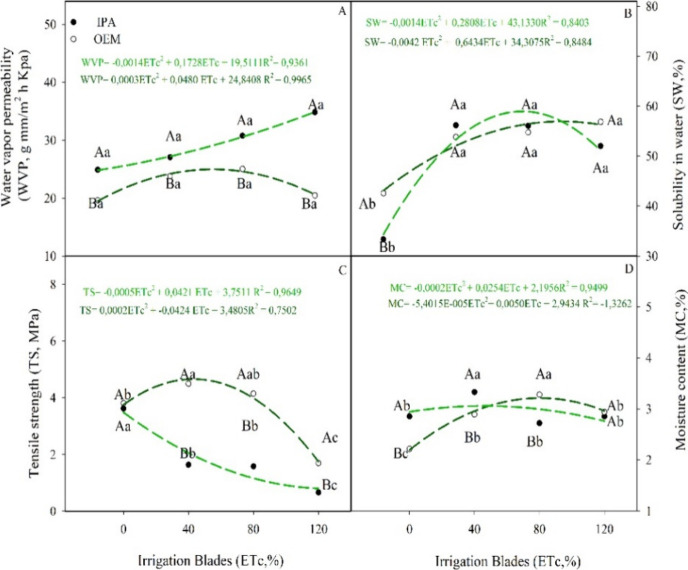 Figure 4
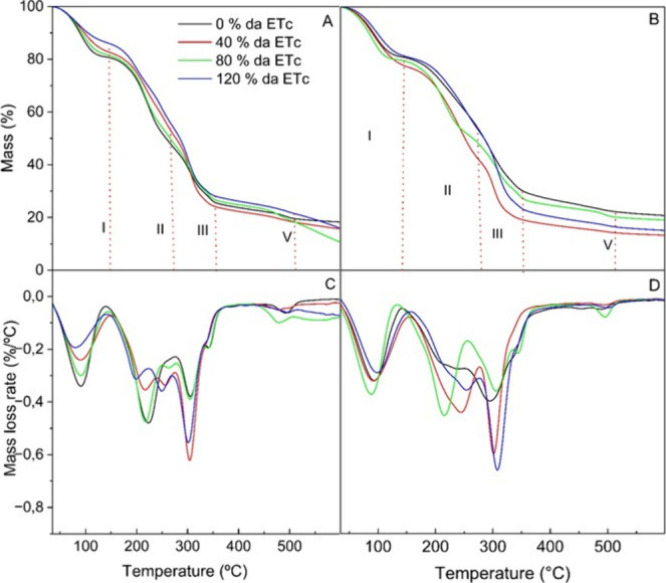 Figure 5
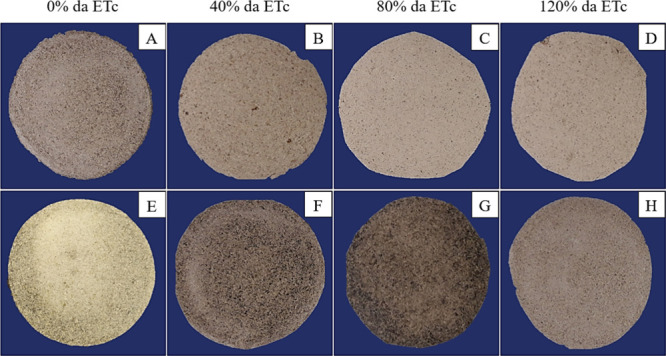 Figure 6
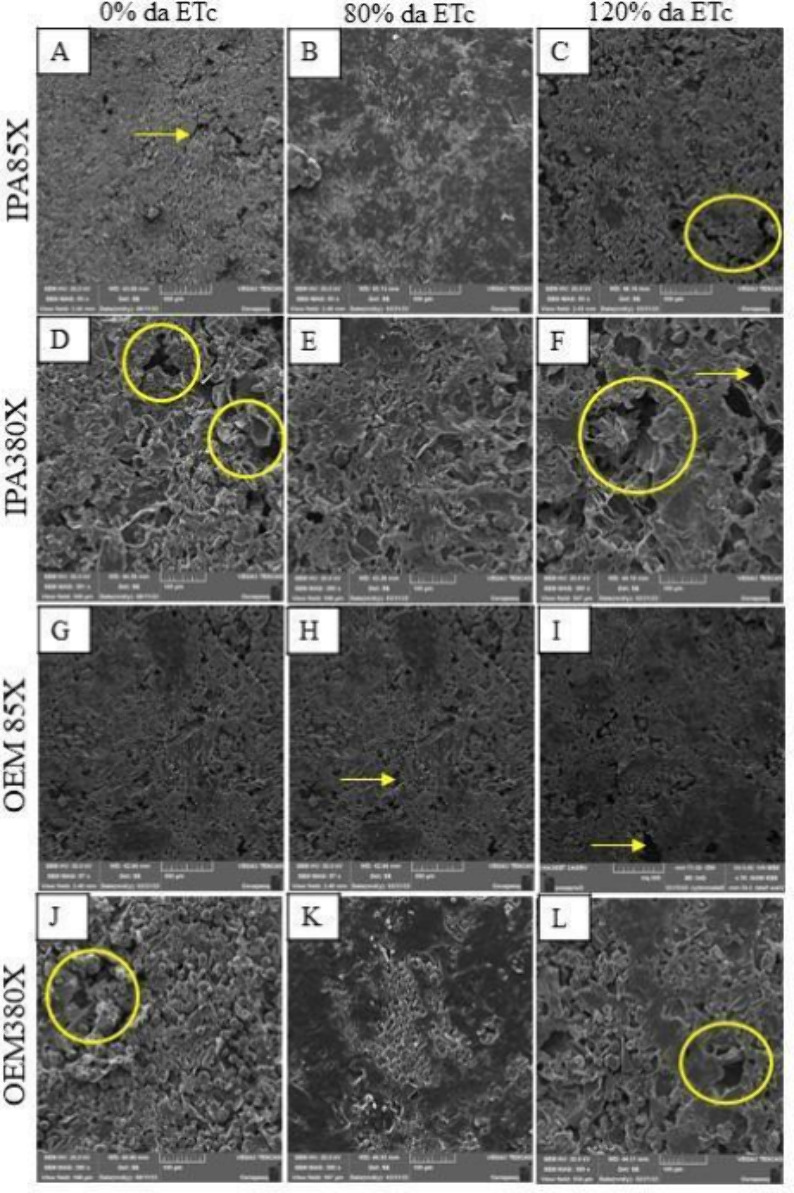 Figure 7
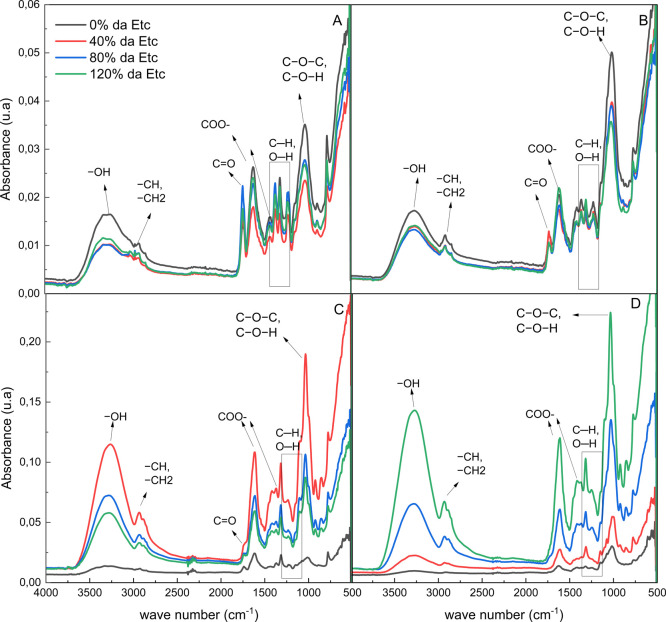 Figure 8
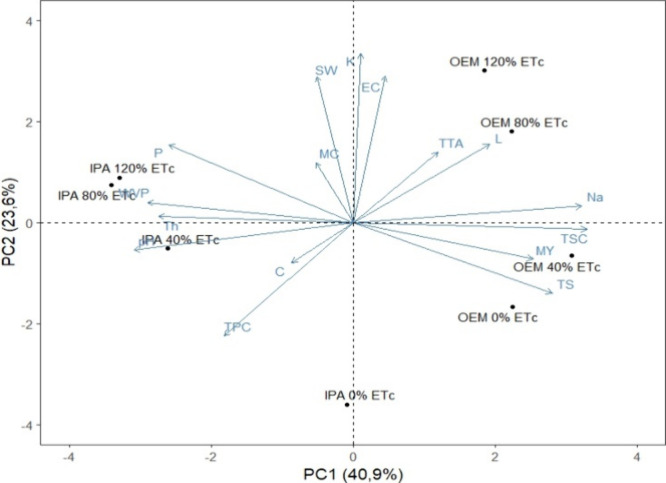 Figure 9
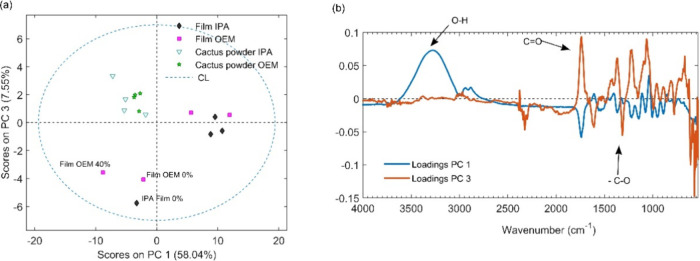 Figure 10
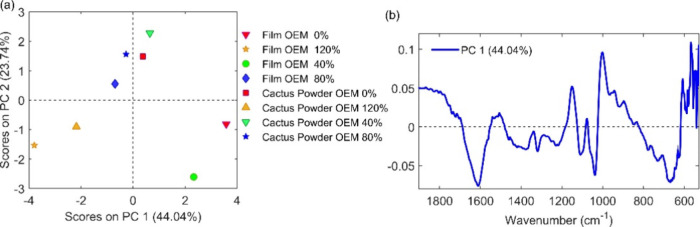 Figure 11
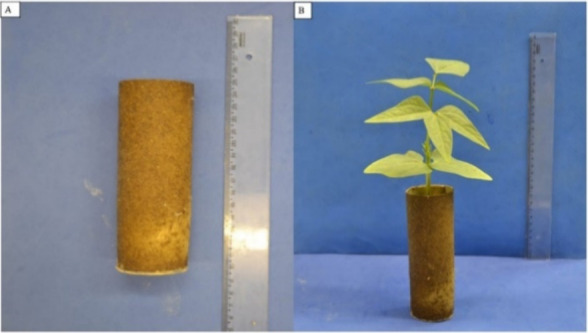 Figure 12
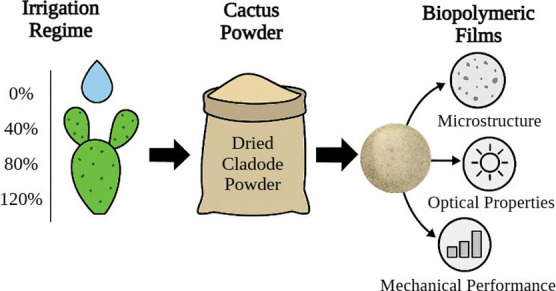 Figure 13
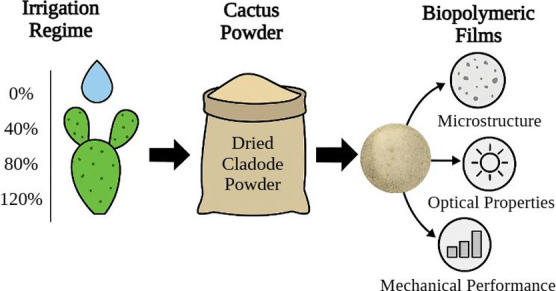 Figure 14
 Figure 15
 Figure 16
 Figure 17
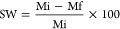 Figure 18
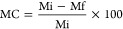 Figure 19
 Figure 20
Peer Reviews
No public reviews on file for this paper yet. If you reviewed it on a platform where reviews are public (OpenReview, ICLR, NeurIPS, ICML), you can paste yours below so the community can read it here.
Videos
No videos yet. Explain this paper in a talk, walkthrough, or lecture? Add one.
Taxonomy
TopicsBotanical Research and Applications · Psidium guajava Extracts and Applications · Leaf Properties and Growth Measurement