Evaluation of Green Tea Leaves as an In Situ Capping Material for the Remediation of Lindane-Contaminated Sediments
Chi-Wei Wang, Chenju Liang

TL;DR
Green tea leaves are used to create a sustainable material that effectively reduces lindane pollution in river sediments.
Contribution
A novel in situ capping material using green tea polyphenols is developed for lindane remediation.
Findings
The GT ISCM formulation effectively immobilizes and degrades lindane in contaminated sediments.
The material prevents the formation of harmful byproducts during lindane degradation.
The ISCM shows high removal efficiency of lindane under simulated field conditions.
Abstract
Organochlorine pesticides (OCPs), such as lindane, persist as toxic pollutants in river sediments, necessitating operative and effective remediation. An alkaline green tea (GT)/Fe2+ system shows promise for chemical reductive degradation of lindane through sustained polyphenol release. This study developed a novel in situ capping material (ISCM) composed of tea leaves, bentonite, sodium alginate, and pyrite. The GT ISCM exhibits strong water absorption, swelling, extended polyphenol release, and a stable reducing environment. Using the Taguchi method (L9 orthogonal array), the ISCM formulation was systematically optimized, and Analysis of Variance identified the optimal composition as 10 g bentonite, 0.5 g tea leaves, 0.25 g pyrite, and 0.1 g sodium alginate. Utilizing tea polyphenols as reducing agents, it immobilized lindane and promoted its degradation while preventing the formation…
Genes, proteins, chemicals, diseases, species, mutations and cell lines named across the full text — each resolved to its canonical identifier and authoritative record.
Click any figure to enlarge with its caption.
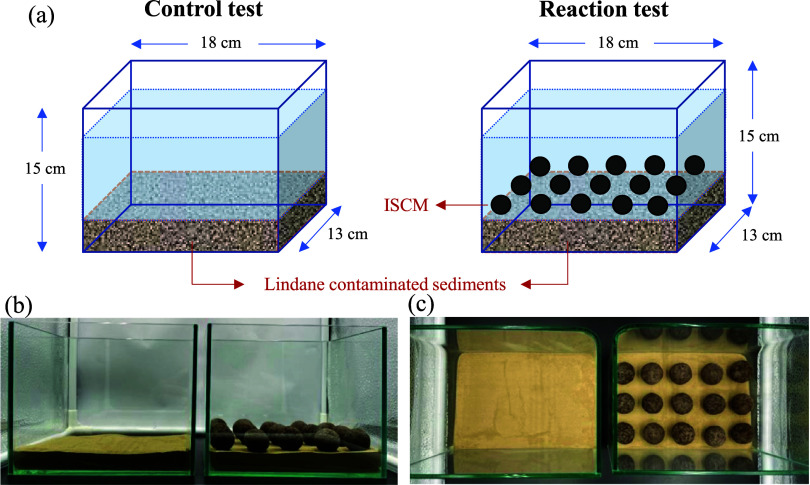 Figure 1
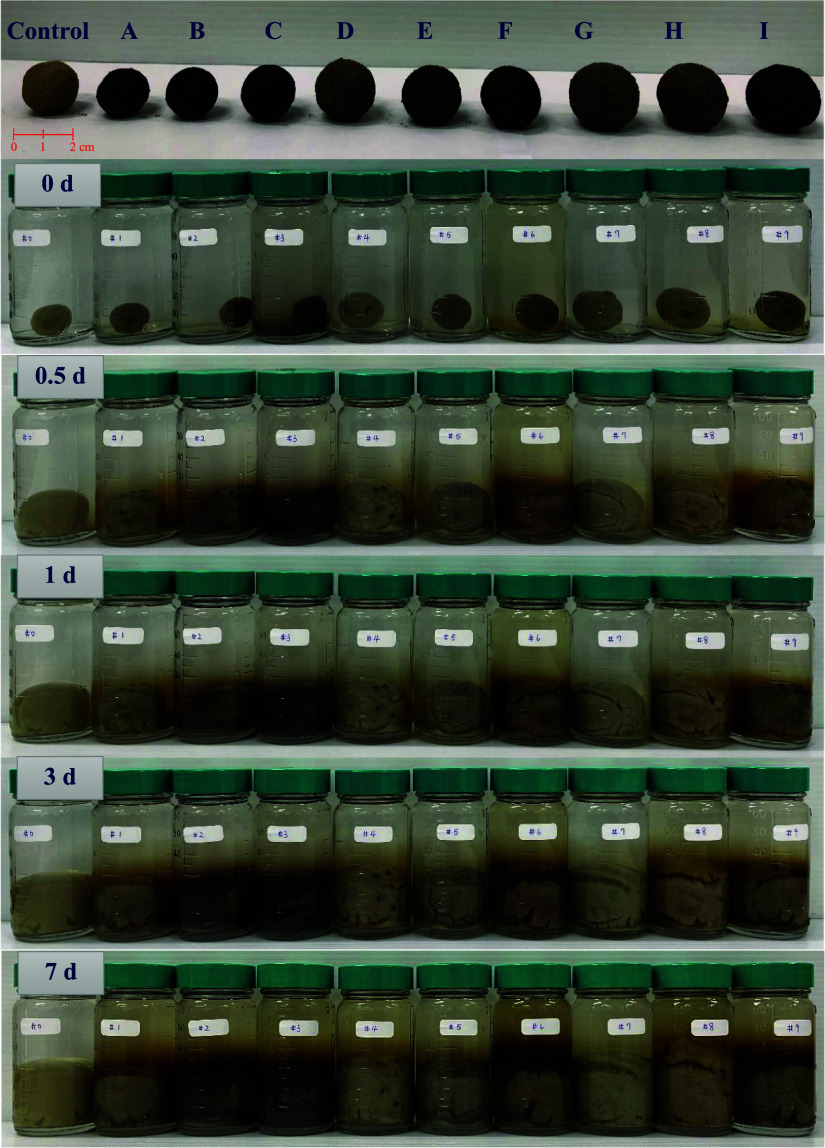 Figure 2
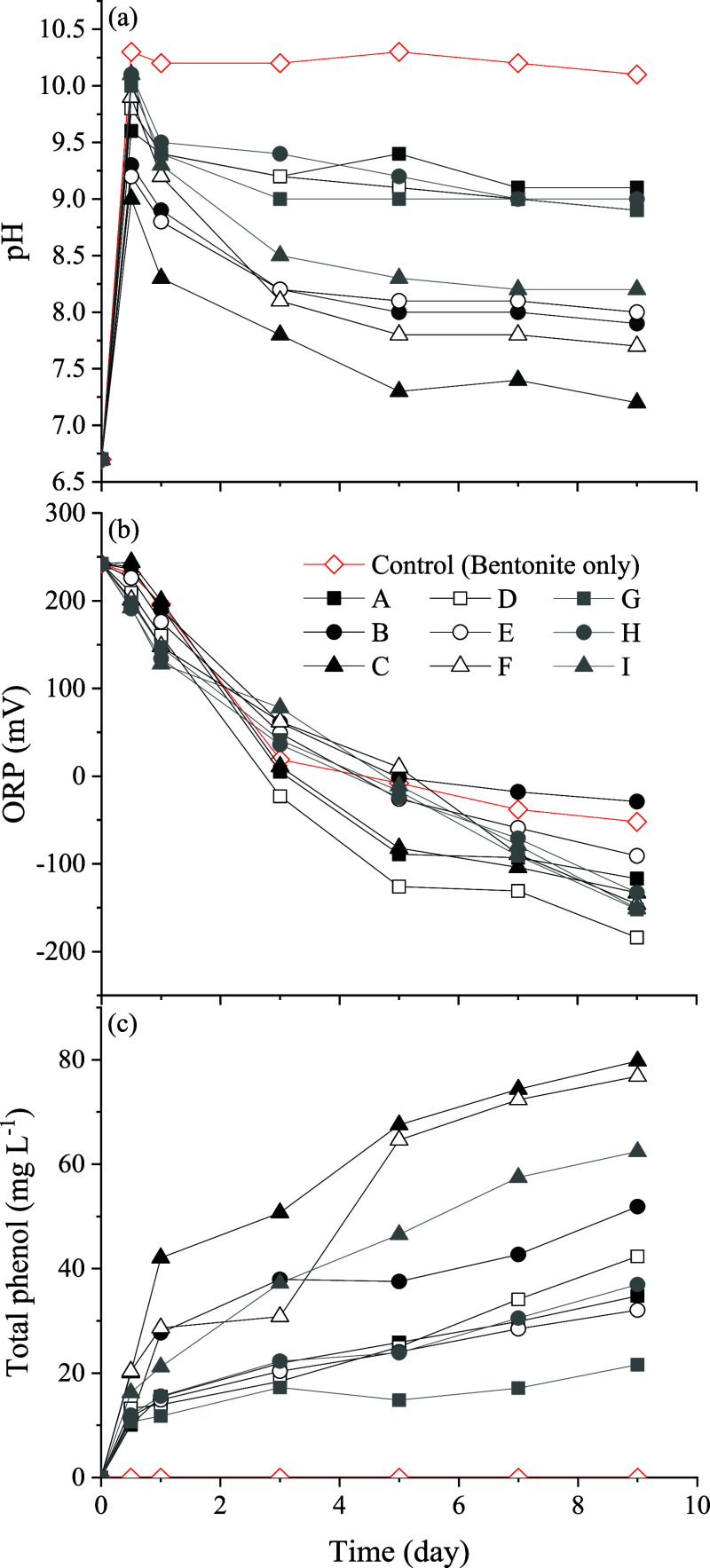 Figure 3
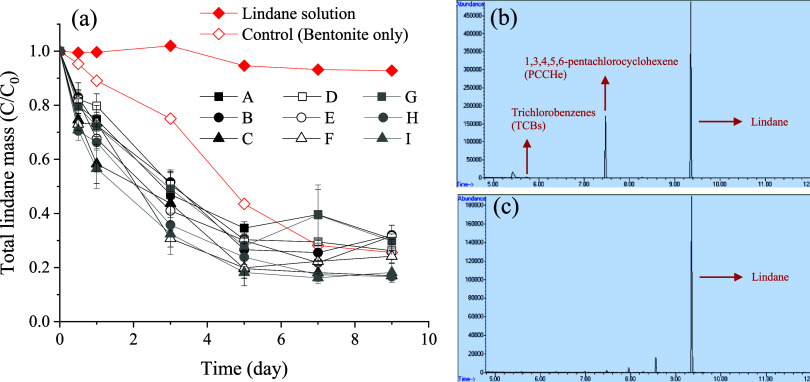 Figure 4
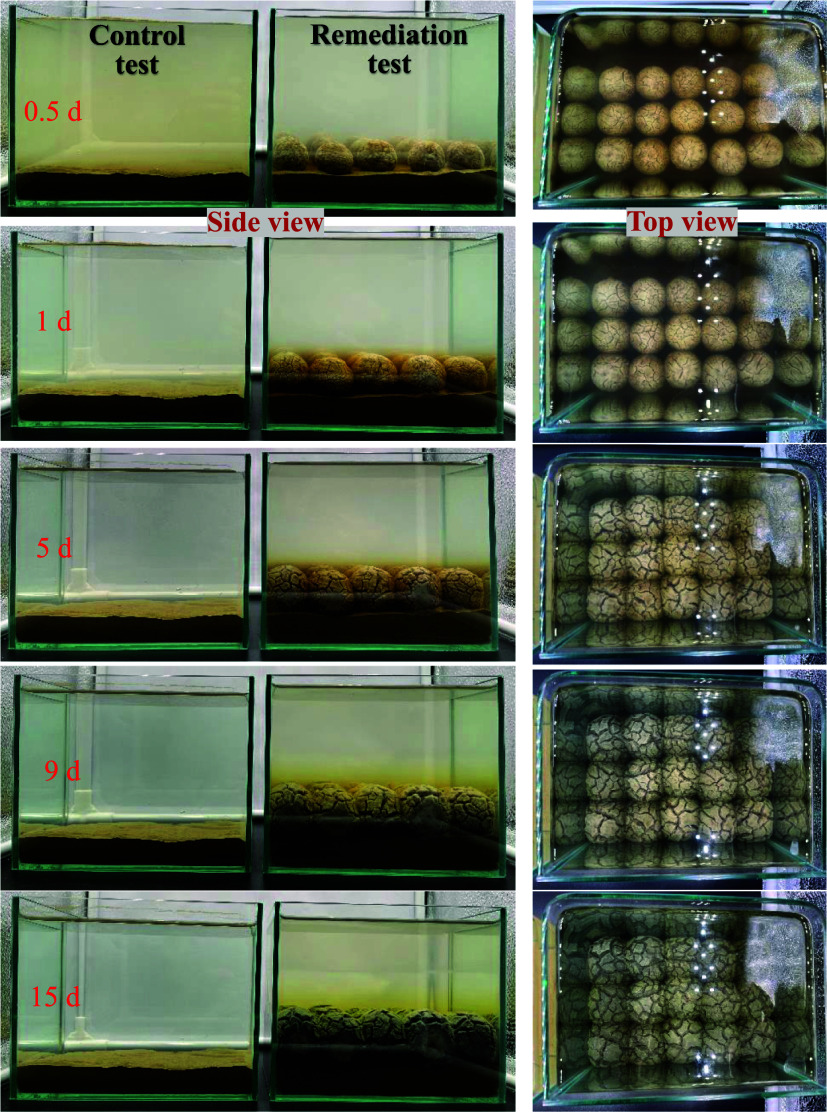 Figure 5
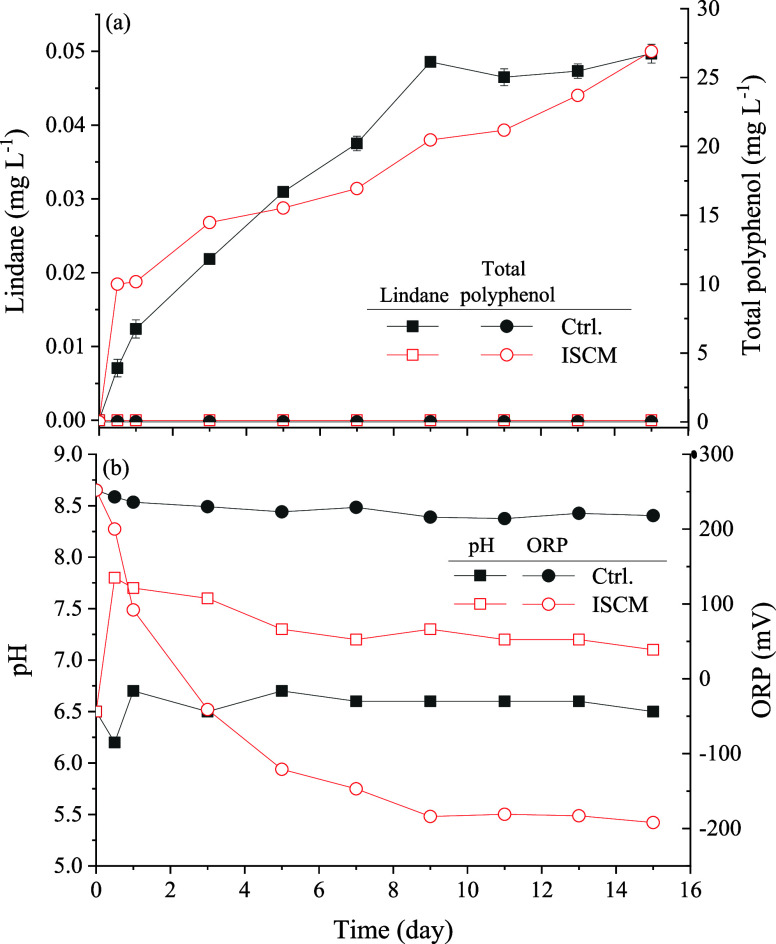 Figure 6
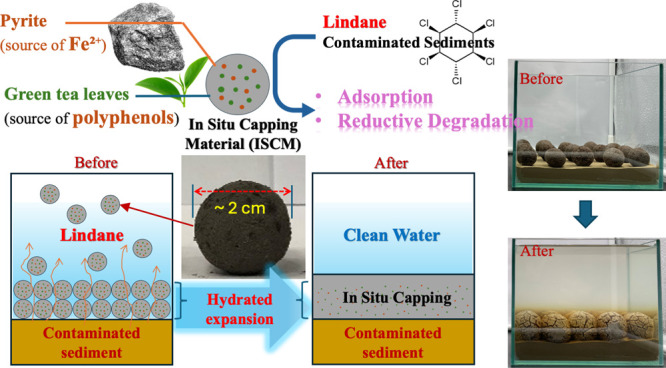 Figure 7
 Figure 8
 Figure 9
 Figure 10
Peer Reviews
No public reviews on file for this paper yet. If you reviewed it on a platform where reviews are public (OpenReview, ICLR, NeurIPS, ICML), you can paste yours below so the community can read it here.
Videos
No videos yet. Explain this paper in a talk, walkthrough, or lecture? Add one.
Taxonomy
TopicsAnalytical chemistry methods development · Toxic Organic Pollutants Impact · Arsenic contamination and mitigation