Human Helicase DDX5 is Hijacked by SARS-CoV‑2 Nsp13 Helicase to Enhance RNA Unwinding
Giovanni Barra, Alessia Ruggiero, Valeria Napolitano, Camilla Lodola, Massimiliano Secchi, Maria Michela Pallotta, Viviana Benincasa, Francesco Leone, Giovanni Maga, Rita Berisio

TL;DR
The study reveals that the human protein DDX5 interacts with SARS-CoV-2's Nsp13 helicase to enhance RNA unwinding, a key step in viral replication.
Contribution
The paper identifies a novel synergistic interaction between DDX5 and SARS-CoV-2 Nsp13 helicase that enhances RNA unwinding.
Findings
DDX5 binds to SARS-CoV-2 Nsp13 helicase with nanomolar affinity.
The RecA1 domain of DDX5 mediates the interaction with Nsp13 and weakly inhibits their synergistic RNA unwinding.
DDX5 and Nsp13 work together to unwind RNA, likely aiding early stages of SARS-CoV-2 infection.
Abstract
DEAD-box protein (DDX) 5 plays important roles in multiple aspects of cellular processes that require modulation of the RNA structure. Alongside the canonical role in RNA metabolism, numerous studies have demonstrated that DDX5 influences viral infections by directly interacting with viral proteins. However, the precise functional role of DDX5 during viral infection remains largely unclear. Here, we explore the previously undiscovered ability of DDX5 to interact and synergize with the Nsp13 helicase of SARS-CoV-2. We show that DDX5 exhibits a nanomolar binding affinity to Nsp13. Also, by dissecting DDX5 in its individual domains, we show that the Nsp13–DDX5 interaction is mediated by the RecA1 domain of DDX5. Importantly, we show that DDX5 and Nsp13 synergize in unwinding double-stranded RNA. Consistent with its ability to bind Nsp13, the RecA1 domain of DDX5 acts as a weak inhibitor of…
Genes, proteins, chemicals, diseases, species, mutations and cell lines named across the full text — each resolved to its canonical identifier and authoritative record.
Click any figure to enlarge with its caption.
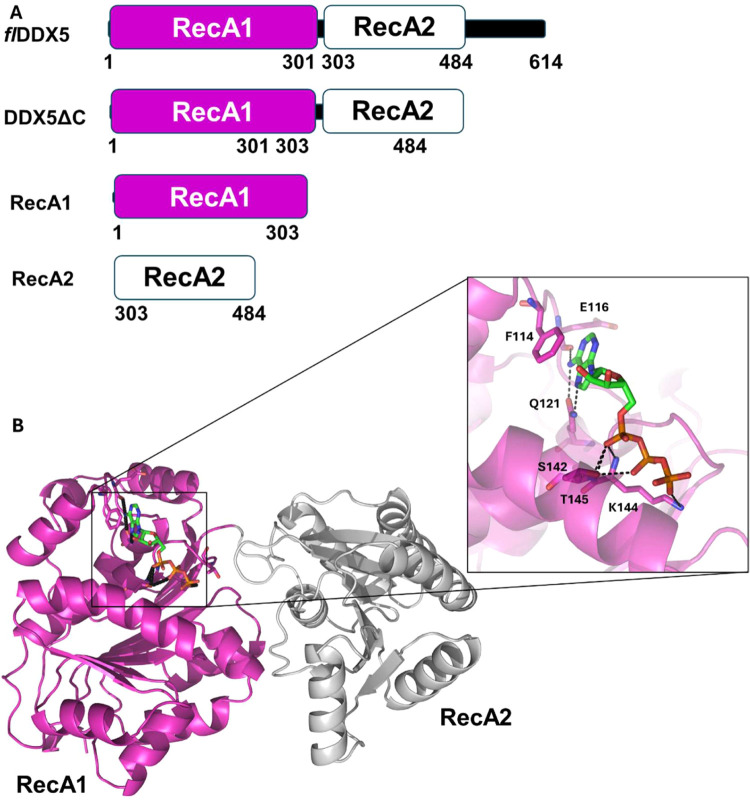 Figure 1
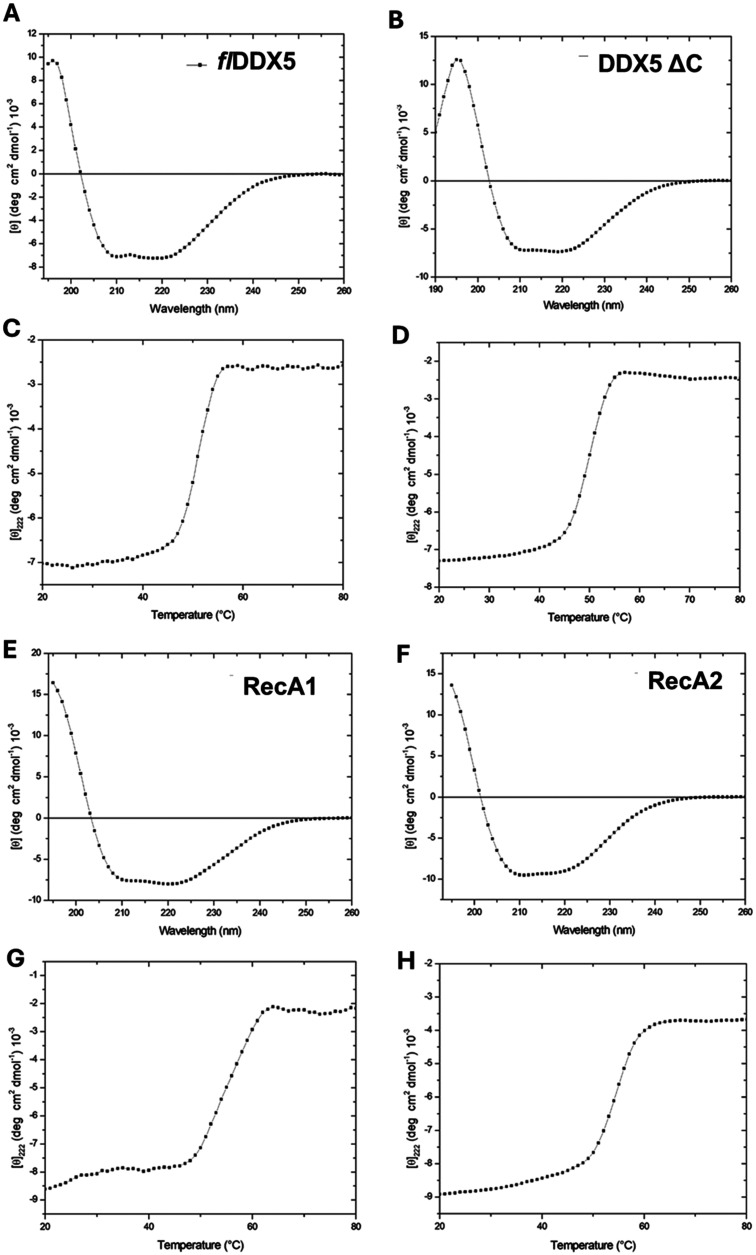 Figure 2
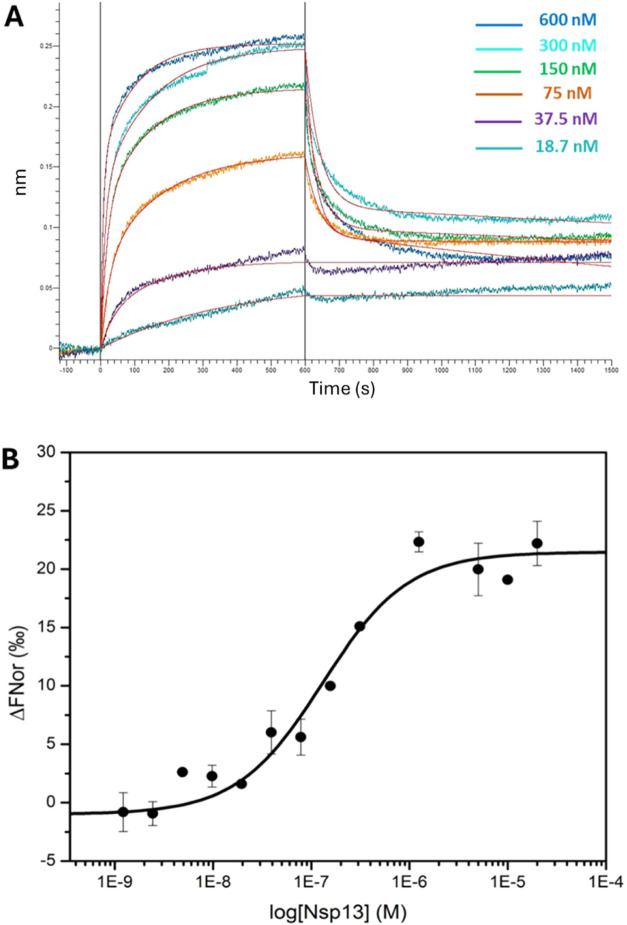 Figure 3
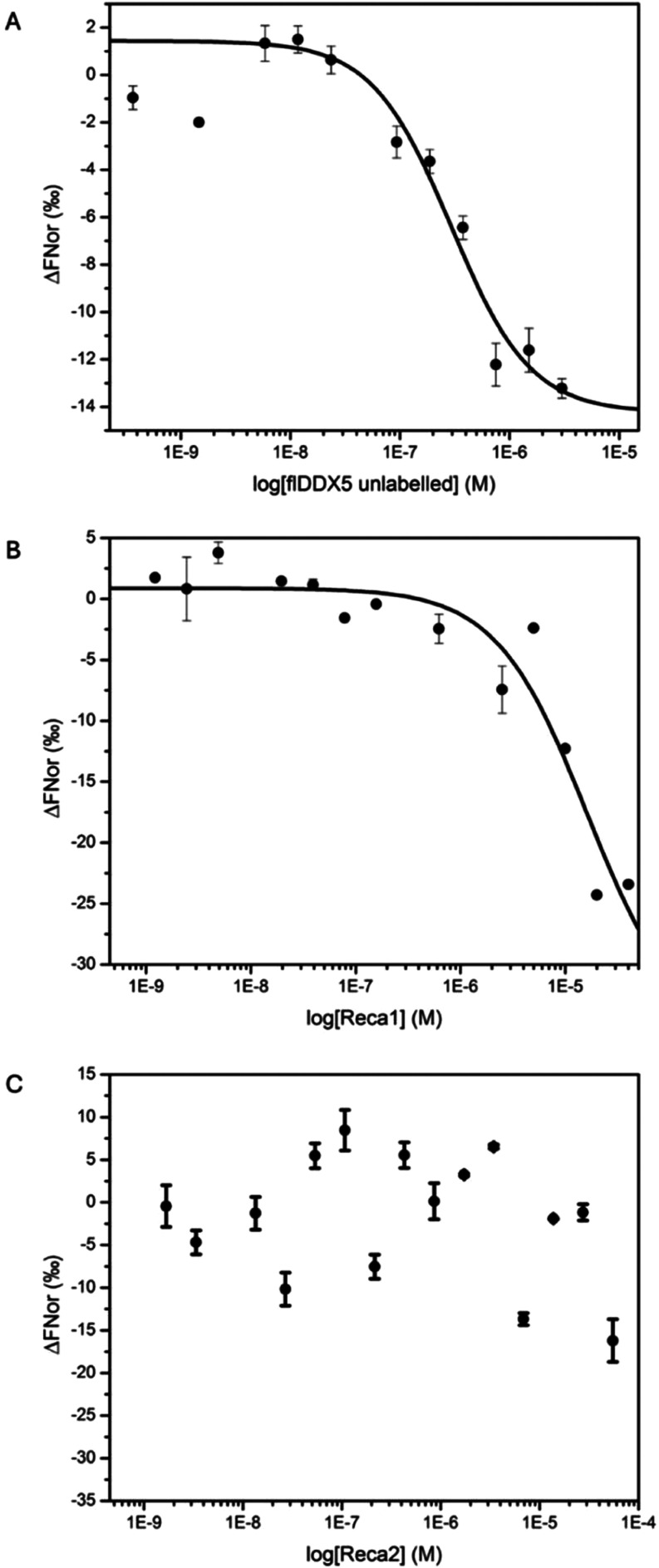 Figure 4
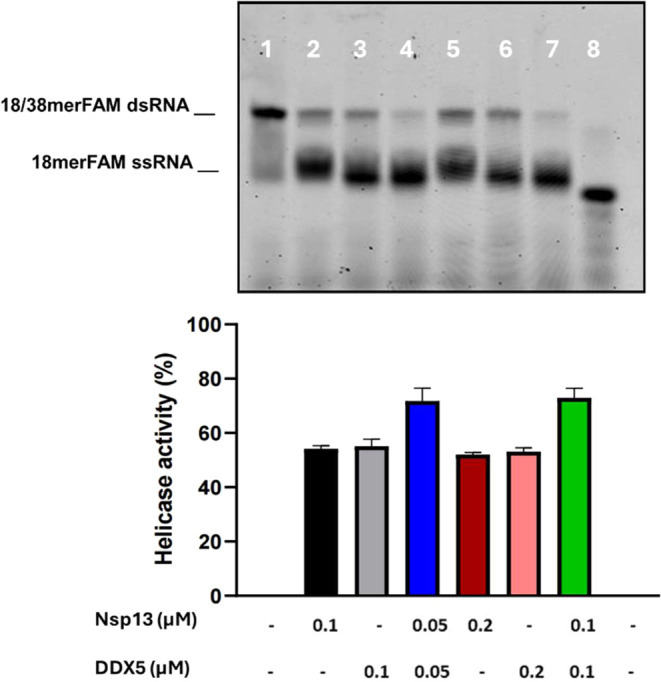 Figure 5
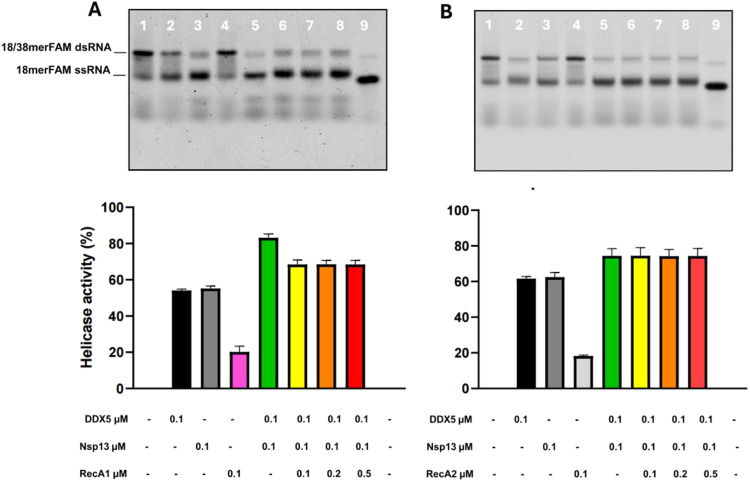 Figure 6
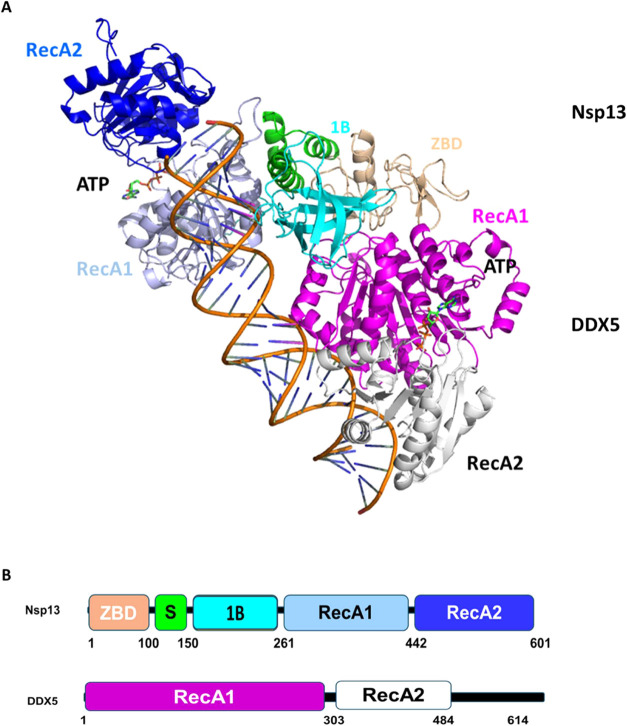 Figure 7
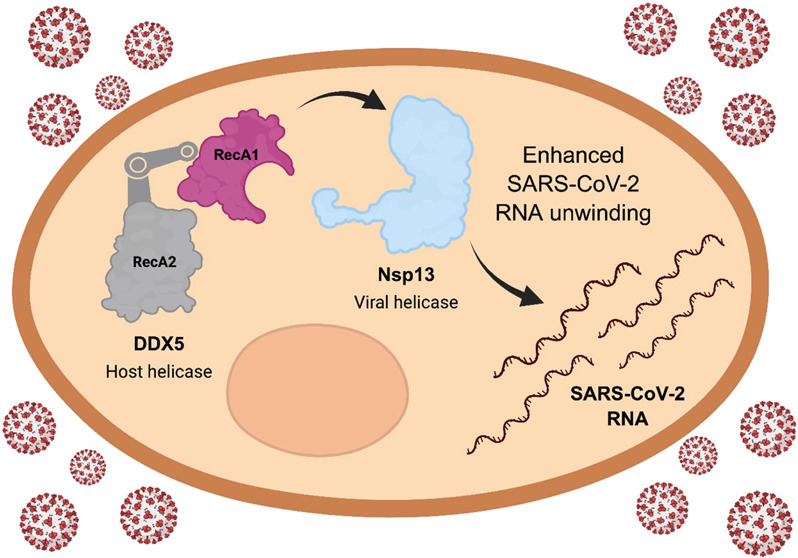 Figure 8
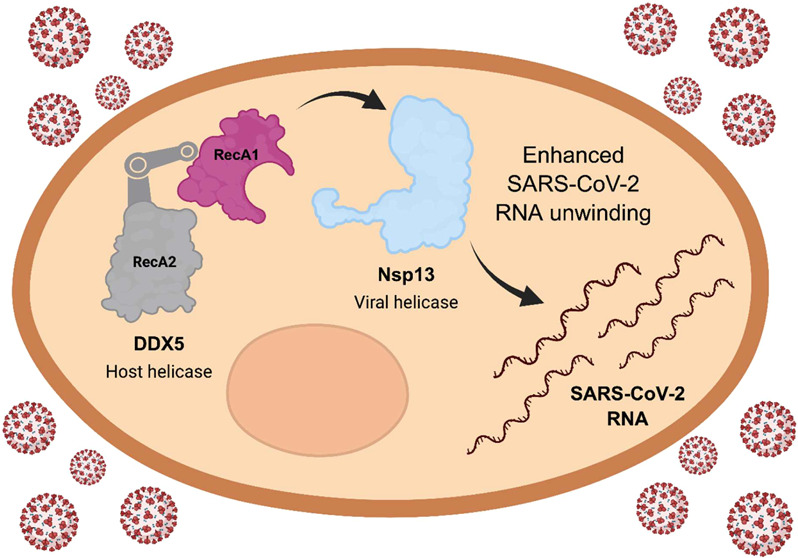 Figure 9
Peer Reviews
No public reviews on file for this paper yet. If you reviewed it on a platform where reviews are public (OpenReview, ICLR, NeurIPS, ICML), you can paste yours below so the community can read it here.
Videos
No videos yet. Explain this paper in a talk, walkthrough, or lecture? Add one.
Taxonomy
TopicsRNA Research and Splicing · RNA modifications and cancer · Viral gastroenteritis research and epidemiology