Structural Implications of Missense Point Mutations in Shwachman–Bodian–Diamond Syndrome Protein (SBDS): A Combined SAXS/MD Investigation
Giovanni Mattiotti, Vittoria Nanna, Marco Giulini, Domenico Alberga, Giuseppe Felice Mangiatordi, Nuria Sánchez-Puig, Michele Saviano, Luca Tubiana, Raffaello Potestio, Gianluca Lattanzi, Dritan Siliqi

TL;DR
This study explores how specific mutations in the SBDS protein affect its structure and function, using simulations and experiments to understand their role in disease.
Contribution
The study provides a structural rationale for how specific SBDS mutations disrupt interactions with EFL1 and ribosomes.
Findings
Mutations I167T, R175W, and I212T weaken SBDS-EFL1 interactions.
SAXS data show altered conformational states in R19Q, I167T, and R175W mutants.
MD simulations reveal changes in SBDS interdomain flexibility linked to disease.
Abstract
Shwachman–Diamond syndrome (SDS) is a rare autosomal recessive disorder characterized by pleiotropic phenotypes, including pancreatic insufficiency, skeletal abnormalities, and bone marrow dysfunction. Notably, patients with SDS exhibit an increased risk of developing myelodysplastic syndrome and leukemia. In this study, we employed a combination of comparative molecular dynamics (MD) simulations and small-angle X-ray scattering (SAXS)-based analysis to investigate the Shwachman–Bodian–Diamond syndrome protein (SBDS). Specifically, we explored the molecular basis of the syndrome by examining the conformational dynamics of a set of missense mutants of SBDS in comparison to those of the wild-type (WT) protein. Our observations suggest that different mutations may impact (i) the interaction of SBDS with the ribosome, (ii) the binding of SBDS to Elongation Factor-Like 1 (EFL1), and (iii)…
Genes, proteins, chemicals, diseases, species, mutations and cell lines named across the full text — each resolved to its canonical identifier and authoritative record.
Click any figure to enlarge with its caption.
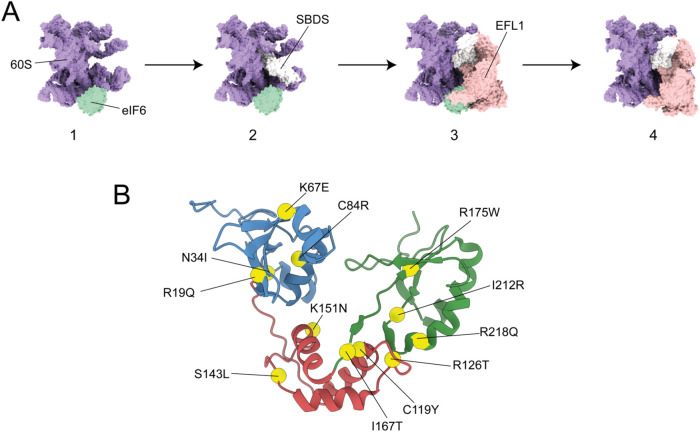 Figure 1
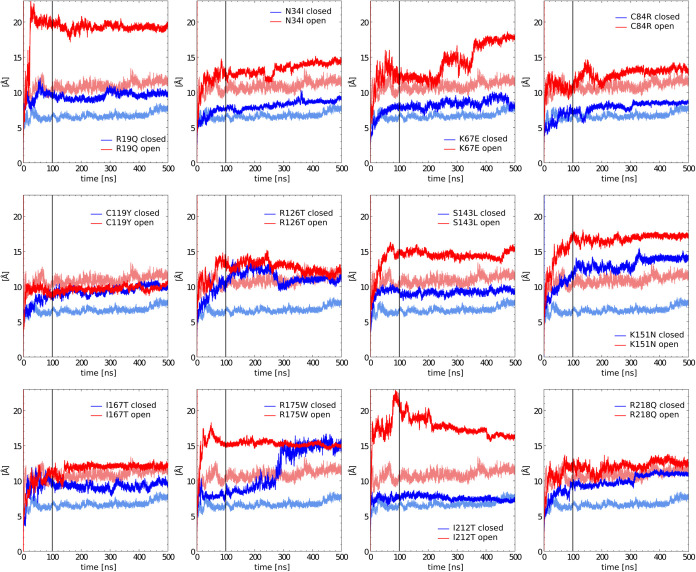 Figure 2
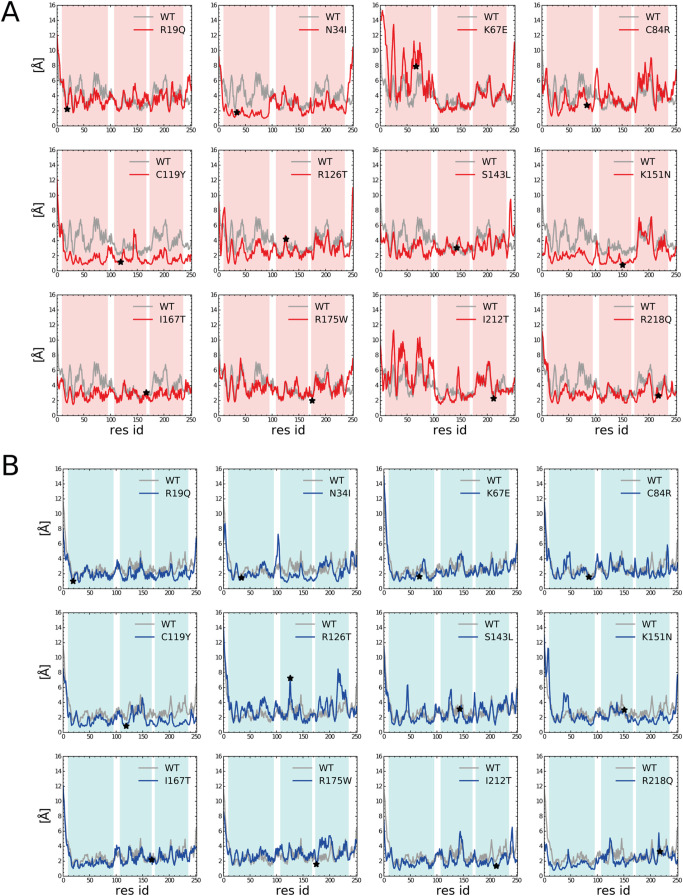 Figure 3
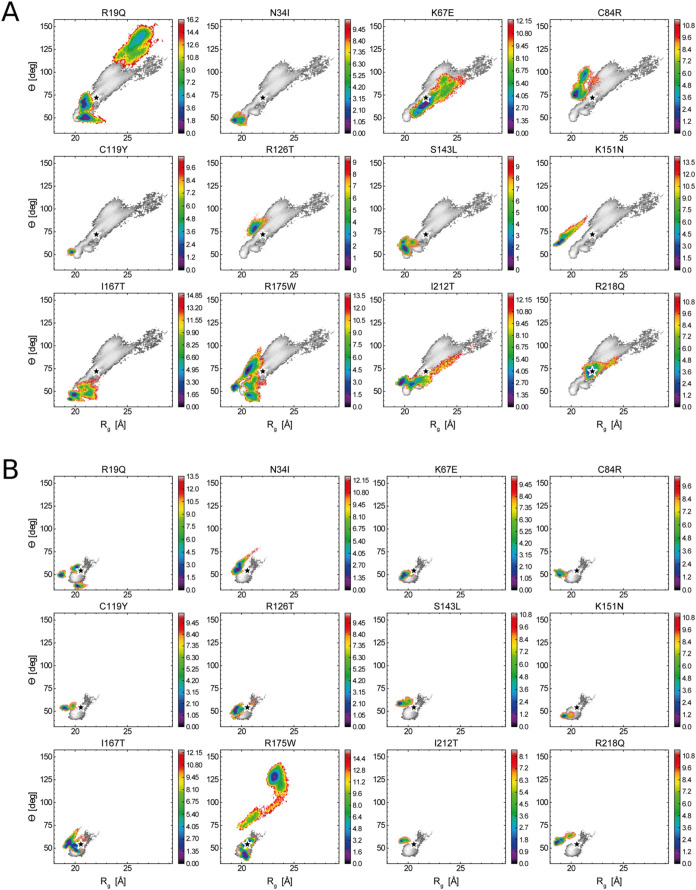 Figure 4
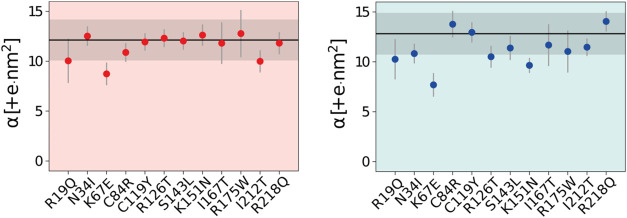 Figure 5
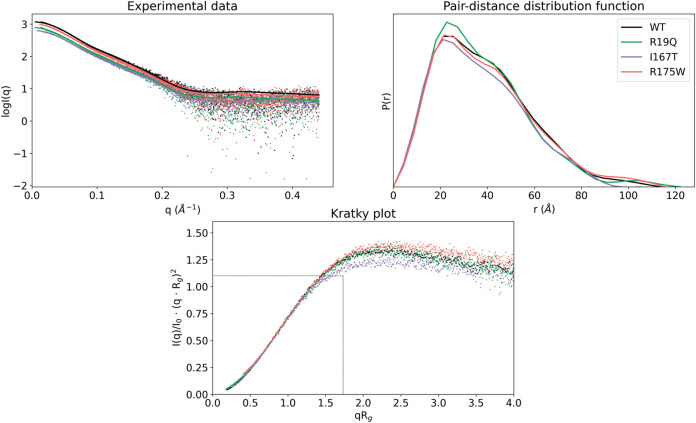 Figure 6
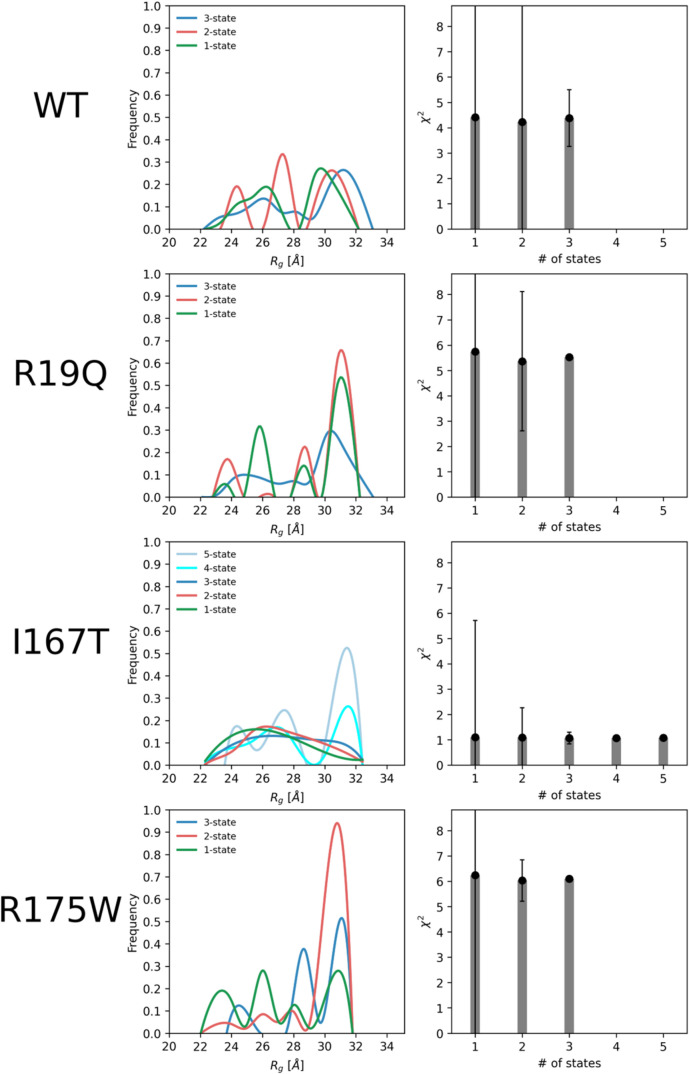 Figure 7
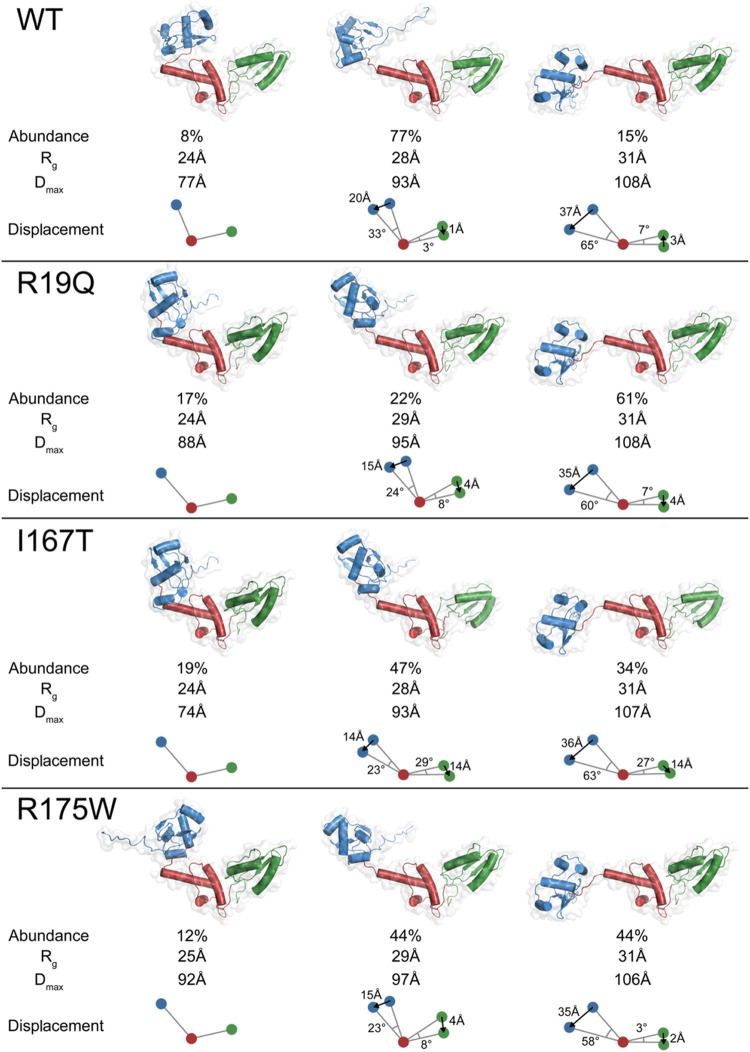 Figure 8
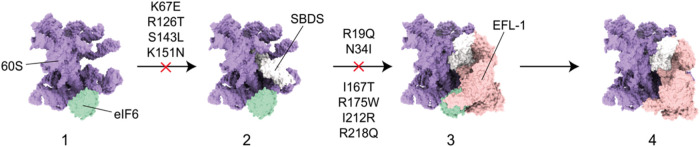 Figure 9
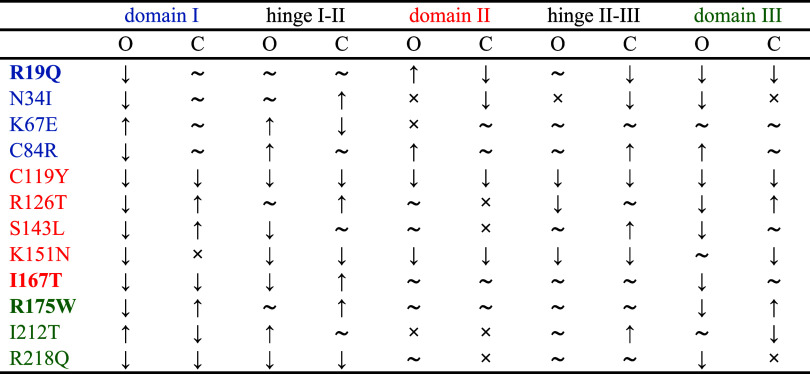 Figure 10
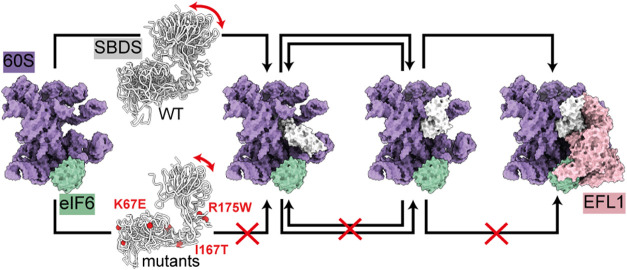 Figure 11
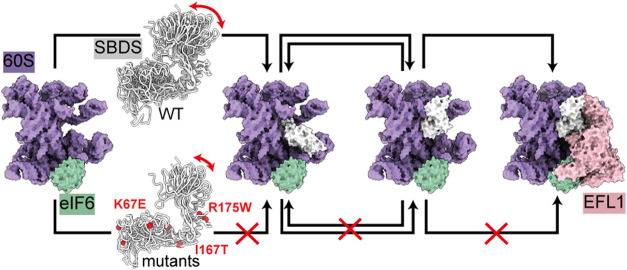 Figure 12
 Figure 13
 Figure 14
 Figure 15
Peer Reviews
No public reviews on file for this paper yet. If you reviewed it on a platform where reviews are public (OpenReview, ICLR, NeurIPS, ICML), you can paste yours below so the community can read it here.
Videos
No videos yet. Explain this paper in a talk, walkthrough, or lecture? Add one.
Taxonomy
TopicsBlood disorders and treatments · Pneumocystis jirovecii pneumonia detection and treatment · Infective Endocarditis Diagnosis and Management