The genome sequence of a phantom cranefly, Ptychoptera contaminata (Linnaeus, 1758)
Liam M. Crowley, Arun Arumugaperumal, Christopher B. Cunningham, Taro Nakamura

TL;DR
This paper presents the genome sequence of the phantom cranefly Ptychoptera contaminata, including chromosomal scaffolding and gene annotation.
Contribution
The study provides a high-quality genome assembly and gene annotation for Ptychoptera contaminata.
Findings
The genome assembly is 204.08 megabases long with 83.64% scaffolded into 6 chromosomal pseudomolecules.
Gene annotation identified 11,102 protein-coding genes using Ensembl.
The mitochondrial genome is 17.64 kilobases in length.
Abstract
We present a genome assembly from a male specimen of Ptychoptera contaminata (phantom cranefly; Arthropoda; Insecta; Diptera; Ptychopteridae). The genome sequence has a total length of 204.08 megabases. Most of the assembly (83.64%) is scaffolded into 6 chromosomal pseudomolecules, including the X and Y sex chromosomes. The mitochondrial genome has also been assembled, with a length of 17.64 kilobases. Gene annotation of this assembly on Ensembl identified 11,102 protein-coding genes.
Genes, proteins, chemicals, diseases, species, mutations and cell lines named across the full text — each resolved to its canonical identifier and authoritative record.
Click any figure to enlarge with its caption.
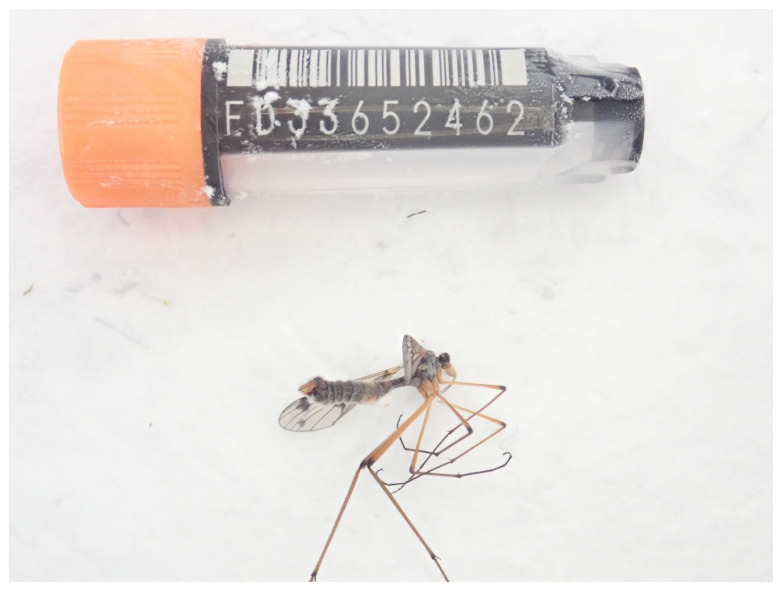 Figure 1
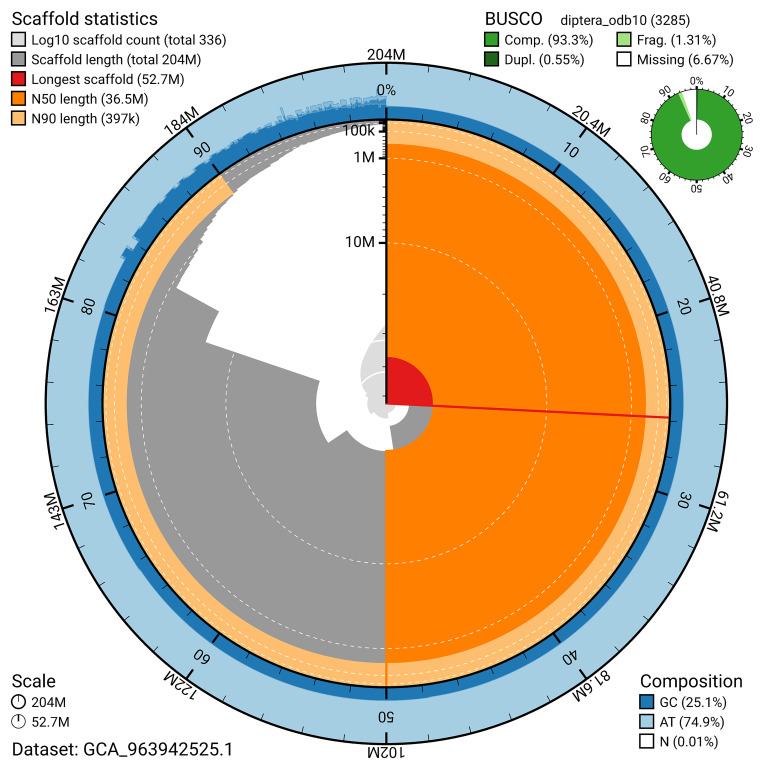 Figure 2
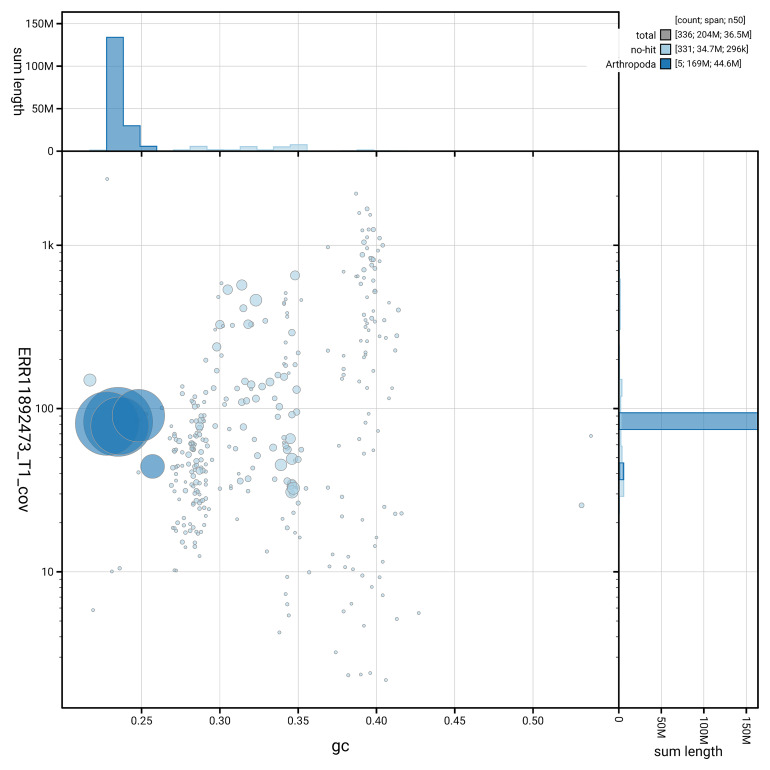 Figure 3
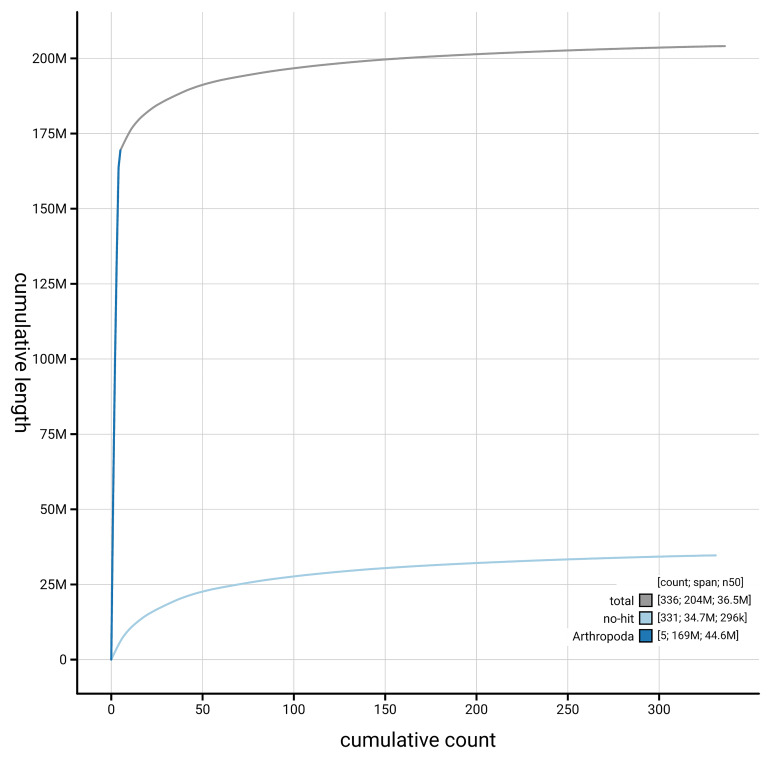 Figure 4
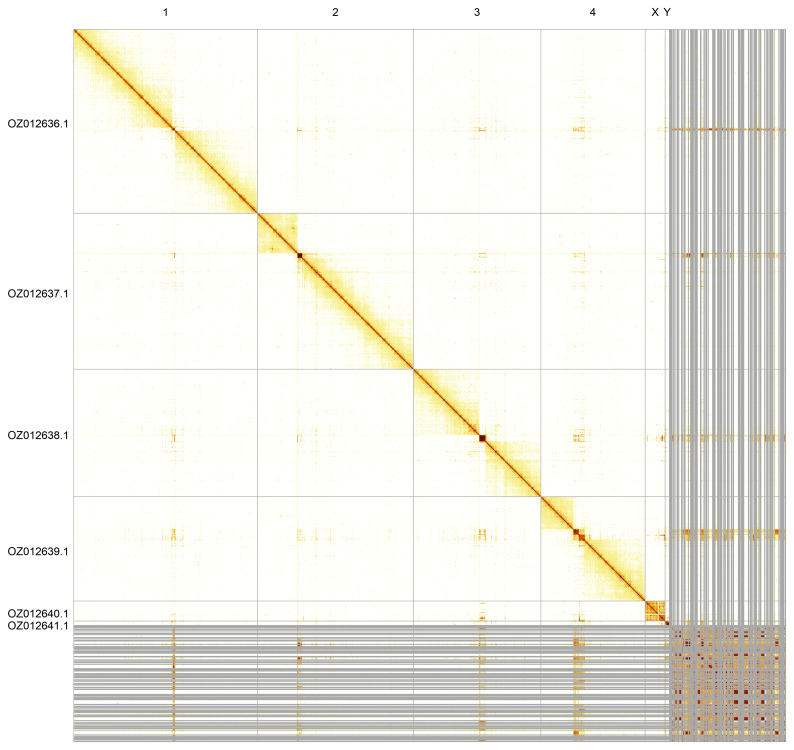 Figure 5
Peer Reviews
No public reviews on file for this paper yet. If you reviewed it on a platform where reviews are public (OpenReview, ICLR, NeurIPS, ICML), you can paste yours below so the community can read it here.
Videos
No videos yet. Explain this paper in a talk, walkthrough, or lecture? Add one.
Taxonomy
TopicsPlant and animal studies · Insect and Arachnid Ecology and Behavior · Insect symbiosis and bacterial influences