Efficacy of Manual Wheelchair Skills Training for Improving Skills and Confidence in People With Hereditary Degenerative Disorders: Protocol for a Sequential Multimethods Study
Ernest Niyomwungere, François Routhier, Cynthia Gagnon, R Lee Kirby, Xavier Rodrigue, Isabelle Lessard, Josiane Lettre, Krista L Best

TL;DR
This study will test if wheelchair skills training improves mobility and confidence in people with ARSACS and MD1, using a mixed-methods approach.
Contribution
This is the first study to evaluate manual wheelchair skills training for people with ARSACS and MD1 using a randomized controlled trial and qualitative analysis.
Findings
Manual wheelchair skills training may improve performance and self-efficacy in people with ARSACS and MD1.
The study will explore how training influences mobility and skill retention over time.
Qualitative insights will reveal participants' experiences and perceptions of wheelchair training.
Abstract
Mobility impairment and participation restrictions are commonly experienced by individuals with autosomal recessive spastic ataxia of Charlevoix-Saguenay (ARSACS) and myotonic dystrophy type 1 (MD1), 2 disorders that are highly prevalent in the province of Quebec, Canada. People with ARSACS and MD1 experience a progressive decline in mobility, which commonly results in the provision of manual or power wheelchairs. While wheelchairs can facilitate mobility and social participation, their provision alone does not guarantee safe and effective use. Wheelchair skills training has been shown to be effective for improving manual skills and confidence among adult users with various diagnoses, which may enhance self-directed mobility and participation and reduce the risk of chronic and acute injuries. However, manual wheelchair skills training for people with ARSACS and MD1 remains understudied.…
Genes, proteins, chemicals, diseases, species, mutations and cell lines named across the full text — each resolved to its canonical identifier and authoritative record.
Click any figure to enlarge with its caption.
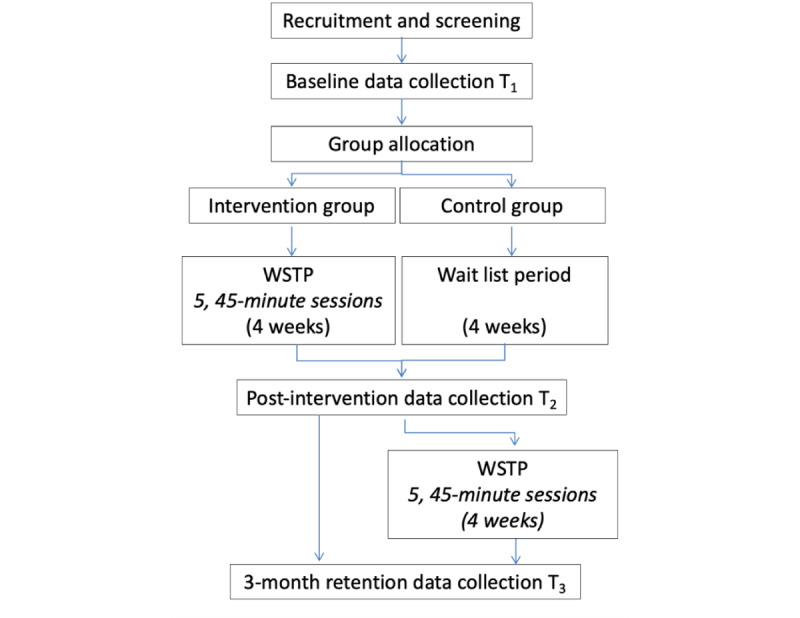 Figure 1
Peer Reviews
No public reviews on file for this paper yet. If you reviewed it on a platform where reviews are public (OpenReview, ICLR, NeurIPS, ICML), you can paste yours below so the community can read it here.
Videos
No videos yet. Explain this paper in a talk, walkthrough, or lecture? Add one.
Taxonomy
TopicsCerebral Palsy and Movement Disorders · Neurogenetic and Muscular Disorders Research · Assistive Technology in Communication and Mobility