TCR activation stimulates regulated intramembrane proteolysis of L-selectin by presenilin 1 and localized proteasomal degradation of the cytoplasmic tail
Owen R. Moon, Andrew C. Newman, Abdullah S. Alanazi, Sophie C. Wehenkel, Katarzyna Gawel-Bęben, Aleksandar Ivetic, David A. Price, Vera Knäuper, Ann Ager

TL;DR
This paper shows how T cell receptor activation leads to the breakdown of L-selectin's cytoplasmic tail, affecting immune signaling.
Contribution
The study reveals a novel mechanism of L-selectin regulation via intramembrane proteolysis and proteasomal degradation following TCR activation.
Findings
TCR activation triggers ADAM17-dependent shedding of L-selectin's ectodomain.
The intracellular domain of L-selectin undergoes γ-secretase-mediated intramembrane proteolysis.
Proteasomal degradation of the L-selectin cytoplasmic tail occurs near the plasma membrane.
Abstract
Leucocyte (L)-selectin is essential for mounting protective immunity to pathogens. As well as regulating leucocyte recruitment, it also regulates their activation and differentiation inside tissues thereby shaping local immune responses. The biochemical signals that regulate these diverse functions of L-selectin are poorly understood. Leucocyte activation induces proteolytic shedding of L-selectin ectodomain (ECD) but the impact of ECD shedding on signaling downstream of L-selectin is not known. In T cells, there is substantial overlap between signaling downstream of L-selectin and the T-cell receptor (TCR). Cross-linking of L-selectin stimulates phosphorylation of the cytoplasmic tail and forward signaling via the nonreceptor tyrosine kinases Lck and Zap70. Cross-linking of TCR induces phosphorylation-dependent binding of PKC isozymes to L-selectin cytoplasmic tail and PKCα-dependent…
Genes, proteins, chemicals, diseases, species, mutations and cell lines named across the full text — each resolved to its canonical identifier and authoritative record.
Click any figure to enlarge with its caption.
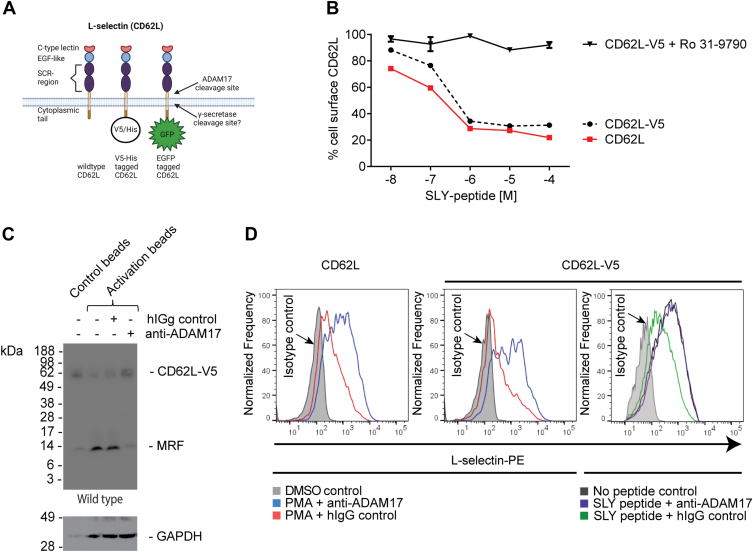 Figure 1
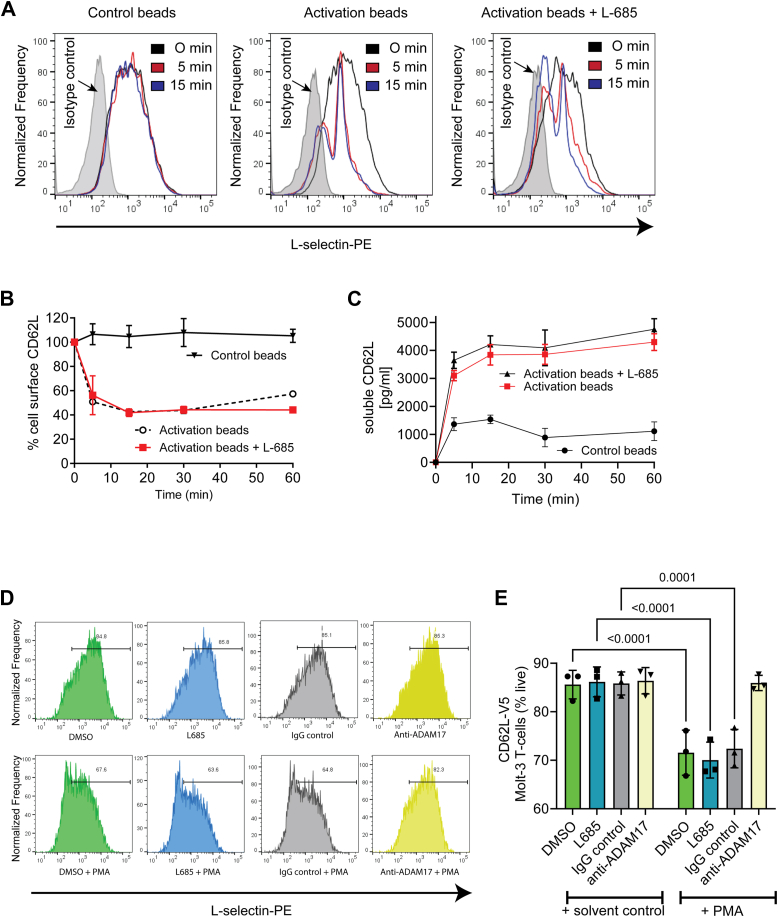 Figure 2
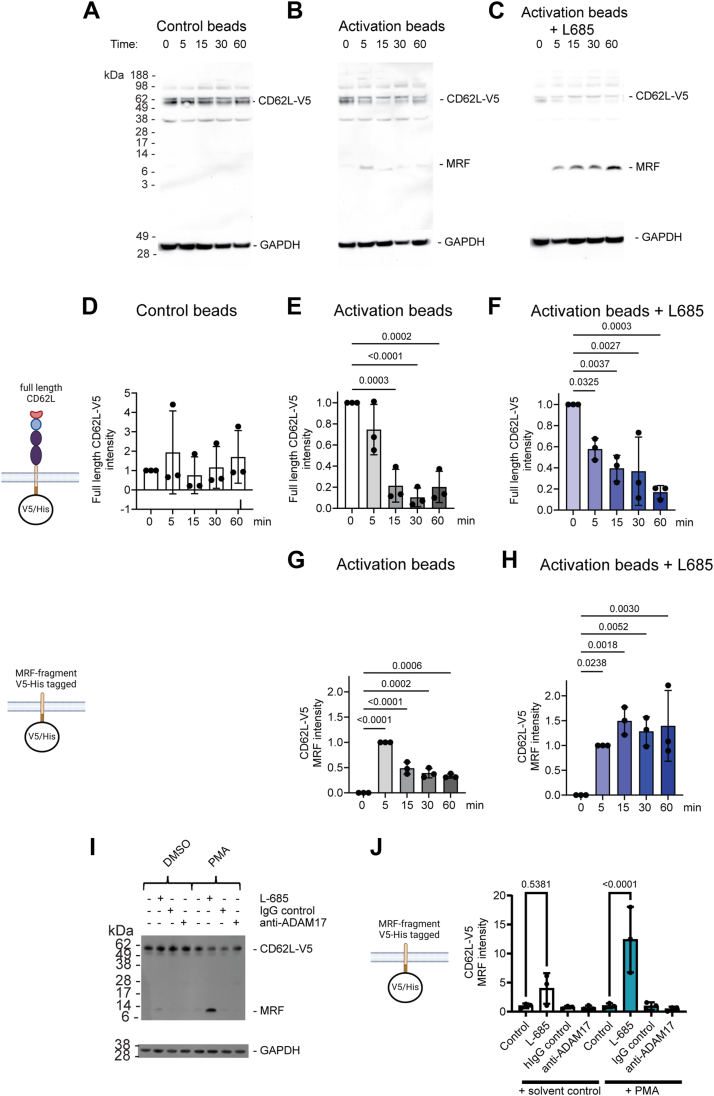 Figure 3
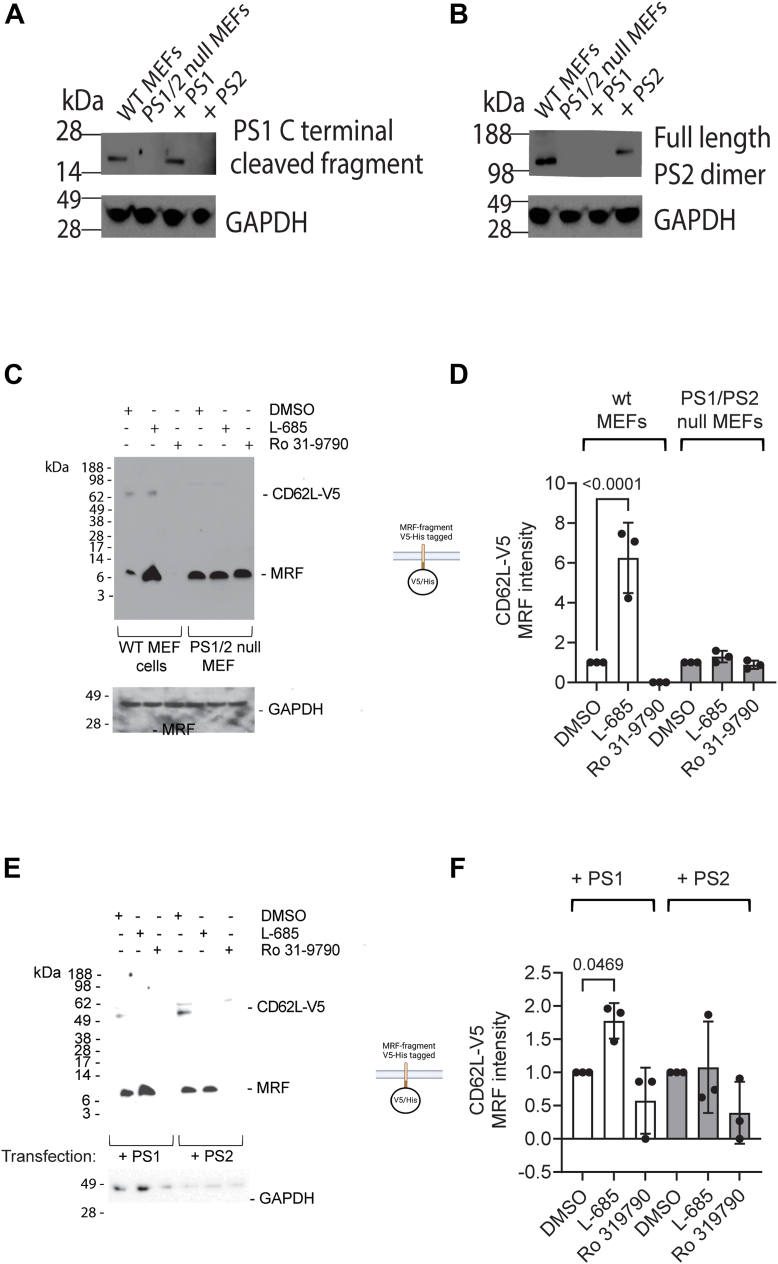 Figure 4
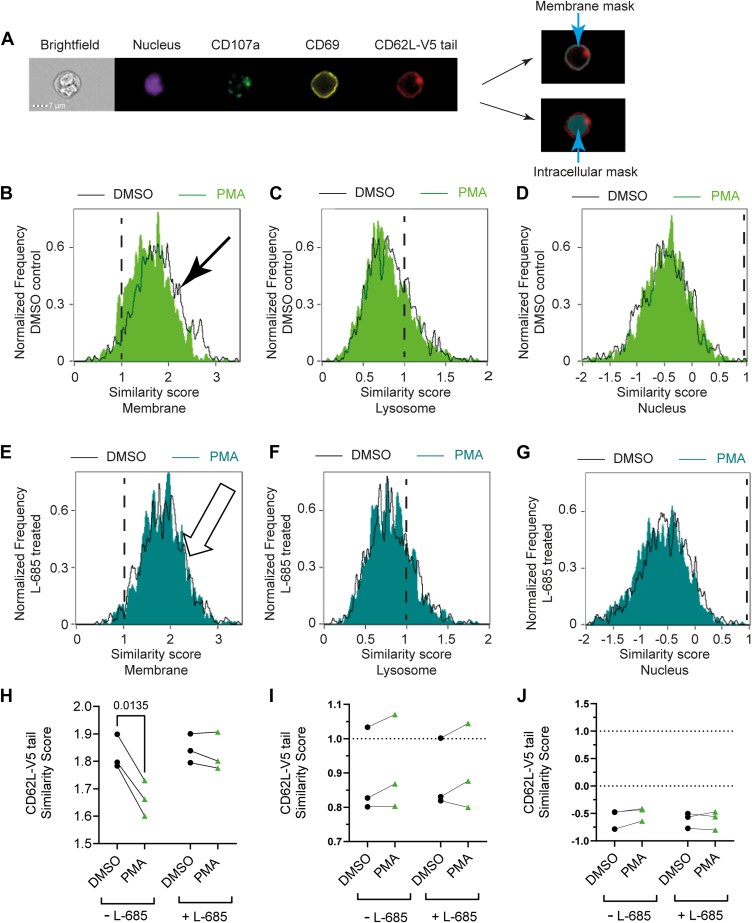 Figure 5
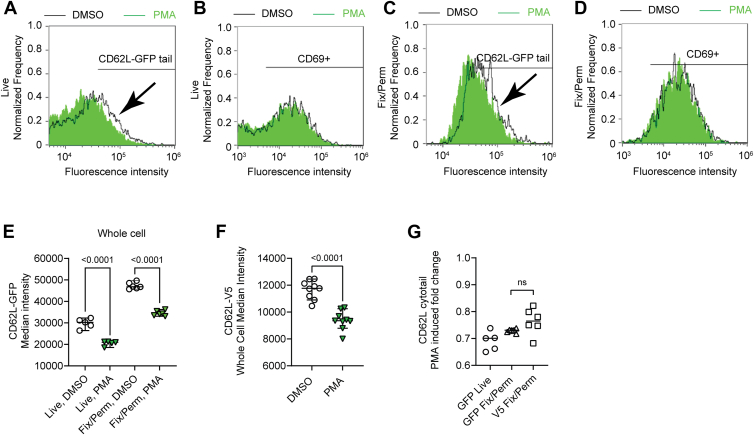 Figure 6
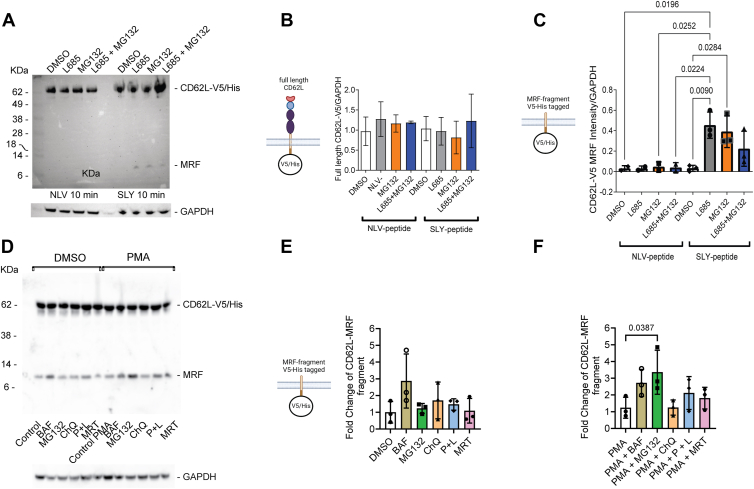 Figure 7
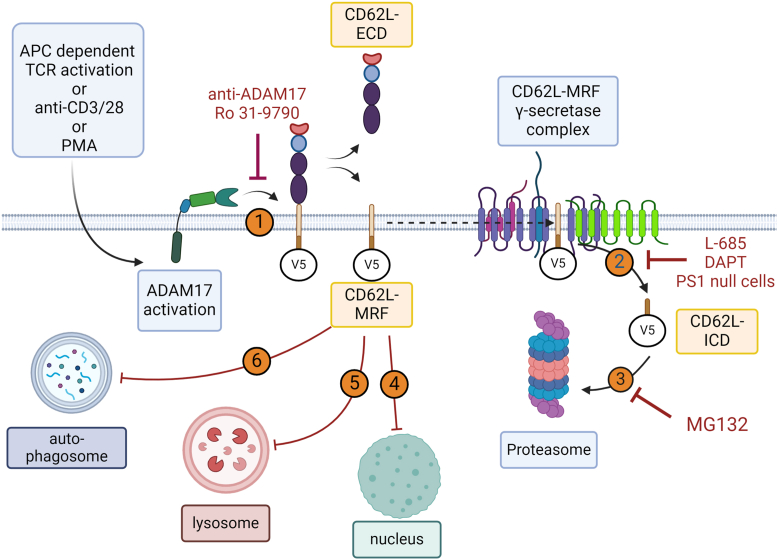 Figure 8
Peer Reviews
No public reviews on file for this paper yet. If you reviewed it on a platform where reviews are public (OpenReview, ICLR, NeurIPS, ICML), you can paste yours below so the community can read it here.
Videos
No videos yet. Explain this paper in a talk, walkthrough, or lecture? Add one.
Taxonomy
TopicsCell Adhesion Molecules Research · Chemokine receptors and signaling · Monoclonal and Polyclonal Antibodies Research