Dihydroartemisinin decreases pre-existing neutralizing antibodies against adeno-associated virus in challenged mice
Jingjing Fang, Enze Cui, Jinyan Xie, Xuxia Gao, Yun He, Ming Yang, Sana Shaheen, Zhengjun Zhou, Shaolai Zhou, Binbin Cheng, Changquan Ling, Chen Ling

TL;DR
Dihydroartemisinin (DHA) safely reduces pre-existing antibodies against AAV, improving the potential for gene therapy in more patients.
Contribution
DHA is shown as a safe alternative to traditional immunosuppressants for reducing anti-AAV antibodies in mice.
Findings
DHA reduced anti-AAV neutralizing antibodies without affecting transgene expression or vector distribution.
DHA decreased splenic B cells and plasma cells linked to antibody production.
DHA did not cause liver toxicity or interfere with AAV infection in vitro.
Abstract
The high prevalence of pre-existing neutralizing antibodies (NAbs) against adeno-associated virus (AAV) poses a major obstacle to in vivo gene therapy. Current immunosuppressive (IS) strategies, such as corticosteroids, are limited by toxicity and adverse effects. To explore safer alternatives, we evaluated dihydroartemisinin (DHA), a synthetic derivative of artemisinin inspired by traditional Chinese medicine (TCM), as a potential IS agent. In vivo experiments were conducted by administering DHA at either 30 or 210 days post-injection (PI) of rAAVDJ vectors. Anti-AAV NAb levels, transgene expression, and vector genome biodistribution were assessed. Flow cytometry was used to quantify CD20+ B cells, germinal center B cells, and plasma cells in the spleen. Splenic gene expression profiling, liver histology, and serum biochemical analyses were performed to evaluate immunological and…
Genes, proteins, chemicals, diseases, species, mutations and cell lines named across the full text — each resolved to its canonical identifier and authoritative record.
Click any figure to enlarge with its caption.
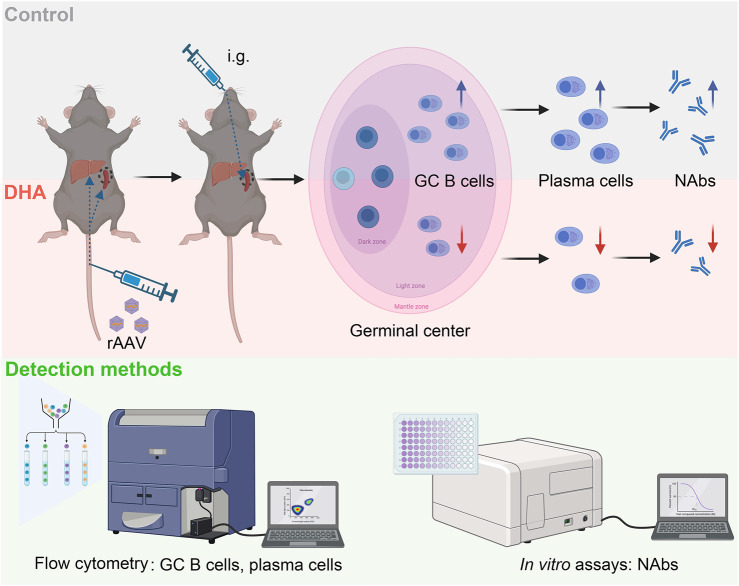 Figure 1
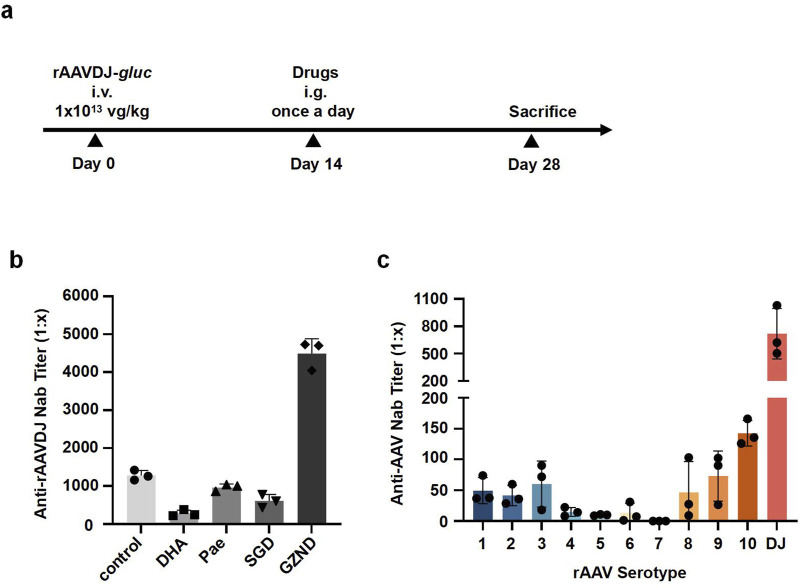 Figure 2
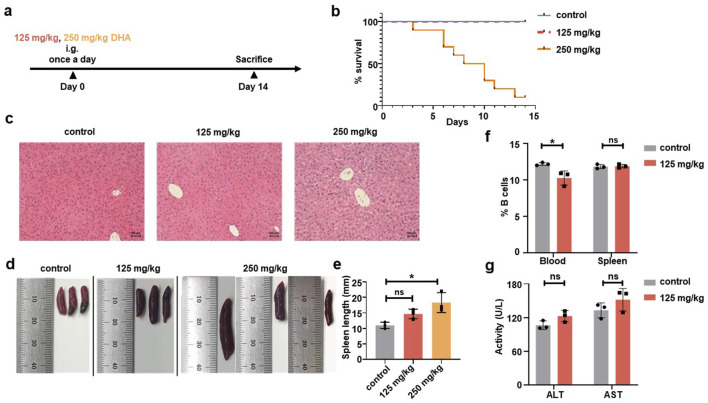 Figure 3
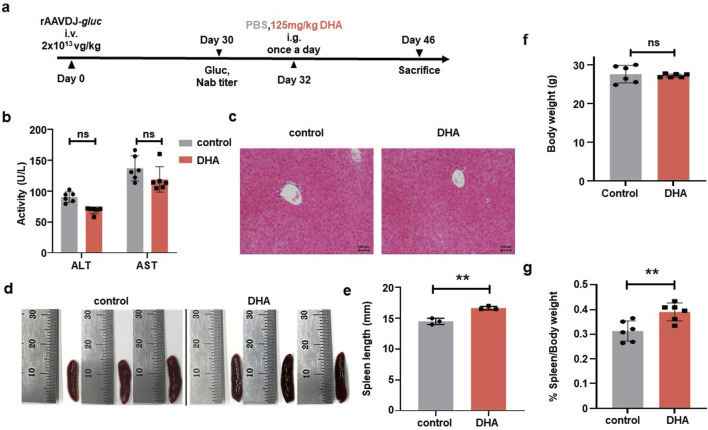 Figure 4
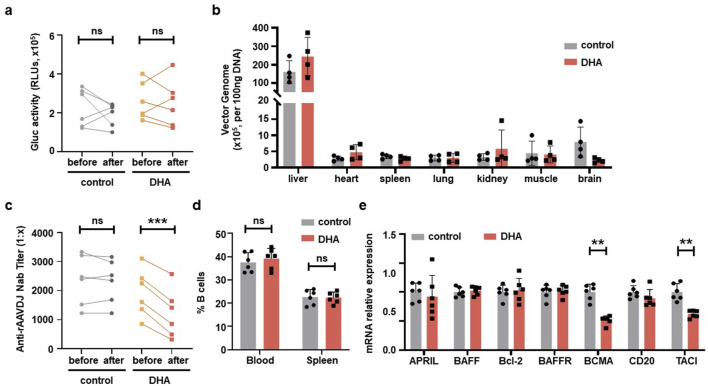 Figure 5
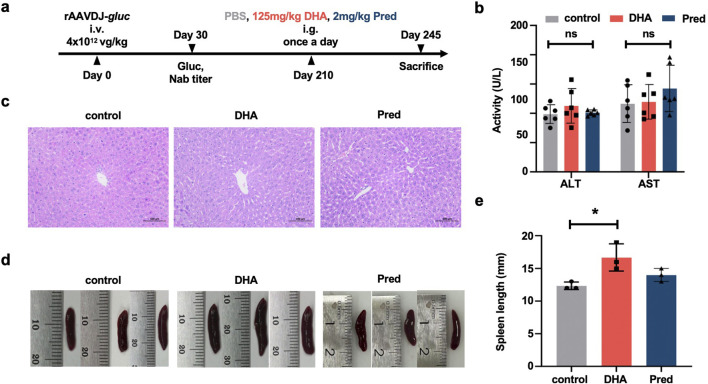 Figure 6
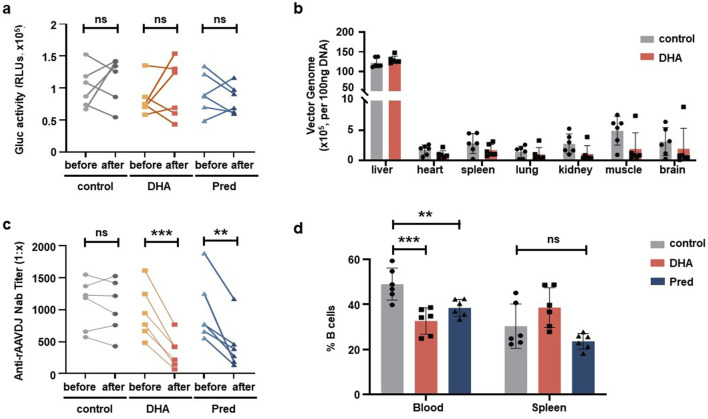 Figure 7
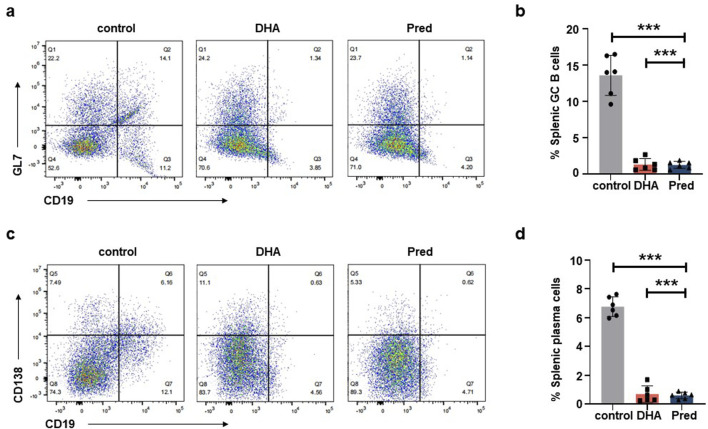 Figure 8
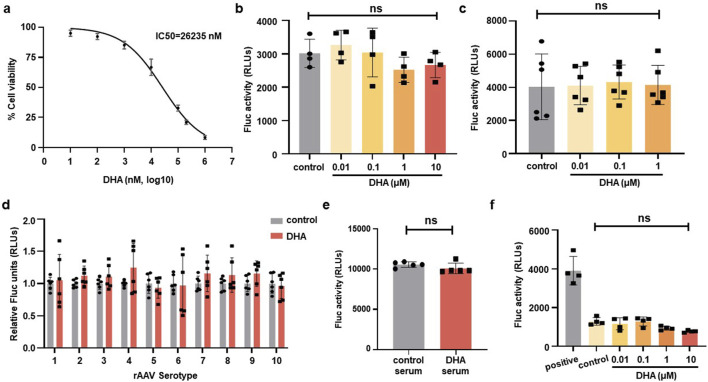 Figure 9
Peer Reviews
No public reviews on file for this paper yet. If you reviewed it on a platform where reviews are public (OpenReview, ICLR, NeurIPS, ICML), you can paste yours below so the community can read it here.
Videos
No videos yet. Explain this paper in a talk, walkthrough, or lecture? Add one.
Taxonomy
TopicsVirus-based gene therapy research · Viral Infections and Immunology Research · CAR-T cell therapy research